




Several openly LGBTQ+ athletes in the United States are speaking out about how increasingly hostile social and political conditions are making it harder to secure sponsorships and financial backing.
A recent report by the Los Angeles Times highlights how endorsement deals that once helped queer athletes train, travel, and compete are quietly disappearing.
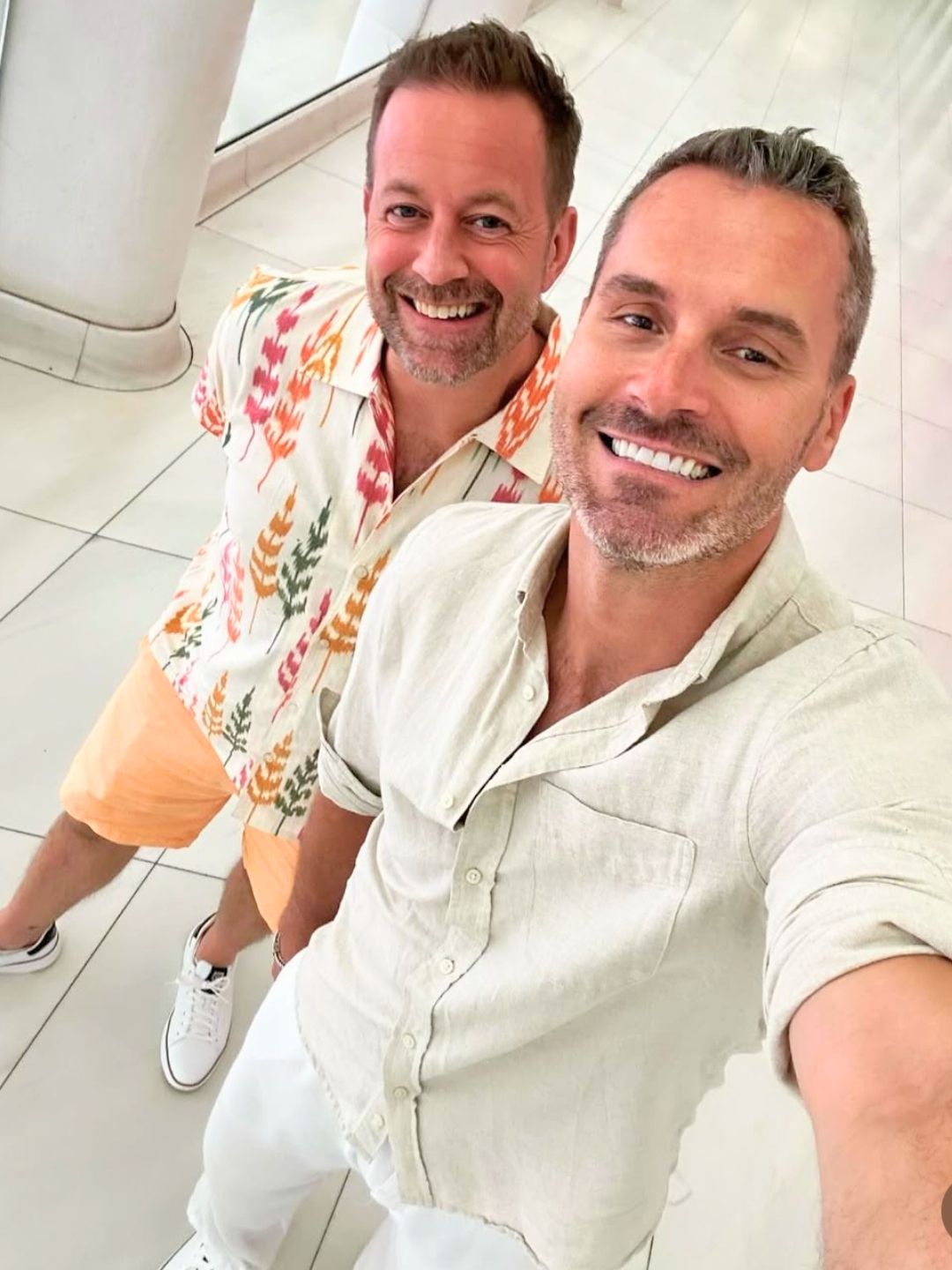
For many athletes, sponsorship money is not about luxury but about whether they can afford to stay in their sport at all.
The impact is especially severe in individual sports, where athletes themselves function as the brand and rely heavily on private funding.
Openly gay NHRA drag racer Travis Shumake is one of the athletes featured in the reporting.
Shumake made history as the first openly gay professional driver on the NHRA circuit and previously competed with visible support from major corporate sponsors.
At one point, his dragster even deployed a rainbow-colored parachute after reaching speeds of more than 330 miles per hour.
According to the report, most of those sponsorships have now disappeared, leaving Kroger as the only remaining major backer.
As a result, Shumake was forced to keep his car in storage for much of the past year because he could not afford to race.
The Los Angeles Times also spoke with speedskater Conor McDermott-Mostowy, an Olympic hopeful working toward the 2026 Winter Games.
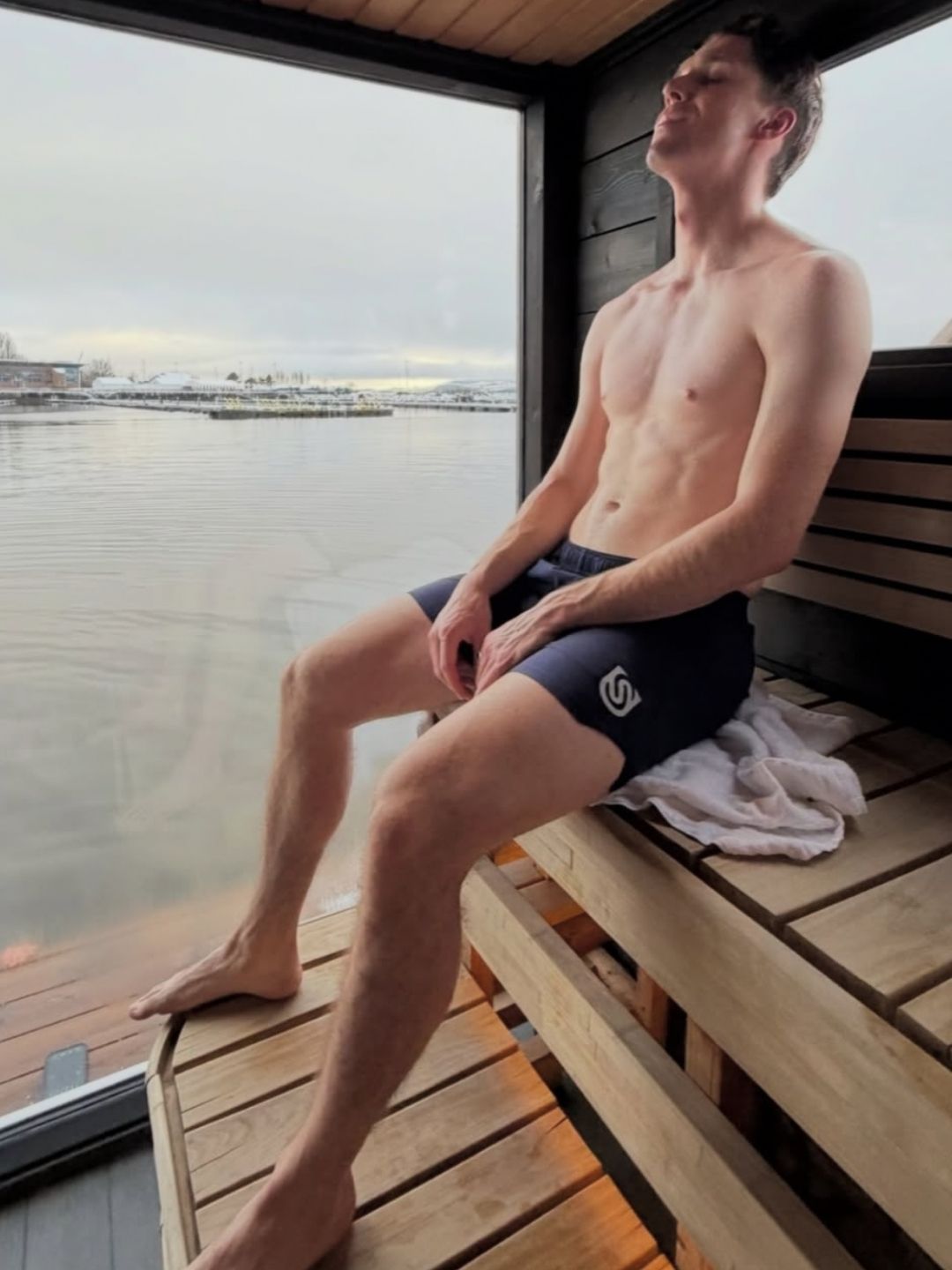
McDermott-Mostowy described losing sponsorship support despite strong performances and increasing visibility as an openly gay athlete.
He told the Times that without stable funding, he may qualify for food assistance while continuing to train at an elite international level.
The athletes interviewed emphasized that the issue is not a lack of audience interest but a growing reluctance among brands to be publicly associated with LGBTQ+ identities.
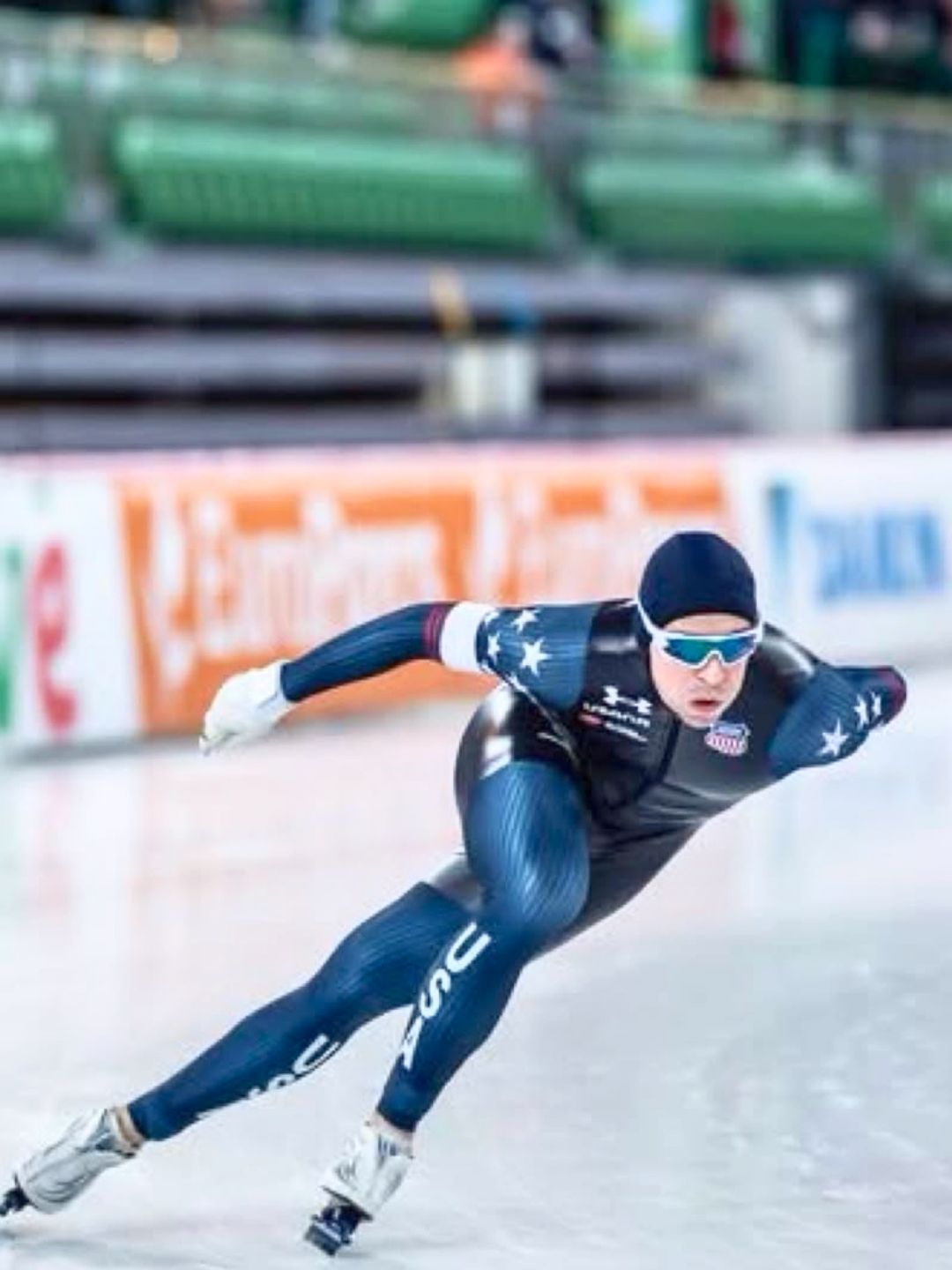
Several described a noticeable shift away from diversity-focused marketing as political pressure and backlash increased.
Advocacy groups say this trend places LGBTQ+ athletes in an impossible position, forcing them to choose between authenticity and financial survival.
In response, community-led efforts like the Out Athlete Fund have stepped in to help cover basic expenses such as travel, coaching, and equipment.
While these initiatives provide crucial support, they cannot fully replace the scale of corporate sponsorships that once sustained many careers.
The athletes featured in the report stress that they are not asking for special treatment, only equal opportunity.
They also warn that reduced visibility and funding for LGBTQ+ athletes sends a broader message about who is considered marketable and worthy of support.
Despite the challenges, many remain committed to competing openly and authentically, even when doing so comes at a personal cost.
As one athlete put it, queer competitors are still here, still training, and still dreaming, even if the financial runway has grown much shorter.
📷 IG: @ travieshu / conor.mm