


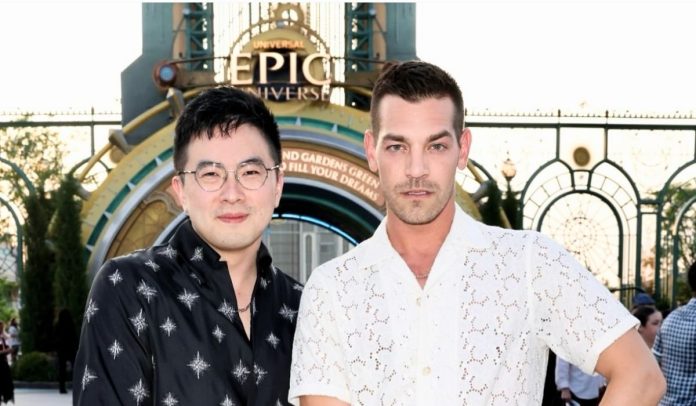

Comedians and podcast hosts Matt Rogers and Bowen Yang found themselves trending this week after they told listeners of their popular podcast Las Culturistas that they believed people should *not* donate money to Texas Representative Jasmine Crockett’s U.S. Senate campaign.
The comments came during a recent episode of Las Culturistas, where Rogers argued that Crockett is “too well-defined” as a politician to win a statewide race in conservative-leaning Texas and suggested that contributing money to her campaign would be a “waste.”
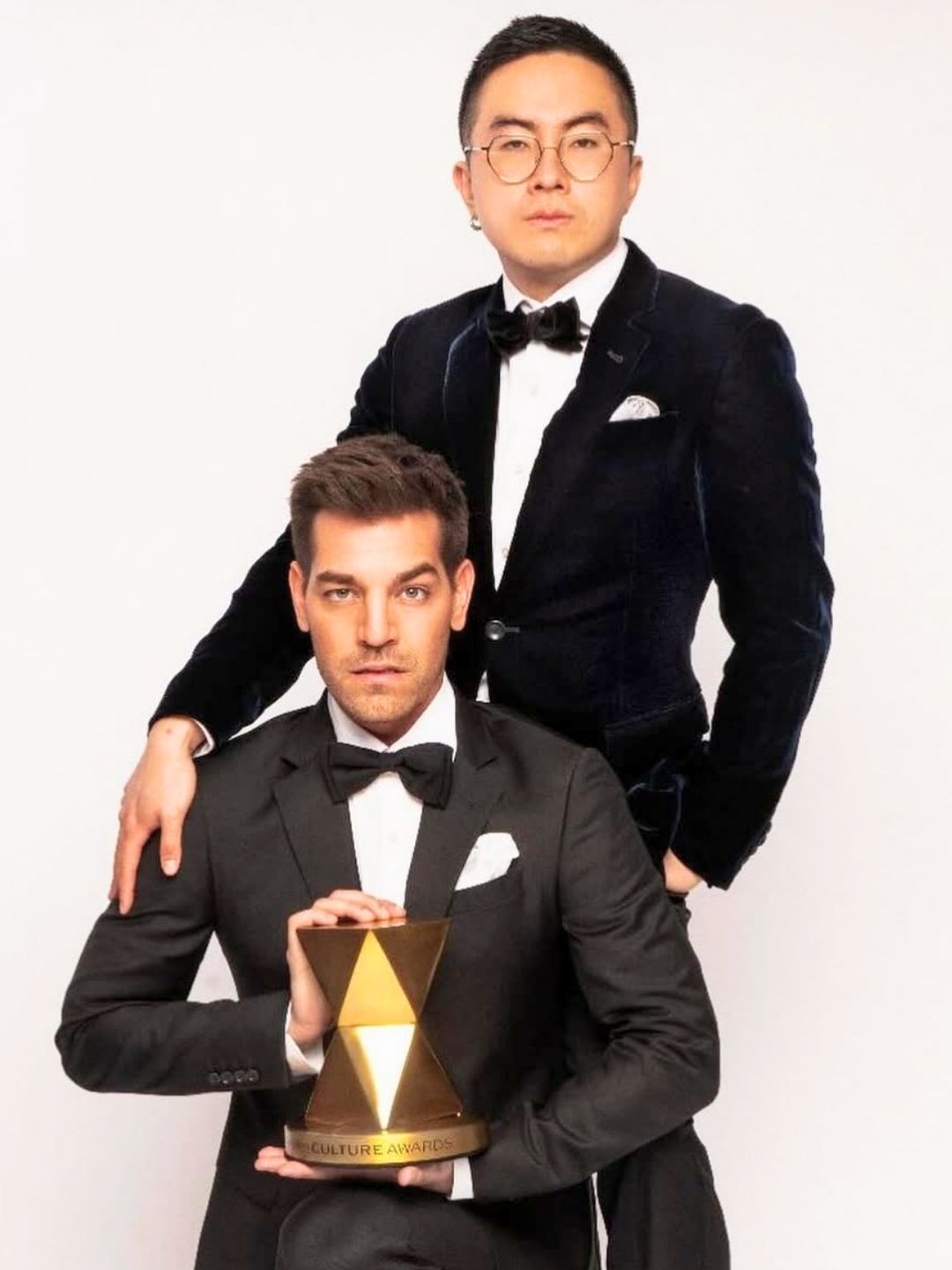
Yang agreed with Rogers on the point and the two discussed their own evolving views on political engagement since 2016, when both were younger and less involved in public discourse about civic participation. (Sources: Out; BuzzFeed).
Who is Jasmine Crockett?
Jasmine Crockett, a Democratic member of the U.S. House of Representatives from Texas, launched her campaign for the U.S. Senate in 2025 as part of an increasingly competitive race for a seat long held by Republicans. She has drawn both progressive and establishment support, but also criticism from various corners of American political life — including conservative commentators and activists who argue differently about her chances and policy positions.
Rogers and Yang’s comments came not as a detailed political analysis, but as part of their off-the-cuff conversation, and they did not outline specific alternatives or endorse a different candidate. Their stance was framed more as a strategic opinion about how best to influence electoral outcomes than as a personal critique of Crockett’s record.
Social media reaction and political talk from entertainers
The response from fans and followers was swift. Many listeners pushed back, saying it felt unusual or inappropriate for entertainers — particularly queer comedians with large followings — to advise their audience *not* to financially support a real political campaign. Some critics framed the comments as out of step with broader progressive efforts to compete in tough races.
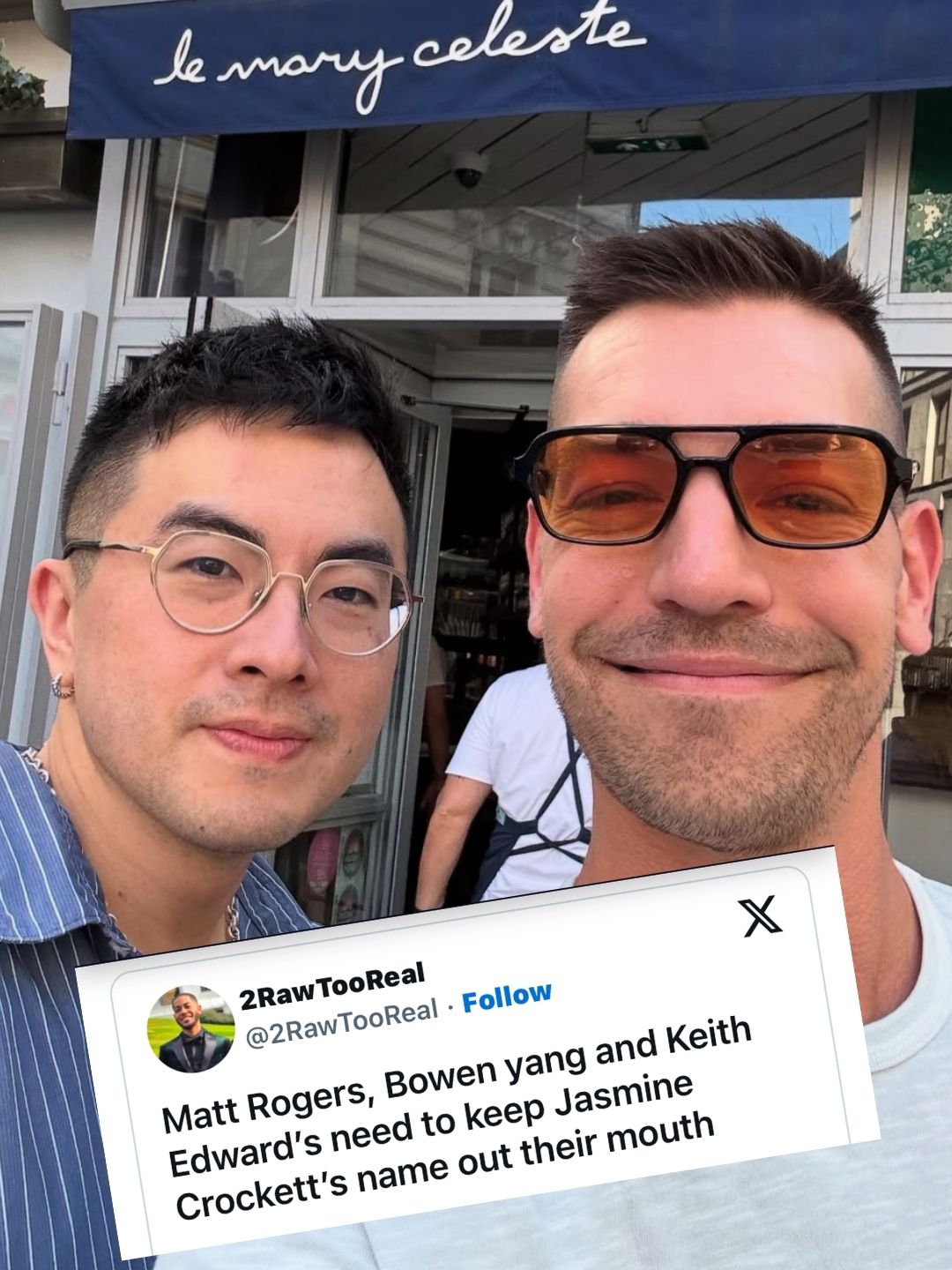
Others defended Rogers and Yang’s right to share a personal view and noted that celebrity figures have always weighed in on politics.
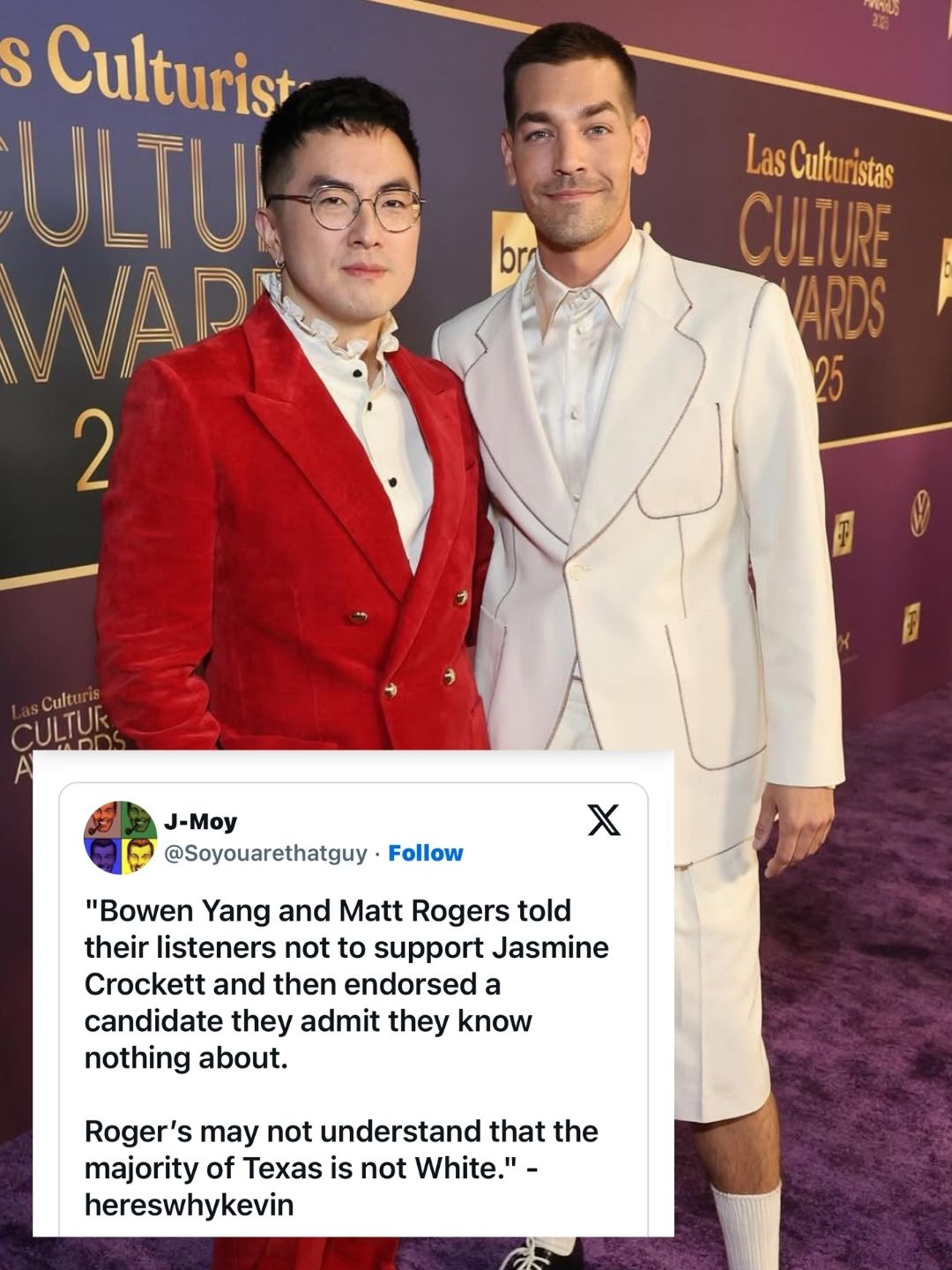
The conversation highlights the broader tension that can arise when performers with large platforms cross from cultural commentary into direct political recommendations.
Why this resonated with queer audiences
For many LGBTQ+ fans, the episode touched on questions about how visibly queer media figures should engage politically: whether political advice from cultural influencers is helpful or distracting, and how representation in entertainment intersects with civic participation.
Rogers and Yang themselves have spoken openly in the past about their own political evolution and the challenges of navigating public voices in an era where audiences increasingly expect entertainers to take stands on issues beyond pop culture. Their podcast, known for mixing comedy with candid personal reflections, is part of that ongoing negotiation about the role of queer voices in public discourse.
A moment of conversation, not consensus
What Rogers and Yang said has clearly struck a nerve, but it has not unified anyone around a clear conclusion. Instead, the exchange has amplified broader questions about the role of entertainers in elections, how different communities choose to support or critique candidates, and how political messaging is received when it comes from unexpected places.
Whether listeners agree with their view or not, the episode reflects a growing trend in which comedians and cultural commentators are not only performing but also participating in political debate — and audiences are judging them for it.
📷 IG: @ mattrogerstho / fayedunaway