




A new horror film is drawing attention for the way it transforms a queer love story into something far darker.
Leviticus, directed by Adrian Chiarella, premiered at the 2026 Sundance Film Festival and has already been described as both unsettling and emotionally resonant.

At its center are two teenage boys (played by Joe Bird and Stacy Clausen) living in a small, deeply religious community.
As their relationship begins to develop, it unfolds in secrecy, shaped by the expectations and restrictions of the world around them.
When their connection is discovered, the consequences are immediate and severe.
They are forced into a conversion-style ritual intended to suppress or eliminate what others see as unacceptable desire.
But instead of resolving anything, the experience unleashes something far more dangerous.
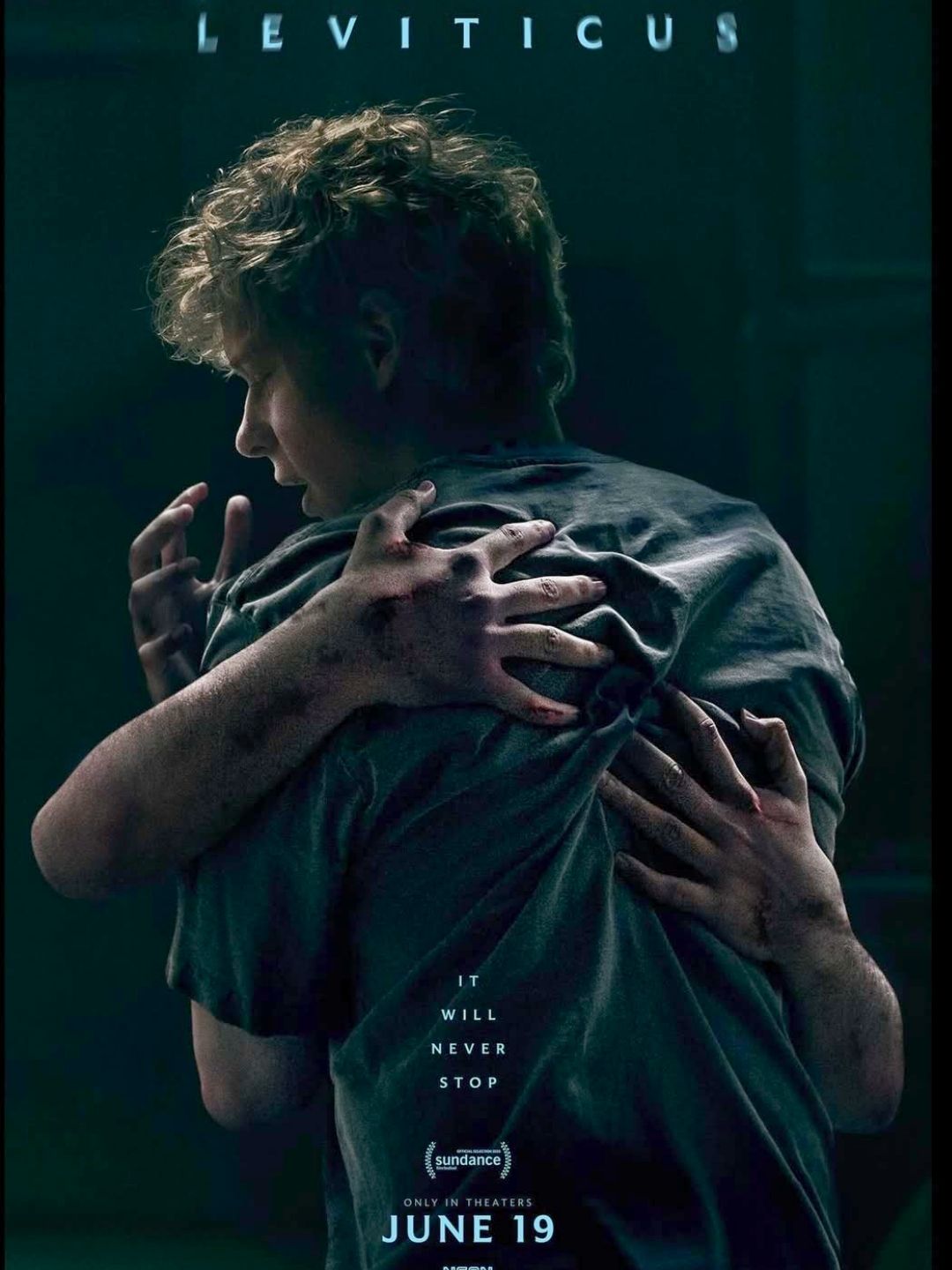
After the ritual, a violent presence begins to stalk them.
What makes it particularly disturbing is the form that presence takes.
It appears as the person each of them desires most.
In this case, that means each other.
The result is a concept where attraction and fear become inseparable.
Moments of intimacy are no longer safe, and connection itself becomes a threat.
The film uses this idea to explore how external pressures and internalized fear can distort the way people experience their own identity.
Set against a backdrop of religious authority and social control, the story reflects a broader history of attempts to regulate or erase queer desire.
Rather than presenting that tension through dialogue alone, Leviticus turns it into something physical and inescapable.
The horror is not only supernatural, but also emotional.
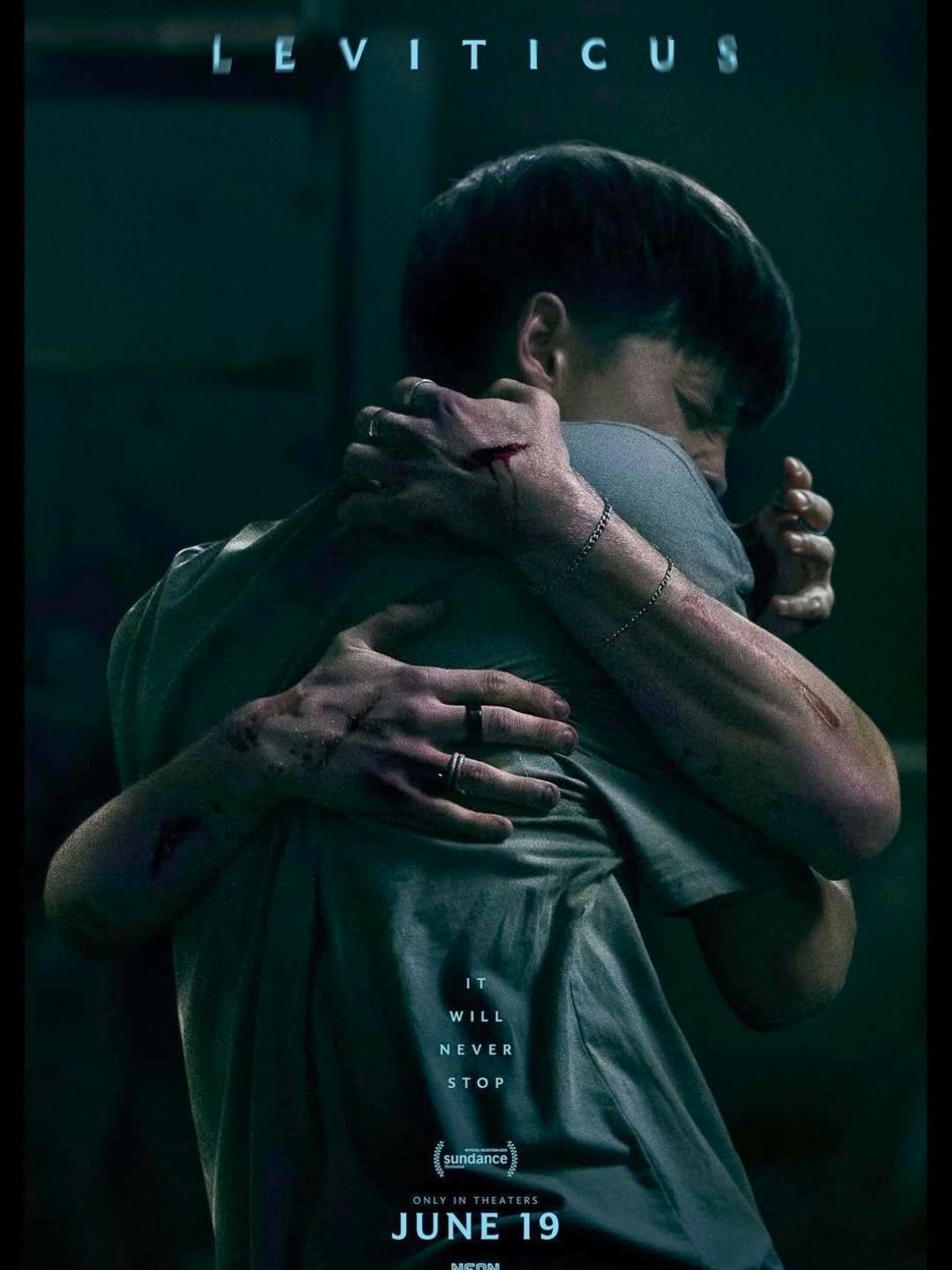
It is rooted in the idea that love can be reframed as something dangerous when it exists in the wrong environment.
Critics have noted the film’s ability to balance these elements, combining a coming-of-age story with psychological and supernatural horror.
At the same time, the relationship between the two central characters remains a core part of the narrative.
Even as the danger escalates, the emotional connection between them continues to drive the story forward.
This duality gives the film a sense of tension that goes beyond typical genre expectations.
It is not only about survival, but also about what it means to want something that the world around you tells you is wrong.
By turning that conflict into a literal threat, Leviticus creates a powerful and unsettling metaphor.
It suggests that fear does not always come from outside forces alone.
Sometimes, it is shaped by how those forces teach people to see themselves.
And in that sense, the film’s horror is not just imagined.
It reflects something that has been experienced in many different forms, long before it appeared on screen.
📷 IG: @leviticusfilm