


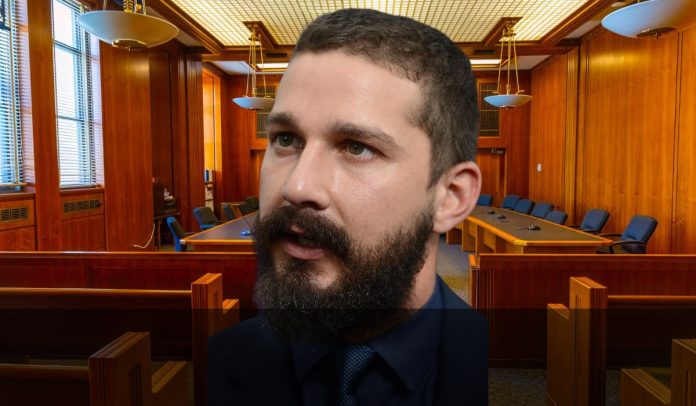

Actor Shia LaBeouf has pleaded guilty to charges stemming from a Mardi Gras altercation in New Orleans that drew national attention after witnesses and police reports alleged he used homophobic slurs during the incident.
The incident took place in February outside a bar in the city’s Marigny neighborhood during Mardi Gras celebrations.
According to police reports, LaBeouf became involved in a confrontation that resulted in multiple people being assaulted (Pink News).
Witnesses alleged that anti-gay slurs were directed at some of the individuals involved.
One of the alleged victims, local entertainer Jeffrey Damnit, said he was targeted during the encounter and later spoke publicly about the incident.
Video footage and police reports became central parts of the investigation.
Prosecutors ultimately pursued misdemeanor battery charges rather than hate-crime charges.
On June 3, LaBeouf entered a guilty plea and received a sentence that includes two years of probation.
He was also ordered to participate in alcohol treatment, anger management classes, and sensitivity training.
The plea agreement allows the criminal case to move toward closure while imposing conditions designed to address the behavior that led to the arrest.
LaBeouf’s attorney argued there was no evidence the incident was motivated by bias or prejudice.
She described the confrontation as a relatively minor altercation that escalated during Mardi Gras festivities.
Prosecutors and victims, however, supported the plea arrangement and said it created meaningful accountability while avoiding a lengthy trial process.
The actor has faced a number of legal and personal controversies throughout his career.
In recent years, he has spoken publicly about struggles involving addiction, mental health, anger, and self-destructive behavior.
The New Orleans incident reignited discussions about those issues as well as broader conversations about anti-LGBTQ+ hostility.
For many observers, the case was never only about a celebrity arrest.
It also highlighted the experiences of LGBTQ+ people who continue to encounter harassment and discrimination in public spaces.
Although the criminal proceedings have now largely concluded, the broader questions raised by the incident remain relevant.
The case serves as another reminder that public accountability and respect for LGBTQ+ people remain important issues far beyond the entertainment industry.
🎥 Prefer video?
Follow B-Gay on YouTube for daily LGBTQ+ celebrity stories and Shorts.