


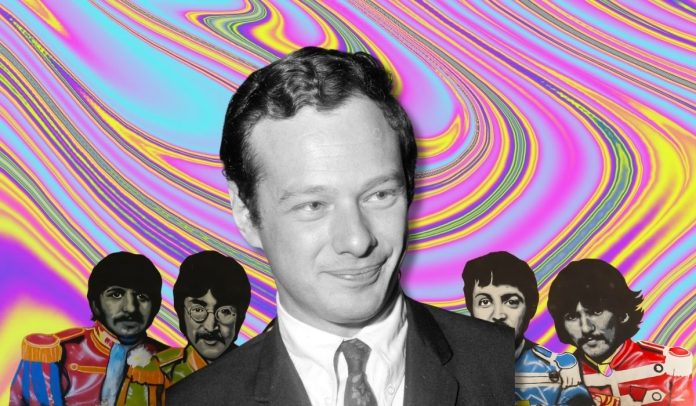

Brian Epstein helped turn The Beatles into a worldwide phenomenon, but a contact list filled with famous names could never tell the whole story of his life.
A new book invites readers to look more closely at the gay man behind that extraordinary achievement.
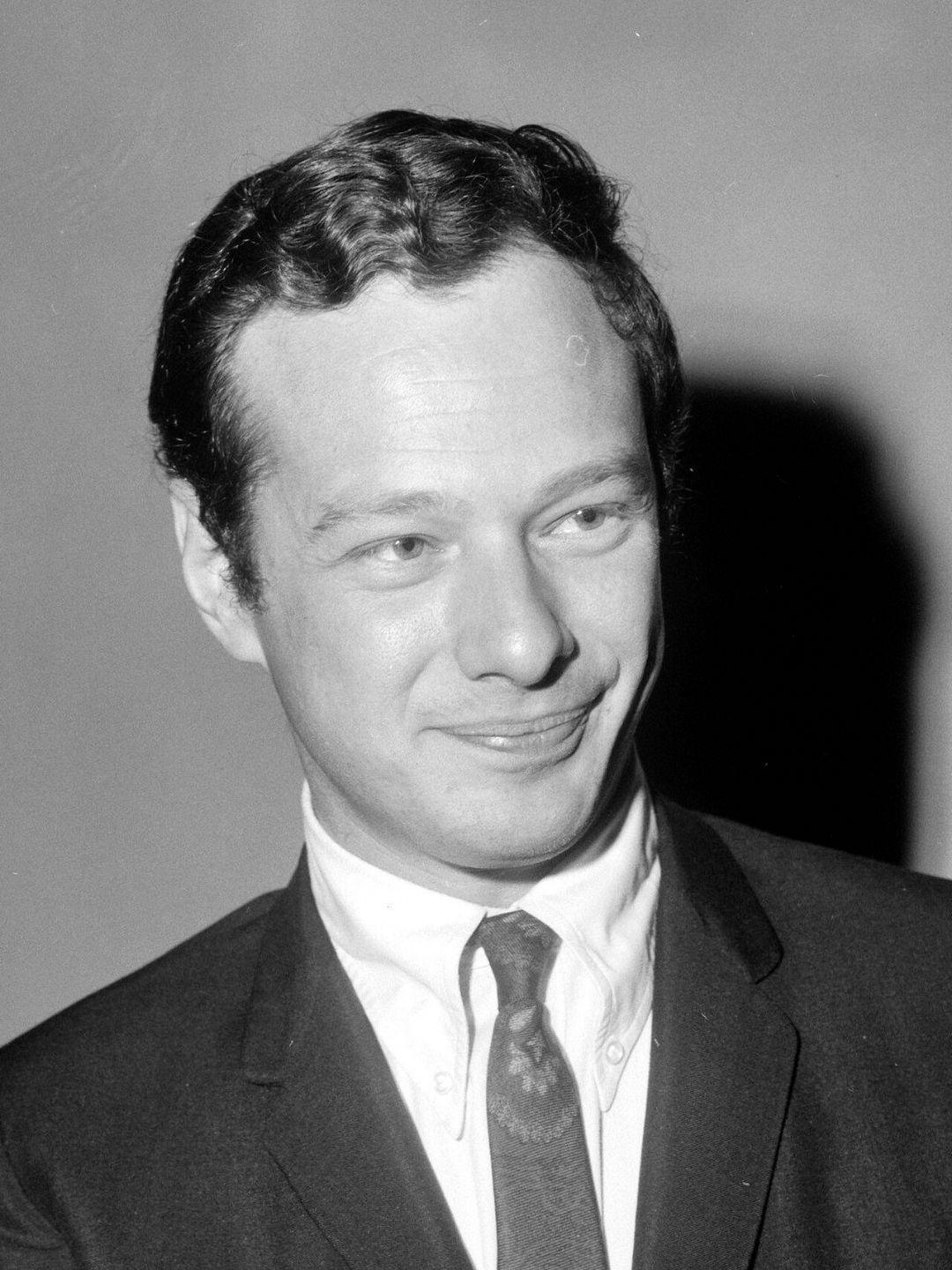
1967 – The World of Brian Epstein and The Beatles, by Gary Kemp and Simon Halfon, uses his address book as a route into the people and places around him.
HarperCollins’ publisher listing confirms that the book was released on October 13, 2026.
A small book, an enormous world
The surviving address book contains 404 entries across 57 pages, according to Sotheby’s original auction catalogue.
Its names include Cilla Black, Eric Clapton, Mick Jagger, Marianne Faithfull and Orson Welles.
The catalogue describes typed entries supplemented by handwritten additions, some made by Epstein himself.
It is an intimate object as well as a record of a remarkable professional network.
For readers who remember keeping important telephone numbers on paper, the idea has an immediate familiarity.
The people you could call were gathered in one small place, even when the relationships behind those names were complicated.
In his new Guardian interview, Kemp describes Epstein as struggling to find a relationship.
That contrast between public connection and private longing gives the story a particular resonance.
The man behind the phenomenon
Epstein first saw The Beatles at Liverpool’s Cavern Club in November 1961 and became their manager in early 1962, as Biography’s account of his career documents.
His belief, presentation and promotion helped carry them far beyond their local audience.
The website dedicated to his legacy emphasizes his vision and his central contribution to their success.
Remembering him as a gay historical figure should make room for that achievement, alongside the constraints he faced.
He was a person with ambition and taste, whose influence reached into the music people still love today.
A life shaped by unequal freedom
For most of his life, sex between men was criminalized in England and Wales.
The legal position changed only partially in 1967.
As UK Parliament’s historical overview explains, reform decriminalized certain private acts between consenting men over 21 while retaining other restrictions.
That was a significant change, but it was far from the freedom to build an openly gay life on equal terms.
Epstein died on August 27, 1967, aged 32, after an overdose of sleeping medication; his death was ruled accidental.
His sexuality should not be used as a single explanation for his death, nor should uncertainty about his private relationships be turned into romantic legend.
What we can remember is the distance between the cultural possibilities he helped create and the personal freedoms his generation was denied.
For another way into that world, the new book’s publisher page introduces the project that follows the connections in his address book, bringing Brian himself back into view.
📷 Joop van Bilsen