
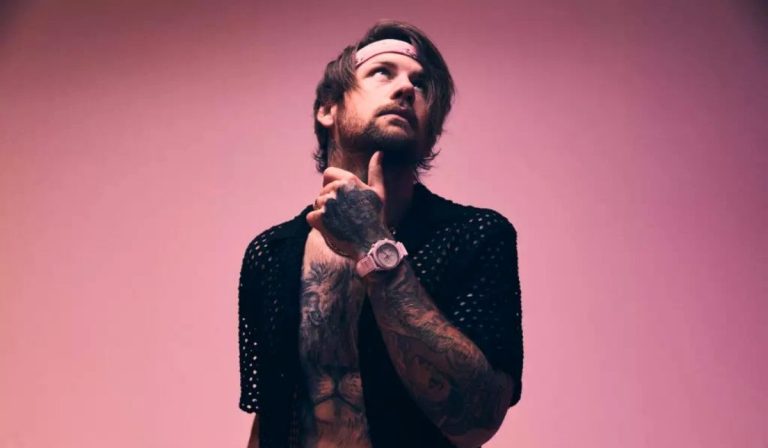
Caleb Shomo coming out as gay hits differently in the world of heavy music

Caleb Shomo has built an entire career on emotional honesty.

The Beartooth frontman has spent years writing music about depression, addiction, self-hatred, mental collapse, recovery, and survival.
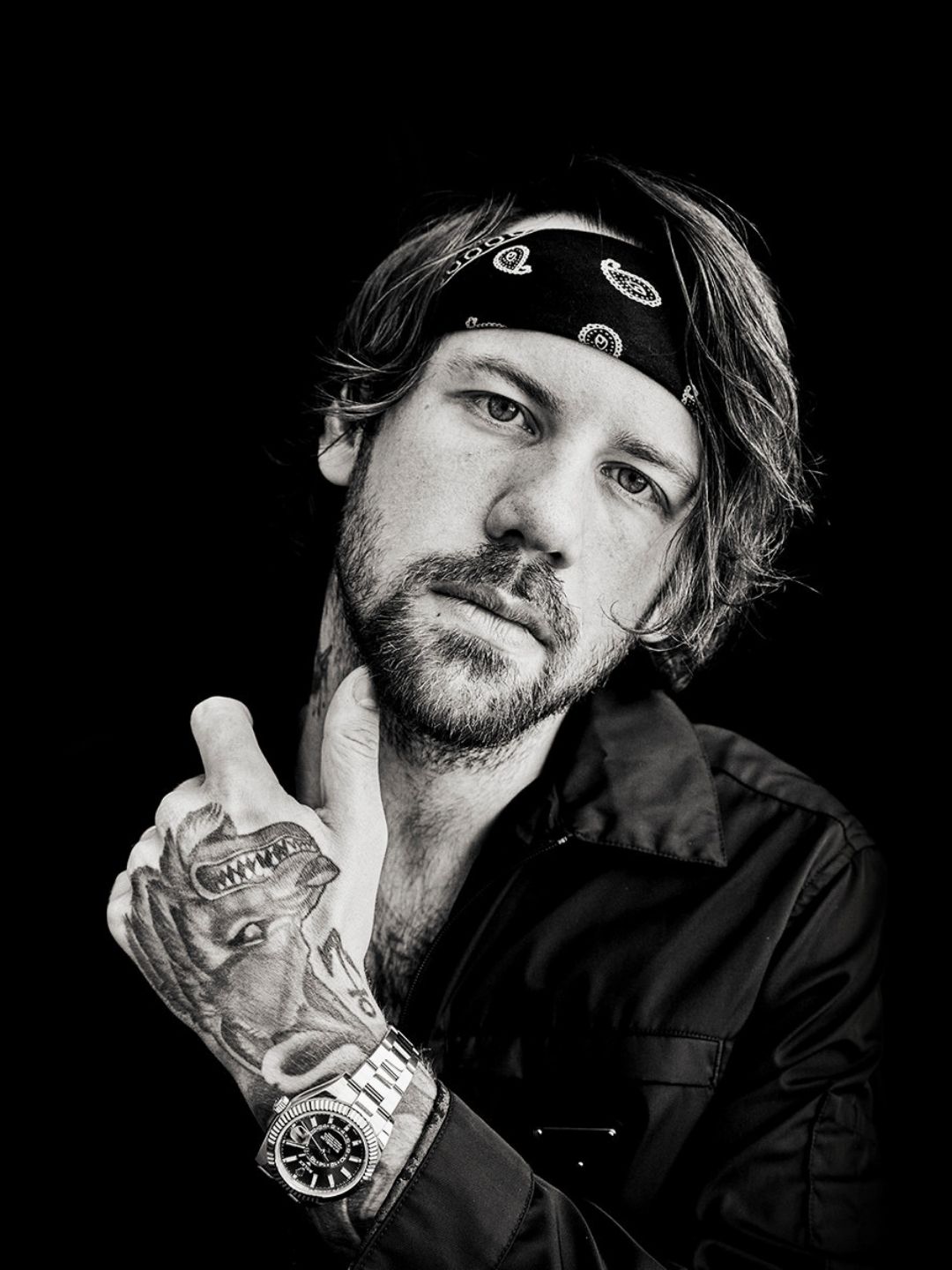
Now he has shared another deeply personal truth.

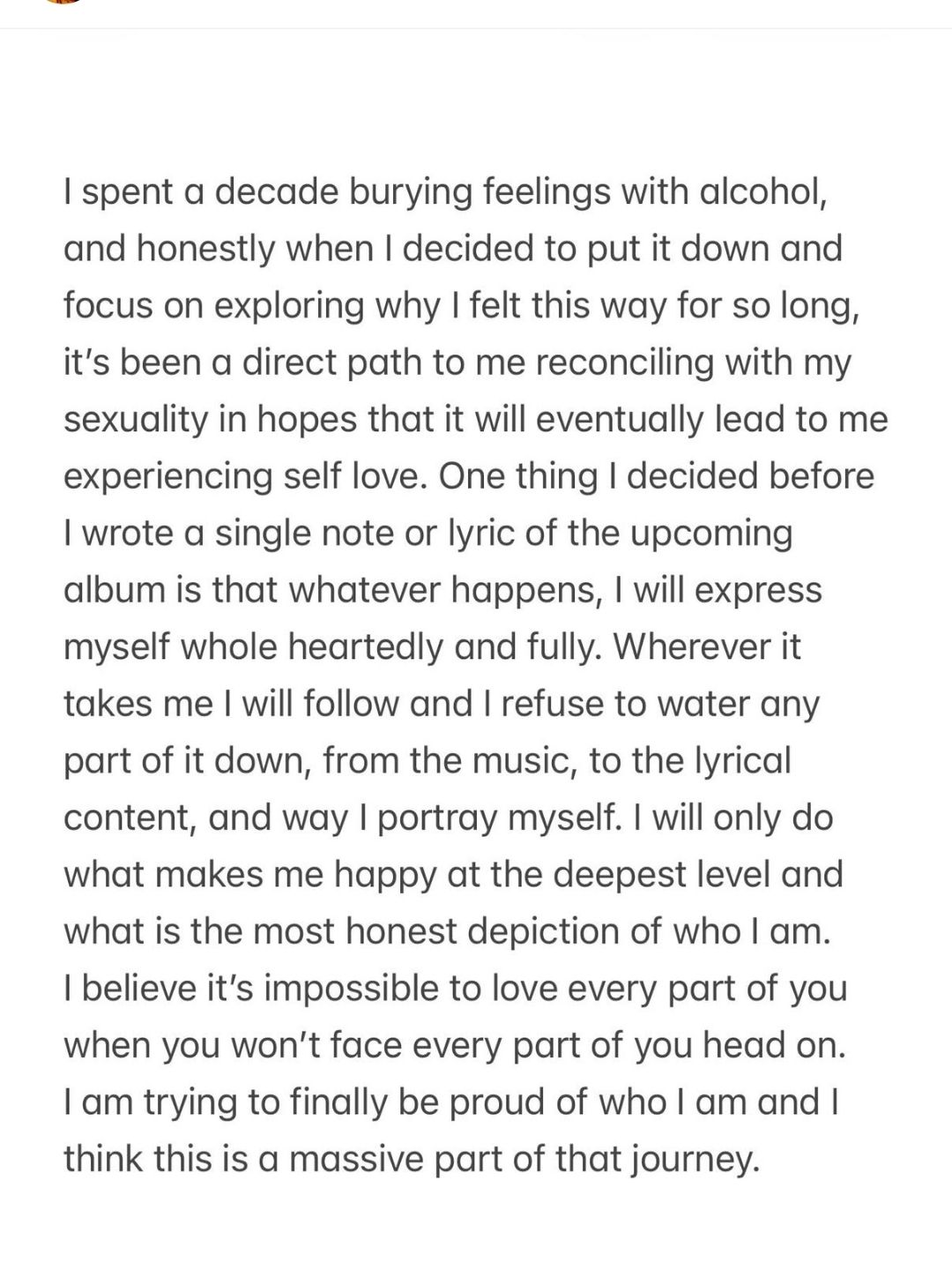
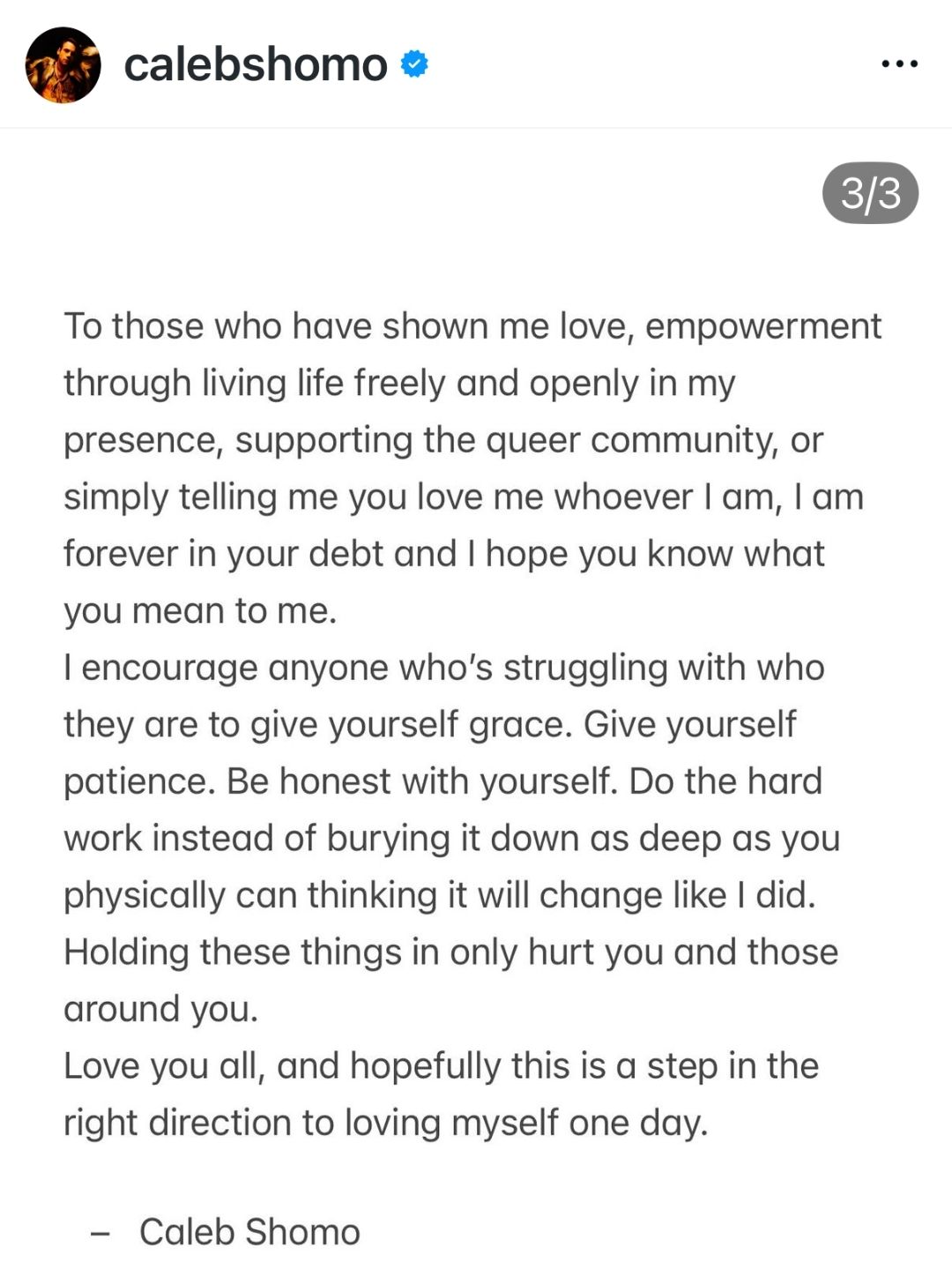
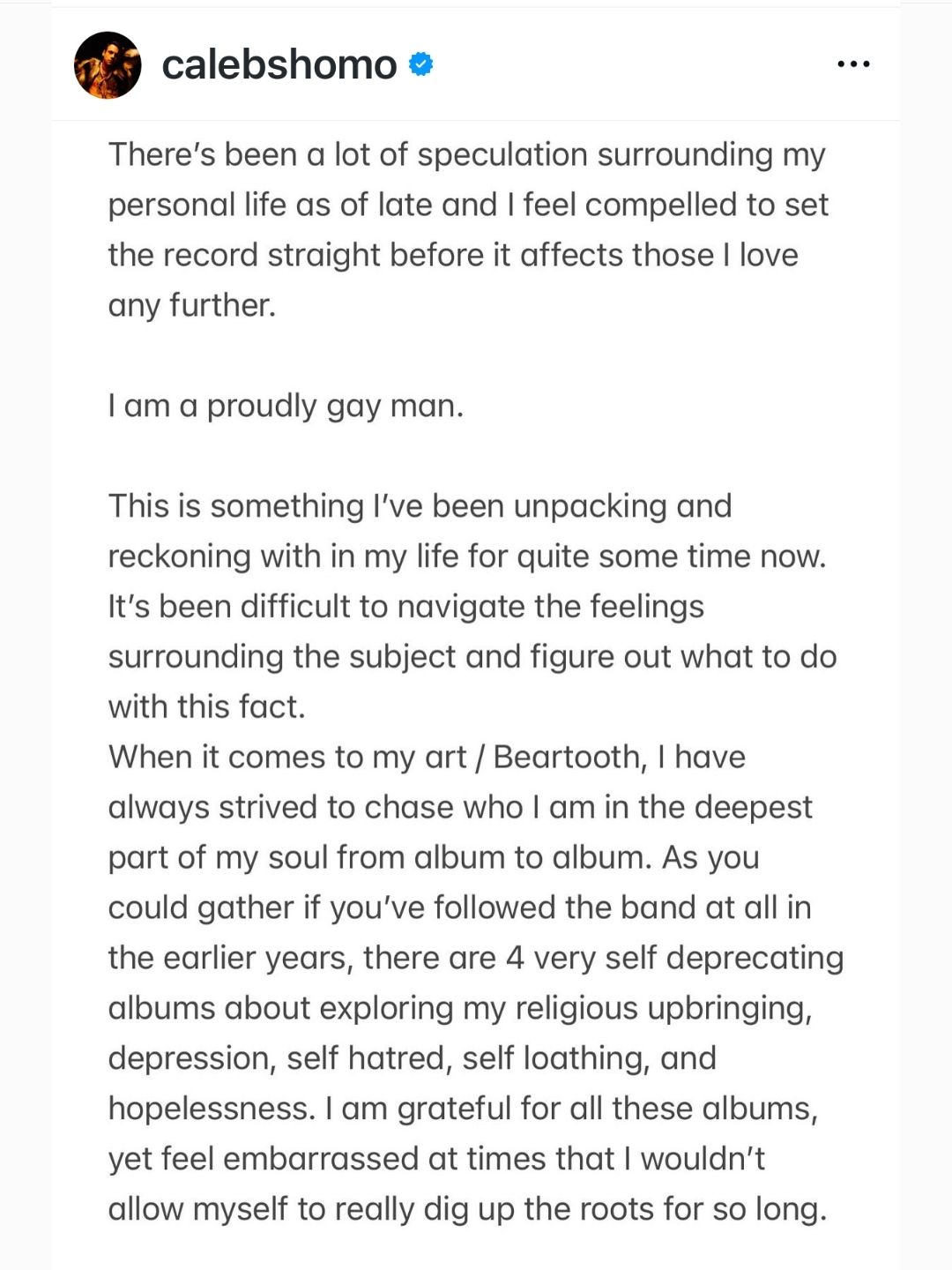
Shomo has publicly come out as a proudly gay man in an emotional statement that is already resonating with fans.

In his message, he explained that this was something he had been unpacking internally for a long time.

He also reflected on how that internal struggle shaped earlier chapters of his music.
That makes this story feel especially powerful.

Because Beartooth was never built around emotional distance.

It was built around brutal vulnerability.

Still, queer visibility in heavy music can feel complicated.

Rock and metal spaces have evolved significantly over the years, but they have not always felt especially welcoming to openly LGBTQ+ artists.

That context matters.

When queer artists come out in pop spaces, the cultural conversation can look very different than when it happens in scenes built around hypermasculinity, aggression, and traditionally rigid expectations.

That is part of why this moment will resonate so strongly with some fans.

It is not just about celebrity identity news.

It is about cultural visibility in a scene where many queer fans have not always felt particularly seen.

Shomo also linked his journey to sobriety and self-acceptance, framing this as part of a larger personal transformation rather than an isolated announcement.

That emotional framing gives the moment additional depth.

This is not someone presenting a neat publicity reveal.

It feels much more like someone continuing a long, messy conversation with himself and his audience.

And honestly, that feels extremely on brand for Beartooth.

For LGBTQ+ heavy music fans, stories like this matter because representation in unexpected spaces matters.

Not every queer cultural milestone arrives in obvious places.

Sometimes it arrives through screaming guitars, emotional breakdowns, and someone finally saying the thing they were not ready to say before.

📸 IG: @calebshomo
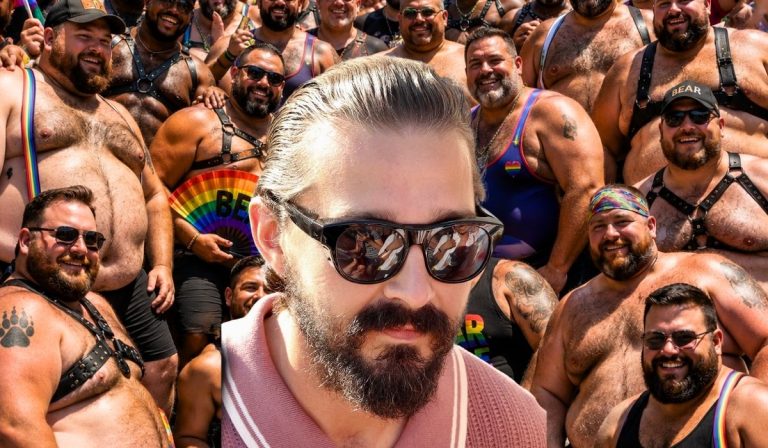
Shia LaBeouf now faces formal charges after Mardi Gras altercation involving alleged anti-gay slurs

0

Shia LaBeouf is back in headlines after prosecutors formally filed charges connected to the Mardi Gras altercation that drew attention far beyond ordinary celebrity scandal (Page Six).

The actor is facing misdemeanor battery charges following the February incident in New Orleans.

On its face, that might read like another celebrity bar fight story.

But for many LGBTQ+ observers, the details made it something else entirely.

According to police reports and witness accounts, anti-gay slurs were allegedly used during the confrontation.

That shifted the story into much uglier territory.

Celebrity misconduct stories often become tabloid spectacle.

This one also raised questions about homophobia, accountability, and the way public figures explain harmful behavior.

LaBeouf later attempted to explain his actions in public comments that drew additional criticism rather than calming the situation.

In an interview with YouTube’s Channel 5 after the incident, he claimed he acted out of fear of the LGBTQ+ community, stating, “I’ll be honest with you, big gay people are scary to me”.

The legal process will now continue through the courts.

As always, formal charges are not convictions.

But the allegations themselves were serious enough to resonate beyond celebrity gossip.

For LGBTQ+ audiences, anti-gay hostility does not become less ugly because the person involved is famous.

If anything, public visibility can make moments like this feel even more culturally loaded.

Celebrity scandals come and go quickly.

But stories involving alleged anti-LGBTQ hostility tend to land differently.

Because beneath the tabloid framing is something much more familiar.

The reality that casual anti-gay aggression still exists in public spaces.

Ricky Martin’s concert was interrupted by tear gas, but he still returned to finish the show

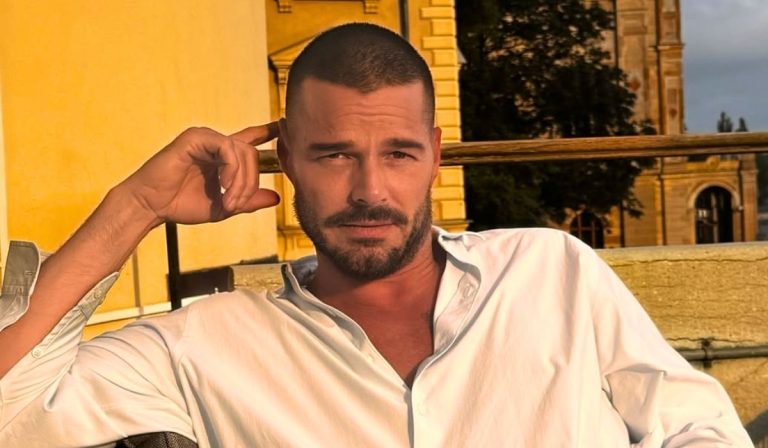
Ricky Martin’s European tour opener took a frightening turn when someone reportedly discharged tear gas during his concert in Montenegro.

The Puerto Rican superstar was performing in Podgorica when the incident forced an abrupt halt to the show.

Audience members reportedly moved away from the affected area while receiving assistance.

Ricky Martin and his team were immediately evacuated as a safety precaution (People).

That alone would have been enough to end the night for most performers.

But according to statements from his team, that was not the end of the story.

Once local authorities confirmed the situation was under control and attendees could safely return, Martin reportedly chose to resume the performance despite advice from members of his team not to continue.

That decision has understandably sparked strong reactions from fans.

Some see it as commitment.

Others see it as intense pressure embedded in live performance culture.

Either way, it was a deeply unsettling situation.

For LGBTQ+ audiences, there is also an extra emotional layer.

Ricky Martin is not simply another pop star.

He remains one of the most globally recognizable openly queer Latin artists in modern entertainment history.

His coming out in 2010 was a major cultural moment.

Since then, his visibility as a queer public figure has carried meaning for many LGBTQ+ fans around the world.

That makes frightening incidents like this feel especially personal for some supporters.

Thankfully, Martin and his team have confirmed they are safe and his tour is continuing as planned.

Still, the image of a performer being forced offstage because of tear gas is difficult to shake.

And the fact he chose to return only makes the story more surreal.

📸 IG: @rickymartin

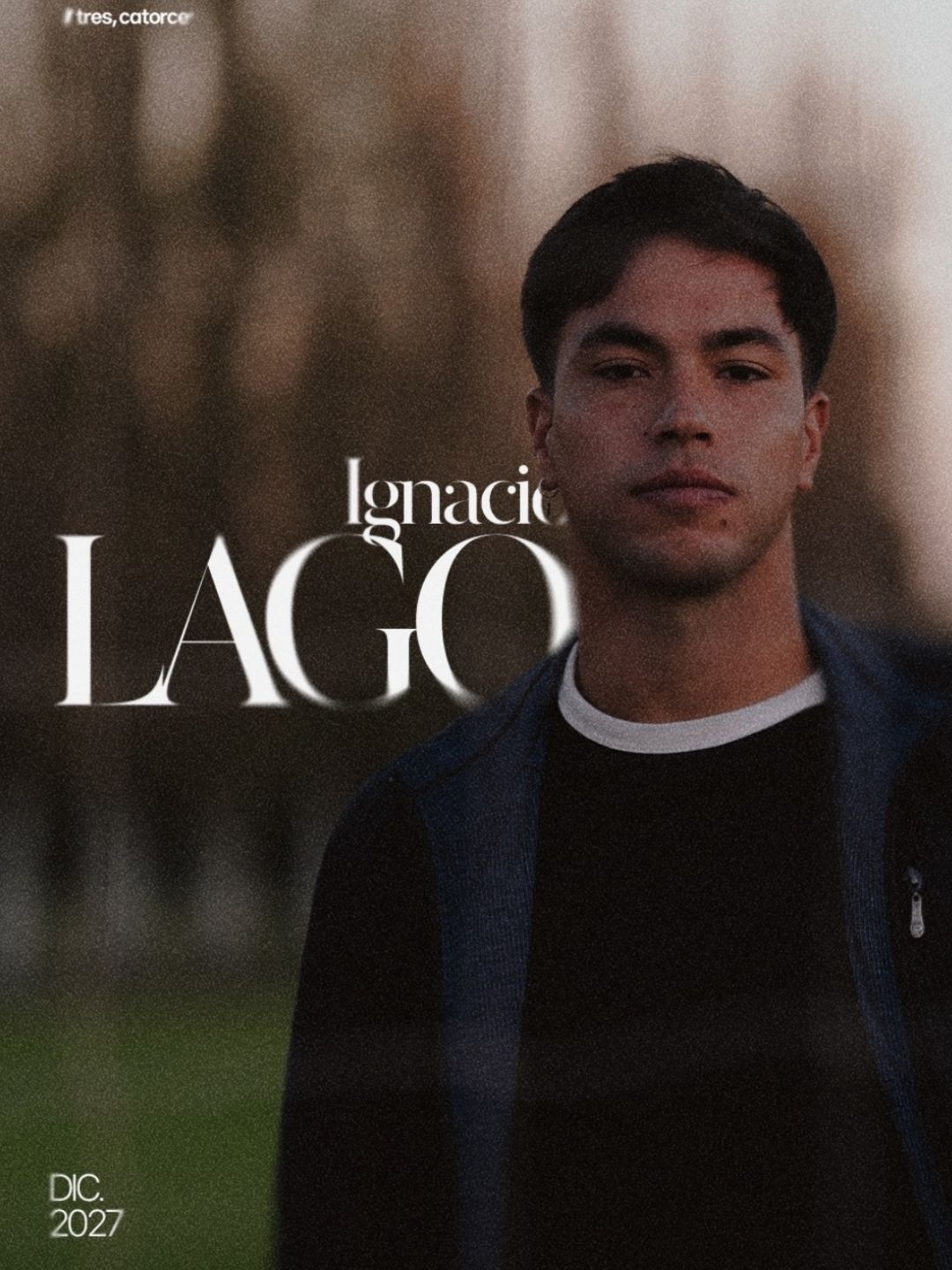
Nacho Lago’s gay football breakthrough just got an excellent sequel

A few weeks ago, Argentine footballer Nacho Lago became one of the most unexpectedly joyful LGBTQ+ sports stories of the year.

Now the story has an even better follow-up.

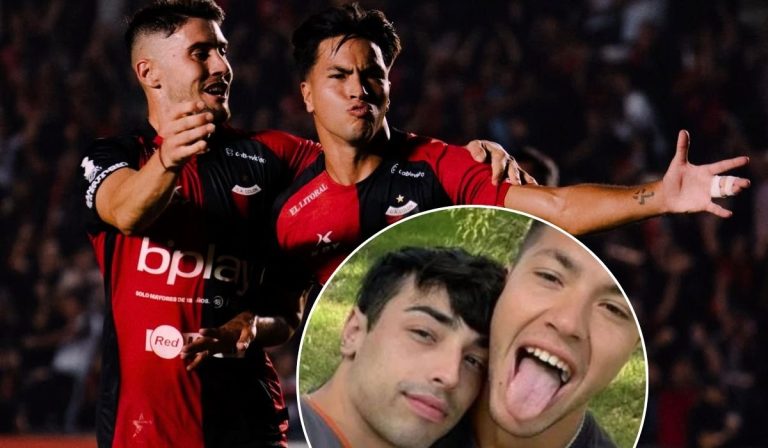
The 23-year-old Club Atlético Colón forward has signed a new contract after a breakout stretch that has seen him become one of the top scorers in Argentina’s Primera Nacional.

For most football fans, that would already be a strong season.

But Nacho’s story carries extra meaning.

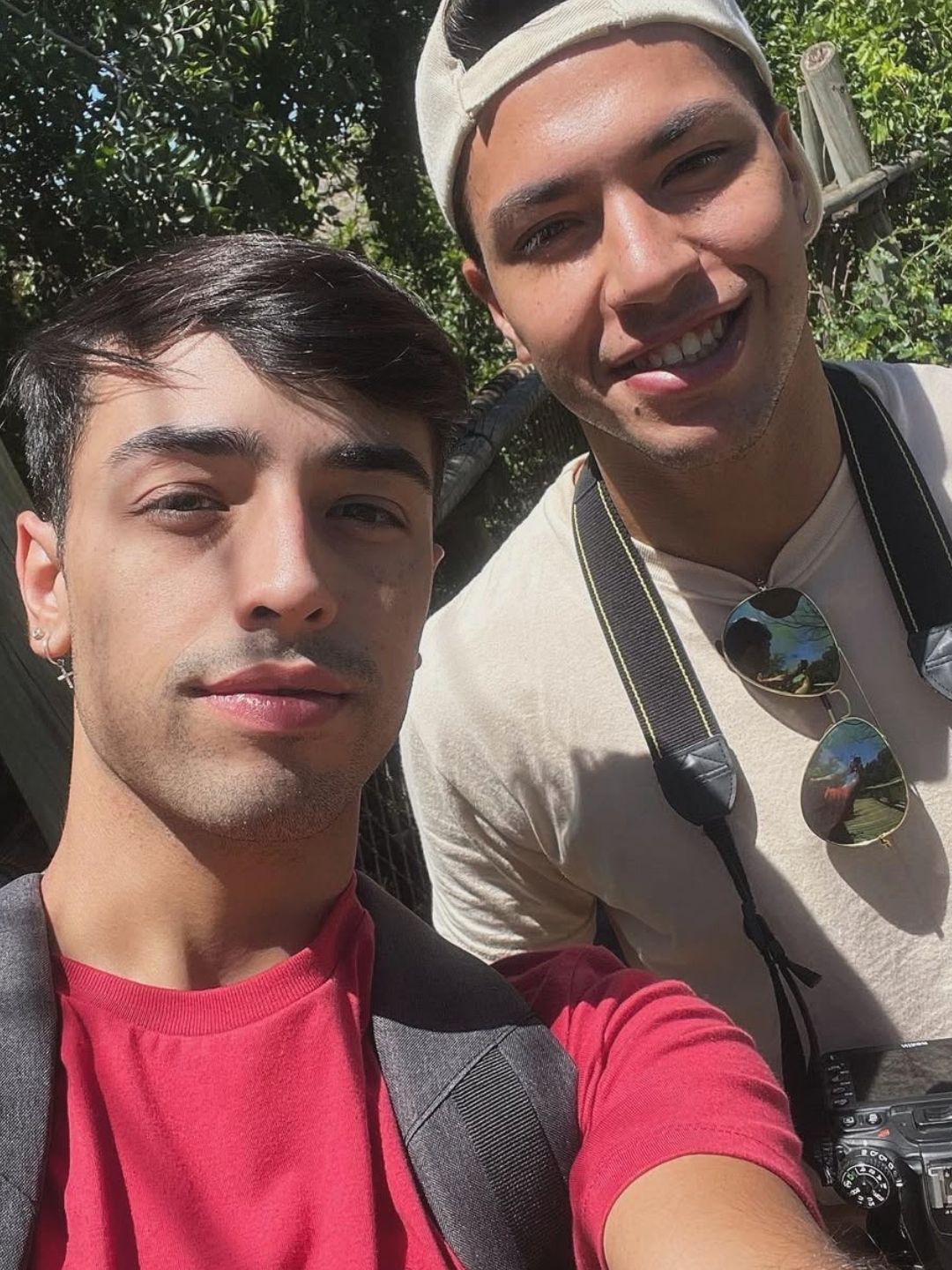
Earlier this year, a sweet video message from his boyfriend went viral, catapulting him into international headlines and effectively making him the first openly gay active professional male footballer in Argentina.

That alone was remarkable.

Men’s football remains one of the most notoriously difficult environments for openly gay players.

Even in 2026, openly gay male professionals remain extremely rare globally.

That makes visibility stories like this feel disproportionately meaningful.

What makes Nacho’s story especially refreshing is that it has not followed the script many people feared.

No career implosion.

No quiet disappearance.

No awkward distancing.

Instead, he has kept scoring.

Kept thriving.

And now secured his future with Colón.

According to Outsports, Nacho described feeling “complete happiness” after signing the new deal.

That emotional framing matters.

Because queer sports stories are often told through trauma.

Fear of rejection.

Locker room anxiety.

Public backlash.

Silence.

Those realities are still very real.

But progress also deserves its own headlines.

A young gay footballer succeeding publicly while being supported by fans and still openly connected to the person he loves is exactly the kind of representation many people once struggled to imagine.

Football still has serious work to do around LGBTQ+ inclusion.

But stories like this make it just a little harder to argue that queer visibility and sporting success cannot coexist.

📸 IG: @ignaciolagoo @gonzalohuser

After surviving CECOT, gay asylum seeker Andry Hernández Romero says he finally feels safe

0

Sometimes the most devastating part of a story is its simplest sentence.

“I feel safe here.”

That is what Venezuelan makeup artist Andry José Hernández Romero reportedly said after arriving in Spain to seek asylum (Guardian).

For most people, those words might sound ordinary.

For him, they are extraordinary.

Hernández Romero originally fled Venezuela after facing persecution as a gay man and because of his political views.

He sought asylum in the United States hoping for protection.

Instead, his journey became an international human rights story.

He was deported to El Salvador’s infamous CECOT mega-prison after U.S. authorities allegedly linked him to gang activity.

Much of that suspicion reportedly centered on crown tattoos, which Hernández Romero and supporters said reflected family and cultural symbolism rather than criminal affiliation.

His case became emblematic of the human consequences of aggressive immigration enforcement.

Images of detainees being processed inside CECOT shocked people around the world.

Human rights groups later raised serious concerns about abuse, mistreatment, and due process failures involving deportees held there.

Hernández Romero was eventually released and briefly returned to Venezuela.

But safety remained fragile.

Now he has reportedly started over yet again, this time in Spain.

Stories like this often become flattened into political argument.

Immigration policy.

Border security.

Legal process.

International diplomacy.

All of those conversations matter.

But for LGBTQ+ people, there is often another reality beneath them.

The reality of what it means when simply existing openly can place you in danger.

Seeking asylum is not usually about adventure.

It is about survival.

That is what makes Hernández Romero’s story hit so hard.

Because whatever people believe politically, the emotional truth remains difficult to ignore.

A gay man fled fear.

Was treated like a threat.

Survived something horrific.

And now measures hope in four simple words.

“I feel safe here.”

📷 Immigration Defenders Law Center