
Sally Field Shares a Funny and Surprisingly Sweet Story About Her Gay Son

0

Sally Field is looking back warmly on her experience filming the beloved 1989 classic Steel Magnolias.

But one particular memory from the set is now attracting major attention online for a very different reason.

During a recent interview with People, the Oscar-winning actress revealed that her son Samuel has long joked that being around the film’s legendary cast as a baby “probably made him gay.”

Field explained that Sam was only around six months old while she filmed the movie and frequently spent time on set surrounded by the cast.

That cast included some of Hollywood’s most iconic women, including Dolly Parton, Julia Roberts, Shirley MacLaine, Olympia Dukakis, and Daryl Hannah.

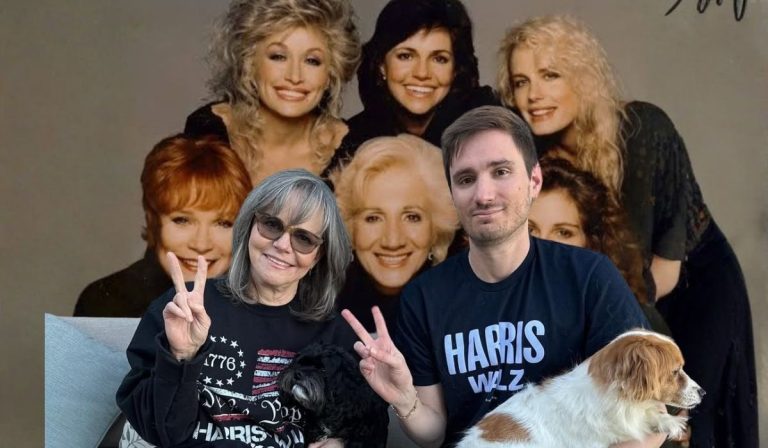
Field recalled keeping a favorite photo from the film’s wrap party in her office.

The image shows her holding baby Sam while the cast celebrates around them.

According to Field, Sam now jokingly points to that environment as the explanation for his sexuality.

The comment immediately resonated with LGBTQ+ audiences online, partly because Steel Magnolias has occupied a surprisingly important place in queer culture for decades.

Although not specifically an LGBTQ+ film, the movie became beloved within many gay communities because of its emotional intensity, iconic performances, camp humor, and celebration of chosen emotional support systems.

The film’s sharp dialogue and deeply emotional scenes also helped it become endlessly quotable.

Over time, it developed the kind of long-term queer fandom often associated with classic female ensemble films.

At the center of the current reaction, however, is also Sally Field herself.

Field has spent years publicly supporting her son and speaking positively about his identity.

In a widely praised speech at the Human Rights Campaign National Dinner in 2012, she described Sam as “glorious, smart, funny, sweet” and emphasized that his identity was never something chosen or forced.

That visible support has remained meaningful to many LGBTQ+ fans over the years.

Sam Greisman later became a writer and producer himself.

He has occasionally spoken publicly about growing up around Hollywood productions and maintaining a close relationship with his mother.

In one essay, he even revealed that a deeply personal conversation he once had with Field about his queerness later inspired dialogue in one of her acting projects.

The latest story about Steel Magnolias therefore landed as both funny and unexpectedly touching.

For many fans, the image of baby Sam growing up surrounded by Sally Field, Dolly Parton, and Julia Roberts feels less like ordinary childcare and more like an accidental queer cultural baptism.

And honestly, many people online seem fully convinced the movie probably did have something to do with it.

📷 IG: @ Samg1287 @Sallyfield / Tri Star Pictures
Duncan James Gives Fans a Surprisingly Wholesome Relationship Update

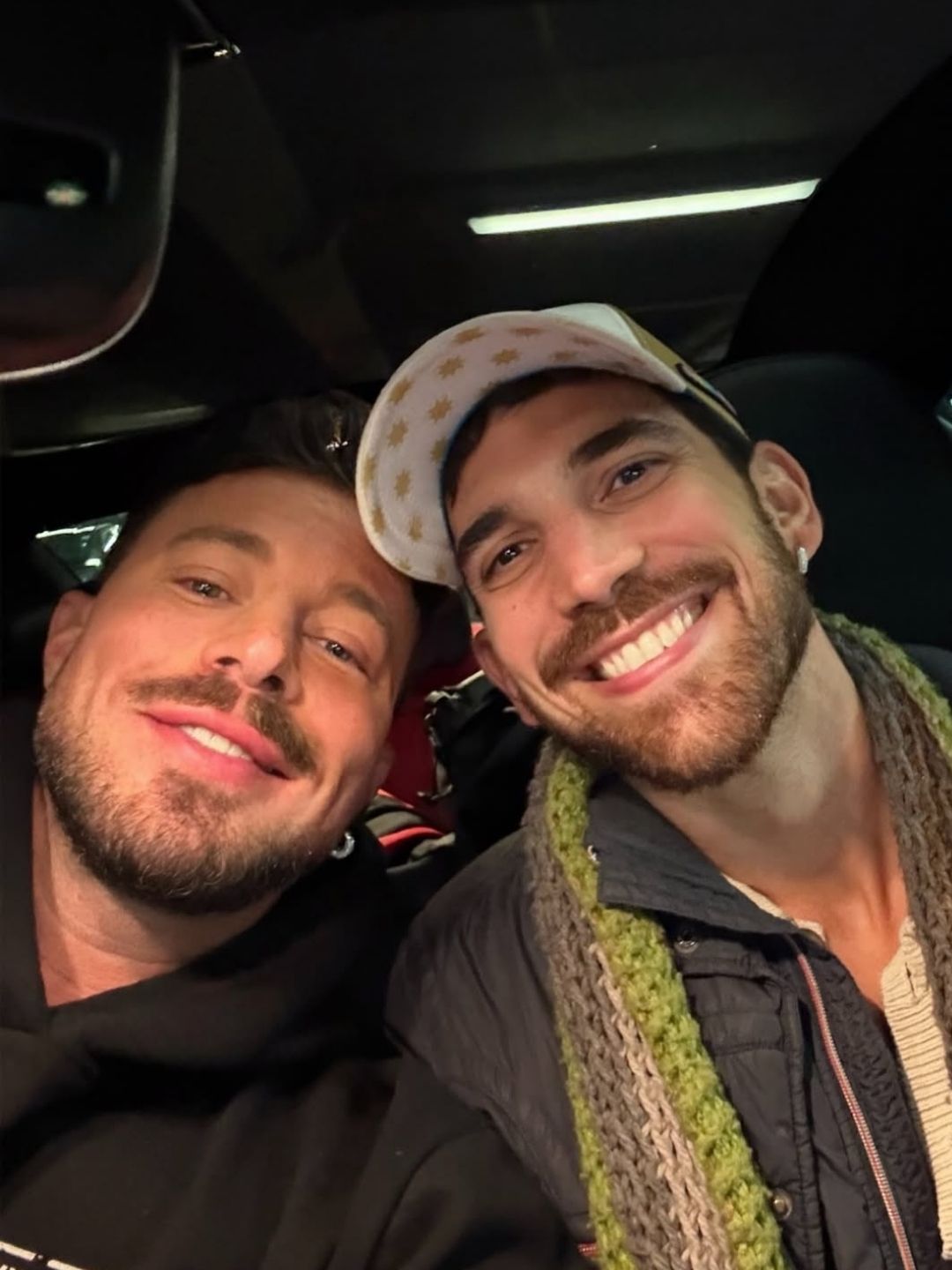
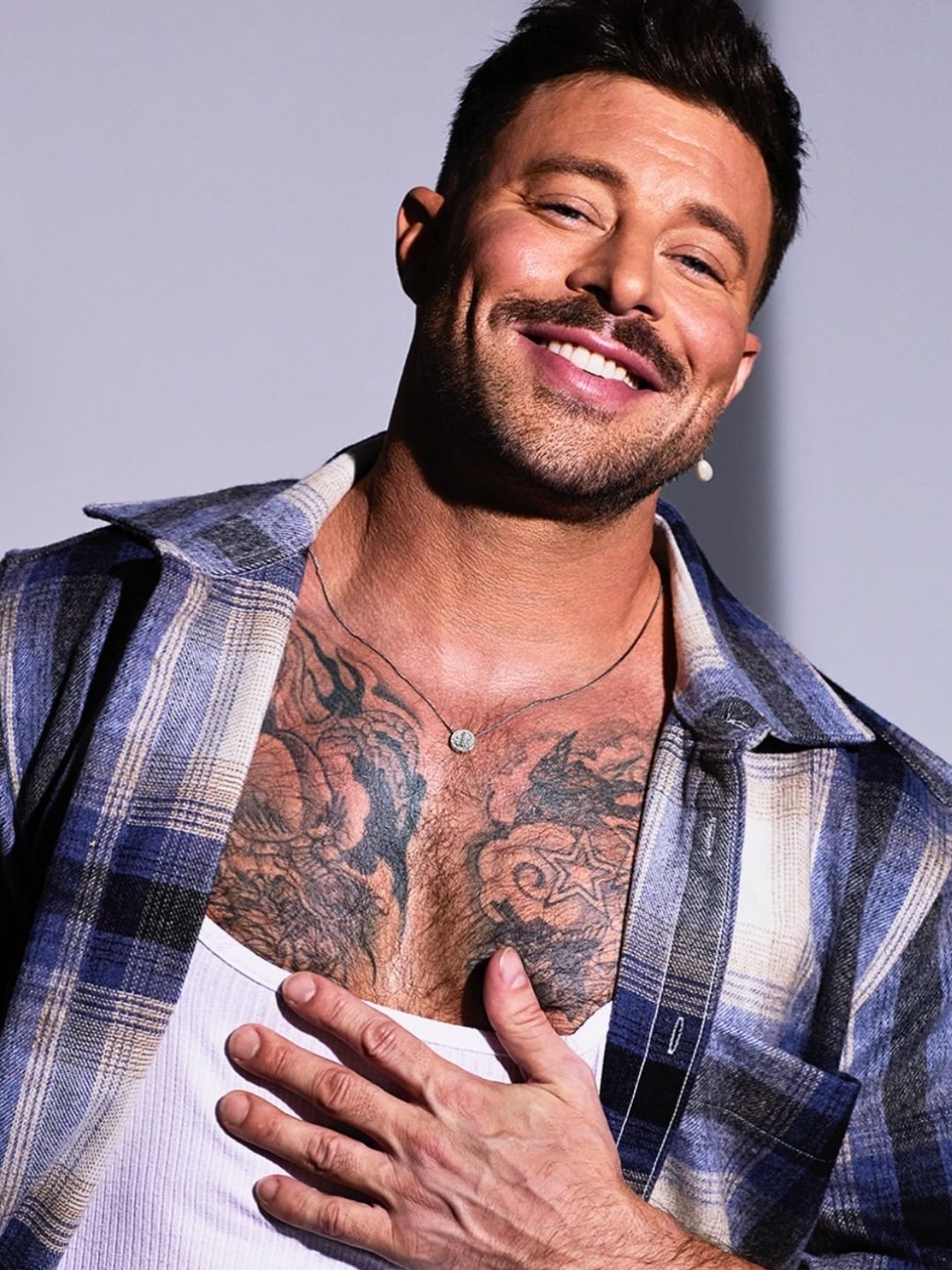
Duncan James has shared a personal update about his home life that many fans are describing as unexpectedly sweet.

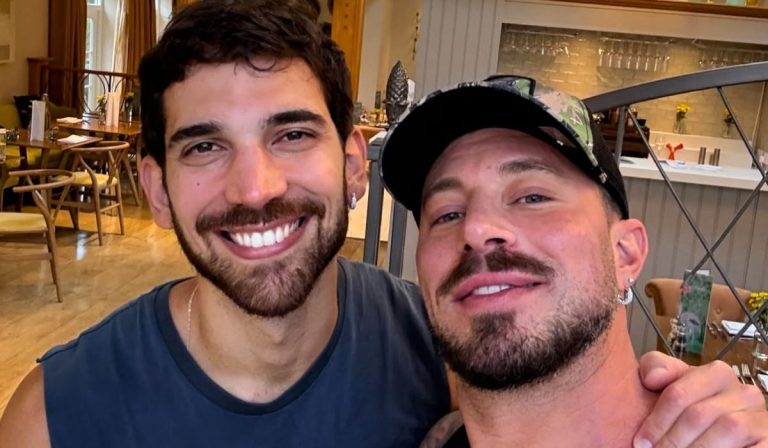
The Blue singer recently revealed that his boyfriend, Alexandre Roque, has moved into the house he shares with his mother.

Rather than presenting the arrangement as awkward or temporary, James described it as something that has worked naturally for everyone involved.

According to him, Alexandre has integrated comfortably into the household and developed a positive relationship with his mother.

The story immediately attracted attention online because it felt notably different from the polished celebrity relationship narratives audiences often see.

Instead of luxury escapes or carefully managed social media branding, the situation sounded grounded and familiar.

James has spoken openly for years about the importance of family in his personal life.

After publicly coming out as bisexual in 2009 and later discussing his sexuality more openly in interviews and documentaries, he frequently emphasized how meaningful acceptance and support from loved ones became.

His relationship with his mother has remained especially visible throughout that journey.

Fans have also followed James’ long path toward feeling more comfortable discussing identity and relationships publicly.

As one of the members of the hugely successful boy band Blue, he came of age during a period when many male pop stars still faced intense pressure around public image and sexuality.

Over time, however, James became increasingly open about his experiences, eventually emerging as one of the more visible LGBTQ+ figures connected to early-2000s British pop culture.

His relationship with Alexandre has similarly attracted positive attention because of its relatively low-key and authentic presentation online.

Rather than constantly performing the relationship for social media, the couple typically shares smaller and more casual glimpses into daily life together.

That dynamic appears to be part of why this latest story resonated so strongly with audiences.

Many people online described the living arrangement as comforting, mature, and emotionally healthy.

Others joked that surviving daily life with both a partner and a parent under one roof might actually be the ultimate relationship test.

At the center of the reaction, however, is a broader emotional theme.

The story reflects a version of queer adulthood that feels stable, domestic, and deeply ordinary.

For many LGBTQ+ people who grew up without seeing those kinds of family dynamics represented publicly, that ordinariness can still feel quietly meaningful.

And in Duncan James’ case, fans seem genuinely happy to see him building a life that appears calm, supported, and emotionally grounded.

📷 IG: @mrduncanjames

Alan Carr Says He’s Done With Dating — Unless It’s a Handsome Scottish Man in a Kilt

Alan Carr has opened up once again about dating, relationships, and the emotional exhaustion that can come with trying to find love later in life.

In a recent interview with The Telegraph, the British comedian and television personality admitted that he feels increasingly disillusioned with modern romance and dating apps.

Carr bluntly declared that he had “no more romance” left in him and jokingly announced that the “shop’s closed” when it comes to sex and relationships.

The comments immediately attracted attention online, partly because of the mixture of humor and emotional honesty that has long defined Carr’s public persona.

Although the comedian framed many of his remarks as jokes, fans recognized a more vulnerable layer underneath them.

Carr separated from his husband Paul Drayton in 2022 after more than a decade together.

The breakup became widely discussed in British media at the time, particularly because the couple had often appeared publicly together and were considered one of the UK’s most recognizable same-sex celebrity couples.

Since then, Carr has occasionally spoken about loneliness, relationships, and the challenge of returning to dating.

In the latest interview, he specifically mentioned feeling overwhelmed by dating apps and modern dating culture.

At the same time, his comments never fully abandoned the possibility of romance.

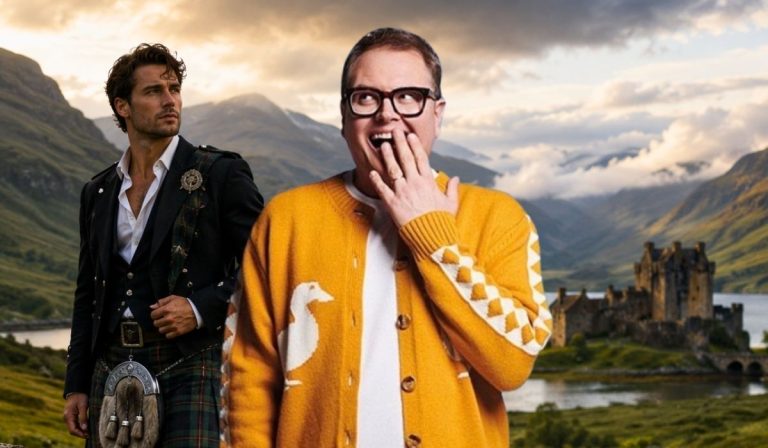
Almost immediately after insisting he was “done,” Carr joked that he might reconsider if “some fit Scottish man in a kilt” suddenly appeared and swept him away.

That contradiction is likely part of why audiences connect so strongly with him.

Carr has built much of his career around balancing exaggerated comedy with visible emotional sincerity.

Over the years, he became one of Britain’s most recognizable openly gay television personalities through shows such as Alan Carr: Chatty Man, his comedy tours, and more recently his renovation series with Amanda Holden.

Unlike many celebrity personalities built around glamour or distance, Carr’s public image has always felt unusually approachable.

Fans often describe him as chaotic, self-deprecating, and emotionally transparent in ways that feel relatable rather than heavily curated.

That authenticity appears to be part of why his latest comments resonated so widely online.

Many LGBTQ+ viewers especially identified with the frustration he described around dating apps, emotional burnout, and the complicated relationship between cynicism and hope.

Even while claiming he has given up on romance, Carr still speaks about love like someone who has not entirely stopped believing in it.

And for many fans, that emotional contradiction feels deeply familiar.

📷 IG: @chattyman / (AI background)

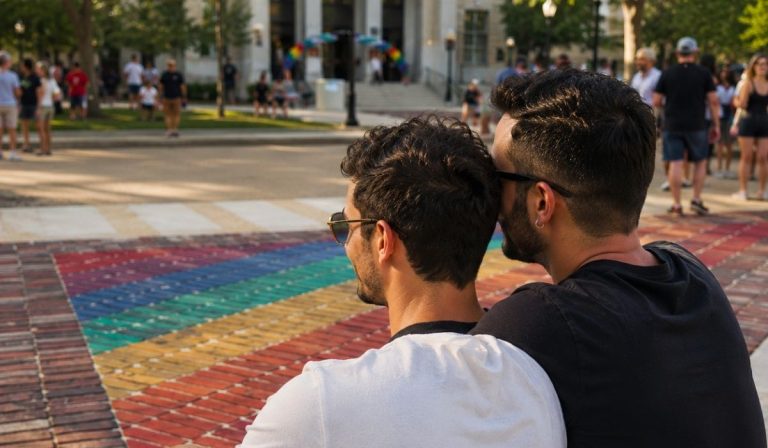
Rainbow Crosswalk Bricks Find a New Home in Gainesville

The city of Gainesville, Florida has found a new use for the rainbow bricks that once formed its downtown LGBTQ+ crosswalks.

Rather than discarding the materials after state officials ordered the crosswalks removed, the city incorporated the bricks into the design of its newly renovated City Hall Plaza.

The move has drawn attention as both a symbolic and practical response to ongoing political tensions surrounding LGBTQ+ visibility in public spaces (Instinct).

The original rainbow crosswalks had become well-known local landmarks.

However, in 2025 the Florida Department of Transportation warned Gainesville that non-standard roadway markings could place transportation funding at risk.

State officials argued that decorative street markings might create confusion or safety concerns for drivers.

The city subsequently removed approximately 1,900 rainbow bricks from three downtown crosswalks.

For many residents and LGBTQ+ advocates, the decision felt emotionally significant.

Rainbow crosswalks have increasingly become symbols of inclusion and visibility in cities across the United States.

At the same time, they have also become part of broader political and cultural disputes over public representation of LGBTQ+ communities.

Instead of abandoning the bricks after their removal, Gainesville officials chose to preserve them.

The materials were later integrated into the redesigned City Hall Plaza, allowing the rainbow elements to remain part of the city’s public landscape.

The decision was widely interpreted as an effort to maintain visible support for LGBTQ+ residents despite pressure from state authorities.

The story also reflects a larger trend occurring in several American cities.

Communities have increasingly searched for alternative ways to preserve LGBTQ+ visibility after restrictions targeting Pride displays or public symbols.

In some locations, rainbow imagery has been relocated from streets to parks, sidewalks, or municipal buildings.

For supporters, these efforts represent more than aesthetic choices.

They function as statements about belonging, recognition, and community identity.

The Gainesville project therefore carries significance beyond urban design alone.

By reusing the original bricks rather than replacing them entirely, the city created a direct physical connection between the former crosswalks and the new plaza space.

That continuity has resonated strongly online, where many people have described the project as a creative refusal to allow LGBTQ+ visibility to simply disappear.

In that sense, the rainbow bricks now represent both persistence and adaptation.

Even after being removed from one public space, they remain embedded within another.

Rami Malek and Ira Sachs Are Bringing a Queer Love Story to Cannes

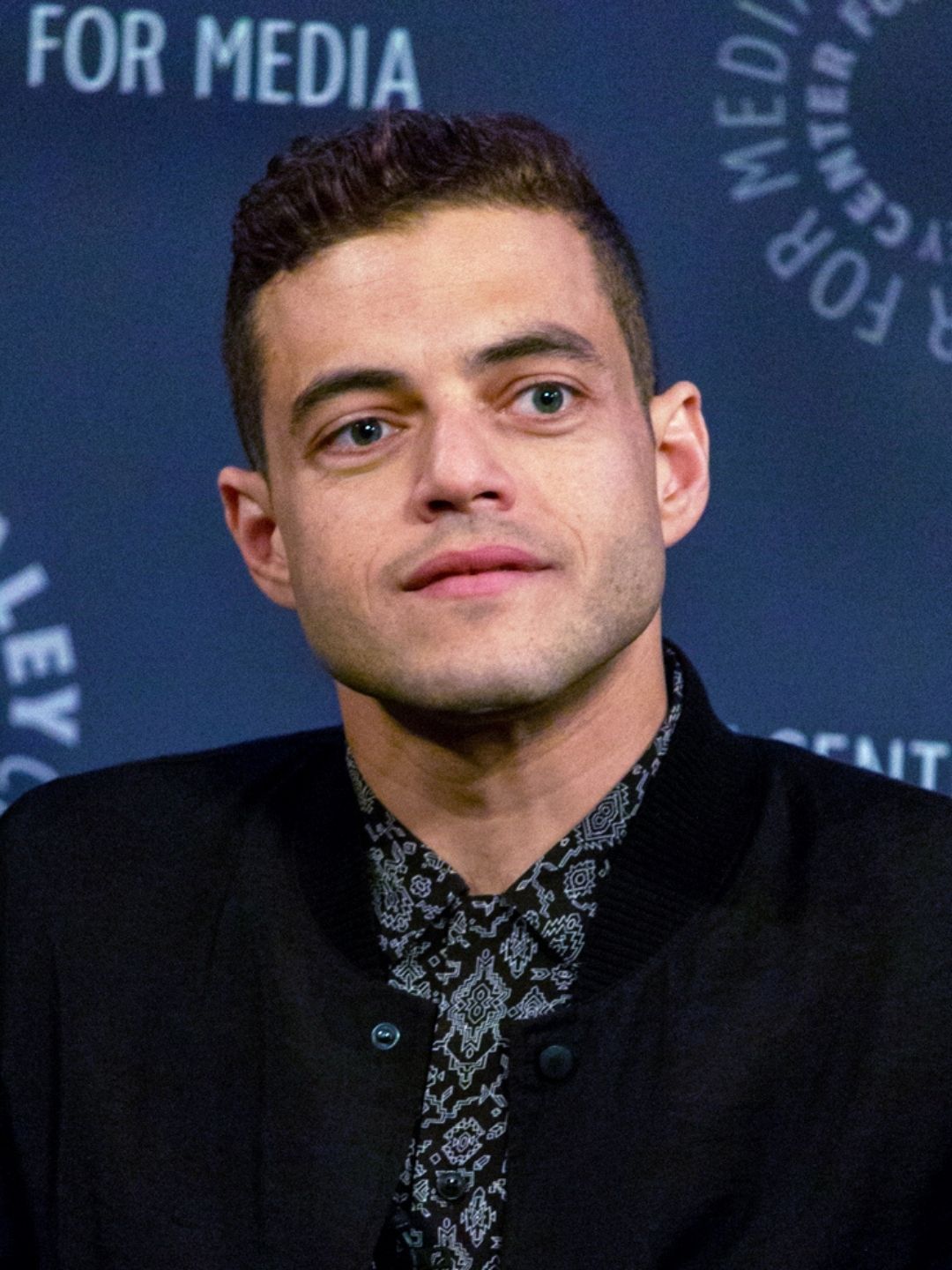
Rami Malek is set to lead one of the most anticipated queer films of the upcoming Cannes Film Festival.

The Oscar-winning actor stars in The Man I Love, the latest feature from acclaimed filmmaker Ira Sachs.

The film has officially been selected for competition at the 2026 Cannes Film Festival, placing it in contention for the Palme d’Or.

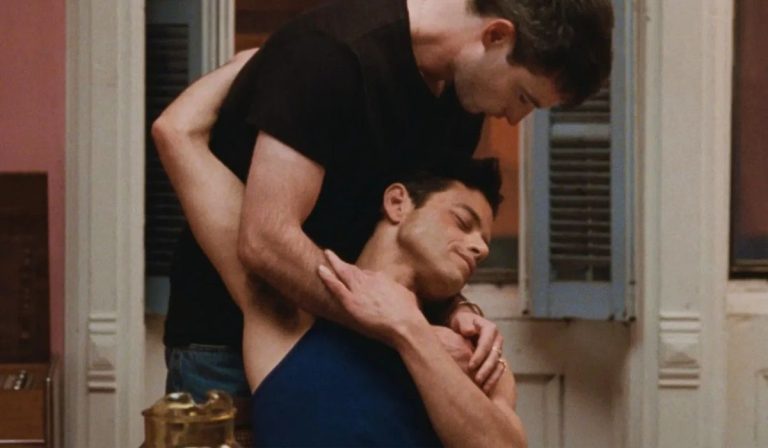
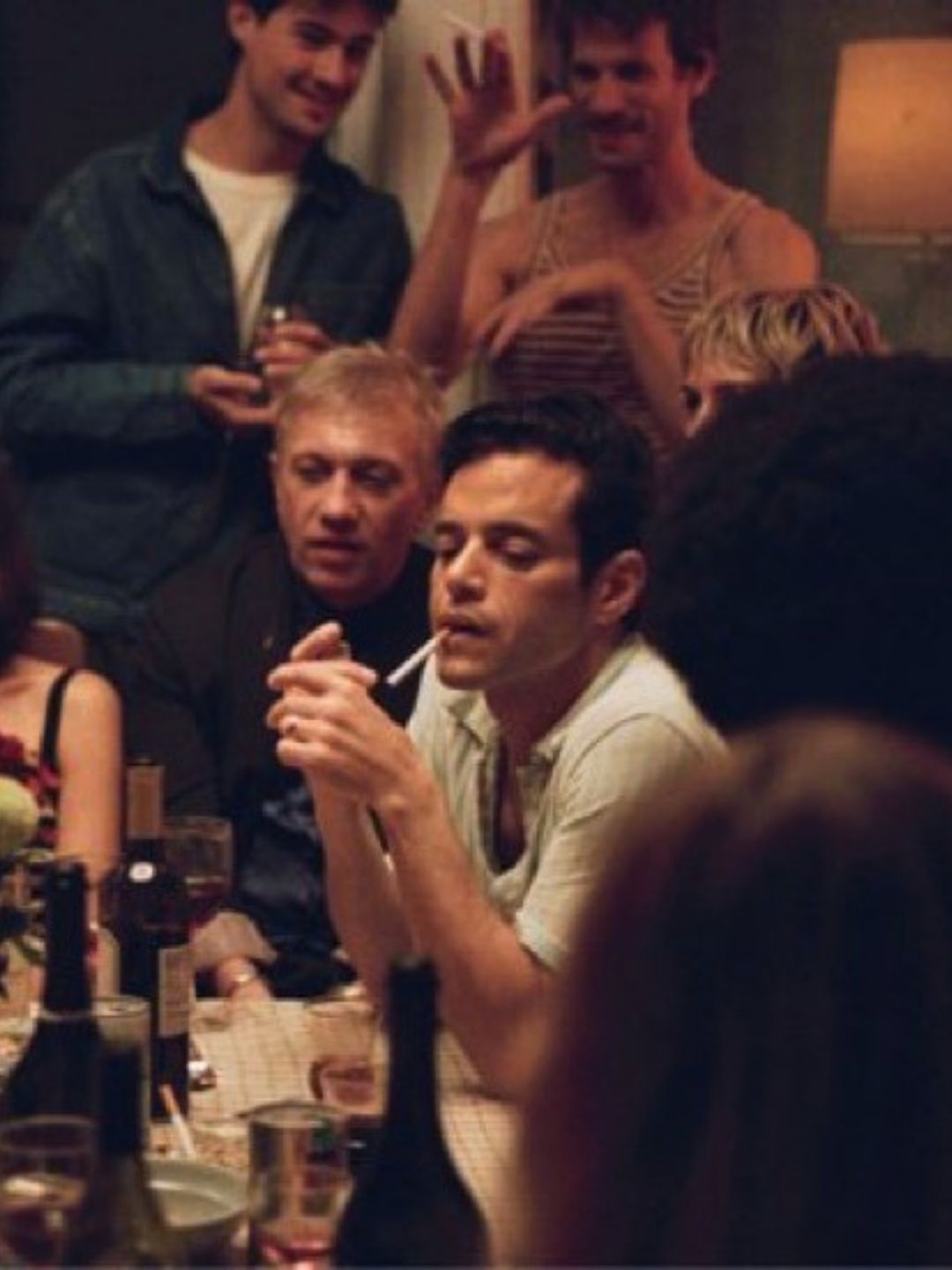
Set in late-1980s New York City during the AIDS crisis, the story follows Jimmy George, a downtown performance artist confronting illness, mortality, and the possibility of love during an emotionally charged period of his life.

The film has been described as a musical fantasia shaped around themes of beauty, creativity, intimacy, and loss (Hollywood Reporter).

Malek’s casting immediately drew attention because the role represents a notable shift from many of the tightly controlled and psychologically intense characters he has played in recent years.

Here, the focus appears to be more emotional and vulnerable.

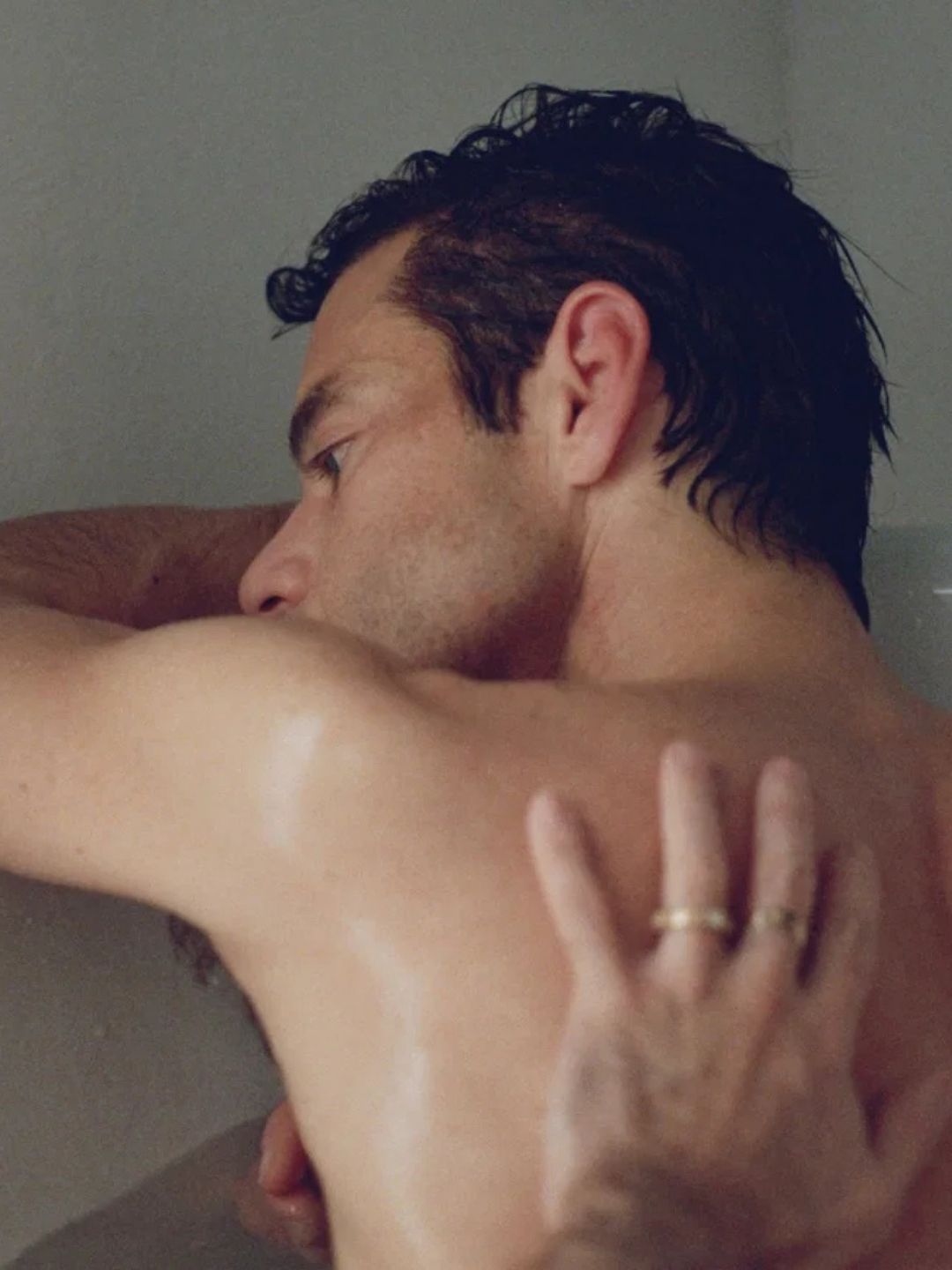
The first images released from the project suggest a visually textured portrait of New York’s queer artistic underground during a period marked by both cultural vitality and immense grief.

The film also continues Ira Sachs’ longstanding exploration of queer intimacy and relationships.

Over the course of his career, Sachs has become known for emotionally layered LGBTQ+ stories including Keep the Lights On, Love Is Strange, and Passages.

His films often avoid simplistic narratives in favor of more complicated and deeply human portrayals of desire, connection, insecurity, and emotional contradiction.

That approach has helped establish him as one of the most respected queer filmmakers currently working in independent cinema.

The Man I Love also features a cast that includes Rebecca Hall, Tom Sturridge, Luther Ford, and Ebon Moss-Bachrach.

The project arrives during a moment when queer historical storytelling continues to evolve within mainstream cinema.

Films centered around the AIDS crisis increasingly focus not only on tragedy, but also on art, romance, friendship, and the urgency of living fully in uncertain times.

That emotional complexity appears central to Sachs’ vision for the film.

The Cannes selection immediately positions the movie within the broader awards conversation for the coming year.

Festival premieres have increasingly become major launching points for prestige queer cinema, especially projects combining established filmmakers with internationally recognized actors.

For Malek, the role may represent one of the most emotionally exposed performances of his career so far.

For Sachs, it continues a body of work deeply invested in portraying queer life with nuance, tenderness, and emotional honesty.

And for audiences already reacting strongly to the film’s first images, The Man I Love is beginning to feel like one of Cannes’ most emotionally anticipated premieres.