


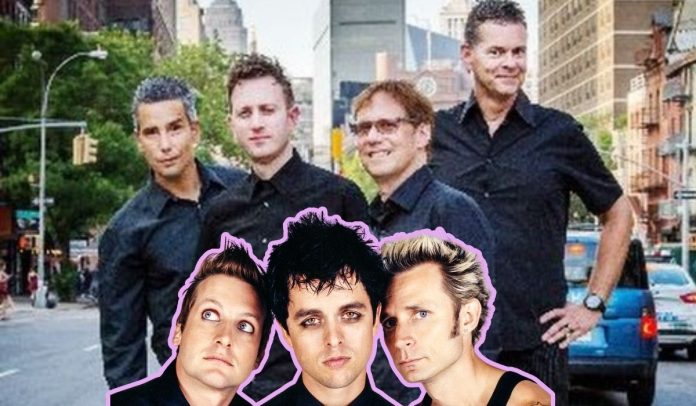

In 1994, openly gay punk band Pansy Division were touring with Green Day during the explosion of Dookie.
At a show in Fairfax, Virginia, promoter opposition suddenly turned the concert into something more than a punk bill.
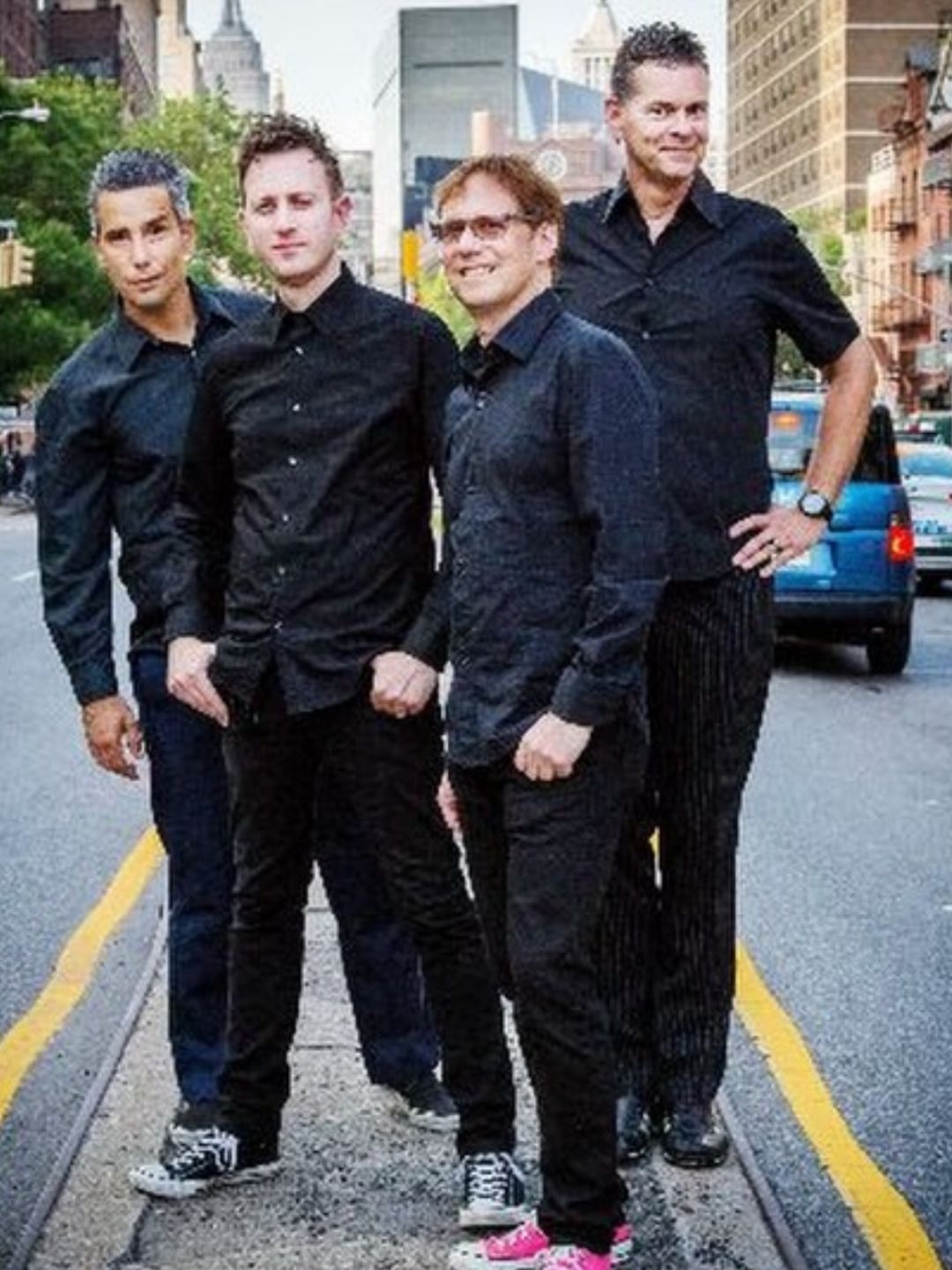
According to Pansy Division frontman Jon Ginoli, the promoter wanted to know what the band planned to sing about. When Ginoli explained that Pansy Division would be singing openly about men and gay life, the promoter tried to remove them from the show.
Green Day refused to let that happen.
“If you pull Pansy Division, we won’t play the show,” Ginoli recalled in The Ringer’s oral history of Dookie.
The promoter backed down.
No Pansy Division, no Green Day
Ginoli has also said that organizers later tried to remove Pansy Division from a concert at Madison Square Garden. Green Day reportedly gave them the same choice: allow the band to play, or lose Green Day too.
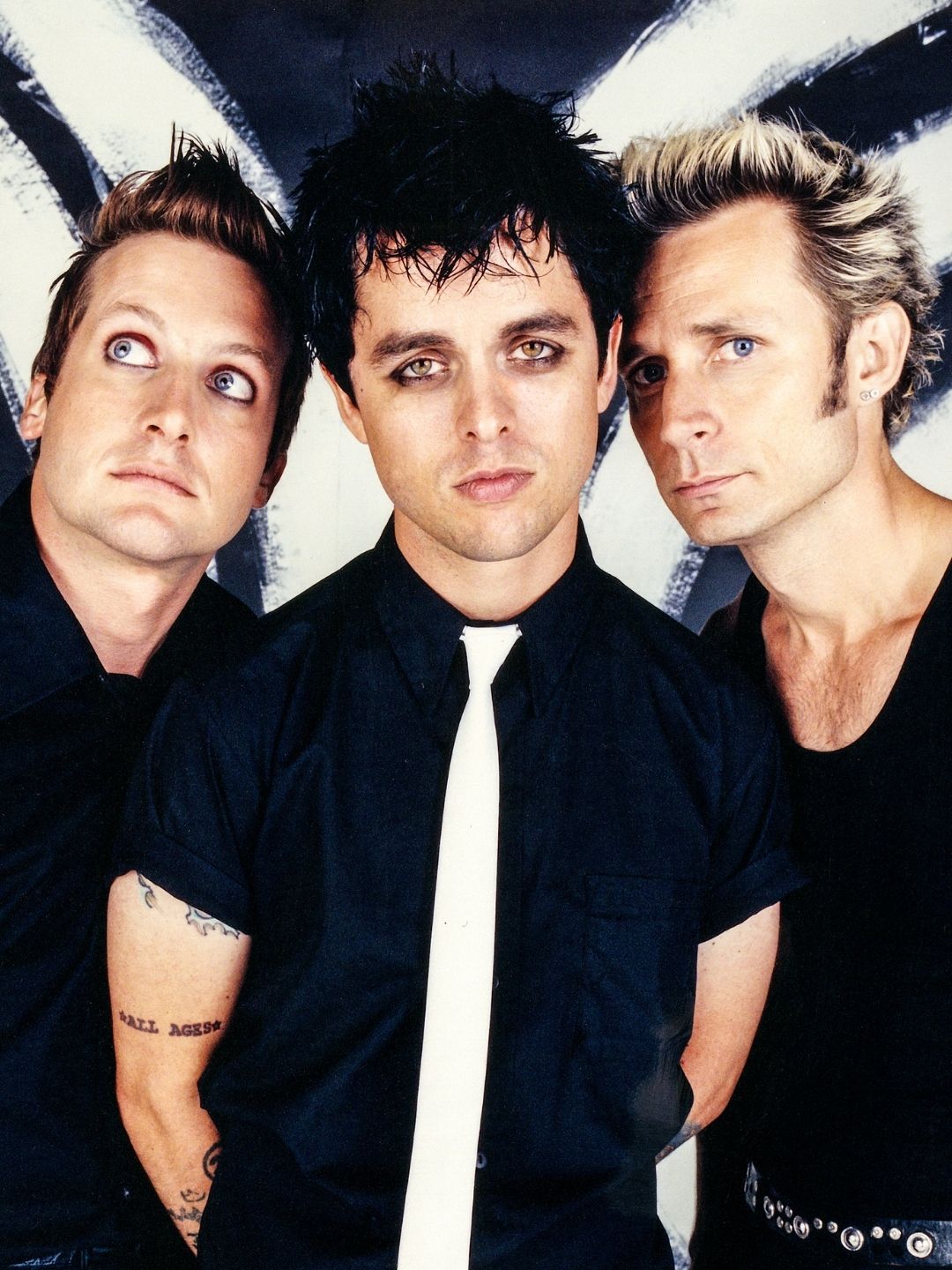
It was an unusually direct act of solidarity at a moment when Pansy Division were bringing openly gay lyrics to thousands of largely straight punk listeners.
The band had formed in San Francisco in 1991 with the intention of being an openly gay rock band. Their songs were funny, direct and deliberately impossible to mistake for coded subtext.
As the band’s own official biography explains, Pansy Division wanted to create a place for queer people who loved rock but did not see themselves reflected in its culture.
A story that still works
Pansy Division are now marking 35 years, and the story has resurfaced widely on social media.
Its appeal is not difficult to understand. A promoter saw an openly gay band as a problem. Green Day saw the attempt to silence them as a reason to put their own performance at risk.
That is the difference between symbolic support and solidarity with consequences.
Sometimes being an ally means saying: if they do not get the stage, neither do we.
📷 @pansydivisionofficial
Watch more LGBTQ+ stories on B-Gay’s YouTube channel.