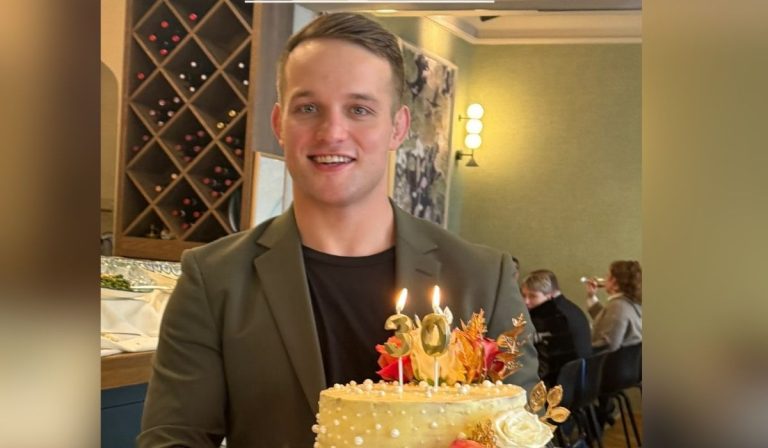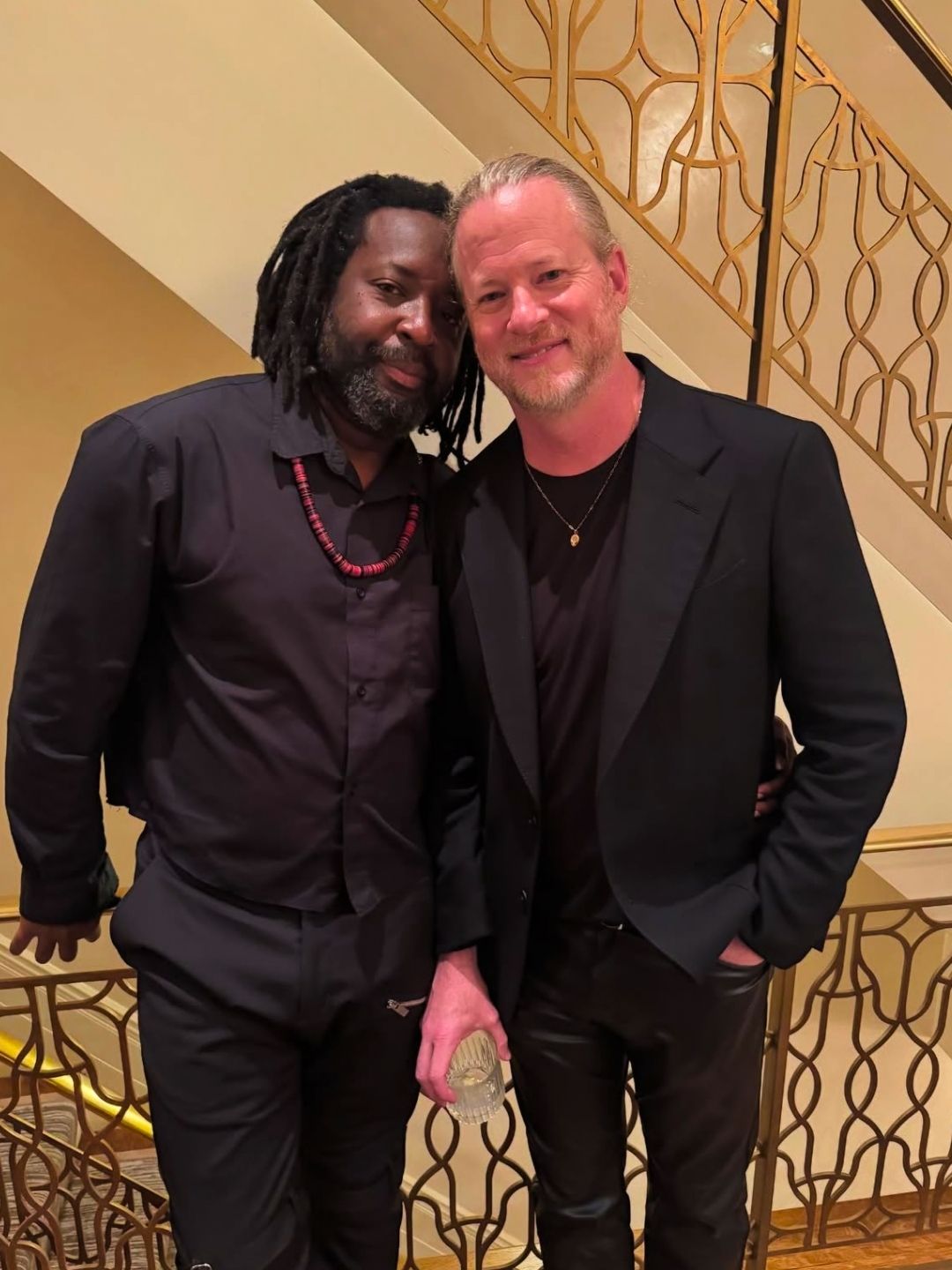

Joey Pollari, Openly Gay Actor, Joins Monster Season 4 in Key Role

Great news for queer TV fans: Joey Pollari, the openly gay actor beloved for his work in Love, Simon and other LGBTQ+ stories, has been cast in Season 4 of Ryan Murphy’s hit anthology series Monster on Netflix. The news was reported by Variety, with Pollari set to play John Morse, the uncle of the central figure in this season’s real-life crime narrative.

From Love, Simon to Monster

Pollari first became widely known to queer audiences with his scene-stealing role in Love, Simon, where he played one of Simon’s potential romantic interests. His screen presence, grounded performances, and openness about being gay in real life have made him a recognizable and respected face in LGBTQ+ entertainment.

Since then, Pollari has continued to take on roles that both showcase his range and deepen his connection with queer storytelling. His casting in Monster — a series known for its psychological intensity and rich character work — marks a cool evolution in his career: moving from coming-of-age queer romance to sharp, dramatic genre work on a major streaming platform.

Queer Visibility in Genre Television

Representation in television matters on many levels, and Monster has steadily built a reputation for embracing diverse voices in front of and behind the camera. Adding an openly gay actor like Pollari in a substantial role reinforces that queer talent belongs in every corner of storytelling — not just in narratives explicitly about LGBTQ+ themes.

Season 4 of Monster reportedly continues the anthology’s trend of dramatizing high-profile or notorious true crime stories, with Pollari’s character tied to some of the central emotional and legal conflict in the plot. While the details of the season’s full arc remain under wraps, fans are already abuzz about where this rendition of the anthology could go next.

Why Pollari’s Casting Resonates

For B-Gay.com readers, this moment hits on multiple levels:

  • It highlights an openly gay actor progressing into genre television that reaches global audiences.
  • It shows the industry acknowledging queer talent as integral to mainstream shows beyond purely LGBTQ+ subject matter.
  • It gives fans someone familiar to root for as the show enters its next chapter.

Joey Pollari’s rise from emotionally grounded queer romance to a key player in a major anthology drama is a reminder that visibility, nuance, and range are all essential to how queer actors build lasting careers in Hollywood.

As Monster Season 4 gears up for production and eventual release, we’ll be watching — and cheering — all the way. 🌈📺

📷 IG: @ joeypollari

Donnie McClurkin, long known for anti-gay rhetoric, faces sexual abuse lawsuit

0

Donnie McClurkin, the Grammy-winning gospel singer and pastor, has been named in a new civil lawsuit alleging sexual abuse — and for many LGBTQ+ people, the accusations land with a heavy and deeply familiar weight.

The lawsuit was filed by Giuseppe Corletto, a former personal assistant, who alleges that he was sexually abused by McClurkin over a period of years beginning in the early 2000s. According to the complaint, Corletto first encountered McClurkin through his church while seeking spiritual guidance during a time when he was struggling with his sexuality.

Corletto alleges that what began as prayer sessions and mentorship gradually became inappropriate and non-consensual, including unwanted touching during prayer and private encounters both inside and outside church settings. He says the alleged abuse continued after he became McClurkin’s assistant and caused long-term psychological harm.

McClurkin, through his attorney, has categorically denied the allegations, calling them false and stating that he intends to vigorously defend himself in court.

Why McClurkin’s anti-gay history matters

This case cannot be separated from McClurkin’s long and very public record of anti-gay rhetoric.

For decades, McClurkin has been one of the most prominent religious figures to publicly condemn homosexuality. He has repeatedly described being gay as a “sin,” claimed that same-sex attraction can and should be overcome, and framed queerness as a spiritual failing rather than an identity.

In the mid-2000s, McClurkin became a national flashpoint after endorsing so-called “ex-gay” narratives and conversion-therapy-style beliefs. His views led to widespread protests, particularly within Black LGBTQ+ communities, and resulted in canceled appearances and public backlash from civil rights groups.

At the time, McClurkin insisted that his views were rooted in faith and personal experience, and he rejected calls to soften or retract his statements.

Power, faith, and vulnerability

The lawsuit alleges a dynamic that LGBTQ+ advocates have warned about for years: the combination of spiritual authority, repression, and vulnerability.

Corletto says he approached McClurkin as a young man seeking help with his sexuality inside a religious framework that already framed queerness as shameful. Advocates note that this imbalance — where a powerful religious leader positions himself as both moral guide and gatekeeper — can create conditions ripe for manipulation and abuse.

It is important to emphasize that these are allegations, not a verdict. The legal process will determine what can be proven in court.

But for many queer people, especially those who grew up in conservative religious environments, the story feels painfully familiar: a leader who publicly condemns homosexuality while allegedly engaging in secret behavior that exploits the very shame he helped create.

A broader pattern many recognize

Cases like this resonate beyond one individual.

LGBTQ+ survivors and advocates have long documented patterns in which anti-gay religious rhetoric is paired with private misconduct, often shielded by power, fear, and silence. The emotional damage caused by such dynamics can last for years, especially for people taught that their identity itself is sinful.

The McClurkin case now moves into the legal system, where facts will be tested and claims examined.

For LGBTQ+ audiences, however, the broader conversation is already clear: accountability matters, context matters, and history matters — especially when someone has built influence by condemning the very people now central to the allegations.

Gay couple responds to New Year’s Eve kiss going viral after live on ESPN

0

What started as a completely ordinary New Year’s Eve moment quickly turned into an unexpected viral flashpoint.

As the clock struck midnight in Times Square, Ricky Locci and his boyfriend DJ Petrosino shared a quick kiss — something they say they do all the time.

This time, though, the moment was caught live on ESPN, where cameras were broadcasting the New Year’s celebrations to a national audience.

From live TV to viral discourse

The kiss itself lasted only a second.

But soon after, clips of the broadcast — including reactions from SportsCenter host Scott Van Pelt — began circulating online.

From there, the internet did what it does best: some people celebrated the moment as joyful visibility, while others turned it into manufactured outrage.

Accounts known for ragebaiting seized on the clip, and suddenly a completely normal expression of affection between two men became a trending topic.

Outsports talks to the couple

After the clip went viral, Outsports spoke directly with Locci and Petrosino to get their reaction.

Their response was refreshingly grounded.

They made it clear that there was no intention to make a statement, no plan to go viral, and no sense that they had done anything unusual.

As they told Outsports, this is simply how they celebrate moments together — publicly, comfortably, and without apology.

Why it struck a nerve

The intensity of the reaction says far more about the culture watching than about the couple themselves.

Heterosexual couples kissing on New Year’s Eve broadcasts is so normal it barely registers.

Seeing two men do the same thing, however, still manages to trigger outsized reactions in some corners — even in 2026.

That contrast is exactly why moments like this matter, even when the people involved didn’t set out to make a point.

Visibility without performance

What makes this moment resonate isn’t that it was dramatic.

It’s that it wasn’t.

There was no speech, no rainbow branding, no attempt to provoke or persuade.

Just two people welcoming a new year together, in front of a camera they didn’t even know was pointed at them.

In a media landscape often dominated by backlash and outrage, the simplicity of that moment feels quietly powerful.

Sometimes queer visibility doesn’t arrive with a slogan.

Sometimes it just shows up, kisses someone it loves, and keeps going.

📷 IG: @ ricky_locci_dpt / espn

Russell T. Davies & Oliver Cole: Queer Joy in the Whoniverse and Beyond

When the name Russell T. Davies comes up, most of us in the LGBTQ+ community think first of groundbreaking television — from the modern revival of Doctor Who to the cultural milestone of It’s a Sin. But lately, fans have been smiling at another side of Davies’ story: the genuine and joyful moments he shares with his partner, model and creative collaborator Oliver Cole.

A Pair Worth Smiling About

Davies and Cole have been spotted together in recent photos and social posts that radiate warmth, chemistry, and mutual support. Rather than fuel gossip about age or stereotypes, what stands out most is how sweetly they complement one another — creative minds, happy alongside each other, celebrating life together.

Fans have been quick to share messages of love and encouragement on social media, excited to see queer pride reflected in joyful everyday life. For many, it’s refreshing to witness a couple with a genuine connection outside of media spectacle — and with two people who clearly enjoy each other’s company in a way that feels real and relatable.

Russell T. Davies: A Legacy of Queer Representation

Davies is one of the most influential voices in modern television when it comes to LGBTQ+ stories. His work on shows like Queer as Folk, It’s a Sin, and his revitalization of Doctor Who didn’t just bring queer characters to screens — it brought them fully alive, complex, vibrant, and central, rather than peripheral.

That legacy makes fans especially delighted to see Davies’ own life reflect joy, love, and visibility. So much of queer TV history has been dominated by heartbreak and struggle — which absolutely deserves to be told — but seeing queer joy in motion is its own kind of affirmation.

Oliver Cole: Creative Force and Support

Oliver Cole, an Australian model and artist, brings his own creative energy to the duo. Whether he’s popping up in moments from Davies’ life online or simply sharing a smile beside him, Cole adds a sense of grounded fun that fans have embraced wholeheartedly.

Together, they remind us that love doesn’t have to be drama. It can be playful. It can be easy. It can just be happy.

Why This Matters

In a world where queer relationships are still unfairly scrutinized, it’s refreshing to elevate stories that simply show two people enjoying life together. Davies and Cole’s public moments aren’t about controversy — they’re about connection. They’re about celebration. They’re about seeing queer life in the full spectrum of joy, not just pain or challenge.

For many of your fellow readers, that’s exactly the kind of representation we want more of: real people living and loving openly, without apology, without caveat, and with plenty of smiles along the way.

Here’s to queer love that looks fun, feels warm, and inspires others to find joy in their own stories. 🌈❤️‍🔥

📷 IG: @ russelltdavies63 / theolivercole

Gay Singer Barry Manilow Shares Update on Lung Cancer Battle

Music legend Barry Manilow is offering fans a hopeful update from his hospital bed as he continues treatment for lung cancer, and the response has been nothing short of moving.

At 82 years old, the singer known for timeless classics like Copacabana, Mandy, and Could It Be Magic posted a smiling selfie with the simple caption: “Better today!” — a message that has sparked an outpouring of love and support across social media.

A Health Scare Caught Early

Manilow’s cancer was discovered after he was treated for bronchitis — a twist of fate that may have saved his life. According to the update shared on his official channels and reported by entertainment outlets, doctors were able to remove the cancerous spot from his lung surgically. Early indications suggest the disease had not spread beyond the initial site, and for now, the plan does not include chemotherapy or radiation.

The singer has postponed some upcoming shows, including performances scheduled around Valentine’s weekend in Las Vegas, as he focuses on recovery. Fans, fellow artists, and members of the music community have flooded his posts with messages of encouragement and gratitude for his resilience.

More Than a Voice: Barry Manilow’s Queer Story

For many in the LGBTQ+ community, Barry Manilow’s journey holds a deeper emotional resonance. He publicly came out as gay in 2017, sharing his truth after decades in the public eye. In a heartfelt interview with People magazine, Manilow revealed that he had been in a long-term relationship with his manager, Garry Kief, since 1978, and that the two had quietly married in 2014.

At the time, Manilow explained that he kept his sexuality private for much of his career out of fear that being openly gay would harm his opportunities as a mainstream performer during the 1970s and 1980s. When he finally decided to share his personal life publicly, the response from fans was overwhelmingly supportive — a testament to how much he means to generations of listeners.

An Icon for Queer Fans

For LGBTQ+ fans around the world — many of whom grew up with his music as a backdrop to formative moments — Barry Manilow is much more than a pop star. He represents visibility, endurance, and the possibility of living authentically after years of cultural pressure to conform. His decision to come out later in life, with dignity and honesty, resonated across queer communities, especially among people who remember a time when such openness could truly risk a career.

Now, as he faces a serious health battle, that same community has rallied around him once again. Social media comments are filled with stories of how his music helped people through difficult times, and how his personal courage inspired them to show up as themselves.

“Better Today” — A Message of Hope

The simplicity of Manilow’s hospital selfie — just a smile and the words “Better today” — has become a powerful statement. In an era where fame and vulnerability are often at odds, his message feels human and real. It reminds us that even icons face the same uncertainties as everyone else, and that healing is a process celebrated step by step.

Whether you grew up belting his songs at karaoke, dancing to *Copacabana* at a friend’s wedding, or simply found comfort in his voice on a difficult night, Barry Manilow’s story resonates deeply. His music has soundtracked millions of lives — and now, fans around the world are sending their love back to him as he continues his journey toward healing.

We’re sending nothing but sunshine and strength to Barry Manilow as he recovers. 💛✨

📷 IG: @ barrymanilowofficial