


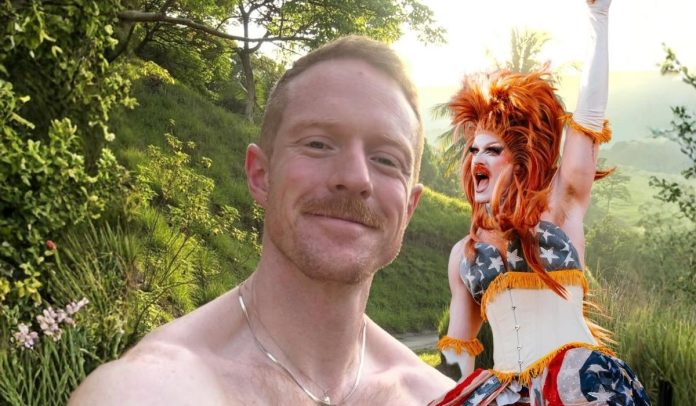

Drag artist and environmental activist Pattie Gonia has broken months of public silence surrounding Patagonia’s trademark lawsuit against her.
And the response online has been immediate.
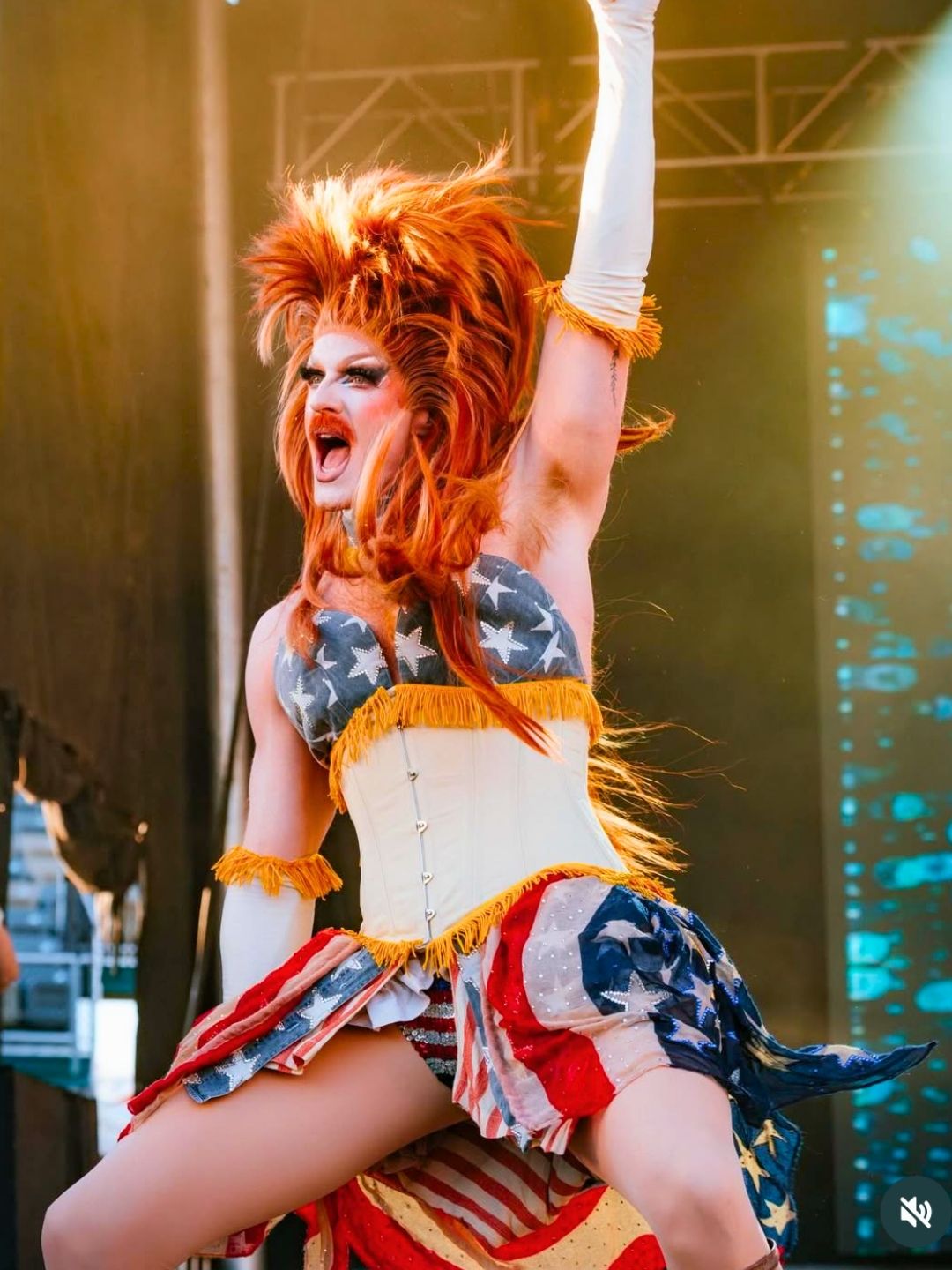
In a newly released video and open letter, Pattie Gonia accused the billion-dollar outdoor company of attempting to “erase an activist” through ongoing legal action connected to her name and brand.
The lawsuit itself dates back to January 2026.
Patagonia argues that Pattie Gonia’s branding, merchandise, and trademark filings are too similar to the company’s own trademarks and could create consumer confusion.
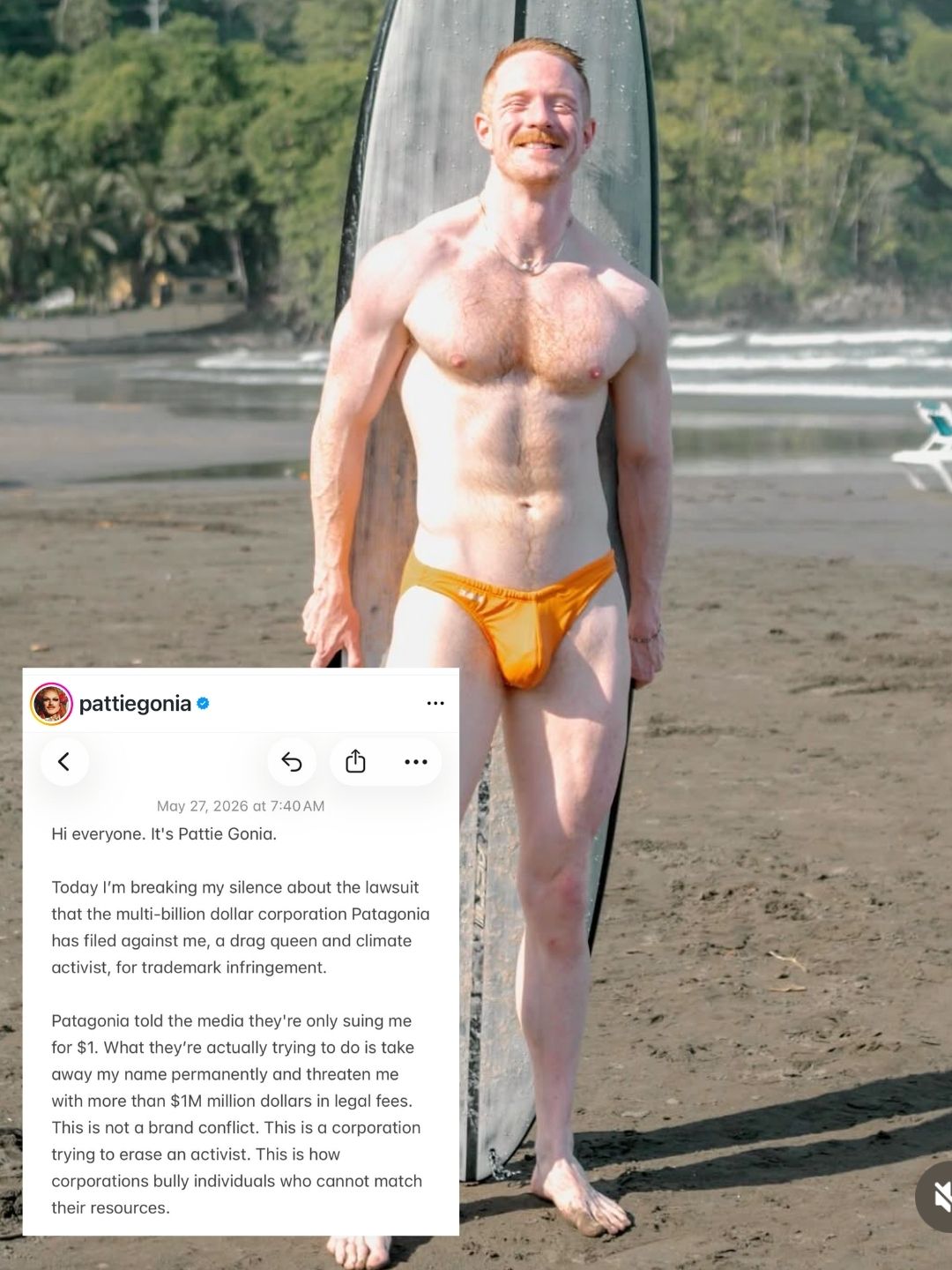
The company insists the lawsuit is about protecting intellectual property rather than attacking activism or queer identity.
Patagonia also says it spent years trying to resolve the dispute privately before filing in court.
Pattie Gonia, whose real name is Wyn Wiley, strongly disputes the framing.
She argues the case threatens not only her career, but the larger activist platform she has built around LGBTQ+ visibility, environmental advocacy, and queer inclusion in outdoor culture.
That emotional context is a major reason the story has resonated so intensely online.

Pattie Gonia became a breakout figure in recent years by blending drag performance, hiking culture, climate activism, and queer visibility in a way that felt fresh and unusually hopeful to many LGBTQ+ audiences (Attitude).
Her work challenged the long-standing stereotype that outdoor culture belongs primarily to straight, hyper-masculine spaces.
Instead, she helped create a visibly queer environmental community centered around joy, creativity, and accessibility.
That is why the lawsuit feels emotionally complicated for many people.
Patagonia itself has long cultivated a progressive public identity tied to environmental activism and social responsibility.
Many queer people admired both Patagonia and Pattie Gonia simultaneously.
Now the conflict has forced supporters into uncomfortable conversations about corporate power, parody, trademark law, activism, and who gets protected within progressive spaces.
The debate online has become increasingly intense.
Some people argue Patagonia legally has little choice but to defend its trademarks consistently.
Others believe pursuing a queer activist over branding issues fundamentally clashes with the company’s public values.
For now, the lawsuit continues.
And the emotional fallout inside queer outdoor communities is clearly still growing.
📸 IG: @pattiegonia