


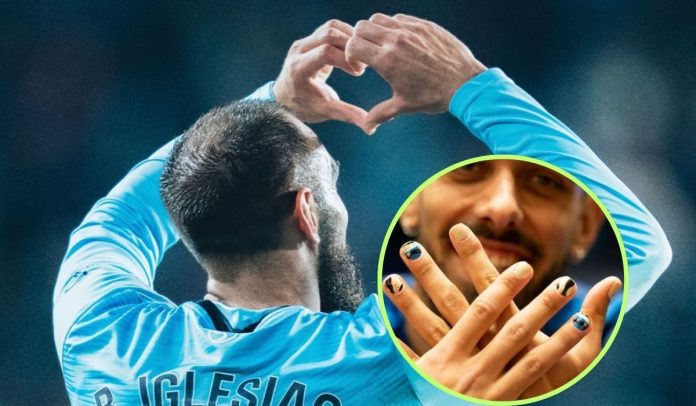

Borja Iglesias can now call himself a world champion.
The 33-year-old Celta Vigo striker was part of the Spanish squad that defeated Argentina 1–0 after extra time in the 2026 FIFA World Cup final.
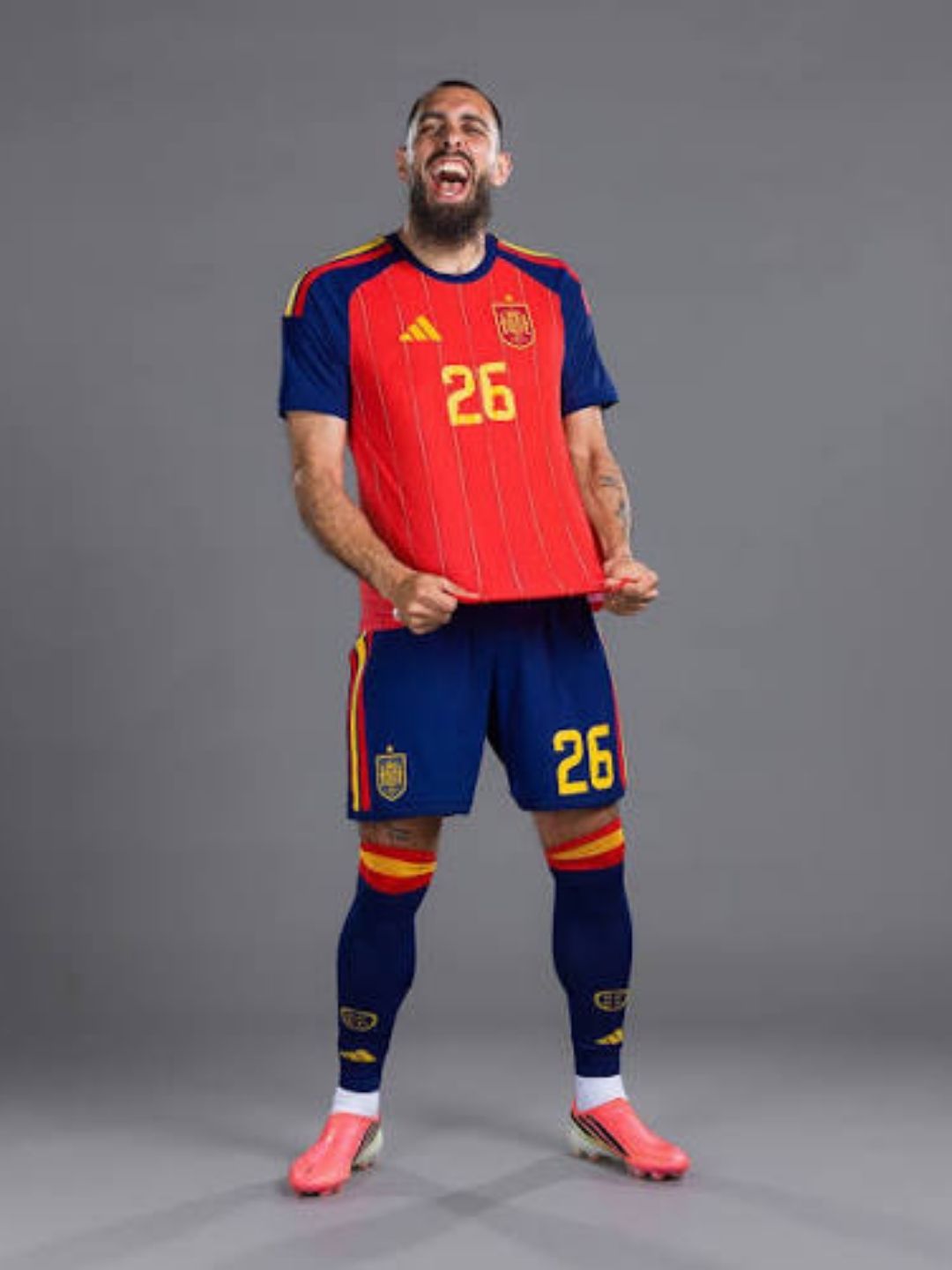
Ferran Torres scored the only goal in the 106th minute at New York New Jersey Stadium.
The victory gave Spain its second men’s World Cup title following its first triumph in 2010.
Iglesias had only a small playing role during the tournament and remained on the bench during the final.
His place within the championship squad nevertheless gave a World Cup medal and an enormous new platform to one of Spanish football’s most outspoken advocates for inclusion.
Iglesias is heterosexual, but he has repeatedly challenged homophobia and the restrictive expectations surrounding masculinity in men’s football.
He is perhaps most visibly recognised for playing with his fingernails painted.
The gesture began in 2020 after the murder of George Floyd and the growth of the Black Lives Matter protests.
Iglesias painted his nails to raise awareness about racism and later continued using them as a broader symbol of tolerance, personal freedom and opposition to discrimination.
Something as harmless as nail polish has repeatedly generated abuse within a sport still deeply attached to narrow ideas about how male players should look and behave.
That hostility became particularly visible following Celta Vigo’s victory over Sevilla in January 2026.
Iglesias was handing his shirt to a supporter outside the stadium when opposing fans directed homophobic slurs and comments about his painted nails toward him.
He responded publicly with irony, pointing toward the persistent claim that homophobia supposedly no longer exists in football.
Iglesias later explained that the insults had affected him when he first began receiving them.
Over time, he stopped viewing being called gay as something personally insulting.
His concern shifted toward the people who hear the same language while privately struggling with their sexuality.
He said that gay players and supporters should not be frightened to come out, be themselves or love the person they choose (Outsports).
That is why Iglesias has described the fight against homophobia as essential.
The response from Celta Vigo’s community transformed an ugly incident into one of the most memorable displays of solidarity during the Spanish football season.
Supporters organised a campaign encouraging people to attend the club’s next home game with their nails painted.
Fans of different ages arrived at Balaídos wearing blue, black, pink and glittering manicures.
Several first-team players also took the field with painted nails.
Members of the coaching staff and Celta president Marián Mouriño joined the gesture, while the club publicly declared that respect was not negotiable and hatred had no place in football.
The campaign was not presented merely as support for one famous straight footballer.
Organisers said they wanted LGBTQ+ people experiencing similar hostility to see an entire football community laughing at the prejudices of those attacking them.
Iglesias has participated in other creative campaigns challenging the assumptions placed upon queer athletes.
In one widely shared UEFA video, he publicly “came out” as heterosexual.
The deliberately unusual announcement illustrated how straight people are rarely required to explain or defend their sexuality while LGBTQ+ people face enormous attention and pressure for doing the same.
Iglesias has said that the campaign remains among the accomplishments of which he is most proud.
His visibility matters in a sport where openly gay male players remain extremely rare at the highest professional levels.
A straight ally cannot remove the risks faced by gay footballers simply by painting his nails.
He can nevertheless challenge the environment that makes those players feel that hiding is their safest option.
Iglesias’s footballing contribution to Spain’s World Cup victory was modest in terms of minutes played.
His broader contribution to the culture surrounding the sport is much more difficult to measure.
He has shown that a male footballer can be physically powerful, emotionally open, stylish, politically engaged and completely uninterested in satisfying somebody else’s definition of masculinity.
After Spain returned home, close to two million supporters filled Madrid to celebrate the national team.
Iglesias entertained the enormous crowd by playing music from a DJ set on top of the champions’ open-air bus.
The player nicknamed The Panda had become one of the personalities of Spain’s celebration.
He now possesses the biggest medal in football alongside the painted nails that once made him a target.
Spain won the World Cup with Borja Iglesias in its squad.
Football is a little more colourful because he refuses to hide who he is.
📷 @borjaiglesias9
🎬 Prefer video? Subscribe to B-Gay on YouTube: https://youtube.com/@BGaycom