


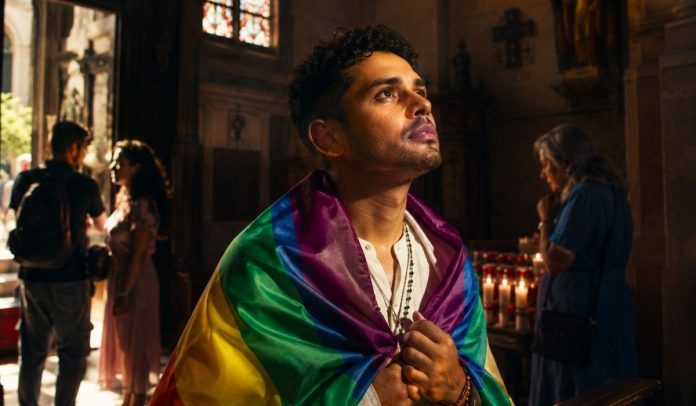

A new Vatican report has brought renewed attention to the experiences of LGBTQ+ Catholics, marking what many see as a significant moment in the Church’s ongoing internal discussions.
For the first time, the report includes detailed testimonies from LGBTQ+ individuals, offering personal accounts of how Church teachings and practices have affected their lives, Attitude reports.
Among the issues addressed is the impact of conversion therapy, also referred to as “reparative” practices aimed at changing a person’s sexual orientation.
The testimonies describe these experiences as deeply harmful, contributing to feelings of isolation, shame, and emotional distress.
In one account, the effects of such practices are described as “devastating,” highlighting not only personal suffering but also the strain placed on families and relationships.
The report also acknowledges the broader role the Church has played in shaping these experiences.
It refers to the “solitude, anguish, and stigma” faced by LGBTQ+ individuals within Catholic communities.
This level of recognition is notable given the Church’s historical approach to these issues.
While the report does not introduce formal doctrinal changes, it reflects an evolving emphasis on listening to lived experiences as part of the Church’s decision-making process.
This approach has been central to the Synod of Bishops, a global consultation initiated in recent years to address complex and often controversial topics.
Observers note that the inclusion of LGBTQ+ testimonies in an official Vatican document represents a departure from previous practices.
It suggests a willingness to engage more directly with perspectives that have traditionally been marginalized within Church discourse.
At the same time, the report stops short of proposing specific policy changes.
This has led to mixed reactions.
Some view the acknowledgment itself as a meaningful step forward, while others argue that more concrete action is needed to address the issues raised.
The conversation around conversion therapy remains particularly significant.
The practice has been widely criticized by medical and psychological organizations, and many countries have moved to restrict or ban it due to concerns about its impact on mental health.
Within religious contexts, however, it has often continued in various forms, sometimes under different names.
By addressing the topic directly, the report contributes to a broader dialogue about how faith communities respond to LGBTQ+ identities.
It raises questions about how institutions can reconcile doctrine, pastoral care, and lived experience.
While the long-term implications remain uncertain, the report signals a shift in tone.
It reflects an increased willingness to listen, to document, and to acknowledge the consequences of past approaches.
For many, that marks the beginning of a new phase in an ongoing and complex conversation.