




Fashion entrepreneur Adam Frisby and his fiancé Jamie Corbett recently welcomed their daughter through surrogacy, marking a significant moment in their lives as new parents.
However, their experience has also highlighted ongoing challenges within UK surrogacy law.
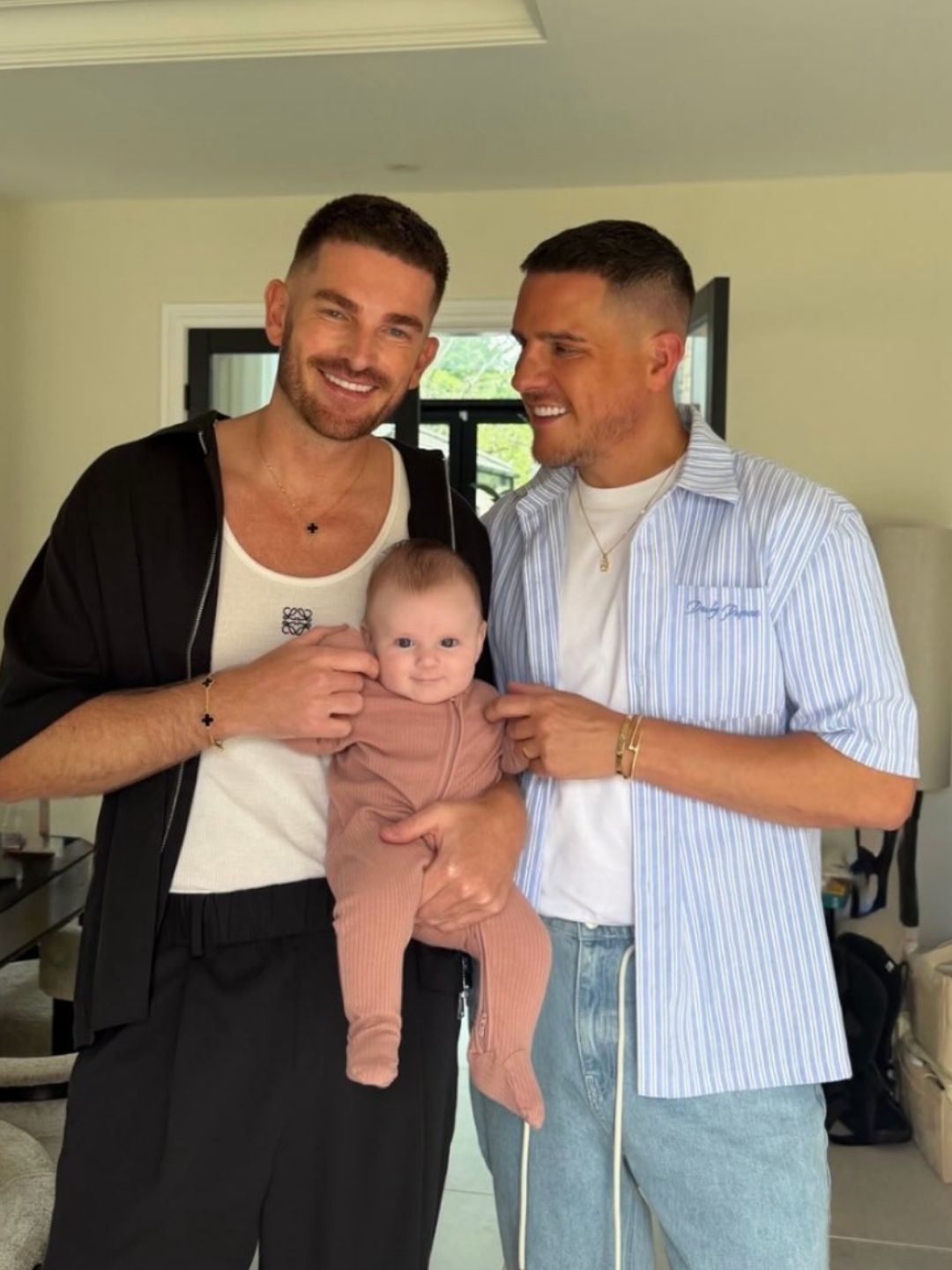
Although they are recognised as their child’s legal parents in the United States, where the baby was born, the situation is different when they return to the UK.
Under current legislation, the surrogate is automatically considered the legal mother at birth, regardless of biological connection or intent.
This means that intended parents must go through a formal legal process to gain parental recognition.
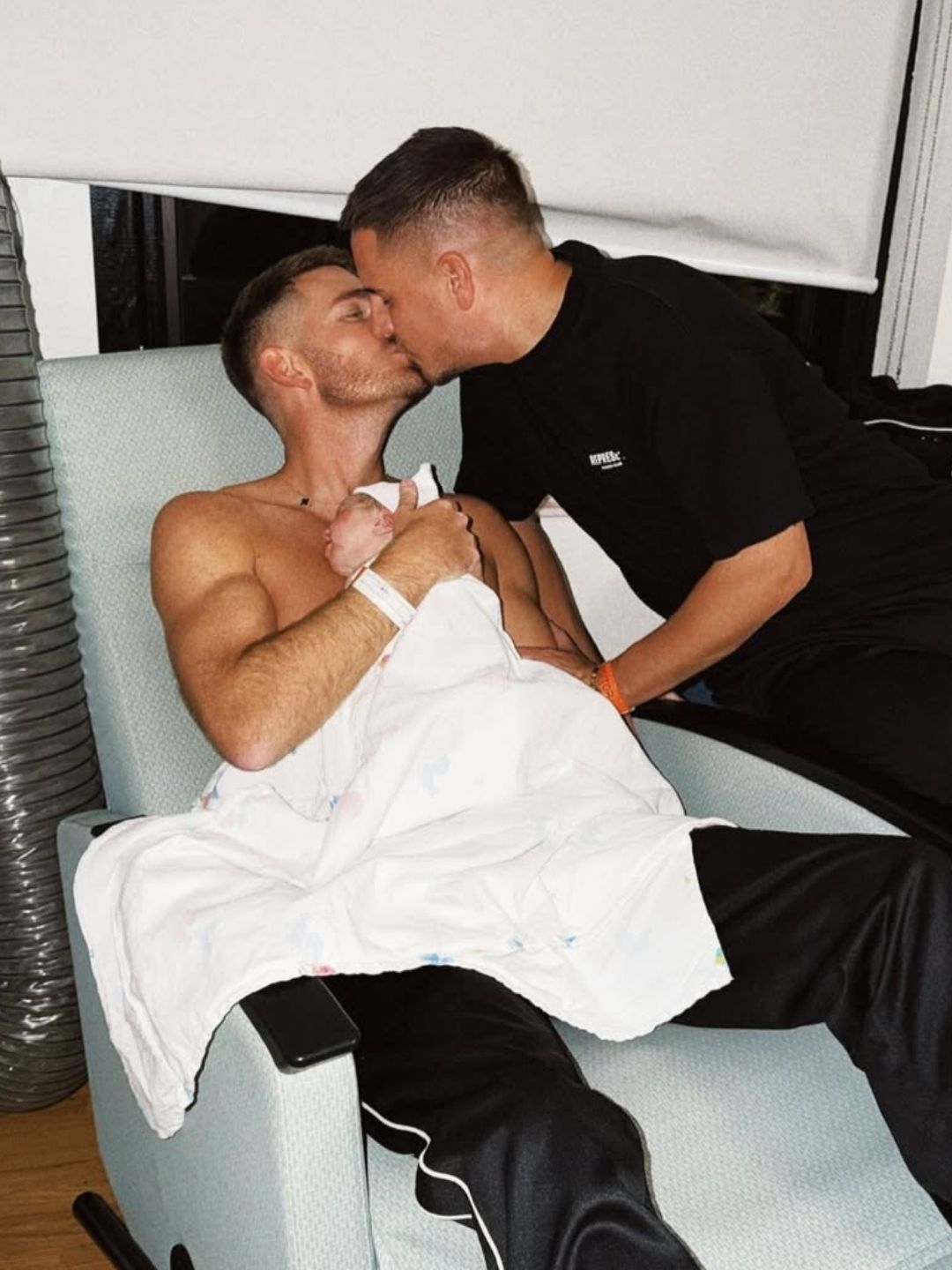
That process can take several months and involves extensive paperwork, court proceedings, and assessments by social workers.
During this time, the intended parents are not fully recognised as the child’s legal guardians.
For Frisby and Corbett, this has created a situation where their lived reality as parents does not immediately align with their legal status.
In response, the couple launched a petition calling for reform of surrogacy laws in the UK, Attitude reports.
The petition quickly gained significant public support, reaching tens of thousands of signatures within a short period.
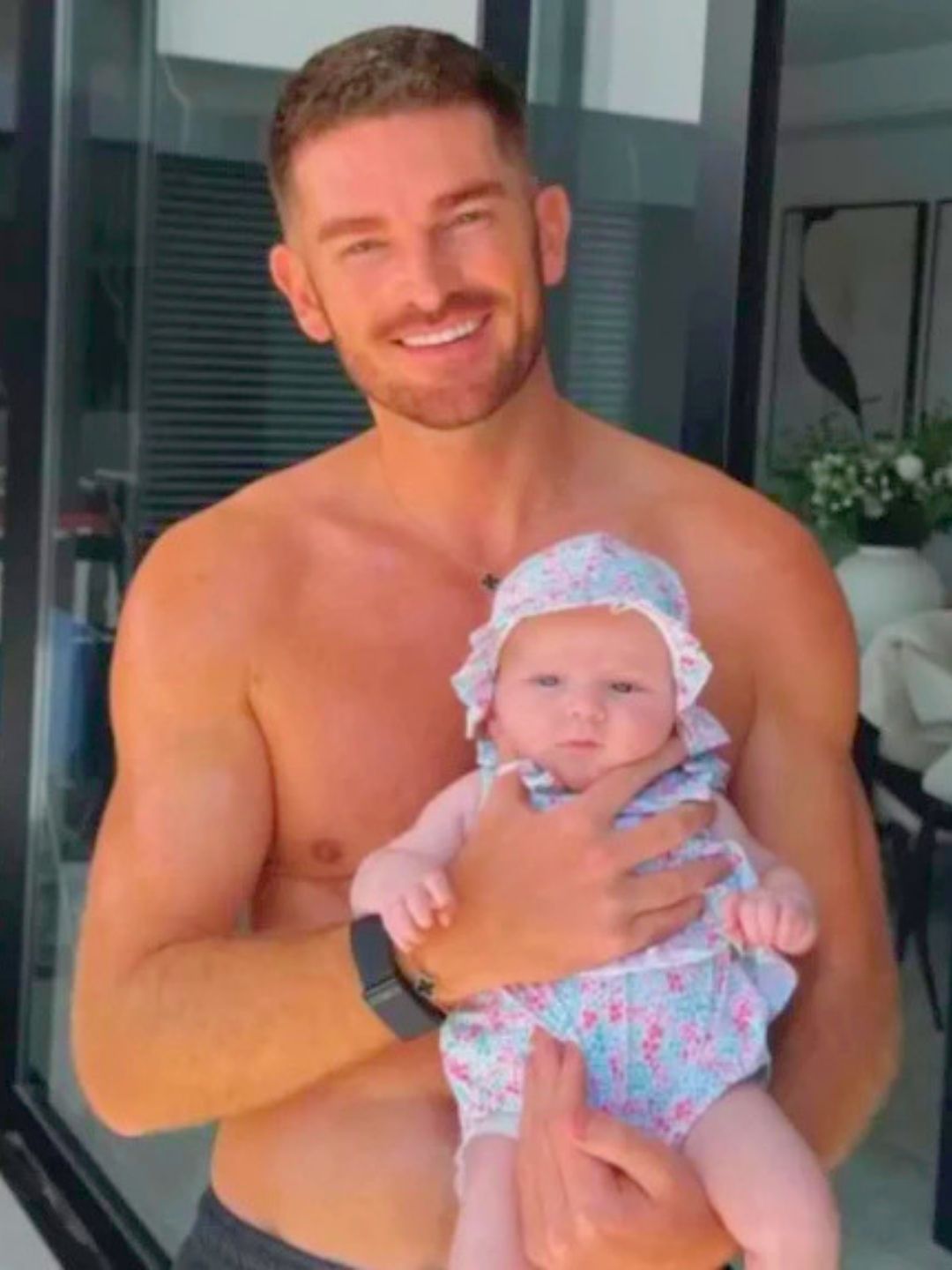
As it approaches the threshold required for parliamentary consideration, the issue is gaining broader attention.
The couple argues that the current system does not reflect modern family structures.
They believe that intended parents should be legally recognised from the moment of birth, rather than having to go through a lengthy process afterward.
They have also pointed out that the existing framework can create uncertainty during what should be a stable and supportive time for new families.
Despite these challenges, they have expressed a strong commitment to their daughter, stating that they would go through the legal process repeatedly if necessary.
Their case has become part of a wider conversation about how laws adapt to evolving definitions of family.
As more families are formed through surrogacy, questions continue to arise about how best to balance legal protections, parental rights, and the well-being of children.
The outcome of this debate may influence how similar cases are handled in the future.
For now, their story highlights the gap that can exist between lived experience and legal recognition.
To sign the petition, go here.
📷 IG: @fr15by