


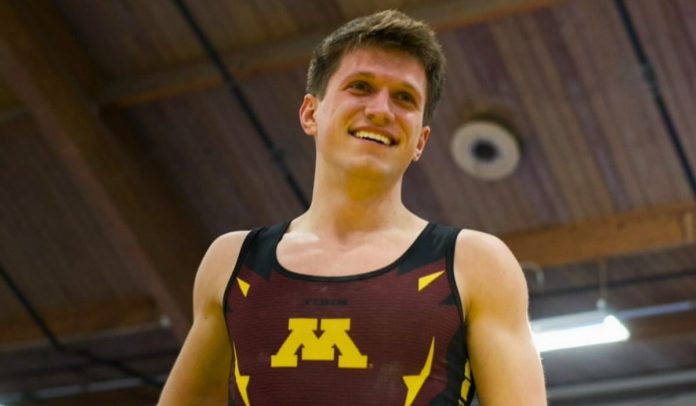

Ben Letvin just finished one of the most successful weekends of his gymnastics career.
The University of Minnesota athlete won two individual national titles at the GymACT National Championships, taking first place in both floor exercise and vault competition.
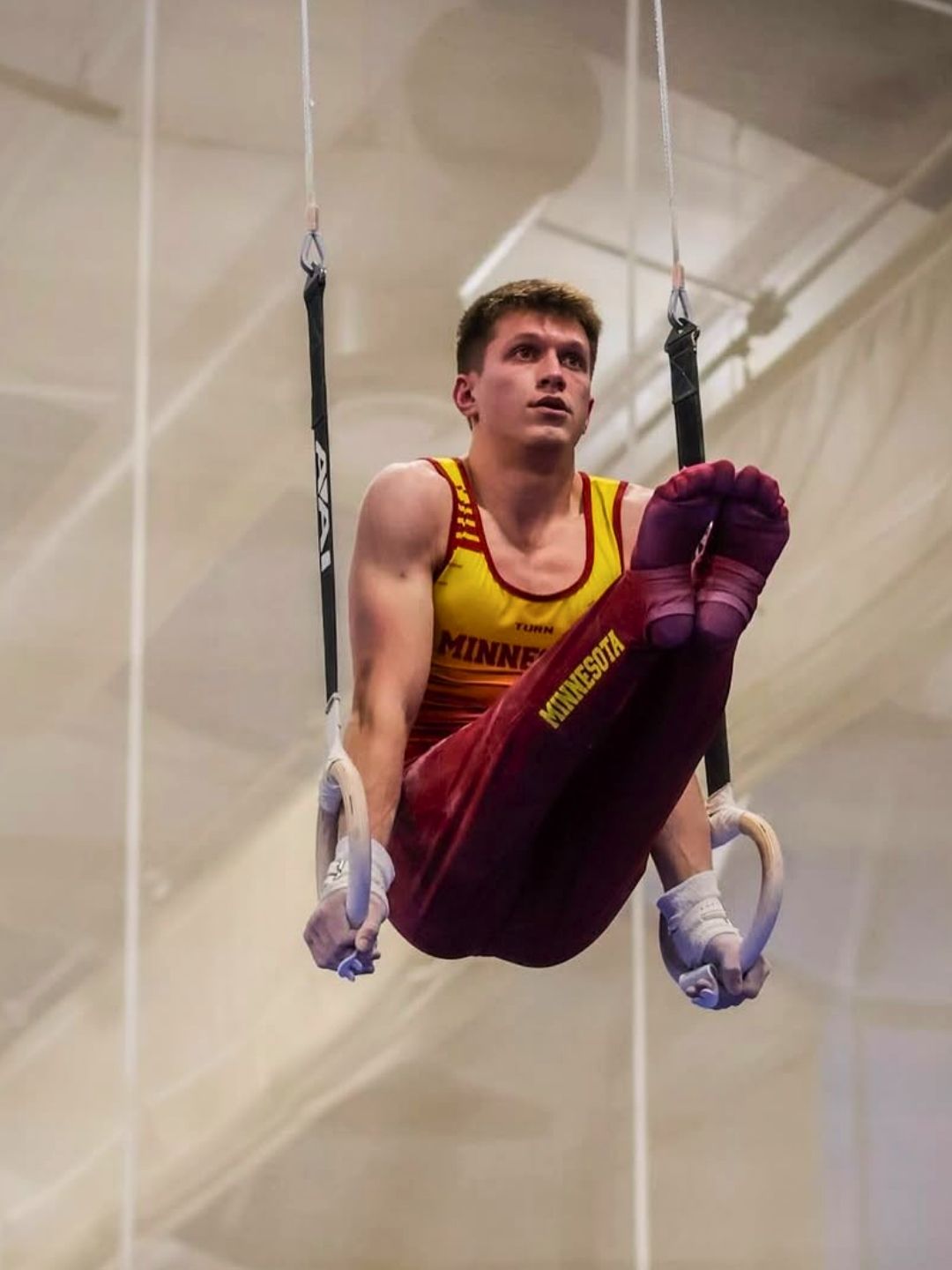
He also placed second in the all-around standings while helping Minnesota finish second in the overall team competition.
The achievement marked Letvin’s second consecutive national title in vault.
But for many LGBTQ+ sports fans, the significance of the moment extends far beyond medals alone (Outsports).
Letvin has competed openly as a gay athlete throughout his college gymnastics career.
Following the championships, he reflected publicly on the importance of visibility and support within sports environments that have historically been shaped by rigid expectations around masculinity.
He said his success demonstrates that queer athletes can thrive when surrounded by the right support systems.
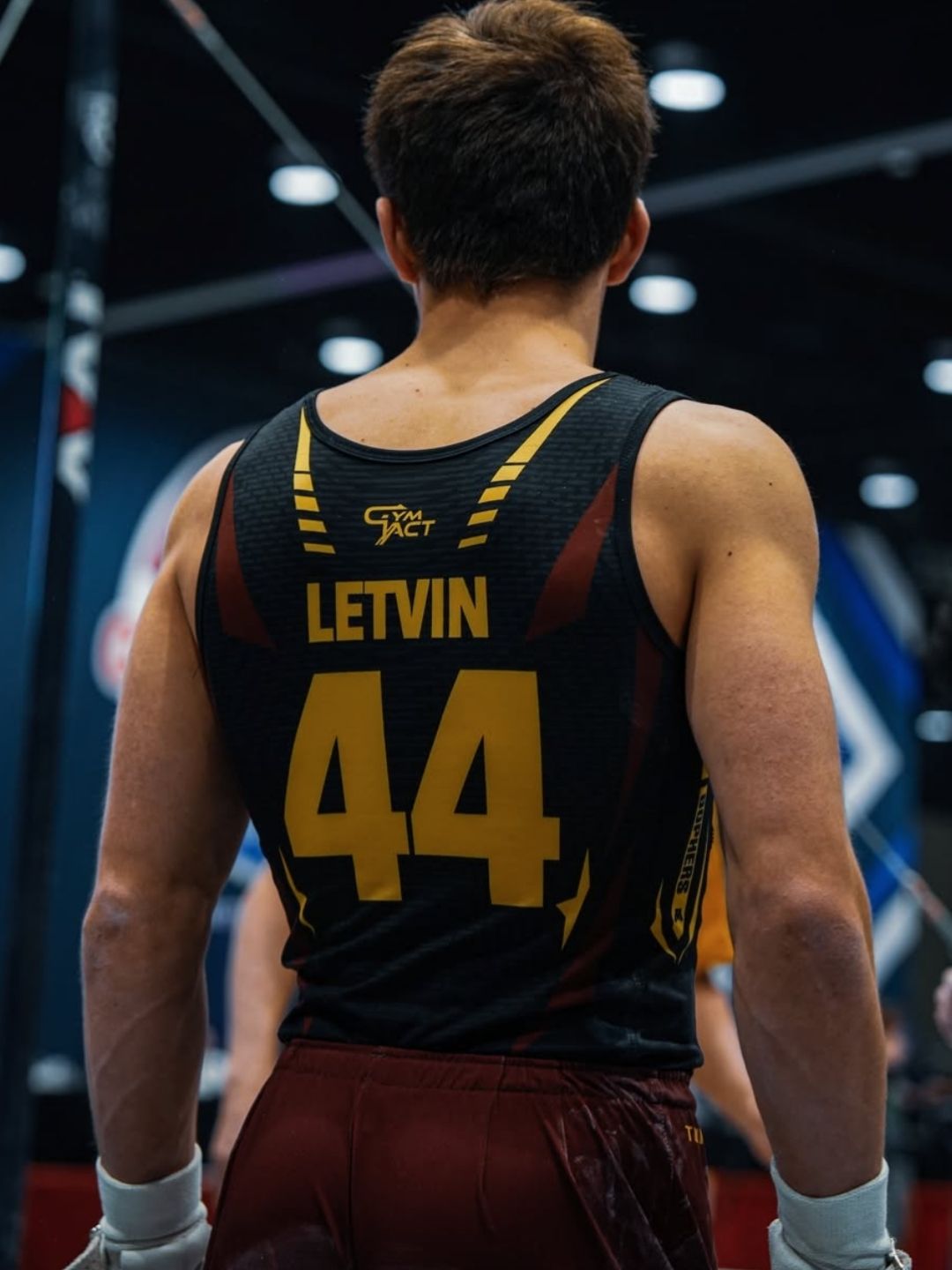
That message resonated strongly online, especially within LGBTQ+ sports communities.
Men’s gymnastics has often occupied a complicated space culturally.
While the sport itself emphasizes artistry, flexibility, strength, and performance, male gymnasts have frequently faced stereotypes and pressure connected to masculinity and sexuality.
Letvin’s openness therefore carries significance beyond competition results.
Over the past year, he has also gained broader online attention through “The Powerpuff Girls,” a viral gymnastics trio formed alongside fellow queer gymnasts Jude Norris and Charlie Larson.
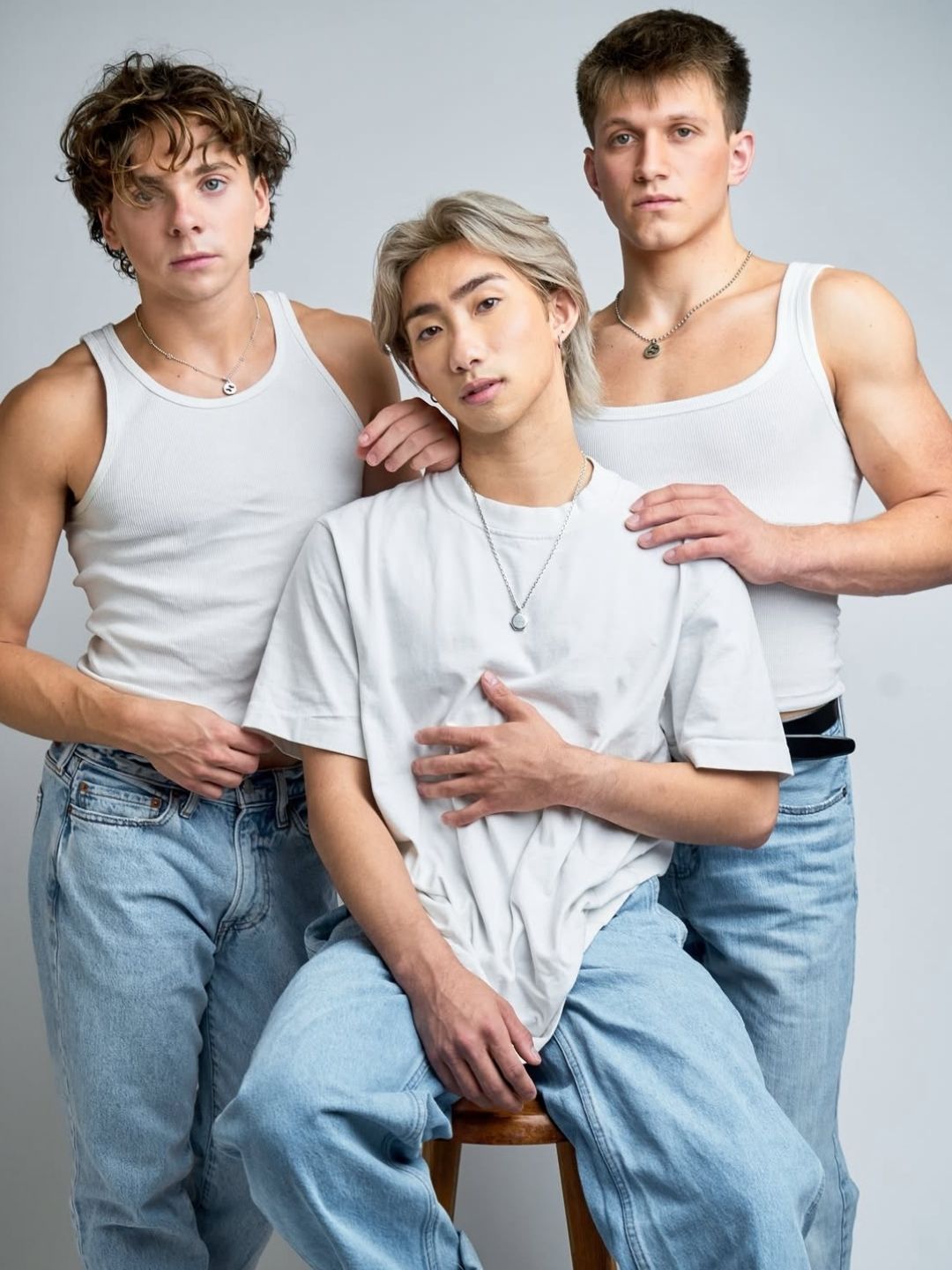
The group became popular on social media for combining elite gymnastics skills with camp humor, choreography, and unapologetically queer presentation.
The videos stood out because they approached visibility with confidence and joy rather than caution.
That same confidence now exists alongside major athletic achievements.
Earlier in the season, Letvin also helped Minnesota capture a conference championship while winning the all-around title individually.
He was later named Minnesota’s Most Valuable Gymnast.
His success reflects broader changes gradually taking place within men’s sports.
More LGBTQ+ athletes are competing openly across disciplines that were once viewed as especially hostile or exclusionary.
At the same time, visibility alone does not eliminate the pressure many athletes still experience around identity and acceptance.
That reality is part of why Letvin’s comments about support resonated so strongly.
The story is not simply about one gymnast winning medals.
It is also about what becomes possible when athletes no longer feel forced to separate competitive success from personal authenticity.
For many young LGBTQ+ athletes watching online, that combination may ultimately matter just as much as the titles themselves.
📷 IG: @benletvin