




Heated Rivalry stars Hudson Williams and Connor Storrie have become one of the internet’s most talked-about acting duos over the past several months.
Their performances as rival hockey players Shane Hollander and Ilya Rozanov helped turn the adaptation of Rachel Reid’s popular novels into a breakout success.
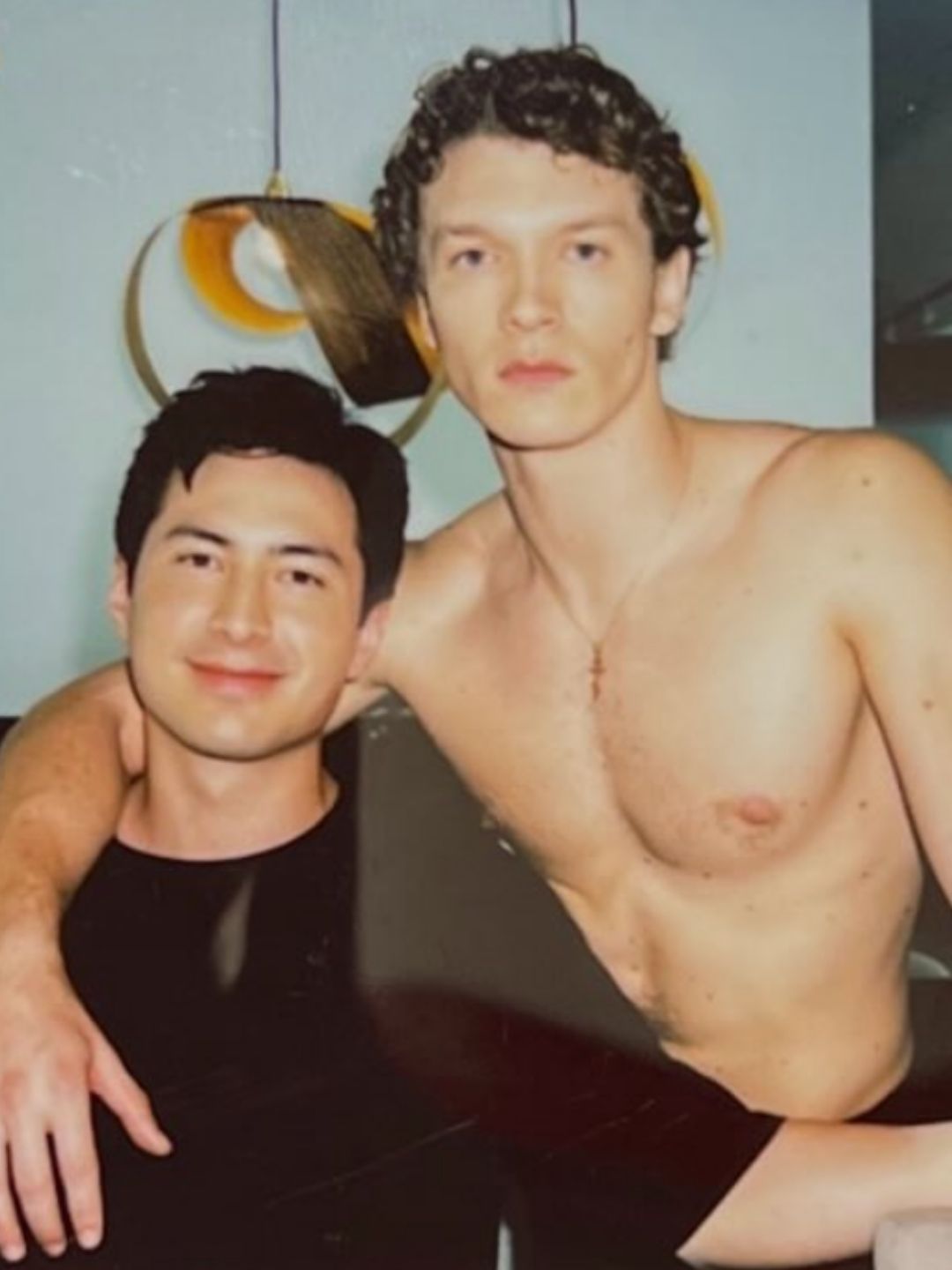
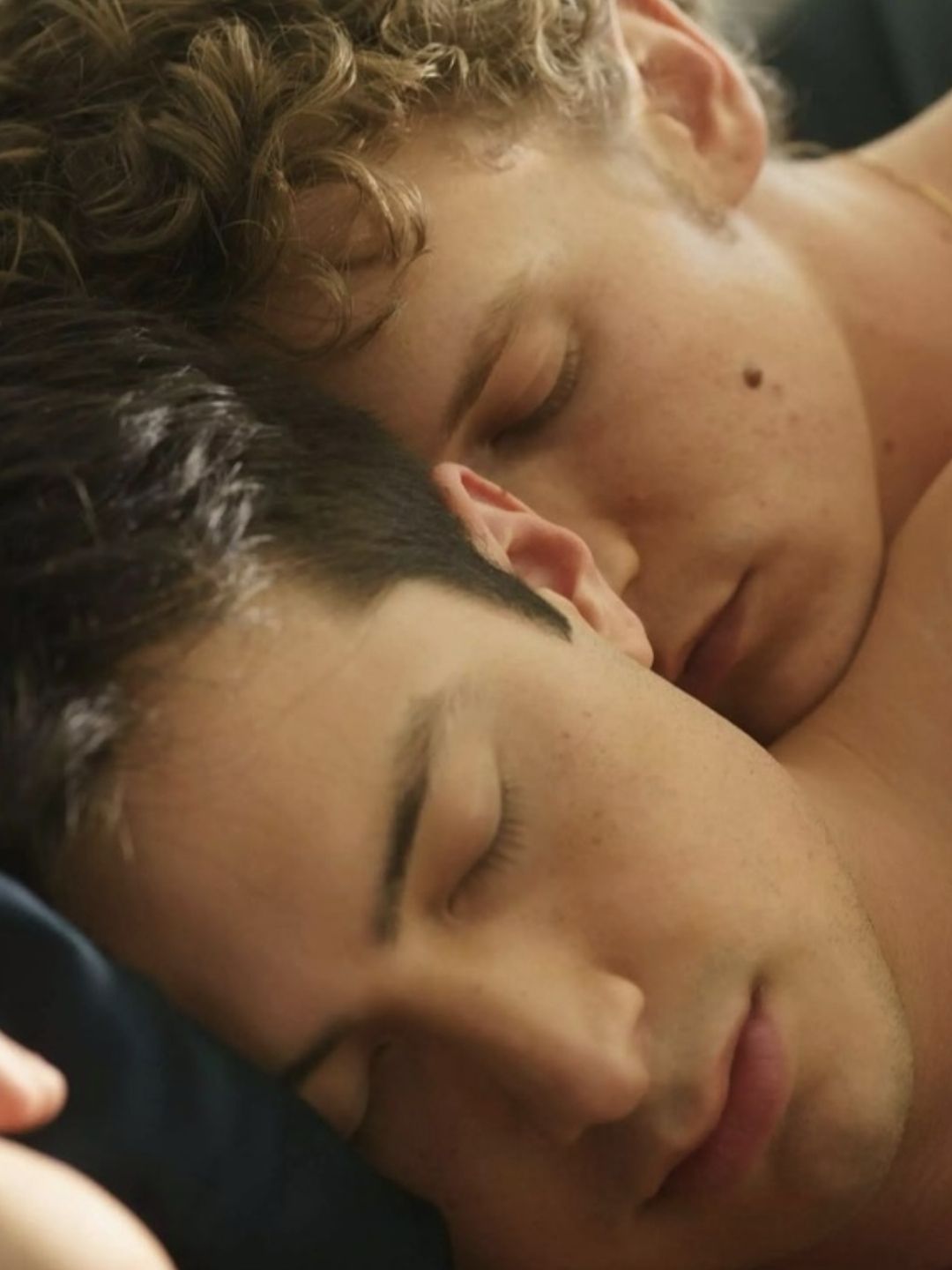
A major part of that success has been the chemistry between the two actors.
Audiences responded strongly to the emotional intensity and vulnerability in their performances, with many viewers describing the relationship as unusually believable.
That reaction only intensified following a series of high-profile appearances in recent days.
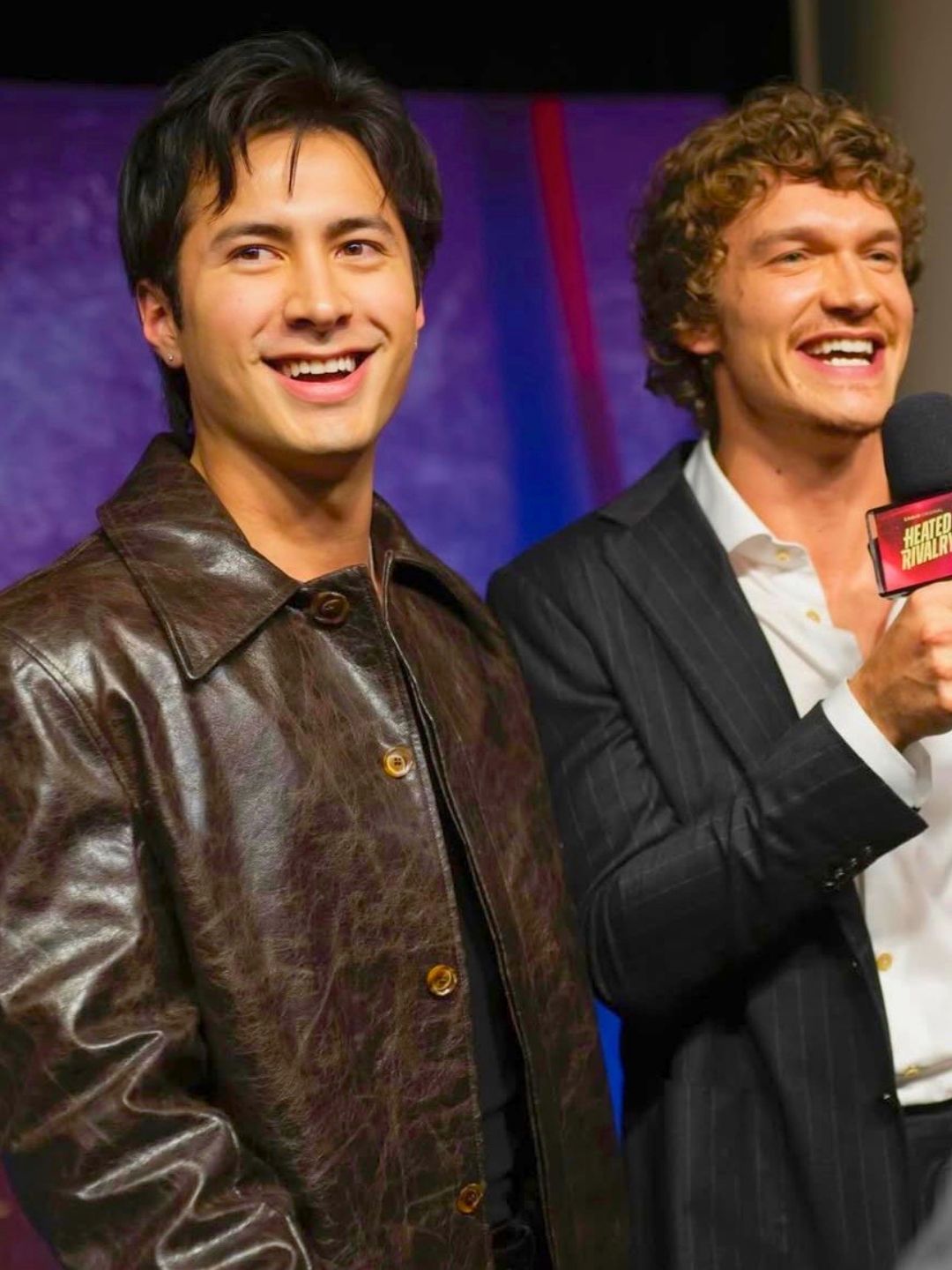
Williams and Storrie attended the 2026 Met Gala together, generating significant online discussion through their contrasting but coordinated fashion looks.
Photos from afterparties and backstage moments quickly spread across social media, adding further attention to their dynamic.
However, the growing fascination with the pair has also led to increasingly intense fan speculation about their real-life relationship.
This week, Williams addressed the situation directly on Threads.
In a short but clear statement, he wrote: “RPFing gotta stop y’all.”
The term “RPF” refers to “Real Person Fiction,” a fandom practice where romantic or sexual narratives are projected onto real individuals rather than fictional characters.
The statement appeared to reflect growing discomfort with how far some online speculation had gone.
It also highlighted a broader issue connected to modern fan culture.
As audiences become emotionally invested in fictional relationships, the boundary between performance and reality can sometimes become blurred.
This phenomenon is particularly common in fandoms built around romantic pairings with strong emotional appeal.
At the same time, Heated Rivalry itself has become culturally significant for many viewers.
The series has been praised for its portrayal of queer intimacy, emotional vulnerability, and LGBTQ+ visibility within the traditionally hypermasculine world of professional hockey.
Both actors have spoken positively about the importance of the story and the audience connection it has created.
But Williams’ recent comments serve as a reminder that strong on-screen chemistry does not erase personal boundaries.
For many fans, that distinction can sometimes become difficult to navigate.
The situation ultimately reflects both the power and the complications of deeply immersive fandom culture.
The connection viewers feel may be real.
But the people behind the characters still deserve space to exist outside the fantasy.
📸 IG: @hudsonwilliamsofficial @heatedrivalrycrave