


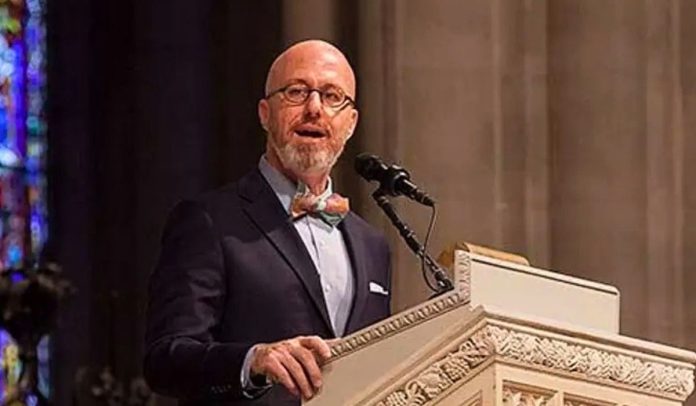

For many LGBTQ+ people, the name Exodus International still carries painful memories.
For decades, the organization became one of the most visible faces of the so-called ex-gay movement in America.
Its message was simple and deeply harmful.
Queer people could supposedly be changed.
Through prayer, counseling, and faith-based intervention, Exodus promoted the idea that homosexuality was something to overcome rather than accept.
Alan Chambers became one of the most recognizable public figures associated with that movement.
As president of Exodus International, he spent years defending its mission before eventually making a dramatic reversal.
In 2012, Chambers publicly acknowledged that conversion therapy did not work in the way the movement had long claimed.
He later apologized for the pain caused to LGBTQ+ people and Exodus International shut down in 2013.
Now Chambers is back in headlines for a very different reason.
According to court records reviewed by The Advocate, Chambers was arrested following an undercover operation by Orlando police.
Investigators allege he communicated over an extended period with someone he believed to be a 14-year-old boy.
Police say the communication began on Snapchat before moving to other platforms.
He now faces multiple charges related to solicitation of a minor and harmful communication.
The allegations are serious and remain part of an active legal process.
For many in the LGBTQ+ community, however, the emotional reaction is shaped by more than the criminal case itself.
It is shaped by history.
Conversion therapy has been widely condemned by major medical and psychological organizations for the harm it causes.
Survivors have described years of shame, anxiety, depression, and fractured relationships after being told their sexuality was broken.
Exodus International was one of the most prominent organizations associated with spreading that message.
That does not mean one person’s alleged actions define every individual connected to religious anti-LGBTQ activism.
But it does make this story feel especially loaded.
Movements built around moral judgment often leave particularly deep scars when their own leaders later become part of scandal.
For LGBTQ+ people who lived through the conversion therapy era, this news is unlikely to feel like just another crime story.
It feels connected to a much longer and more painful chapter in queer history.
For readers wanting more context on the real human damage caused by conversion therapy, Conversion Therapy Dropout offers a deeply personal perspective.
Author Timothy Schraeder Rodriguez spent nearly a decade in gay conversion therapy before eventually breaking away, and his book explores the emotional, psychological, and spiritual toll of that experience.
Disclosure: As an Amazon Associate, B-Gay may earn from qualifying purchases made through this link, at no extra cost to you.