


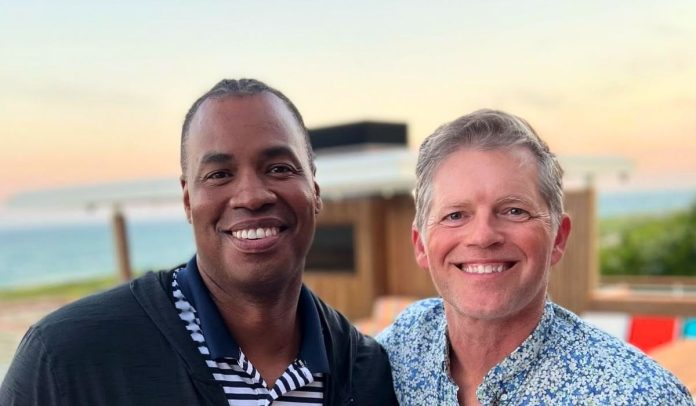

Jason Collins, the first openly gay active player in NBA history and the first openly gay athlete in one of North America’s four major men’s professional sports leagues, has died at the age of 47 after battling stage 4 glioblastoma.
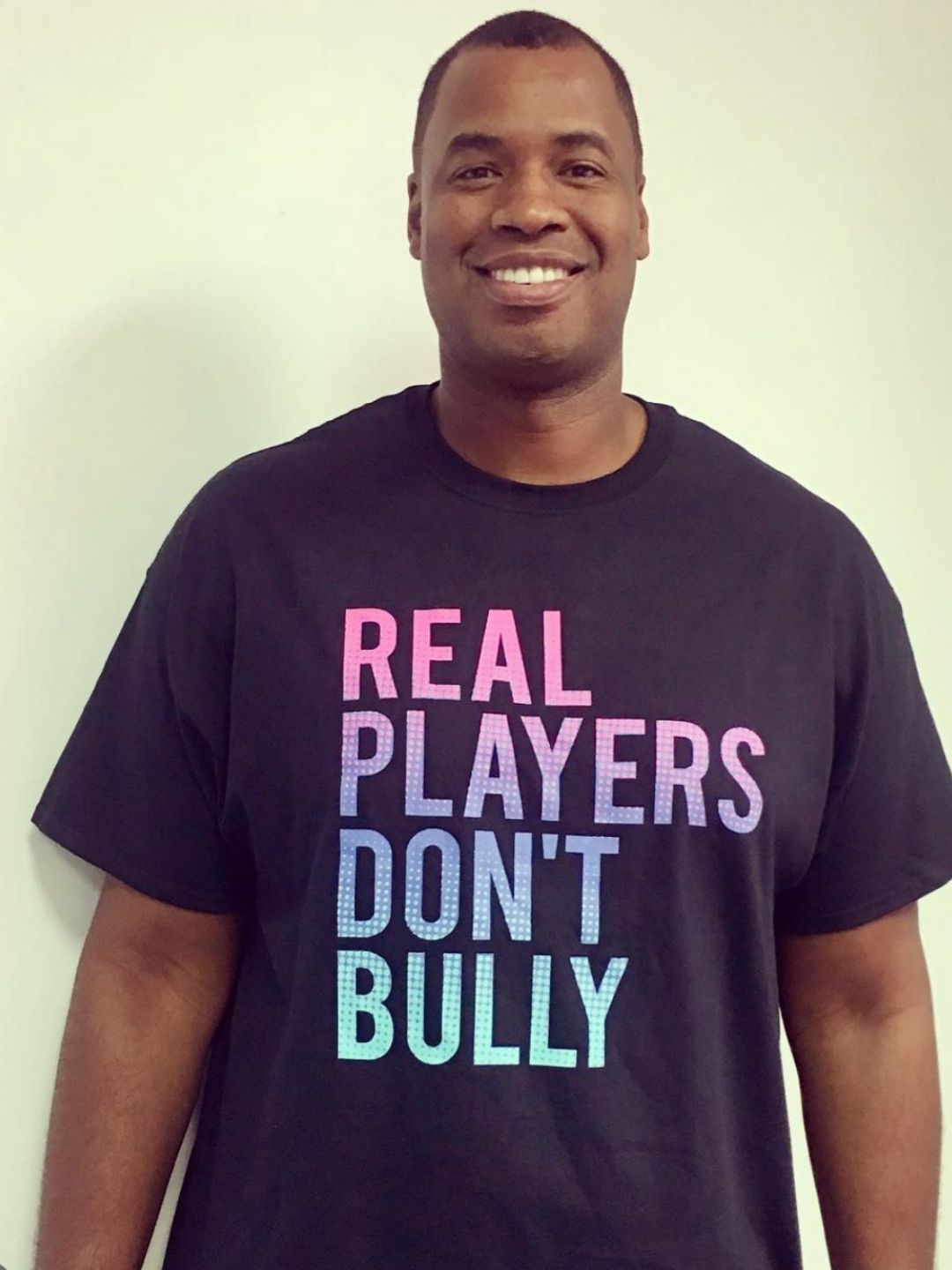
His family confirmed the news on May 12 (Outsports).
Collins publicly revealed his diagnosis in late 2025 after experiencing worsening symptoms including memory problems and brain fog.
He later underwent aggressive treatment, including experimental care in Singapore, while continuing to speak publicly about his health journey.
Throughout that period, his husband Brunson Green remained closely by his side.
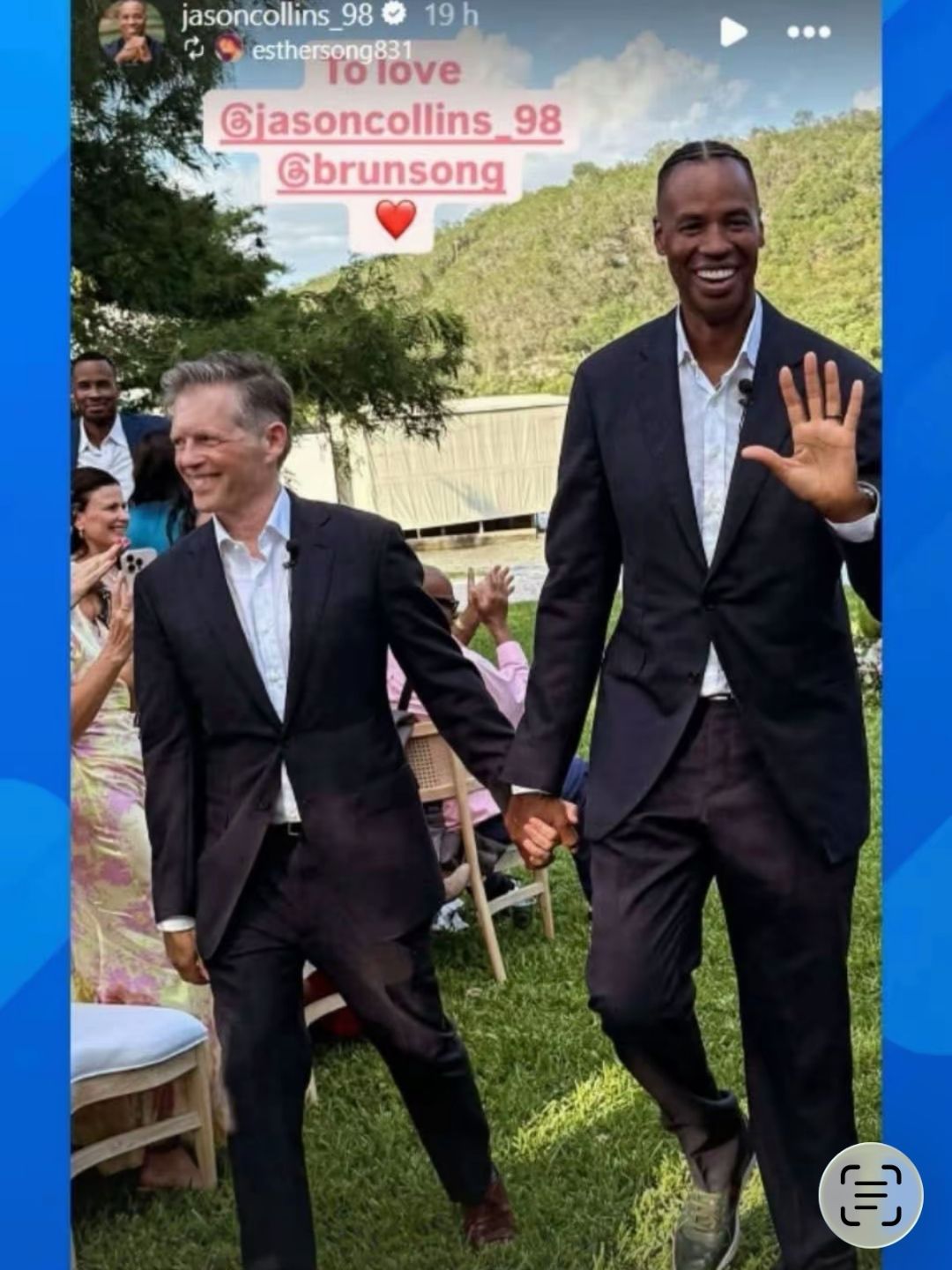
The couple had been together for more than a decade before marrying in 2025.
Green, an Oscar-nominated film producer best known for The Help, frequently appeared alongside Collins during public appearances connected to both LGBTQ advocacy and cancer awareness.
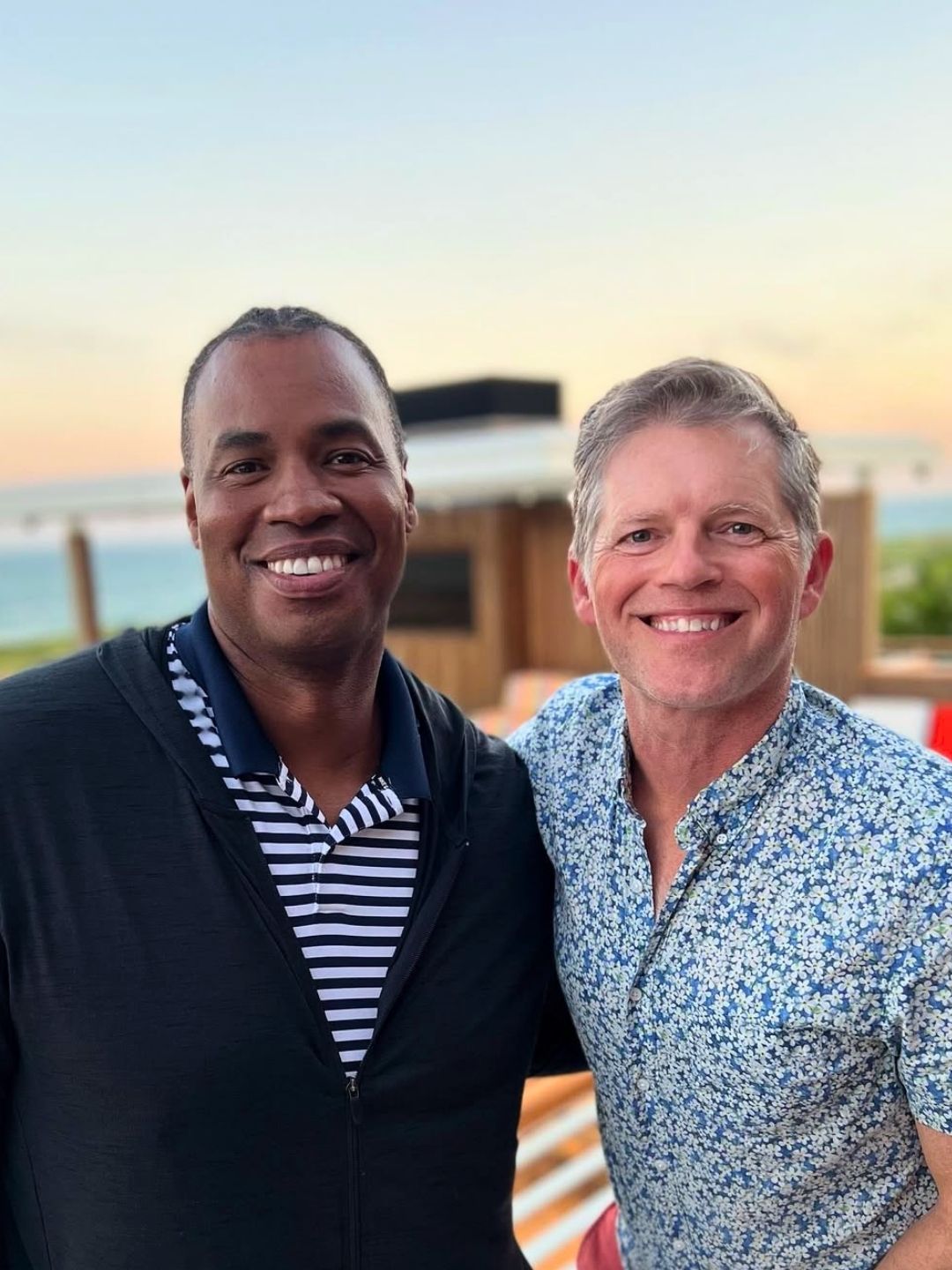
For many people, their relationship represented a quieter and deeply grounded image of queer partnership.
Collins’ cultural impact began long before his cancer diagnosis.
In 2013, while still actively playing professional basketball, he publicly came out as gay in a groundbreaking essay published by Sports Illustrated.
The moment immediately became historic.
No openly gay male athlete had previously competed in any of the four major North American men’s professional sports leagues.
At the time, many people openly questioned whether such a player could realistically continue a career in elite men’s sports.
Collins answered that question simply by continuing to play.
His calm and understated approach became part of what made the moment so powerful.
Rather than framing himself as a revolutionary figure, Collins consistently emphasized authenticity, teamwork, and honesty.
Still, the effect of his decision rippled across the sports world.
Many LGBTQ athletes who later came out publicly described Collins’ visibility as transformative.
His example helped normalize conversations around sexuality within professional locker rooms that had historically been viewed as especially hostile environments for openly gay men.
Collins played 13 NBA seasons for teams including the New Jersey Nets, Boston Celtics, Washington Wizards, and Brooklyn Nets.
Beyond basketball, he later worked extensively with LGBTQ youth organizations, advocacy groups, and NBA inclusion initiatives.
Tributes following his death have come from across both sports and LGBTQ communities.
NBA commissioner Adam Silver described Collins as someone whose impact extended far beyond basketball itself.
Others remembered his kindness, humility, and willingness to support younger athletes navigating identity and visibility.
Today, openly LGBTQ athletes remain relatively rare in major men’s professional sports.
But the existence of those athletes is tied directly to moments like the one Collins created in 2013.
His legacy therefore exists not only in records or milestones, but in every athlete who no longer feels entirely alone.
📸 IG: @jasoncollins98