




For generations of LGBTQ+ visitors, Poodle Beach has meant more than a sunny afternoon beside the Atlantic.
It has been somewhere to meet friends, find community and enjoy the simple pleasure of being around people who understand.
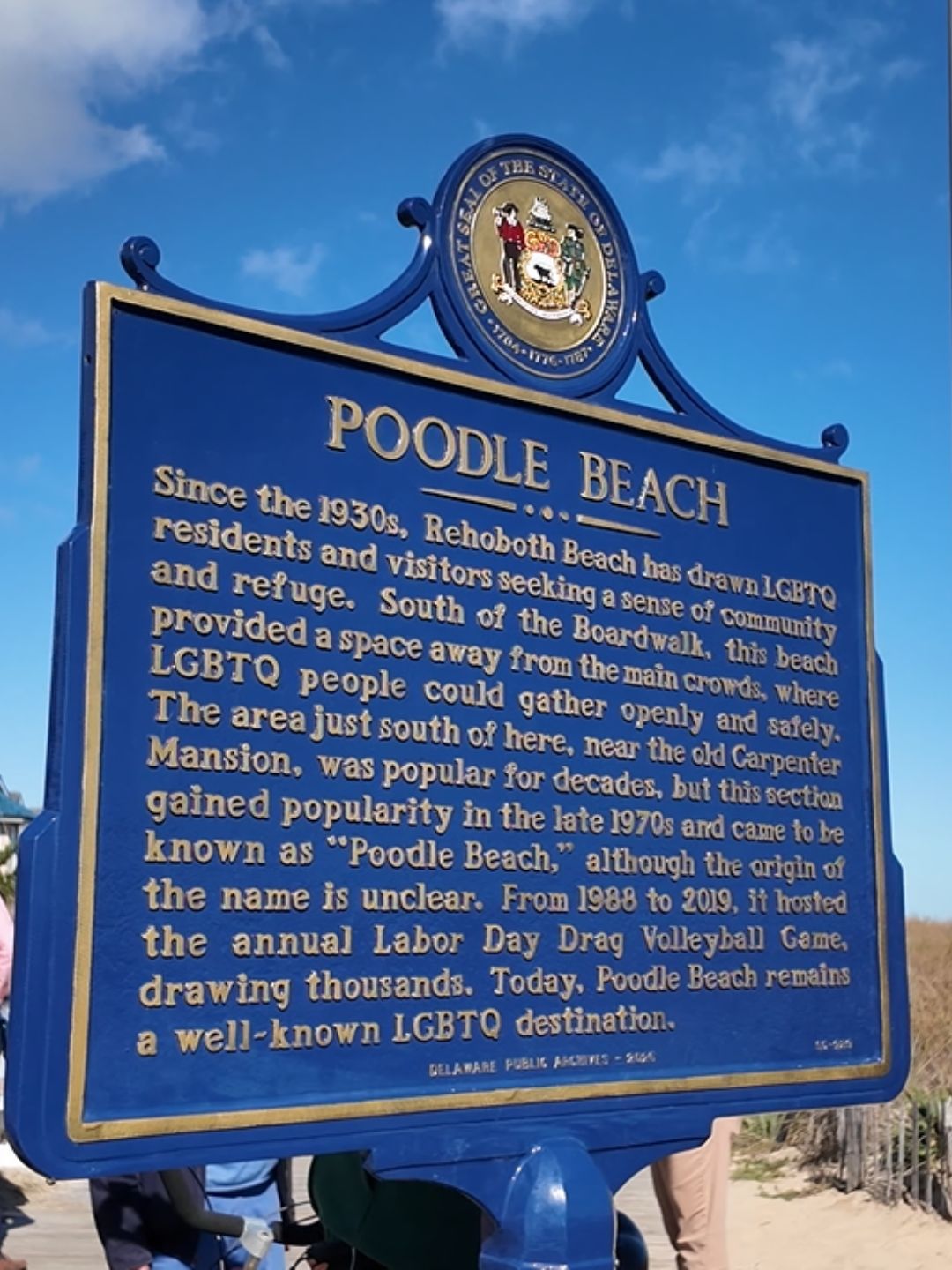
On October 29, 2026, Delaware formally recognized that history with the unveiling of a State Historical Marker in Rehoboth Beach.
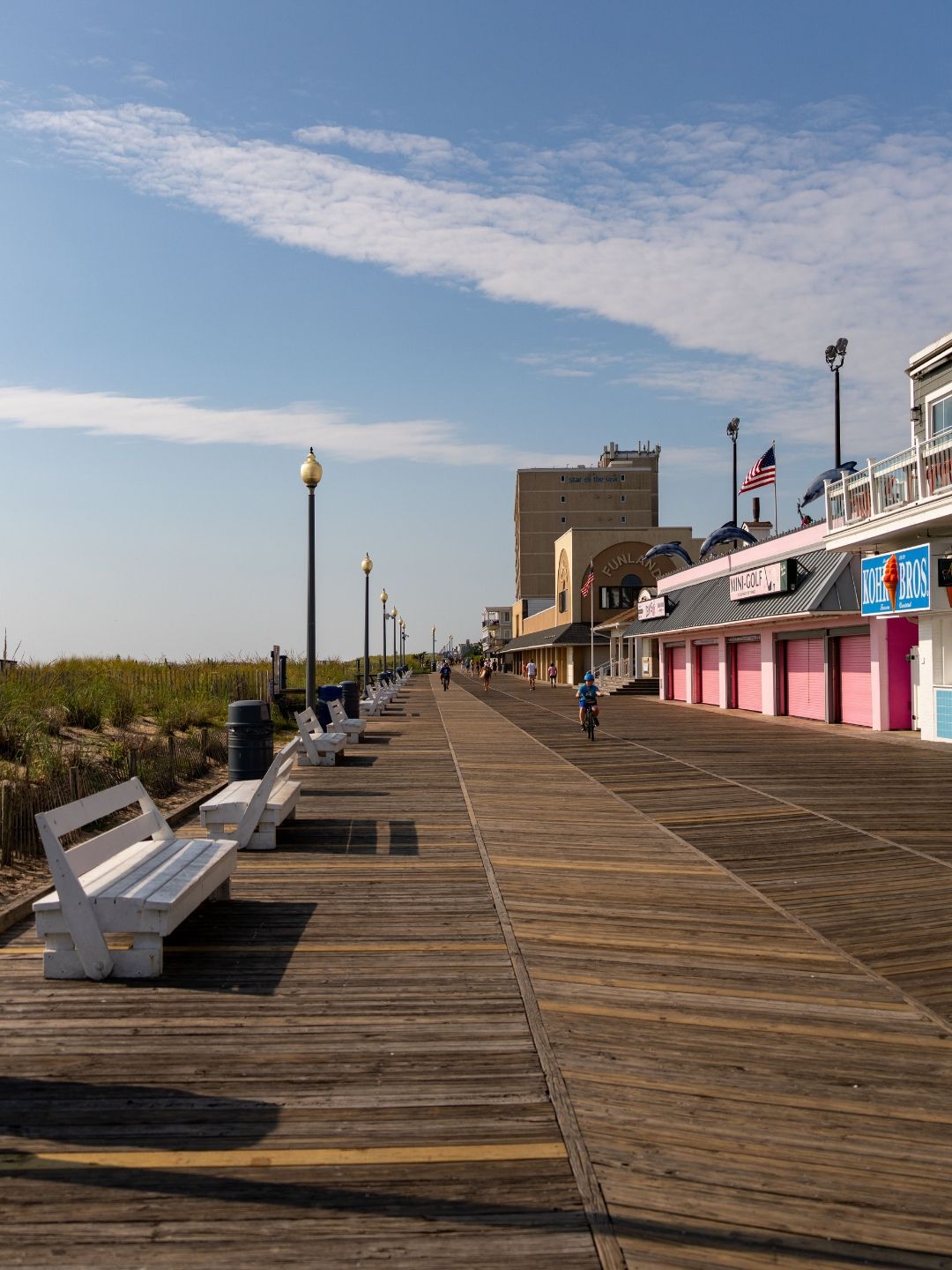
The City of Rehoboth Beach confirmed that state and local officials gathered for the ceremony at Prospect Street and the South Boardwalk.
A lesbian pioneer in the story
The roots of Rehoboth’s queer seaside community reach back to Louisa d’Andelot Carpenter, a wealthy du Pont descendant, equestrian and amateur aviator who had relationships with women.
According to Delaware’s Division of Historical and Cultural Affairs, Carpenter hosted queer friends at her family’s beachfront home beginning in the 1930s.
Her gatherings offered guests a chance to socialize among friends at a time when many could not live openly.
The state’s historical account also documents her longtime relationship with Broadway singer Libby Holman, connecting Delaware’s shore with the theatrical world.
In later decades, the beach near the Carpenter mansion attracted growing numbers of queer visitors, with its distance from the busiest parts of town offering relative privacy.
That history helped shape the community that would develop along the shoreline.
From gathering place to gay beach landmark
The new marker distinguishes the earlier gathering place near the Carpenter mansion from the section of beach that gained popularity in the late 1970s and became known as Poodle Beach.
Carpenter’s welcome was part of this longer history, which generations of visitors continued to build.
Even the origin of the beach’s memorable name remains uncertain.
As the Washington Blade reported in its coverage of the unveiling, the marker also commemorates the annual Labor Day Drag Volleyball Game, which ran from 1988 to 2019 and drew thousands.
Beach holidays, friendships and spectacularly theatrical volleyball all belong in this history.
A community asked to be remembered
Metro Weekly reported that Delaware’s historical marker programme is community-led, with residents and organizations applying to recognize places of significance.
The city identifies Frank Cooper as the applicant behind the Poodle Beach marker.
That is a fitting detail for a place whose importance came from the people who kept returning.
They made plans, brought friends and helped turn a stretch of shoreline into a familiar meeting place.
The marker preserves that social history for visitors who might otherwise walk past without knowing it.
For those who remember seeking out gay beaches before feeling comfortable elsewhere, the recognition may carry particular meaning.
Sometimes a place becomes important because it lets you relax into a version of yourself that the rest of the world rarely sees.
Now Poodle Beach’s place in Delaware’s LGBTQ+ history is there for everyone to read.
📷 AI / stock photography
For more LGBTQ+ stories, visit B-Gay on YouTube.