



Before Stonewall became a rallying point, there were smaller gatherings that carried risks of their own.
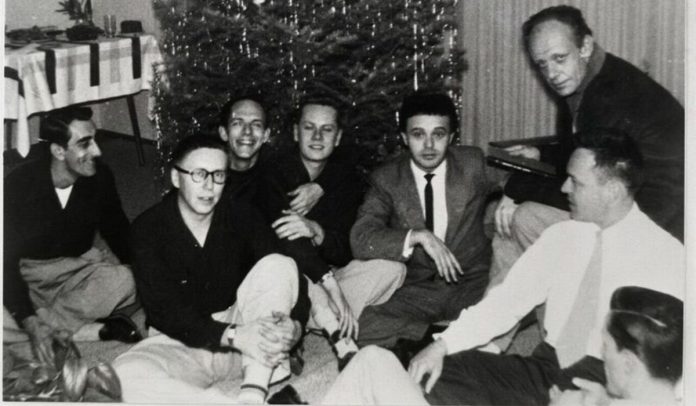
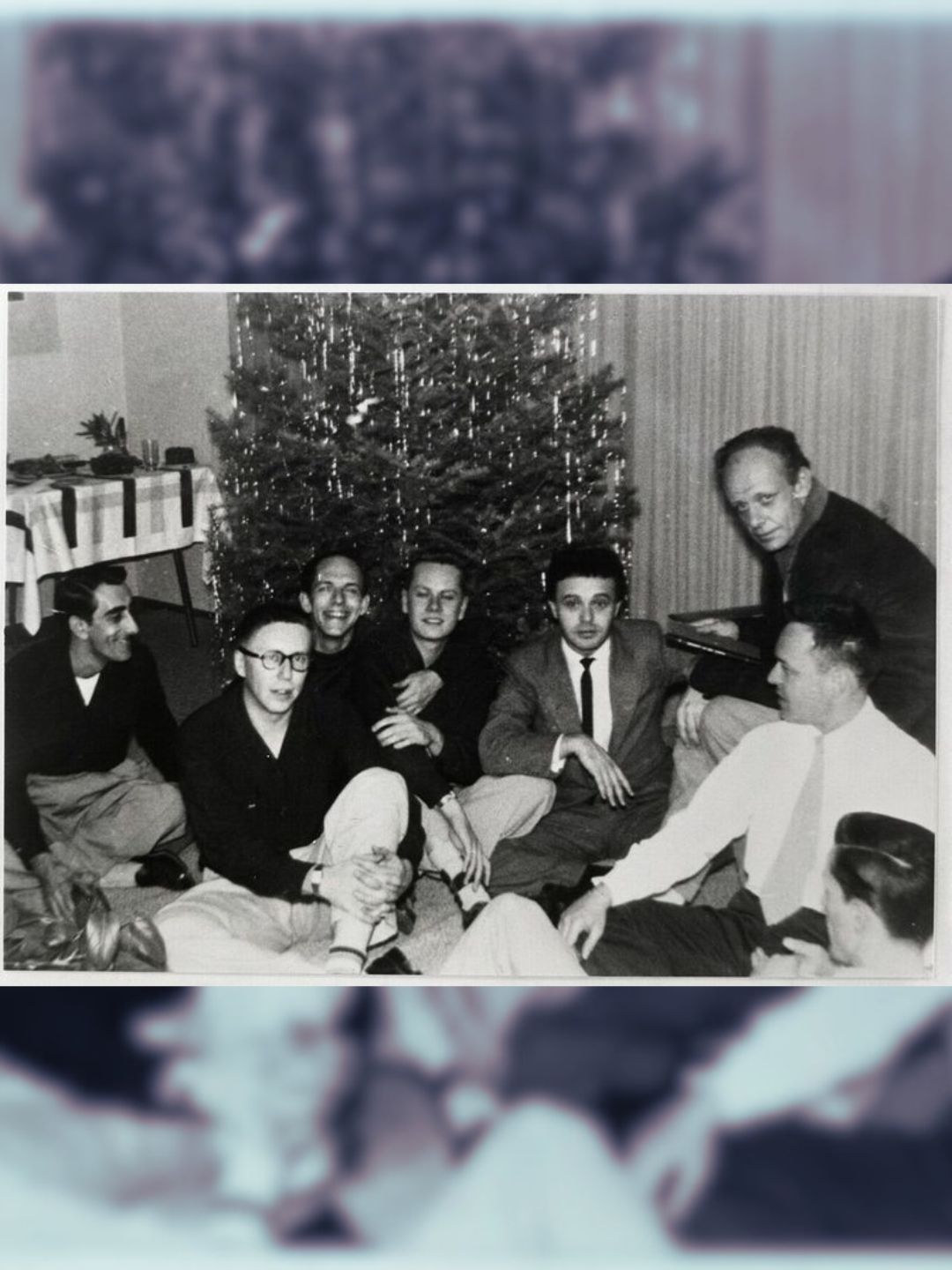
On November 11, 1950, five men met at Harry Hay’s home in Los Angeles to discuss an organisation that would challenge the oppression of gay people.
They were Hay, Rudi Gernreich, Bob Hull, Chuck Rowland and Dale Jennings. OutHistory records that gathering as an early meeting leading to the Mattachine Society.
November 11, 2026, marks 76 years since that moment. Its significance lies in people beginning to organise together, rather than in the completion of a formal incorporation.
Finding each other before it was safe
The men were working in a hostile political climate. During the Lavender Scare, gay people faced suspicion, dismissal and the destruction of their reputations. The National Park Service’s history places the group’s emergence alongside the persecution of gay people in public employment.
Secrecy offered protection. But meeting also created the possibility of recognising shared experiences instead of facing them alone.
The Library of Congress describes Mattachine’s early structure as drawing on the founders’ experience in Communist and other left-wing organising. Its anonymous leadership and private discussions reflected both political ideas and the dangers of visibility.
Love was part of the story, too
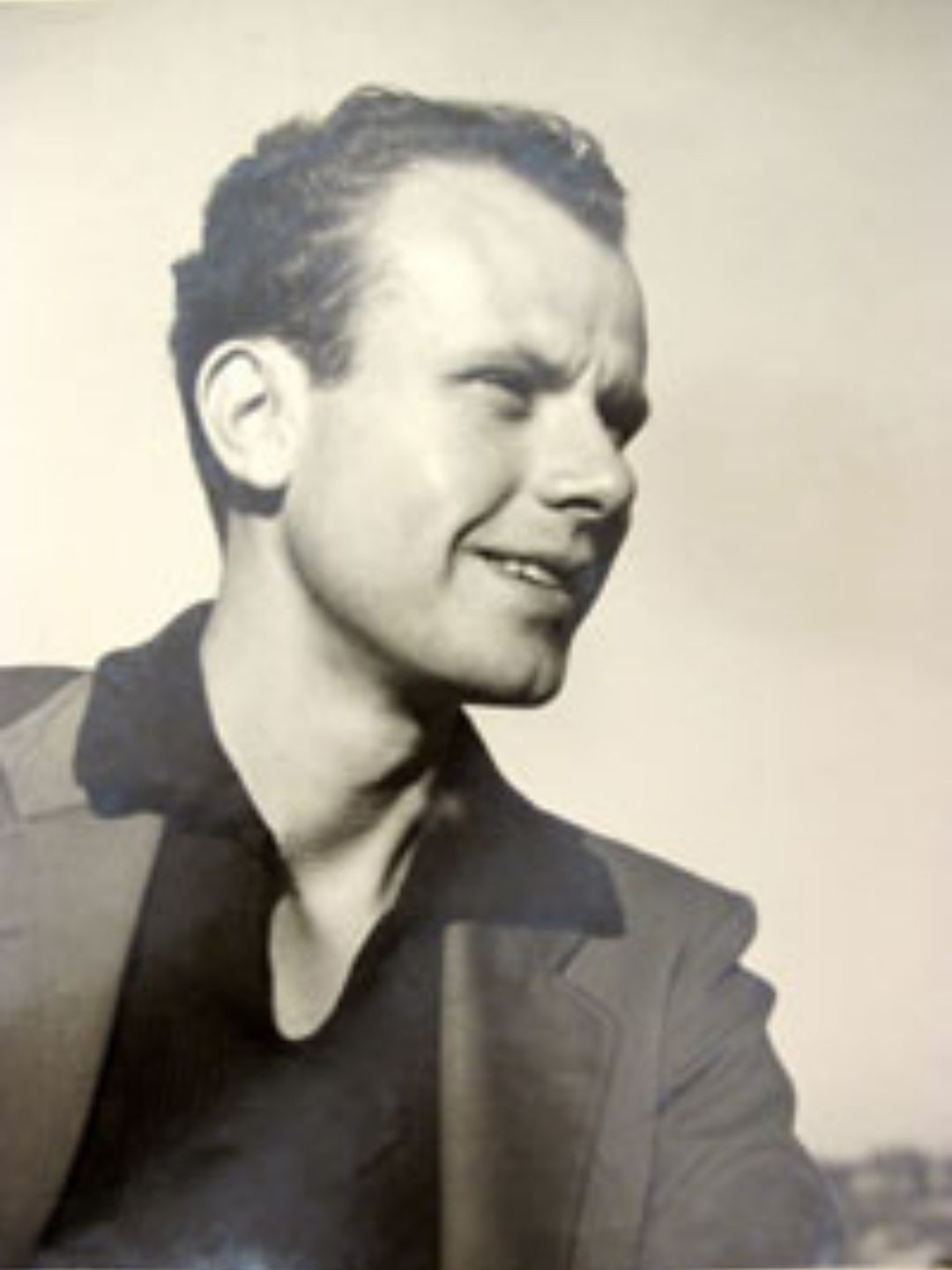
Hay and Gernreich were romantically involved, a connection that helped sustain the organising effort.
Gernreich would become internationally known for his fashion designs. As Crystal Bridges Museum recounts, he also supported Hay’s proposal financially while avoiding public identification with the fledgling organisation.
The personal relationships behind a movement matter. Before there are chapters, publications or public campaigns, there are people deciding whom they can trust.
A beginning that kept evolving
The organisation’s familiar name and structures developed over time. In his 1974 interview with historian Jonathan Ned Katz, Hay recalled that they did not begin using the Mattachine Society name until spring 1951.
The Library of Congress traces the movement’s later growth into regional organisations and publications, including The Mattachine Review, which began in 1955.
It was one of several important organisations in the movement for gay rights before Stonewall. Its founders were helping build something that could outlast a single conversation.
Remembering those beginnings widens our picture of gay history. Public protest matters, and so does the patient work of meeting, listening and persuading people that they have a future worth organising for.
Seventy-six years later, the courage is still recognisable: finding one another in a world that encouraged silence, then deciding to act together.
📷 Jim Gruber / Wikimedia Commons, 1951