


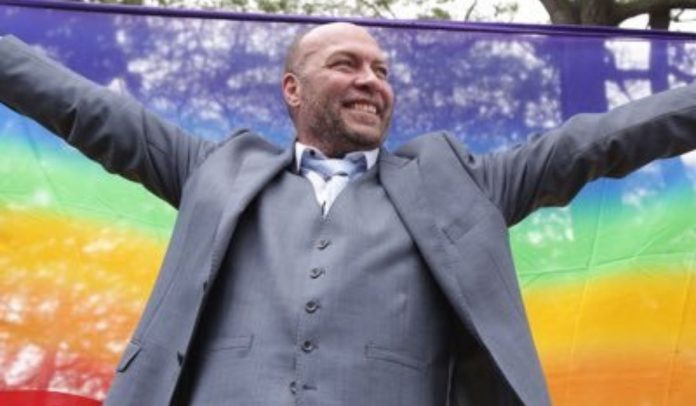

Jason Jones knows what it means to win a landmark gay rights case, only to have that victory taken away.
On November 10, after years of persistence, the Trinidadian activist won again.
The Judicial Committee of the Privy Council unanimously allowed his appeal, ruling that provisions of Trinidad and Tobago’s Sexual Offences Act must be interpreted so they do not criminalise private, consensual sexual relations between adults of the same sex.
The London-based court is Trinidad and Tobago’s final court of appeal. Its decision overturns the outcome of a 2025 appeal that had reversed Jones’s earlier High Court victory.
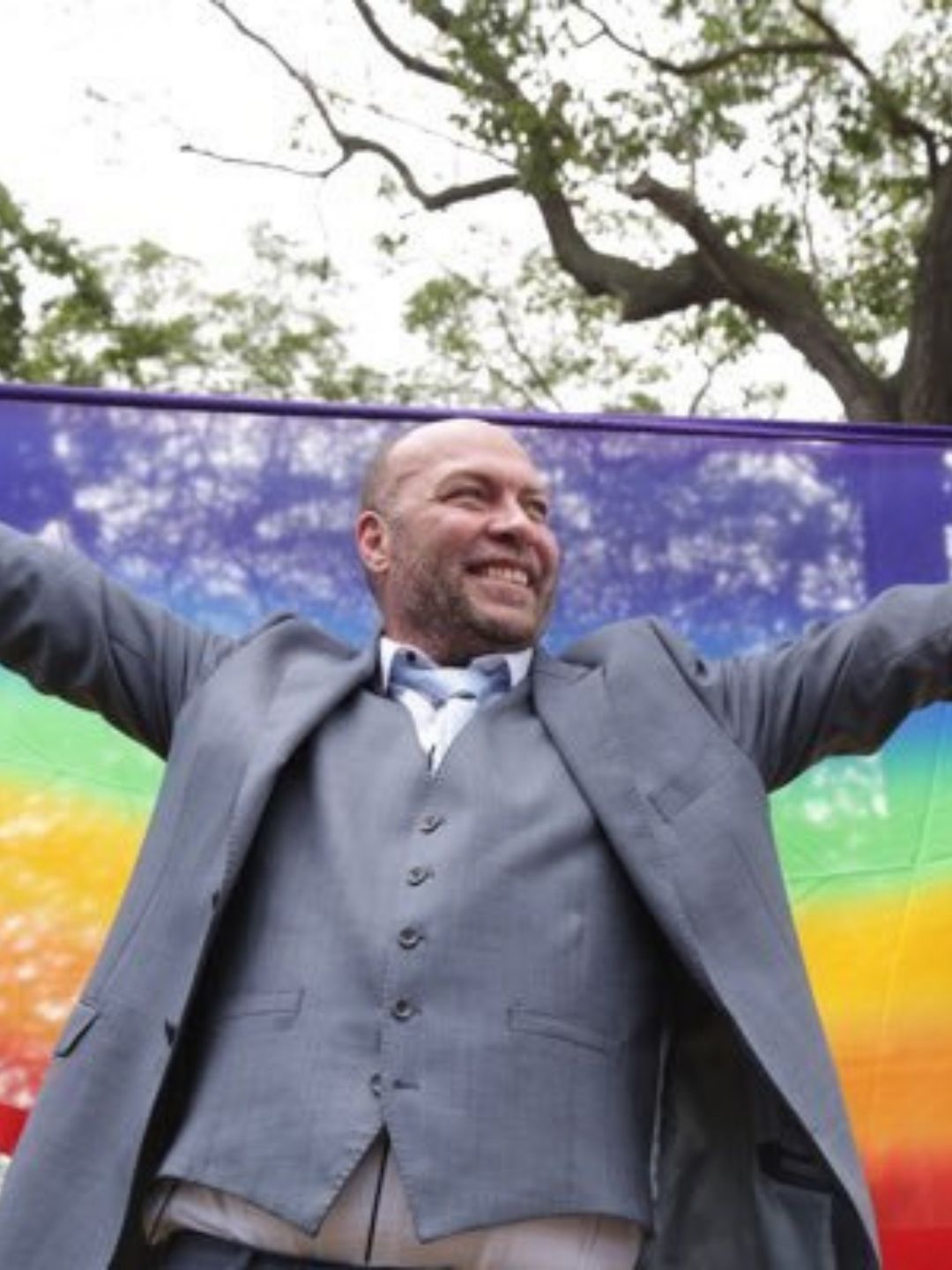
A victory he had to defend
Jones secured that first breakthrough in 2018, when the High Court found that the criminal provisions violated his constitutional rights.
The government appealed. In 2025, the Court of Appeal restored criminalisation to a significant extent, leaving Jones to take his challenge to the Privy Council.
As The Guardian reports, the latest decision brings a decade-long struggle to a landmark victory. Behind the legal arguments is a man who refused to accept that the freedom he had helped secure could simply disappear.
The right to build a loving life
The judgment places intimate relationships at the centre of the constitutional right to private and family life.
“The ability to form a deep connection with another person through an intimate and loving relationship is a vital interest for all human beings,” the court said.
Jones’s lawyers at Freedom Law Chambers welcomed the recognition that a loving relationship between two men engages the constitutional protection of family life.
For people whose relationships have been treated as shameful or criminal, that recognition has a meaning beyond the courtroom. A shared life, affection and companionship belong within the law’s protection.
There is an important procedural detail: the court’s official summary says further written submissions will be considered before the precise final remedial order is made. The judges’ provisional view is to uphold the High Court’s approach to modifying the provisions.
Progress, with work still ahead
The judgment could also strengthen arguments against similar laws elsewhere in the Caribbean. As Trinidad and Tobago broadcaster TTT reports, the lawyers emphasised that its wider significance depends on each jurisdiction’s constitution and laws.
It does not automatically repeal other countries’ criminal provisions.
Nor does a court victory instantly remove stigma. Jones, who has lived in London for decades, told The Guardian he would not yet feel comfortable living in Trinidad again.
For now, he wants to go home, switch everything off and sit with the moment.
After fighting to win, then fighting to recover that win, he has earned the chance to do exactly that.
📷 Jason Jones / X