


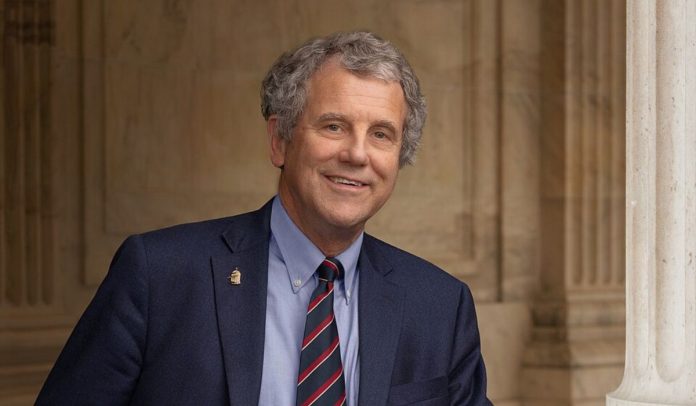

Sherrod Brown’s Senate comeback has a history that gay readers may want to remember.
In 1996, when the House overwhelmingly passed the Defense of Marriage Act, the Ohio congressman was among the small minority voting against it.
Thirty years later, voters have elected Brown back to the Senate. The Associated Press reports that the Democrat defeated Republican senator Jon Husted, following Brown’s loss of his previous Senate seat in 2024.
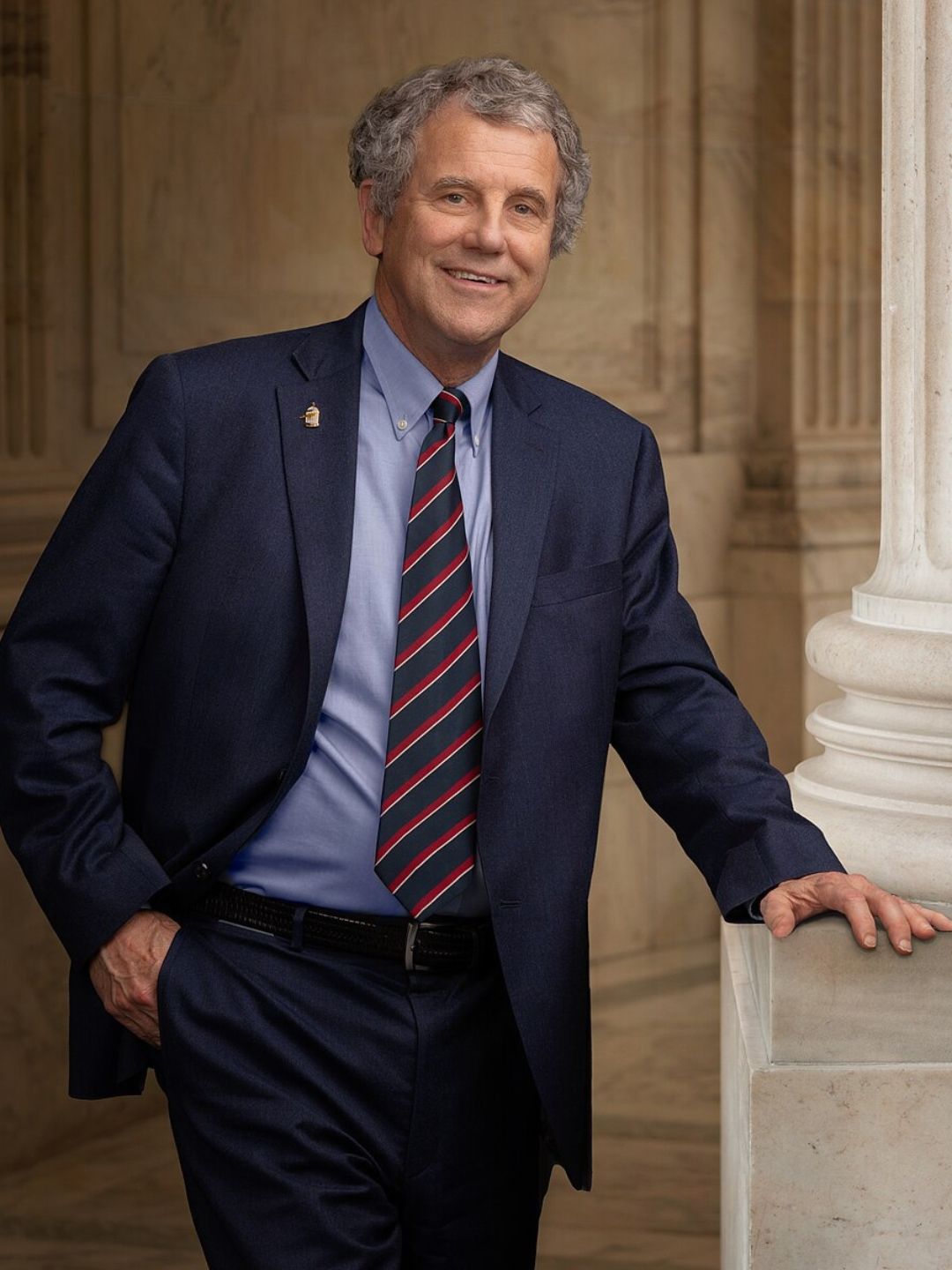
One of the 67
The historical record is clear. The House Clerk’s official roll call for July 12, 1996 lists 342 votes in favour of DOMA and 67 against. Brown of Ohio appears among the opponents.
It was a consequential piece of legislation. The law’s text defined marriage for federal purposes as a union between one man and one woman, excluding same-sex spouses from federal recognition.
For gay couples, that was about the legal treatment of a shared life: whether the federal government would recognise the person you had married as your spouse.
Brown’s vote did not stop the bill. It did put his opposition on the record.
From opposition to repeal
In 2022, Brown voted for the Respect for Marriage Act. The Senate’s November 29 roll call records his yes vote on the measure, which repealed DOMA and provided marriage recognition protections.
His record also includes joining senators introducing a resolution recognising June as LGBTQ Pride Month in 2017, documented in an announcement from Senator Chris Murphy’s office.
These are distinct actions across different years: opposing exclusion, supporting recognition and acknowledging LGBTQ+ community life.
A voting record worth checking before a date
There is a personal connection, too. In a Valentine’s Day essay published this year, Brown recalled asking writer Connie Schultz out in 2003.
Before agreeing, he said, she wanted to see his voting record on reproductive rights and LGBTQ+ rights. Both had to meet her standards.
Brown wrote that he passed the test. It is an affectionate detail, and a rather practical approach to checking whether someone shares your values.
The current news is his election victory. The older story is a set of decisions made long before this comeback campaign.
For readers who remember the uncertainty and exclusion surrounding gay relationships in the 1990s, that distinction has weight. A new win can bring attention back to an old vote — and to the people whose lives were affected by it.
📷 Renee Bouchard / U.S. Senate (2009)