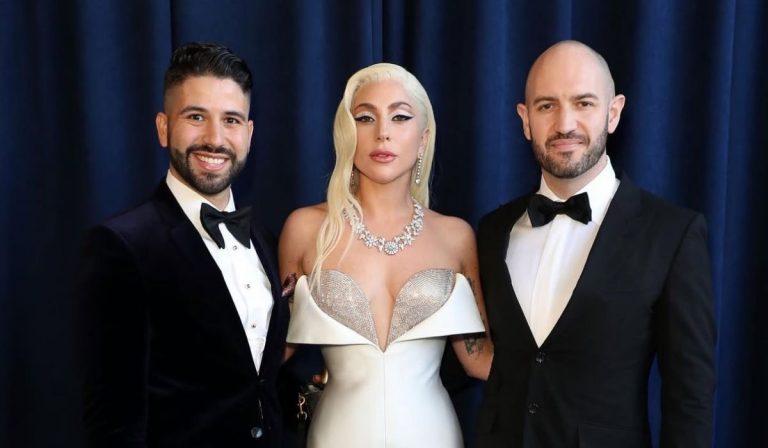
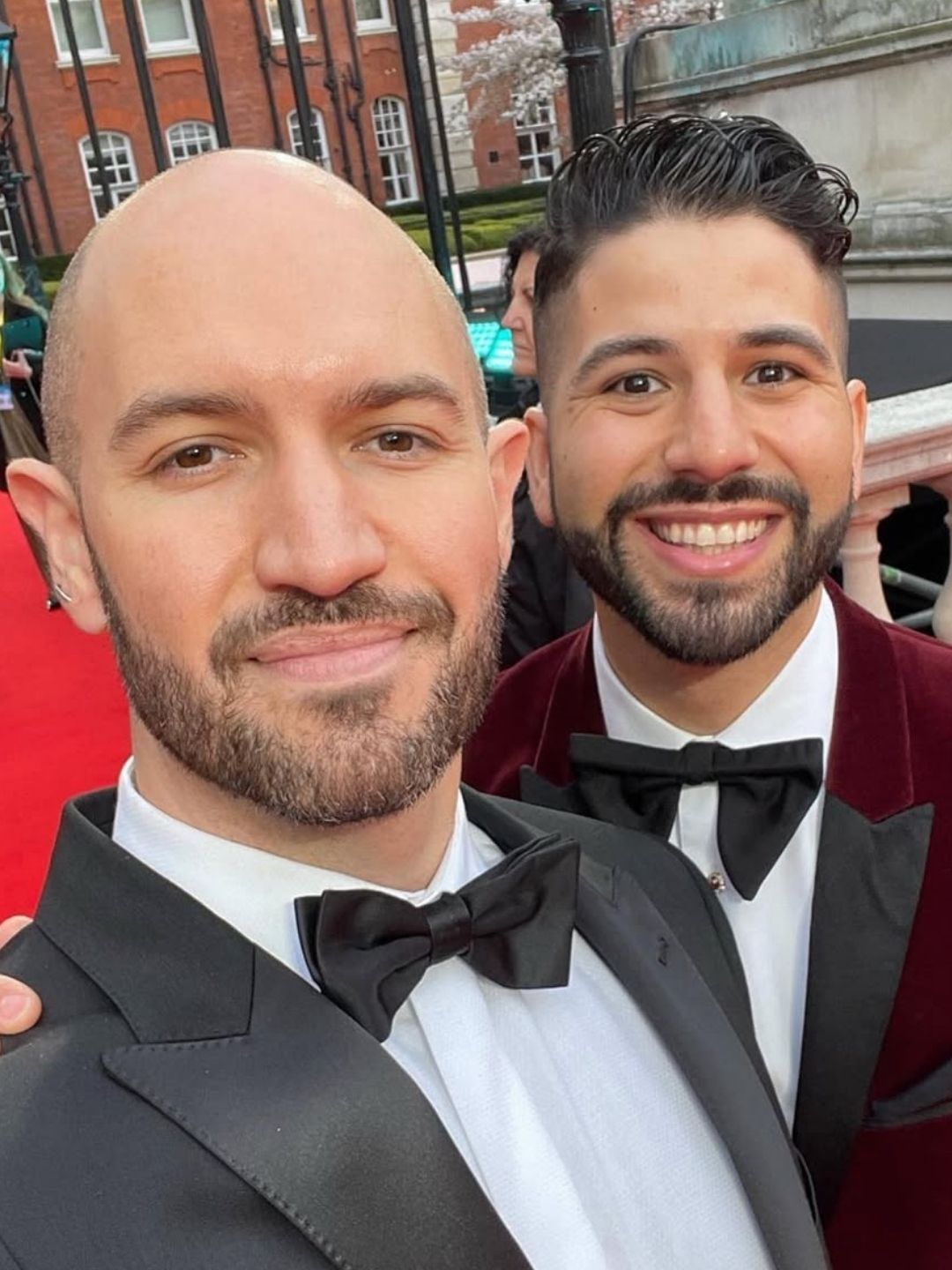
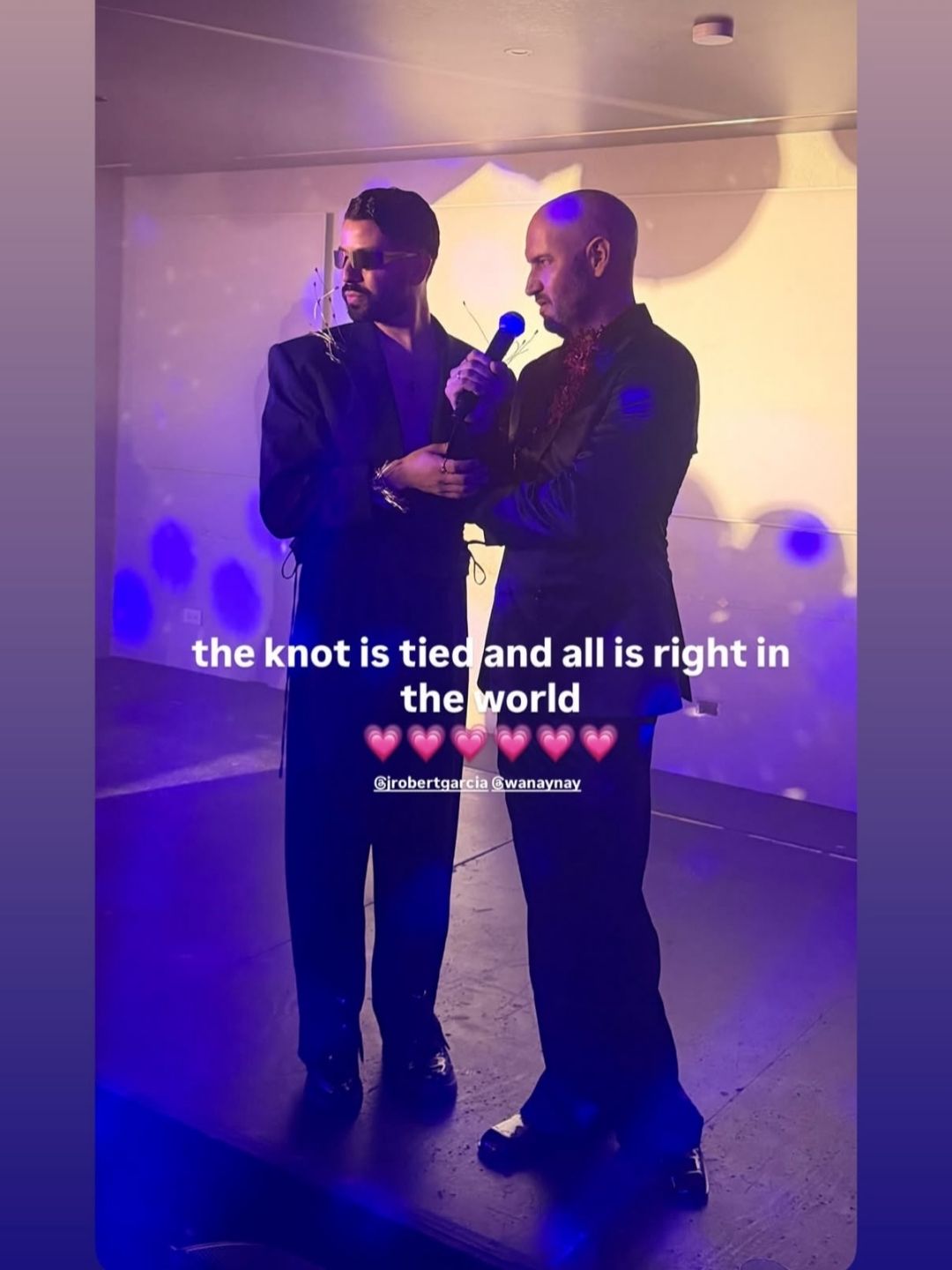
Lady Gaga spent her weekend celebrating the marriage of her longtime manager and close friend Bobby Campbell.
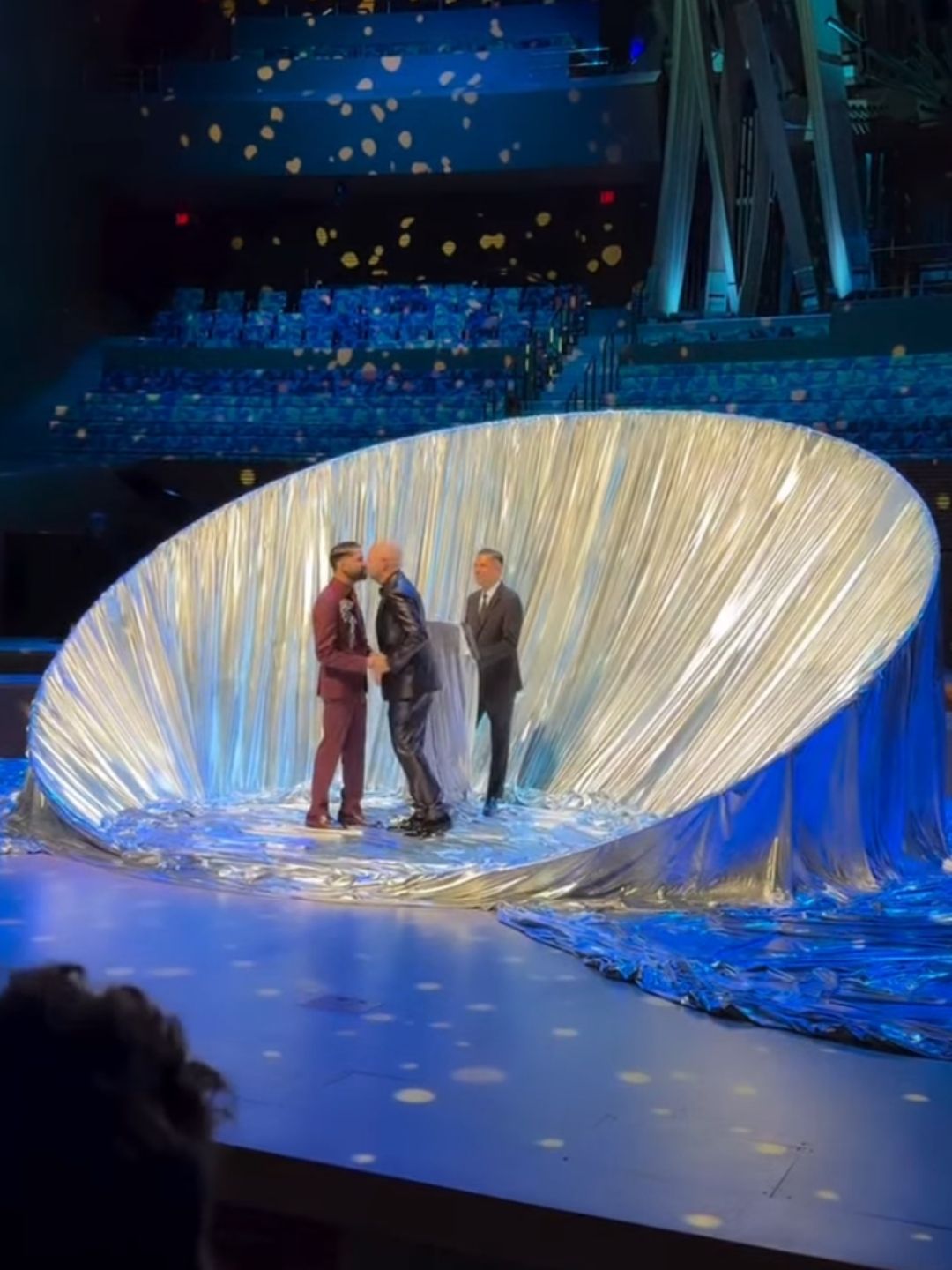
Campbell married lawyer J. Robert García during a Saturday evening ceremony at the Walt Disney Concert Hall in downtown Los Angeles.
The couple exchanged vows surrounded by relatives, friends and several famous guests.
Gaga attended the celebration with her fiancé, Michael Polansky.
Despite being one of the most recognisable people in the building, she reportedly made a deliberate effort not to dominate the occasion.
Sources told TMZ that Gaga kept a low profile and blended in with the other wedding guests.
She also did not perform during the reception.
That may surprise anyone imagining the advantages of having Lady Gaga’s manager as one of the grooms.
The newlyweds nevertheless had another dance-music icon available to keep their celebration moving.
Crystal Waters, best known for the enduring club classic Gypsy Woman, provided the evening’s entertainment.
Waters reportedly encouraged guests onto the dance floor during the reception.
Campbell’s professional relationship with Gaga stretches back more than a decade.
He became her manager during a major transitional period in her career and has remained an important figure behind the scenes ever since.
Campbell helped guide the singer through album campaigns, international tours, major acting projects and her Academy Award-winning era surrounding A Star Is Born.
He has also served as a producer on projects offering audiences a closer look at Gaga’s creative and personal life.
Their relationship has never appeared limited to ordinary artist management.
Gaga has spoken about Campbell publicly with warmth and affection, while he has accompanied her through some of the most important moments of her career.
That friendship made her presence at his wedding more personal than a celebrity appearance arranged for publicity.
Gaga had already publicly acknowledged Campbell and García’s relationship before the ceremony.
During one of the final performances of her Las Vegas Jazz & Piano residency in July 2024, she congratulated Campbell on his recent engagement to García.
Two years later, she was present as the engagement became a marriage.
Campbell and García have also appeared publicly together as supporters of LGBTQ+ civil-rights work.
Lambda Legal has recognised the couple among the prominent supporters of its campaign to defend and expand protections for LGBTQ+ people and those living with HIV.
The organisation published a statement from Campbell and García describing the need to resist attempts to reverse hard-won LGBTQ+ rights.
Their wedding therefore united figures from entertainment, law and LGBTQ+ advocacy inside one of Los Angeles’ most distinctive cultural landmarks.
Walt Disney Concert Hall is internationally recognised for its dramatic architecture and its role as the home of the Los Angeles Philharmonic.
For one Saturday evening, it became the setting for two men beginning their married life together.
Gaga’s decision not to perform arguably made the occasion feel even more meaningful.
She did not attend as Lady Gaga the global superstar responsible for commanding stadiums and red carpets.
She attended as Bobby Campbell’s friend.
There was no elaborate costume reveal, surprise musical number or attempt to transform the wedding into another celebrity spectacle.
The focus remained on Campbell and García as they became husbands.
Crystal Waters supplied the music, the guests filled the dance floor and Gaga celebrated quietly beside her own future husband.
For an artist famous for theatrical entrances, allowing someone else to enjoy centre stage may have been the most loving wedding gift of all.
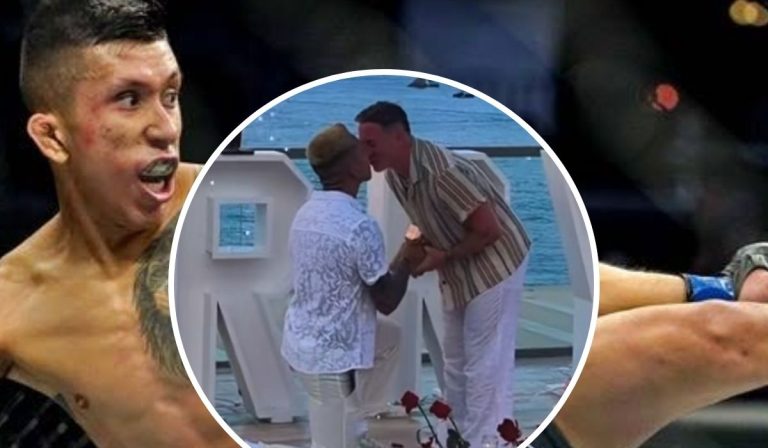
Jeff Molina has begun a new chapter both inside the fighting ring and outside it.
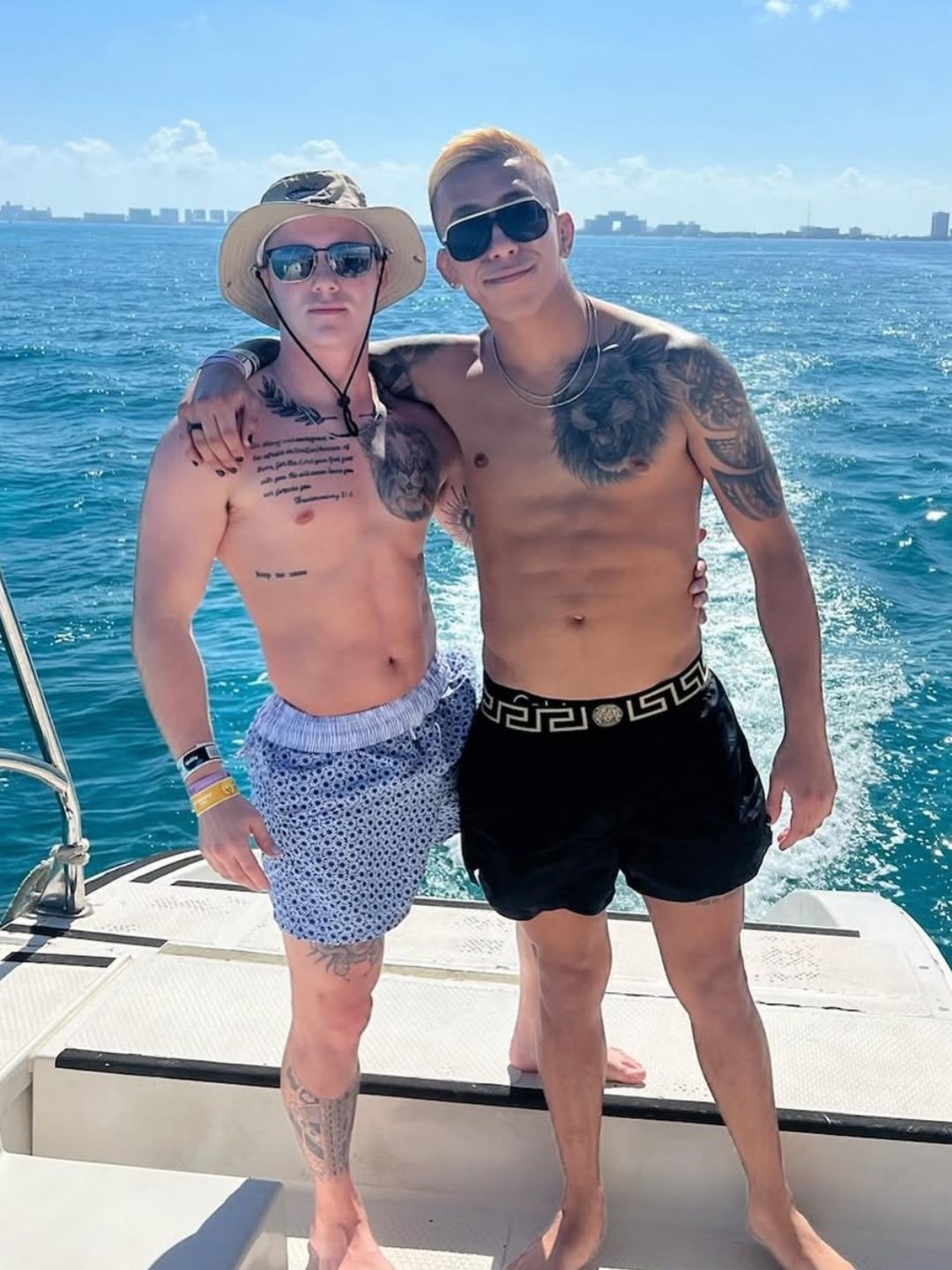
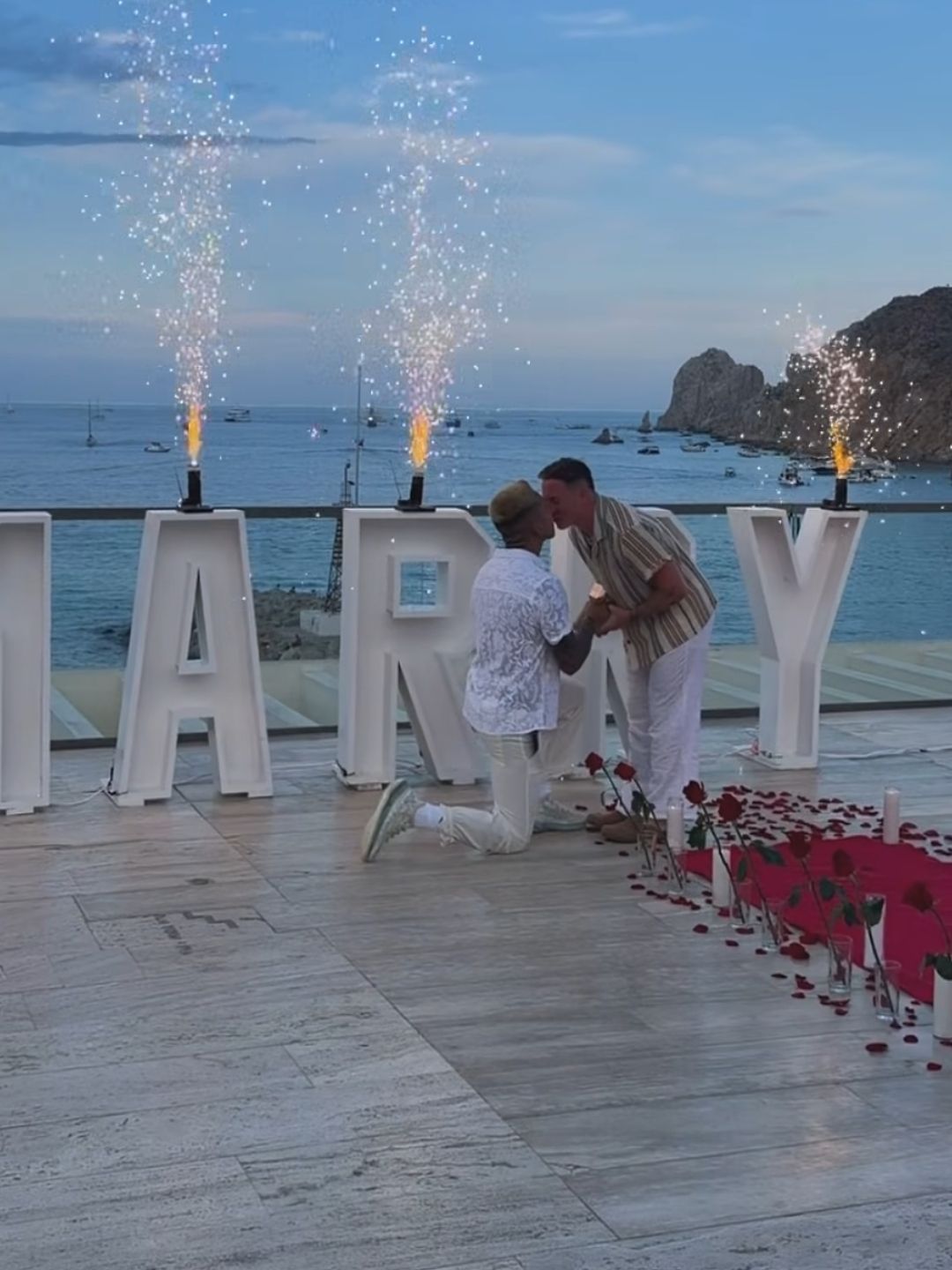
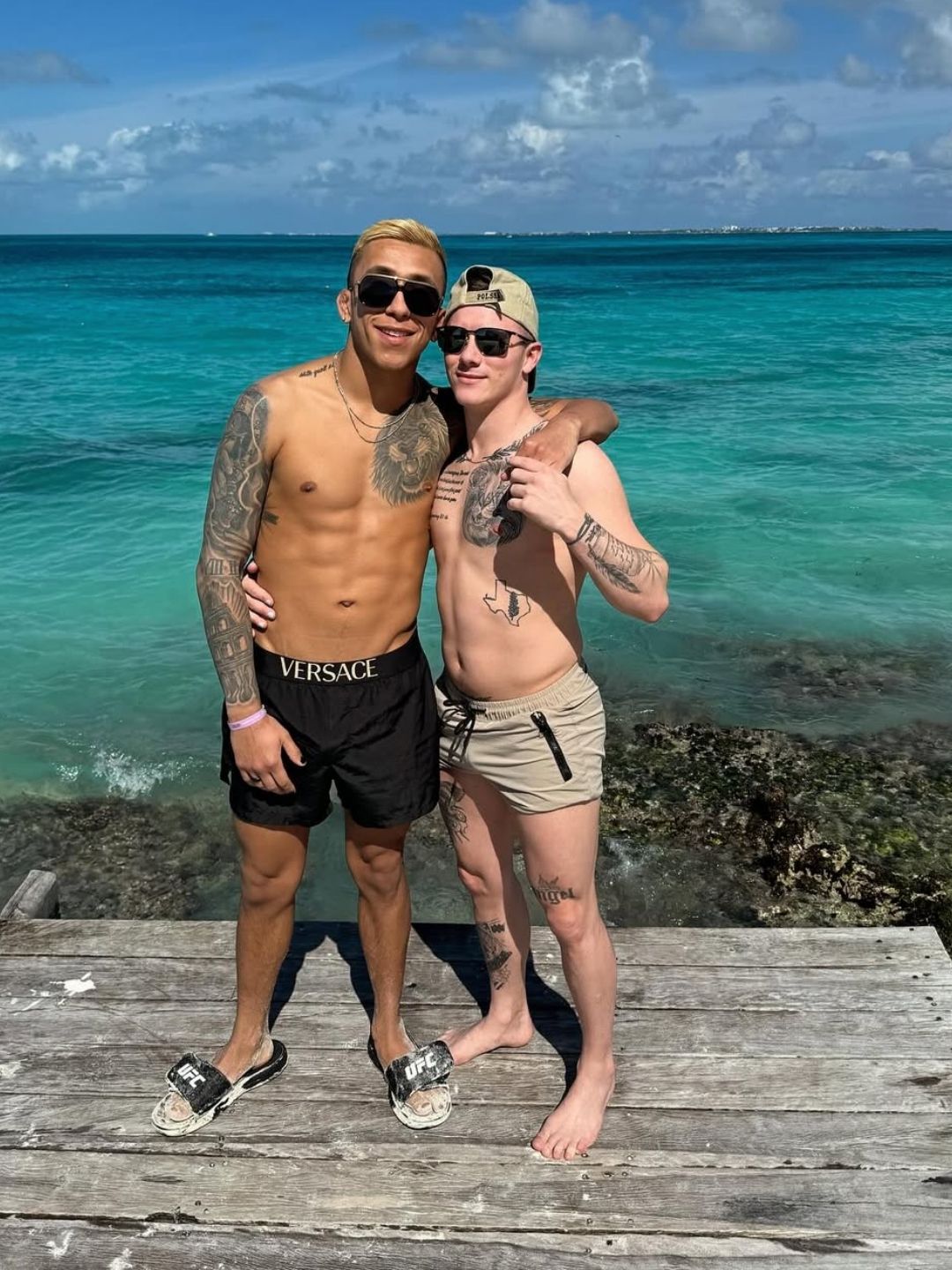
The former UFC flyweight has announced that he is engaged to his boyfriend shortly after returning to professional mixed martial arts for the first time in nearly four years.
Molina shared photographs celebrating the engagement on Instagram around his 29th birthday.
“No better birthday gift than getting to spend life with your best friend,” he wrote.
The announcement offered supporters a glimpse of the ring and a joyful personal milestone following several turbulent years in Molina’s professional and private life.
His engagement arrived only weeks after he travelled to Kazakhstan to compete at Nomad Fighting 15 (Outsports).
Molina accepted the bout against Arman Ashimov with approximately four weeks to prepare.
The journey reportedly required around 30 hours of travel before he entered the ring at Almaty Arena on July 4.
Ashimov defeated Molina by unanimous decision after three rounds.
The result was not the victory Molina wanted, but simply competing again represented an important step forward.
Molina thanked the promotion and the people of Kazakhstan for welcoming him warmly.
He also made clear that the defeat would not end his return.
“The story isn’t finished,” Molina wrote before promising, I’ll be back.
Molina previously established himself as a promising UFC flyweight with an aggressive and entertaining fighting style.
He won all three of his official UFC appearances after earning his contract through Dana White’s Contender Series.
His UFC record included victories over Aoriqileng, Daniel da Silva and Zhalgas Zhumagulov.
His career was later interrupted by a Nevada Athletic Commission suspension connected to betting violations involving the fight of former teammate Darrick Minner.
The suspension was applied retroactively and expired in November 2025.
Molina has denied that he participated in fight-fixing and has disputed how his involvement was characterised publicly.
The professional controversy unfolded around the same period as an intensely personal violation of his privacy.
In March 2023, an intimate video featuring Molina and another man was distributed online without his consent.
The leak forced Molina to address his sexuality publicly before he had chosen to do so.
He announced that he was bisexual and explained that he had not planned to make that part of his personal life public during that stage of his fighting career.
The announcement made Molina the first active male UFC fighter to identify openly as part of the LGBTQ+ community.
That milestone was historically significant for men’s mixed martial arts, where very few prominent male athletes have come out publicly.
However, Molina repeatedly emphasised that the circumstances were not something to celebrate.
He had been denied the opportunity to decide when, how or whether he would share the information himself.
Molina later received messages of support from fans, fellow athletes and reportedly other fighters who had not come out publicly.
He also began sharing more of his relationship on social media on his own terms.
In early 2024, Molina posted photographs with his boyfriend after previously keeping most of his dating life away from his public Instagram account.
The supportive reaction substantially outweighed the predictable homophobic comments from some MMA followers.
His engagement announcement now represents another important contrast with the events of 2023.
This time, Molina chose the photographs, wrote the message and decided exactly what he wanted his audience to know.
The post was not a response to a leak, a scandal or somebody else’s invasion of his privacy.
It was simply a fighter celebrating the man he considers his best friend and the future they intend to share.
The timing also gives Molina two reasons to view July 2026 as the beginning of something new.
His return in Kazakhstan demonstrated that he remains serious about rebuilding his fighting career after years away from professional competition.
His engagement showed that the personal life once exposed without his permission has become a source of pride and happiness he can now share voluntarily.
Molina did not leave Kazakhstan with a victory on his record.
He nevertheless returned home having proved that he could compete again and with plans to continue fighting.
Only days later, he celebrated a commitment expected to last far beyond any sporting career.
Jeff Molina is officially back in MMA, proudly engaged and once again determining the direction of his own story.
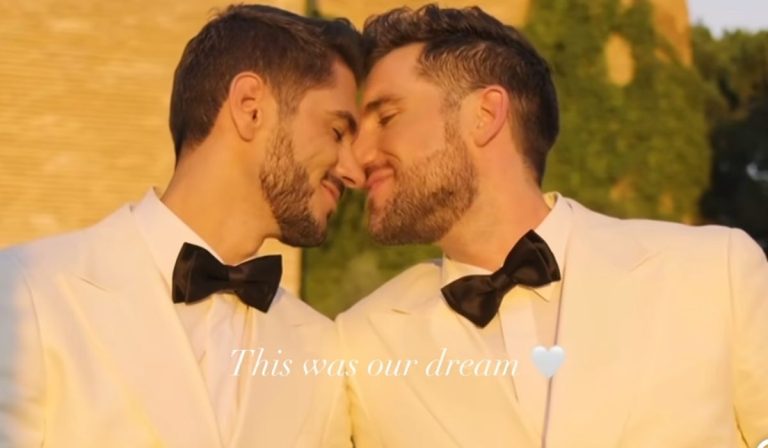
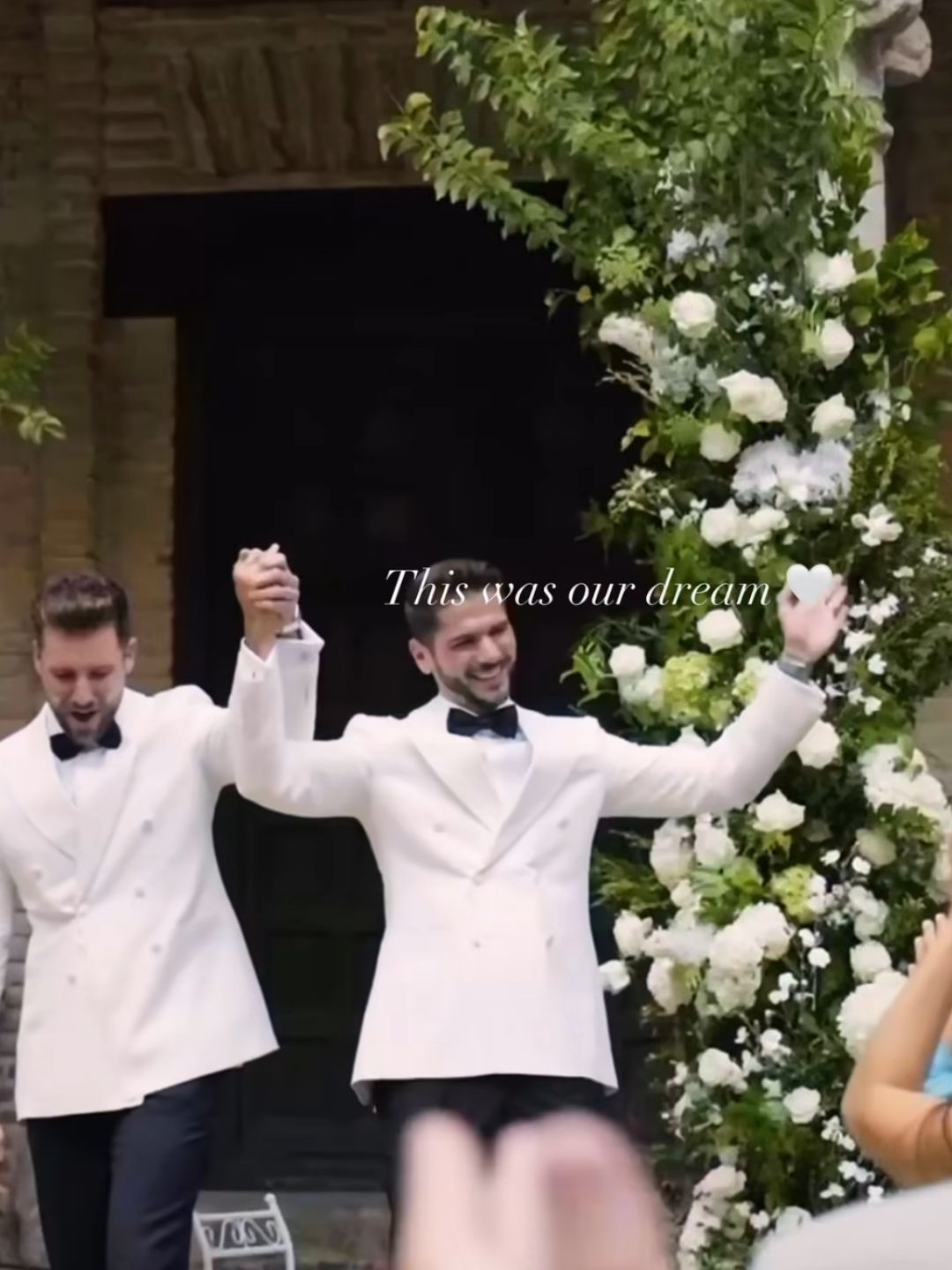
Steven Epprecht and Marcos Ruiz are officially married after celebrating their love with a romantic outdoor wedding in Spain.
The couple exchanged vows at Castillo de Batres, a historic wedding venue surrounded by gardens near Madrid.
Steven announced the happy news by sharing photographs and video from the ceremony with the simple declaration, We’re married!
He described the celebration as more magical and perfect than the couple could ever have imagined.
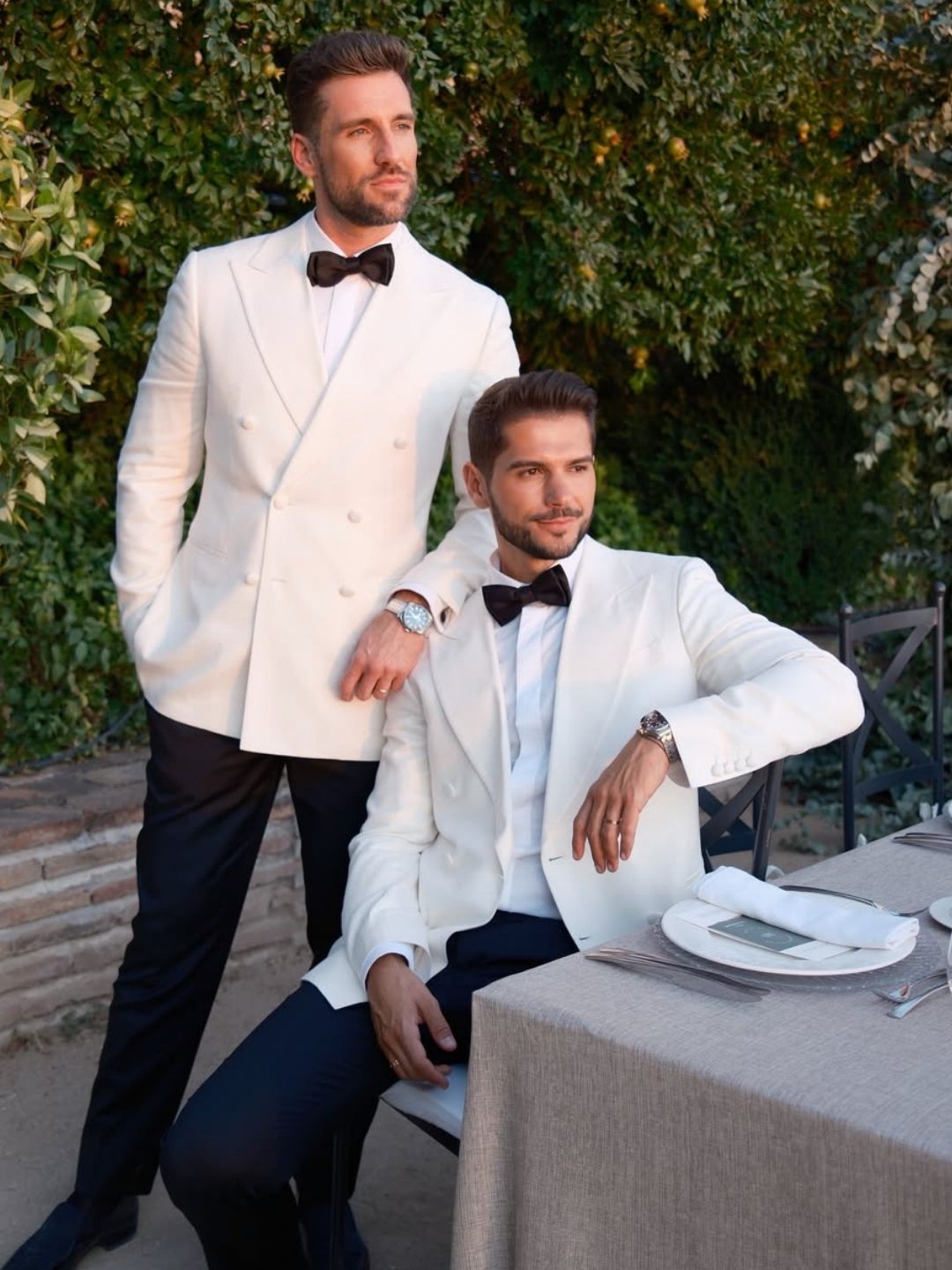
The photographs show the two grooms coordinating beautifully in white double-breasted dinner jackets, black bow ties and dark trousers.
Steven and Marcos stood beneath large arrangements of white flowers during the ceremony before walking through a joyful shower of flower petals thrown by their guests.
The elegant celebration marked the culmination of a relationship that began across national borders.
Steven and Marcos have been together since 2021.
The couple initially maintained a long-distance relationship between Switzerland and Spain.
Marcos eventually left his life in Spain and moved to Zurich so that he and Steven could build their everyday life together.
The decision represented a significant commitment long before wedding rings entered the story.
Steven became publicly known in Switzerland as a model, influencer and entrepreneur after reaching the final of the Mister Switzerland competition in 2012.
He later built a successful social-media career and co-founded a business working with brands and content creators.
Steven publicly came out as gay during Zurich Pride in 2021 after previously worrying that openness about his sexuality might affect his career.
He has since shared his relationship with Marcos openly, despite occasionally encountering homophobic reactions online.
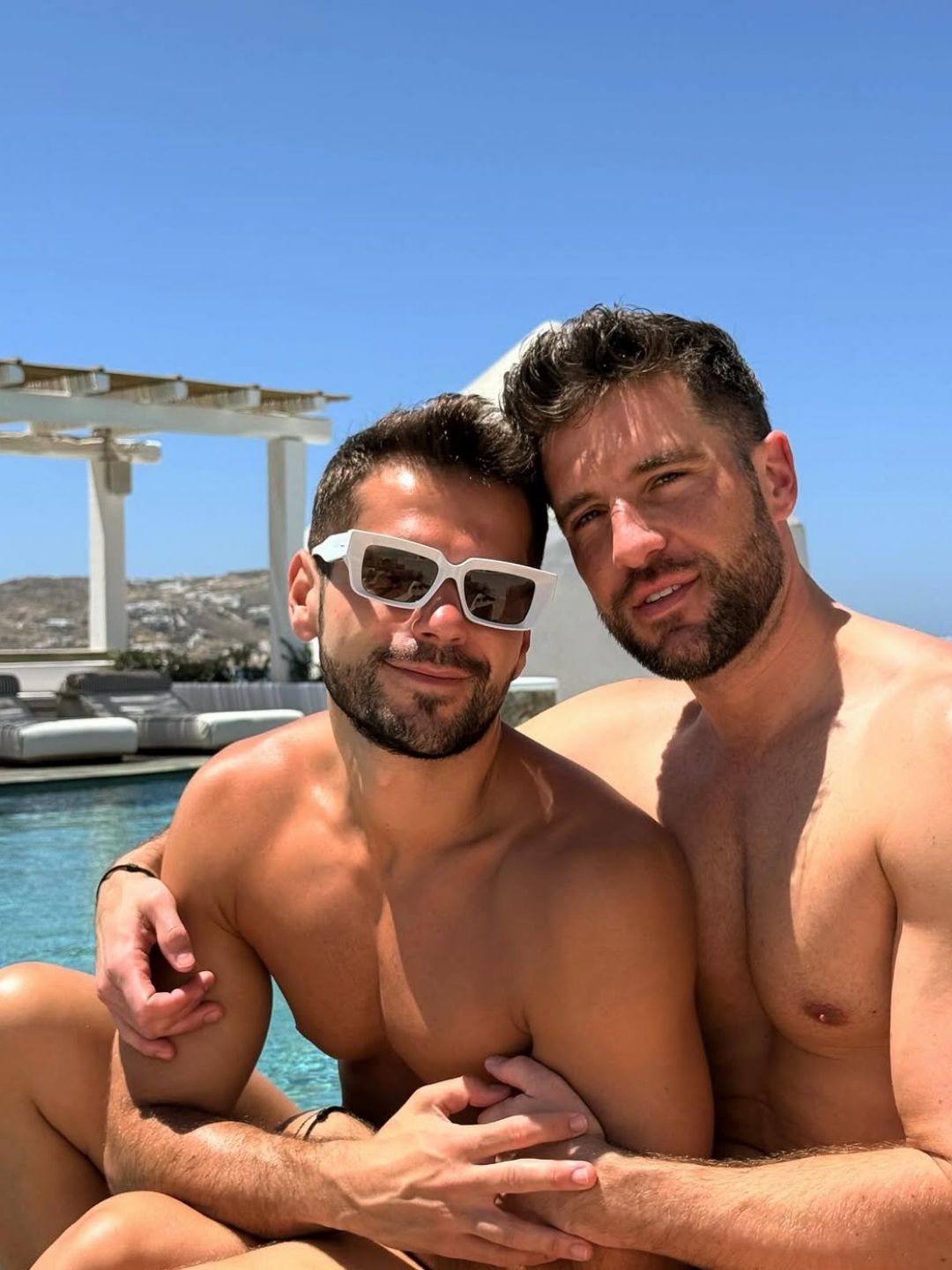
The couple announced their engagement in August 2025 following a romantic proposal on the Greek island of Mykonos.
Steven arranged for their hotel terrace to be decorated with flowers and candles for a private dinner overlooking the sea.
The plan almost encountered an unexpected obstacle when a large cruise ship temporarily blocked the carefully chosen sunset view.
The ship eventually moved, the sunset returned and Marcos said yes.
Steven later said he had known from the moment they met that Marcos was the man of his life.
He described their relationship as natural and grounded in complete trust, mutual acceptance and the freedom for each partner to remain himself.
After announcing the engagement, the couple considered holding their wedding in Switzerland, Spain or on a Greek island.
They knew that they wanted a warm summer celebration held outdoors and surrounded by the many people important to them.
Steven initially suggested that organising everything before summer 2027 might be difficult.
The couple ultimately accelerated those plans and selected Spain as the place where their two lives and families would come together.
The wedding appears to have included another promise made during the early planning period.
Swiss singer Remo Forrer once jokingly offered to perform at the ceremony, and the newlyweds credited him as their wedding singer after the celebration.
Steven and Marcos thanked their friends, relatives and wedding team for creating a day they said exceeded everything they had imagined.
The images capture an elegant event, but the deeper story is about the journey that brought the couple there.
Their relationship survived distance, an international move and the challenge of combining two established lives in one city.
The wedding also offers another joyful and unapologetically public image of two men building a future together.
Steven has previously spoken about the importance of being open about his sexuality and refusing to hide a central part of his identity from his audience.
Sharing the marriage with hundreds of thousands of followers continues that visibility through celebration rather than explanation.
The couple began as two men attempting to make love work between Spain and Switzerland.
Five years later, Steven Epprecht and Marcos Ruiz walked through falling flower petals at a Spanish castle as husbands.
Dublin is crowded, slightly chaotic and a little rough around the edges. It is also one of the friendliest cities I have visited — especially after dark, when the pubs fill up, strangers start talking and an ordinary night at The George can suddenly become rather memorable.
Some cities win you over with perfect architecture, spotless streets and carefully managed beauty.
Dublin is not one of those cities.
It can feel scruffy, noisy and slightly chaotic. The centre was packed with tourists when I visited for a long weekend in mid-July, and parts of the city had a distinctly rough-around-the-edges appearance.
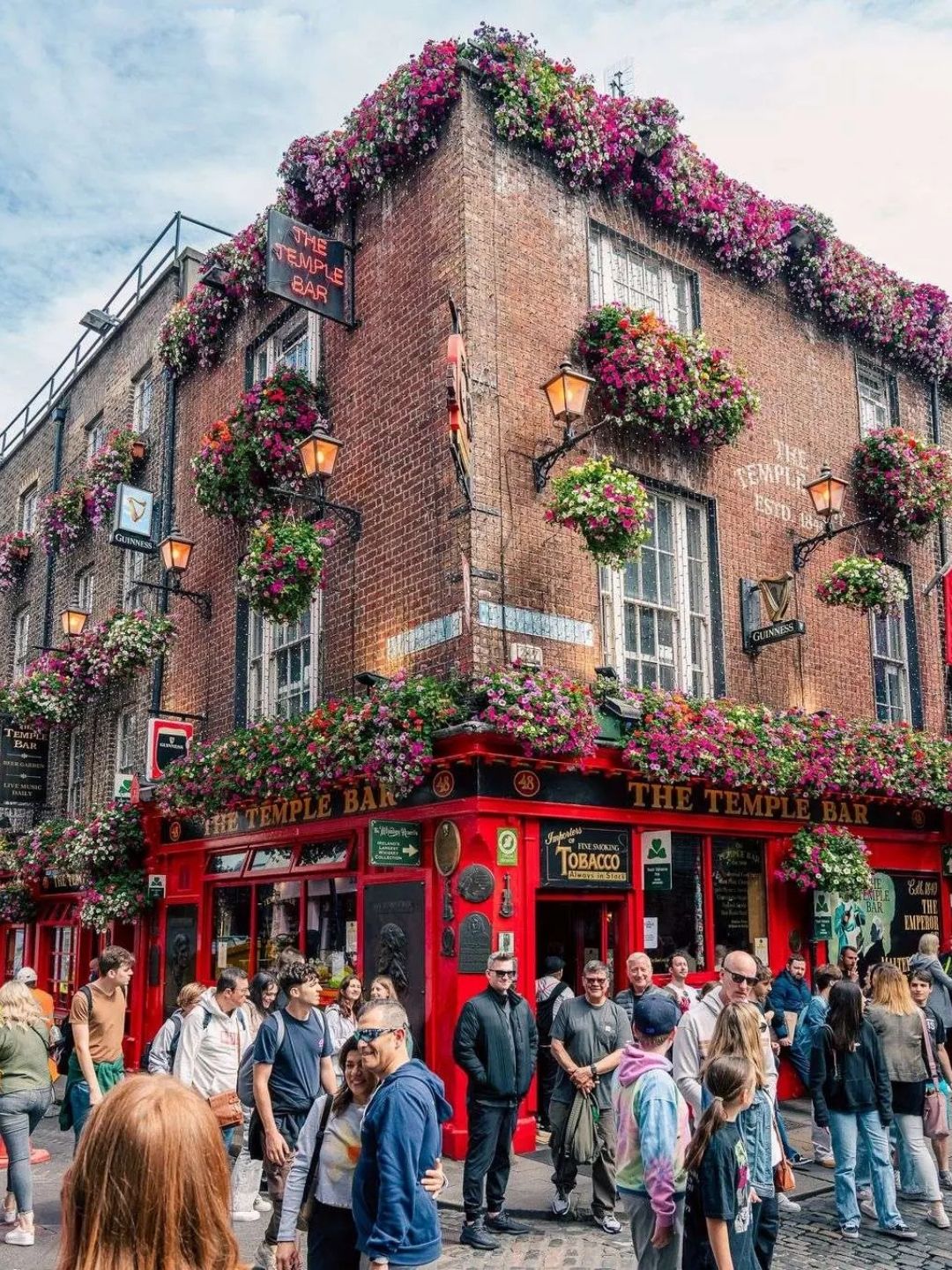
The Temple Bar
But Dublin has something much harder to manufacture: warmth.
People talk to you. Bartenders acknowledge you. Strangers strike up conversations. Even in the busiest parts of the city, I rarely felt invisible — which matters when you are travelling alone.
And then, of course, there was the Irishman I kissed at The George.
More about him shortly.
A Long Weekend In The Middle Of Everything
I stayed from Thursday until Monday at Point A Hotel Dublin The Liberties, on the south side of the River Liffey.
The hotel was roughly a kilometre from Temple Bar, which turned out to be a practical location. I could walk to the main nightlife areas and retreat from the most intense tourist crowds when I had seen enough matching Guinness hats for one day.
Dublin is compact enough that I did most things on foot. The city’s LGBTQ venues are not concentrated inside one clearly defined gay district. Instead, they are scattered across the centre, with several important places on either side of the Liffey.
That initially makes Gay Dublin seem smaller than it is. There is no enormous rainbow neighbourhood announcing itself from several blocks away. Queer Dublin is woven into the wider city instead — in its bars, political landmarks, performance spaces and history.
The George Was Everything I Wanted It To Be
The main event was The George.
There are gay bars you visit because they are famous, only to discover that their reputation is doing most of the work.
The George – a “reenactment” 😉
The George was not like that.
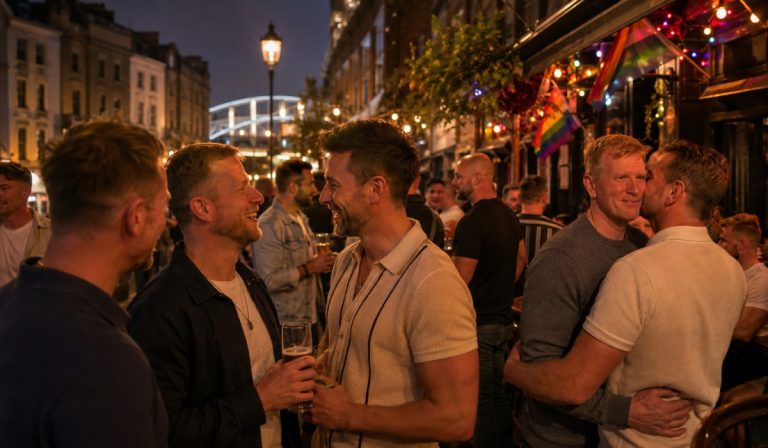
It was busy, energetic and unpretentious, with the kind of crowd that made it possible to watch the room, dance, talk to people or do all three during the same evening. It felt like a proper gay night out rather than a historical attraction surviving mainly on nostalgia.
Although there is plenty of history.
The George opened in 1985, eight years before consensual sexual activity between men was decriminalised in Ireland. At a time when gay life was still pushed into the shadows by both the law and wider society, it became one of Dublin’s first openly gay social spaces. More than four decades later, it remains the city’s best-known LGBTQ bar and nightclub.
That history gives the venue weight, but it does not make the experience solemn.
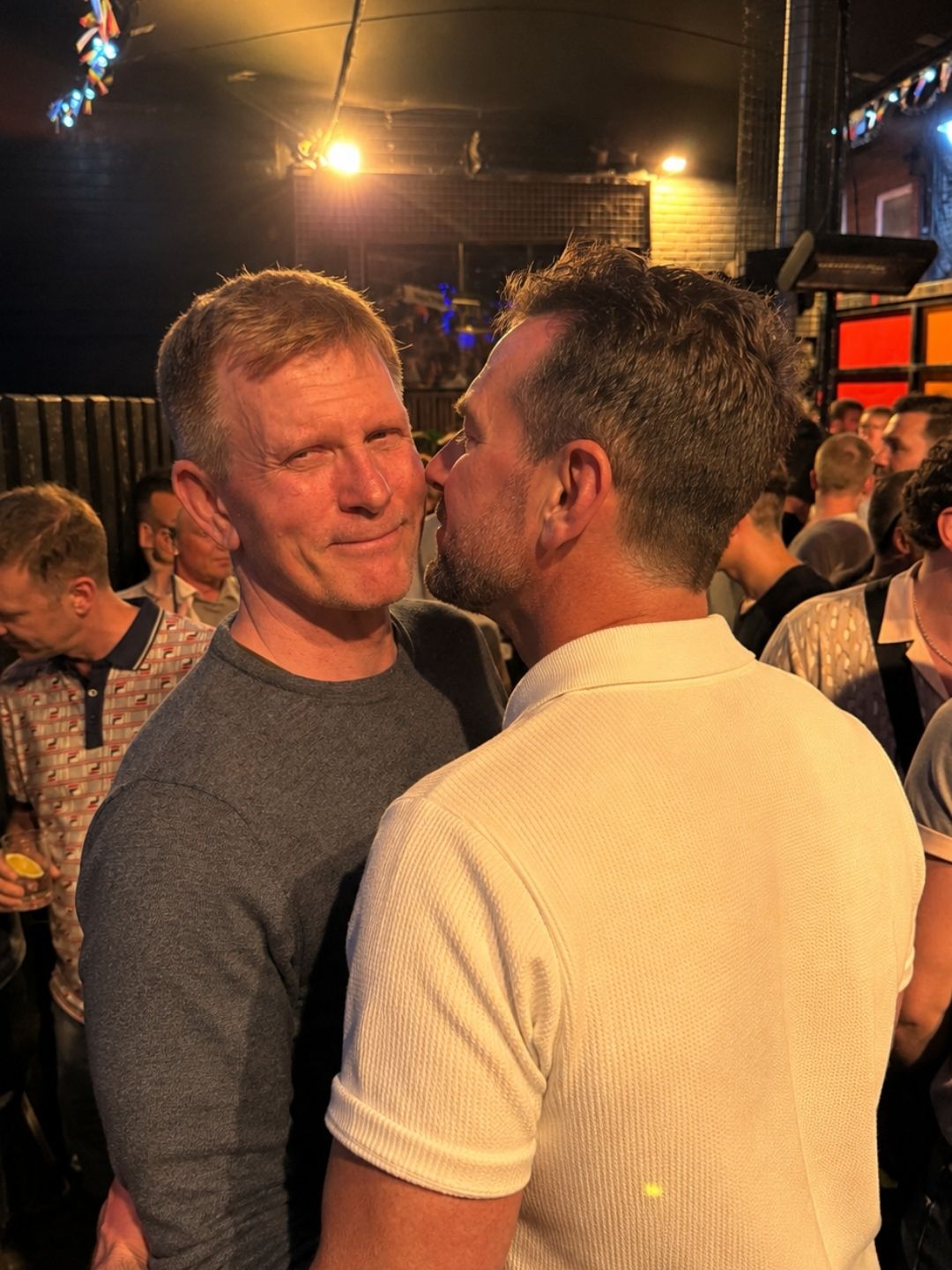
My own contribution to its ongoing story was somewhat less politically significant: I kissed an Irishman at The George.
I will protect the innocent by not providing further identifying information. Let us simply say that Irish charm is not an invention of the tourism industry.
The George is the place I would recommend for anyone wanting the biggest and most recognisably gay night out in Dublin. It hosts drag, DJs, bingo and other events throughout the week, so it is worth checking the programme before deciding which night to visit.
But even without a special event, the place has energy.
The George was awesome. Sometimes the simplest review is also the most accurate.
PantiBar Felt Like A Gay Local Pub
If The George was the big night out, PantiBar was the place where I could settle in.
Located on Capel Street north of the river, PantiBar is associated with Panti Bliss, the drag performer, publican and LGBTQ campaigner often affectionately described as the Queen of Ireland.
Pantibar
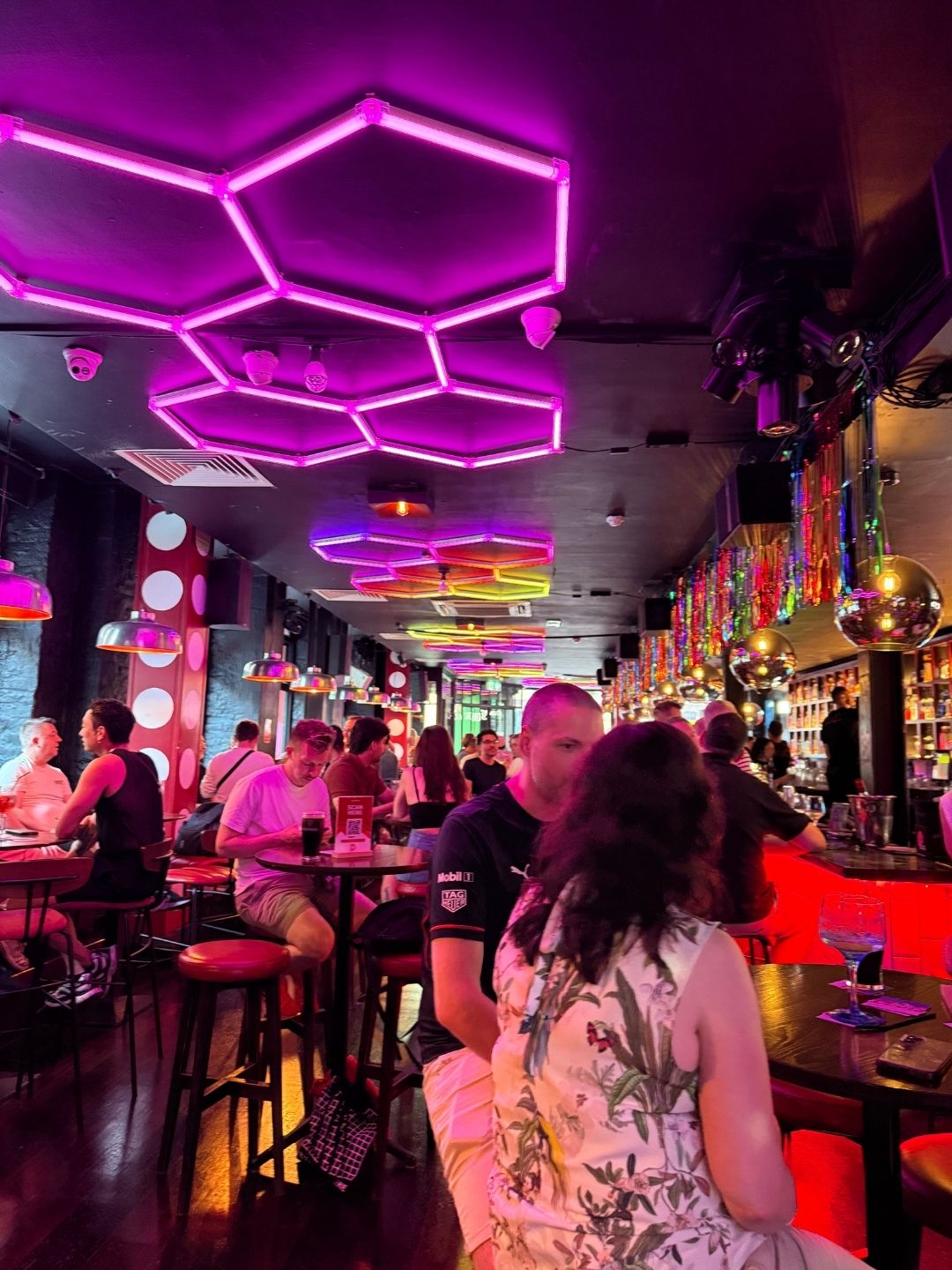
The atmosphere was cosy and friendly when I visited. It felt less like a nightclub and more like a proper pub that just happened to be fabulously gay.
That distinction matters, especially for solo travellers. Not every evening needs to involve a dance floor, flashing lights or shouting directly into somebody’s ear. Sometimes you want a drink, good music and the chance to have an actual conversation.
Dublin’s official visitor guide makes much the same distinction: The George is the larger nightlife institution, while PantiBar has more of a pub atmosphere — although it can become considerably livelier at weekends.
Directly across from PantiBar is Pennylane, its more polished sister venue, which opened in 2019 and presents itself as a relaxed gay cocktail bar. It is an easy addition for anyone planning a Capel Street evening.
South of the river, visitors can also investigate Street 66, a more laid-back LGBTQ bar near Temple Bar, or look for one of Mother’s disco and electronic club nights at Lost Lane. Dublin’s queer club events are often held weekly or monthly rather than every night, so checking current listings and social media before travelling is essential.
My broader experience was that Dublin had no shortage of bars, gay or otherwise, and the people in most of them were friendly.
The difficulty was not finding somewhere to drink.
The difficulty was accepting that I could not reasonably visit all of them.
The Tour That Changed How I Saw The City
One of the best things I did in Dublin happened during daylight.
I joined an LGBTQ history walking tour led by Helena, who was knowledgeable, engaging and very good at connecting individual stories to the streets and buildings around us.
It would have been easy to spend the weekend moving between pubs without understanding what those spaces represented. The tour added the missing context.
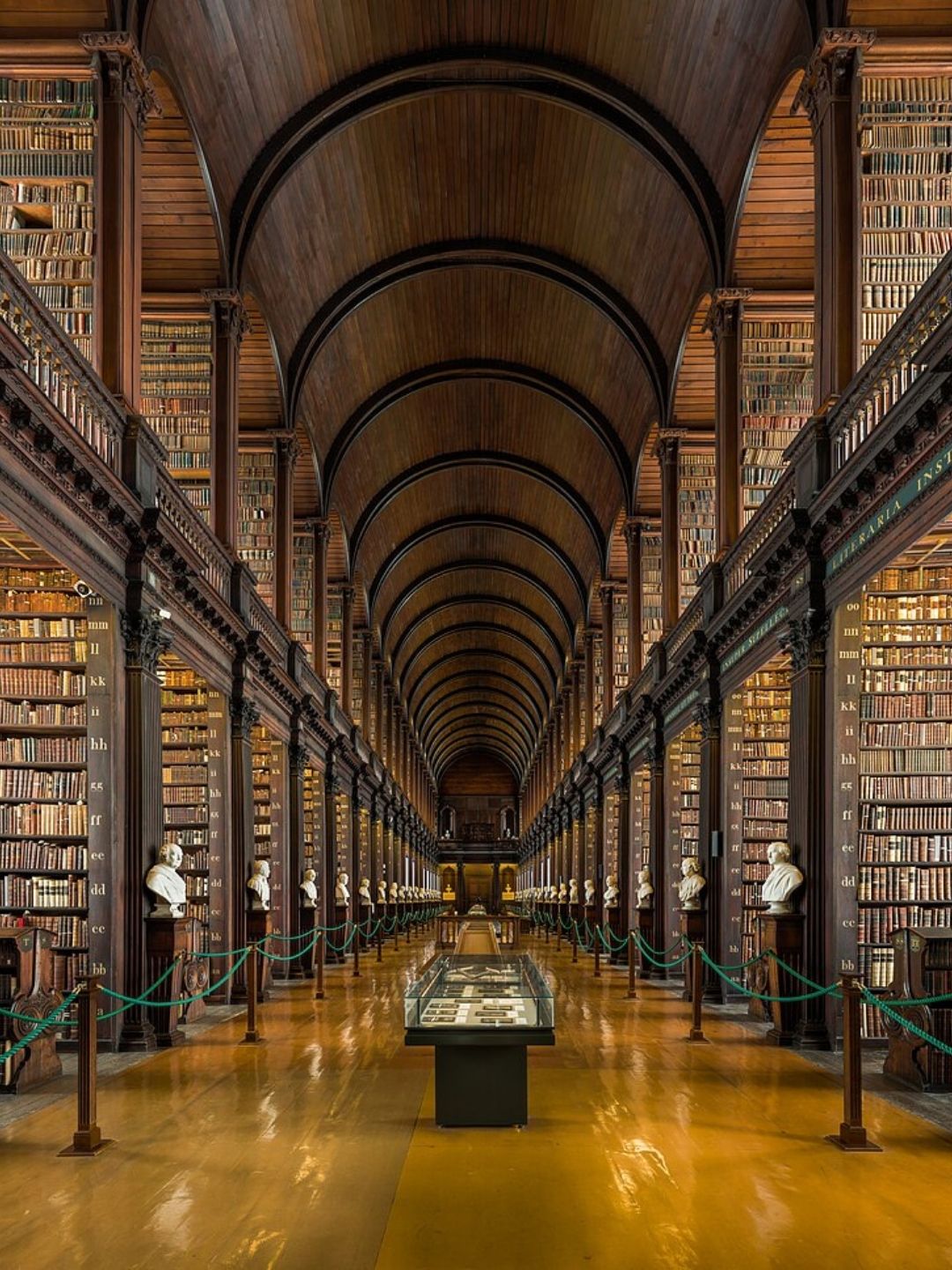
Trinity College
The route explored landmarks connected to Dublin’s queer history, including Liberty Hall, Trinity College, the former Hirschfeld Centre, Diceman’s Corner and The George. It also introduced figures including Panti Bliss and Dr Lydia Foy, whose legal campaign became an important part of the movement for gender recognition in Ireland.
Ireland’s transformation has been remarkable.
Same-sex sexual activity between men was only decriminalised in 1993. Just 22 years later, Ireland became the first country in the world to introduce marriage equality through a national popular vote.
Those dates are recent enough to make the history feel immediate.
The George was already operating while gay men were still criminalised. Many of the people who later celebrated marriage equality had lived through the period when simply being open could threaten their jobs, relationships and safety.
Helena brought those contrasts to life without turning the tour into a dry lecture. It was informative, moving and occasionally funny — which felt appropriate for a community that has often survived through humour as much as protest.
For gay travellers, I would consider this tour nearly as essential as visiting the bars.
Nightlife shows you the Dublin that LGBTQ people built.
The history tour helps you understand why they had to build it.
Yes, You Probably Have To Visit Guinness
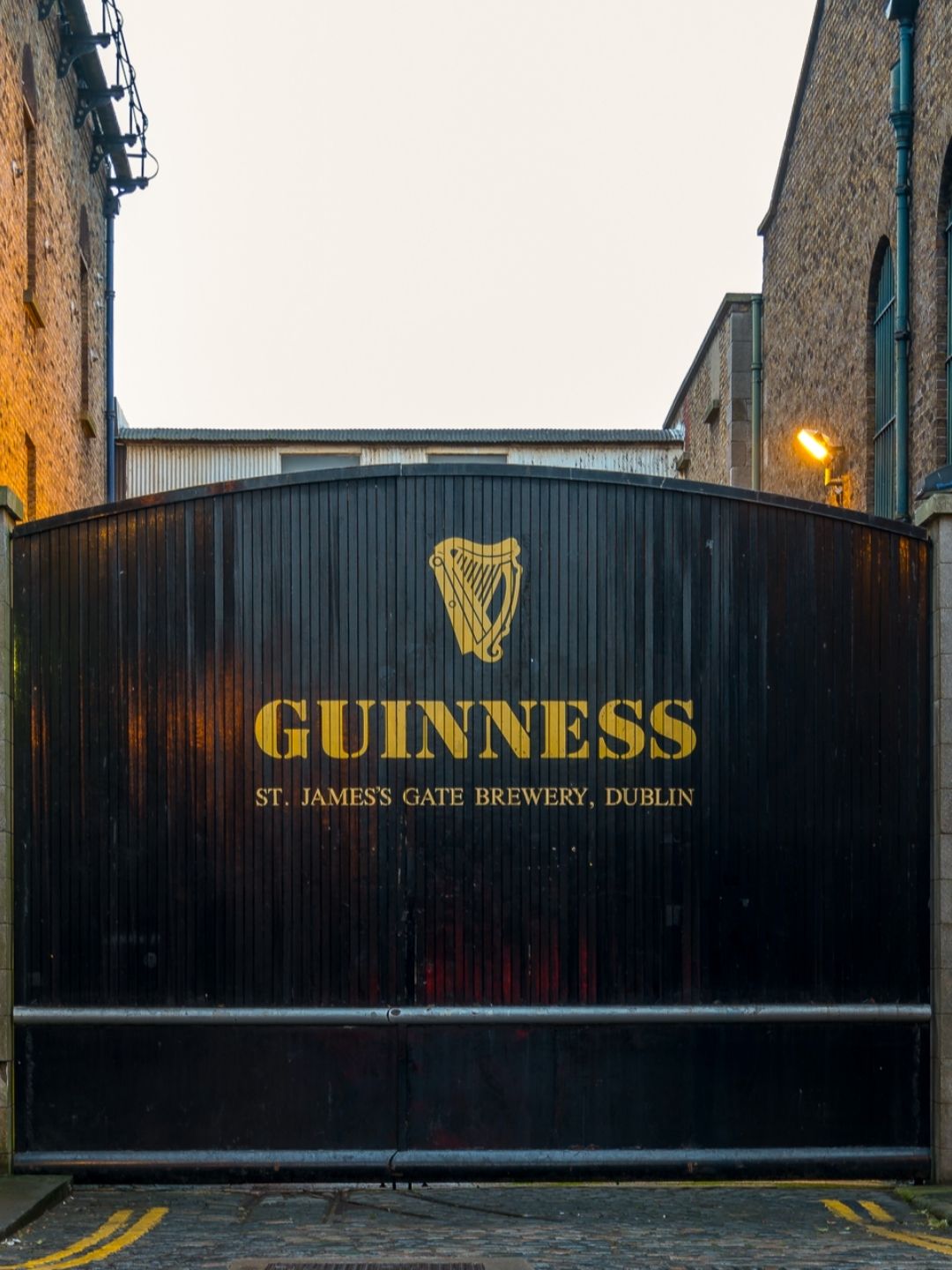
Then there is the Guinness Storehouse.
This is the attraction everybody tells you to visit, which naturally makes you wonder whether it is a genuine experience or an extremely elaborate method of selling branded merchandise.
The answer is: both — but it is done exceptionally well.
The Storehouse is enormous, immersive and impressively professional. The self-guided experience takes visitors through the ingredients, brewing process, history and advertising of Guinness before ending in the Gravity Bar, with panoramic views across Dublin and, naturally, a pint.
This is corporate storytelling on an almost theatrical scale.
Even if you are not deeply fascinated by how roasted barley becomes stout, the displays, historic advertising and sheer polish of the production make it worthwhile. The final view from the seventh-floor Gravity Bar also helps you understand the geography of a city that can feel confusing at street level.
It is touristy.
It is commercial.
It is also very good.
Sometimes an attraction becomes obligatory because the marketing department has an enormous budget. Sometimes it becomes obligatory because it genuinely delivers.
The Guinness Storehouse manages to be both.
Dublin’s Rough Edges Are Part Of The Experience
I would not describe Dublin as beautiful in the conventional European-city-break sense.
There are handsome Georgian buildings, historic streets and impressive landmarks, but there is also traffic, worn shopfronts, construction, crowds and a general sense that the city has not been polished specifically for your arrival.
At first, I was unsure how I felt about that.
After a few days, I began to appreciate it.
Dublin feels lived in. It has scuffed shoes rather than a freshly pressed suit. The roughness is visible, but so is the humour and friendliness.
Temple Bar was packed with visitors in July, particularly in the evenings. It is worth seeing, but it often felt more like an international tourism convention with Irish music than the heart of everyday Dublin.
Walking a few streets away usually changed the atmosphere quickly.
That is perhaps the best way to experience the city: visit the famous places, but do not stay trapped inside them.
Is Dublin Worth A Gay Weekend?
Absolutely.
A Thursday-to-Monday stay gave me enough time to explore during the day, experience several different nights out and recover at least partially before flying home.
The gay scene is not enormous, but it has variety. The George offers the full club experience. PantiBar provides the warmth of a queer pub. Pennylane adds cocktails, Street 66 offers a more relaxed alternative, and Mother caters to anyone still capable of dancing after midnight.
More importantly, Dublin’s LGBTQ history is visible once you know where to look.
This is a country that moved from criminalisation to marriage equality within little more than two decades. The bars are not merely entertainment venues; several are part of that social history.
Dublin did not charm me by pretending to be perfect.
It won me over by being funny, friendly, complicated and very much itself.
I arrived expecting Guinness, pubs and some gay nightlife.
I left with a much better understanding of Irish LGBTQ history, several memorable conversations and confirmation that The George deserves its reputation.
Andy Cohen has taken the next public step in his relationship with boyfriend Kevin Sobieski.
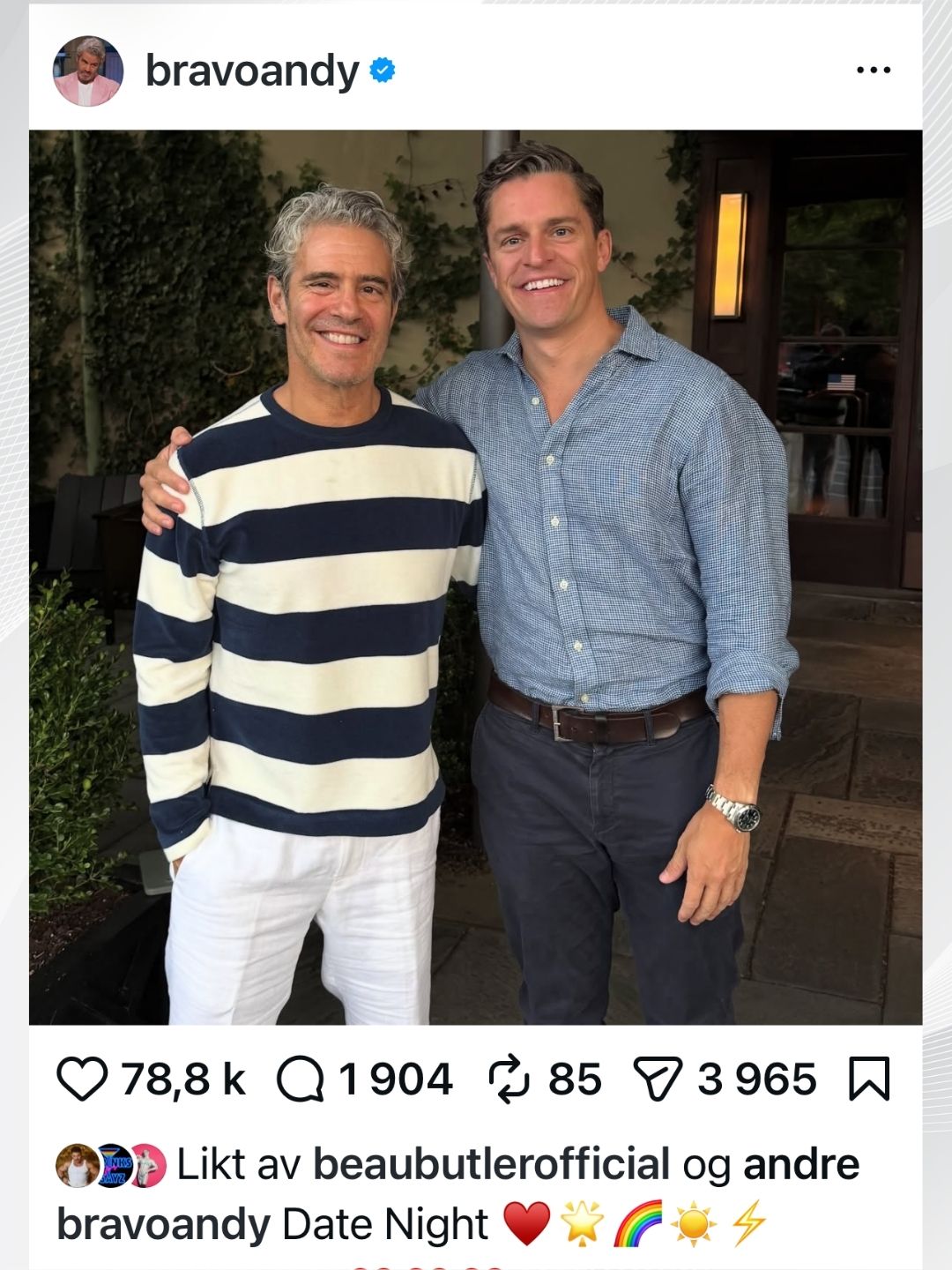
The Bravo host shared his first main-feed photograph of the couple together on Instagram.
Cohen kept the caption wonderfully simple by writing Date Night alongside hearts, a rainbow, sunshine and celebratory emojis.
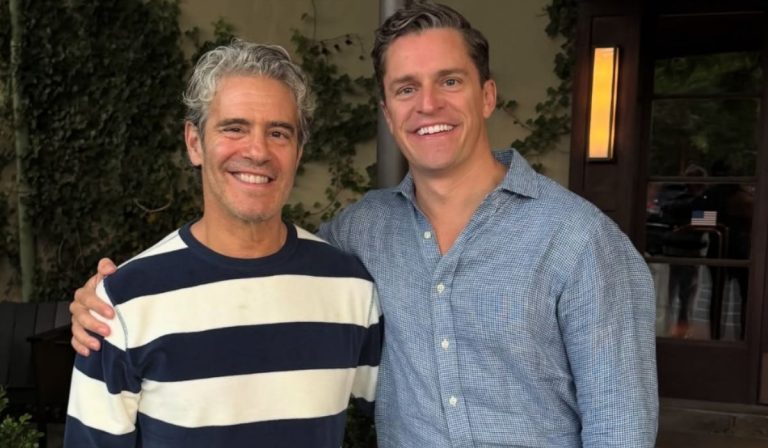
The photograph shows the two men smiling closely together as Sobieski places an arm around Cohen’s shoulder.
The relationship itself was no longer a secret before the post appeared.
Cohen confirmed in June that he had found the person he wanted to be with after photographs showed the couple holding hands during his birthday celebrations in New York.
However, the new post represents something different from paparazzi photographs or comments made during a radio interview.
This was a photograph Cohen selected and shared with his own enormous audience.
In the modern language of celebrity relationships, Andy Cohen and Kevin Sobieski are now officially Instagram official.
Their story began at a Fourth of July party in the Hamptons in 2025.
Cohen has admitted that he nearly skipped the gathering entirely.
After noticing Sobieski across the room, he became determined to speak with him.
The two men reportedly spent much of the evening talking before Cohen carefully entered his telephone number into Sobieski’s phone.
He apparently checked more than once that the number had been saved correctly.
The attention to detail appears to have worked.
The men began dating and approached the relationship quietly for almost a year.
Cohen later described their process as slow, deliberate and methodical.
That caution was not merely about protecting a celebrity romance from public attention.
Cohen is also the father of two young children, Ben and Lucy.
Introducing a serious partner into their lives required time and care.
Cohen has said that Sobieski is kind, strong, intelligent and genuinely loving toward his children.
He also described the relationship as unusually easy.
After approximately eleven months together, Cohen said the couple had not experienced a fight or significant disagreement.
He believed they shared a similar way of viewing life and expressed amazement that he had found such a compatible partner.
Cohen originally planned to reveal the relationship publicly around its first anniversary.
That timetable changed after photographs of the men holding hands outside the New York restaurant Via Carota circulated online.
The images transformed months of private dating into a public celebrity story.
Cohen subsequently confirmed on his SiriusXM programme that he was in love and had finally met the person he had been waiting for.
He has since become increasingly comfortable mentioning the relationship publicly.
During a recent episode of Watch What Happens Live, Cohen jokingly acknowledged the sixteen-year age difference between himself and Sobieski.
Those comments confirmed that the relationship was established, but Cohen’s Instagram feed remained largely separate from it.
The new photograph therefore feels like the completion of the couple’s public introduction.
It replaces speculation and photographs taken from a distance with an uncomplicated image of two men enjoying a date together.
The simplicity may be what makes the post so appealing.
There is no elaborate declaration, magazine exclusive or carefully produced video.
Cohen wrote two words and allowed their smiles to communicate everything else.
For longtime viewers, the moment also carries some emotional weight.
Cohen has spent years discussing dating, fatherhood and the difficulty of finding a partner who fits into an already full life.
He has often been presented as Bravo’s energetic bachelor surrounded by the complicated relationships of the Real Housewives universe.
Now the person who asks everyone else about their romances appears to have found one of his own.
The couple have already been photographed during dinners, birthday celebrations and a trip to Miami.
This latest image is still their most personal public milestone because it came directly from Cohen.
Andy Cohen and Kevin Sobieski may have taken their relationship slowly behind the scenes.
The Instagram hard launch itself required only a photograph, a rainbow and the words Date Night.