


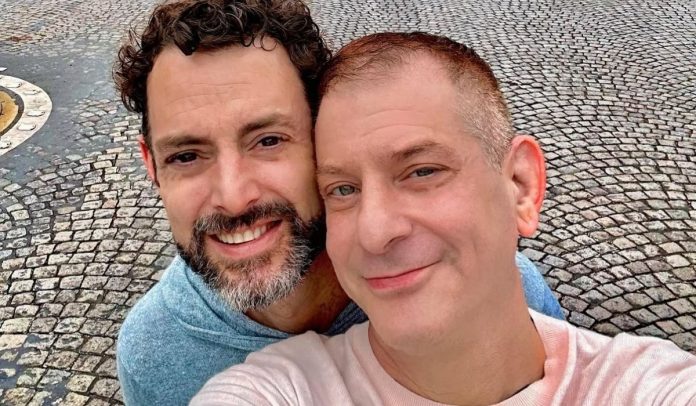

Jayson Conner and Jeffrey Newman spent more than two decades building a life together and years ensuring that people experiencing homelessness were treated with compassion and dignity.
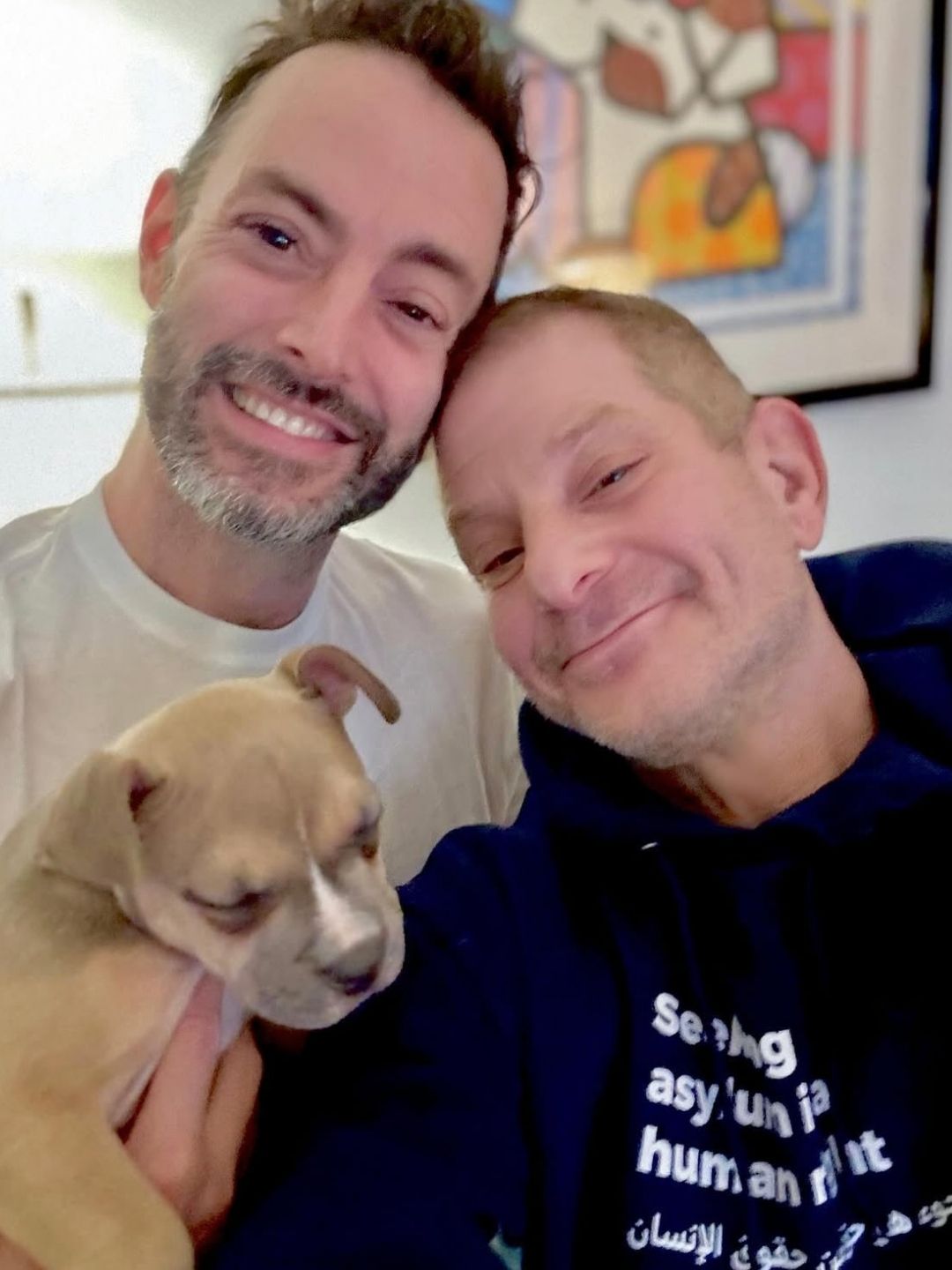
The New York husbands have now died just four days apart (LGBTQ Nation).
Conner, 48, died after suffering a heart attack at the couple’s home in Queens on June 28.
Newman, 58, died on July 2, according to his family.
The location and cause of Newman’s death have not been publicly disclosed.
The closeness of their deaths has made the loss especially painful for relatives, friends and the volunteers who worked beside them.
There is no publicly established connection between the two deaths beyond their timing, and speculation about Newman’s cause would be inappropriate.
What is known is that the couple leave behind an extraordinary shared legacy.
Conner and Newman met in 2004 and began a relationship that would eventually transform not only their own lives but also the lives of thousands of New Yorkers.
For Conner, their later work with unhoused people grew from deeply personal experience.
He had survived sexual abuse, addiction, sex work and approximately two years of homelessness.
During that period, he struggled to find food, warmth, clean clothing and somewhere safe to sleep.
He later described homelessness as a humiliating and soul-crushing experience in which a person never knew whether their few belongings would still be there when they woke up.
Meeting Newman helped him begin finding stability.
Their organisation would later describe Conner as its unofficial first client because Newman listened to him, supported him and helped him find a path away from the streets.
Conner eventually attended culinary school and worked in restaurants.
He also became sober in 2015 and spoke openly about addiction, recovery and body dysmorphia.
Newman brought a different set of experiences to their partnership.
He had worked as a journalist and digital-media executive and was the founding president and chief executive of Out.com.
He was also an early HIV advocate who publicly discussed his own diagnosis at a time when fear and stigma surrounding the virus remained widespread.
Newman later became involved in LGBTQ+ equality, sobriety and suicide prevention, particularly among queer young people.
Together, the couple spent years volunteering in soup kitchens and food pantries before establishing the nonprofit Together Helping Others.
Its best-known initiative, Backpacks For The Street, began in 2018.
The idea emerged after they recognised that people constantly moving between streets, shelters and temporary accommodation often lacked even a reliable bag in which to carry their belongings.
What began with a few armfuls of donated backpacks grew rapidly.
By 2026, the couple and a network of almost 40 volunteers had distributed more than 180,000 backpacks across New York City.
Volunteers regularly gathered in Queens to organise supplies into more than 100 bags before loading them into a van for distribution in Manhattan.
The contents were chosen with considerable care rather than treated as generic donations.
Backpacks could include food, wool socks, hygiene products, notebooks, pens, body wipes, flashlights with fresh batteries and solar-powered chargers.
The couple even selected softer protein snacks that people with dental problems could still consume.
“We’re not making little goodie bags,” Newman explained while discussing the programme in 2020.
He described each backpack as a carefully considered labor of love.
The organisation’s work became especially urgent during the COVID-19 pandemic.
Some unhoused people avoided shelters because of the risk of infection, while public spaces and businesses that previously offered warmth, bathrooms or human interaction were suddenly unavailable.
Conner said people living on the streets already felt invisible before the pandemic and were increasingly treated as though they themselves were the disease.
He believed a small moment of humanity could change the course of someone’s day and sometimes give them the hope needed to take another step forward.
The couple were equally serious about how volunteers interacted with the people receiving assistance.
They taught their team not to approach someone as a problem to be solved or an object of charity.
Volunteers were encouraged to listen, begin conversations respectfully and recognise that the person before them might be experiencing severe physical pain, emotional distress or profound loneliness.
Kristina Kashtanova, who began volunteering with the organisation in 2020, said watching the couple communicate with people on the streets taught her how to become a better human being.
That emphasis on dignity reflected the couple’s belief that practical help and human connection could not be separated.
Their backpacks did not solve homelessness, and neither man claimed that they did.
Instead, the bags provided immediate necessities while sending a simple message that the recipient was visible, valued and deserving of care.
Their deaths have left the future of Backpacks For The Street uncertain.
Volunteers have begun discussing how the organisation and its outreach work might continue, although no final decision has been announced.
The community they created may ultimately become the strongest protection for the mission they leave behind.
Conner and Newman demonstrated that a relationship can become a form of public service without losing its private foundation of love.
Their work brought them closer together, while their partnership gave the work its compassion and resilience.
They should not be remembered only because they died within days of each other.
They should be remembered because, throughout their years together, they made thousands of people feel less alone.
More than 180,000 backpacks remain as a visible measure of what they accomplished.
The conversations, dignity and hope they offered alongside those bags may be impossible to count.
📷 @positivelyjeffrey