
Blue Film is already one of the year’s most talked-about queer films

Not every queer film arrives wrapped in uplift, romance, or easy applause.

Some arrive carrying discomfort from the very first scene.

Blue Film, the new indie drama starring Kieron Moore and Reed Birney, clearly belongs in that second category.

Before many people have even had a chance to see it, the film has already built a reputation as one of the most provocative and divisive queer releases on the horizon, EW writes.

That reaction starts with the premise.

Moore plays Aaron Eagle, a gay camboy who agrees to spend the night with an older client.

When he arrives, he realizes the man is Hank Grant, played by Birney, a former teacher from his past who had been fired years earlier after an attempted sexual assault involving another student.

That setup alone is enough to explain why Blue Film has struggled to find an easy path into the world.

According to recent coverage, the film was turned away by several major festivals and had difficulty securing distribution, with concerns repeatedly circling back to how audiences might respond to its taboo subject matter.

Even after it began screening, the response remained intense.

Some viewers reportedly walked out of early showings, while others praised the film for going somewhere most queer cinema, and most cinema generally, would rather avoid.

That tension is what makes the film interesting.

It is not simply controversial because it wants to shock.

Its makers seem to be aiming for something more difficult than that.

Rather than presenting itself as a sensational thriller or an exploitation piece, Blue Film has been described by the people behind it as a character study.

It is interested in memory, shame, power, desire, and the uneasy fact that human beings do not always fit into clean moral or emotional categories when they are forced to confront the past.

That does not make the material easier.

It may actually make it harder.

Films are often easier to process when they clearly tell audiences how to feel.

Blue Film appears more interested in leaving viewers inside ambiguity.

Reed Birney has acknowledged that it was probably unrealistic to think a film like this would not provoke backlash.

That admission feels refreshingly honest.

This is not a project pretending to be misunderstood because audiences are too simple for it.

It knows exactly which nerves it is touching.

It simply seems to believe those nerves are worth touching anyway.

There is also something notable about the way the film has survived resistance.

At one point, director Elliot Tuttle reportedly thought it might never be released at all.

Instead, after festival rejections and uncertainty around distribution, the film eventually secured a release through Obscured Releasing.

It is now set to open in New York on May 8, followed by Los Angeles on May 15.

That trajectory gives the film an almost second narrative running beside the one on screen.

It has become a story about what kinds of queer films are considered acceptable, marketable, or safe enough for institutions to stand behind.

That question is worth asking.

Queer representation is often discussed as if more visibility automatically means more freedom, but that is not always true.

There are still clear boundaries around which stories get embraced and which ones get treated as too risky.

Blue Film seems to be pushing directly against those boundaries.

That does not mean everyone will admire it.

It does not even mean everyone should.

Some viewers will almost certainly find the premise too disturbing to engage with, and that reaction is understandable.

But films like this can still be culturally important because they test the edges of what queer cinema is allowed to be.

Not every queer story needs to comfort.

Not every queer film needs to be framed as healthy, healing, or affirming in a way that makes straight audiences feel at ease.

Sometimes the point is to unsettle.

Sometimes the point is to force a conversation that people would rather avoid.

And sometimes the most revealing thing about a film is not what happens inside it, but how nervous the industry becomes when it appears.

That may end up being part of Blue Film’s legacy.

Not just as a provocative drama starring Kieron Moore and Reed Birney, but as a reminder that queer cinema is still capable of making people squirm.

And for a medium that too often gets flattened into easy categories, that may be reason enough to pay attention.

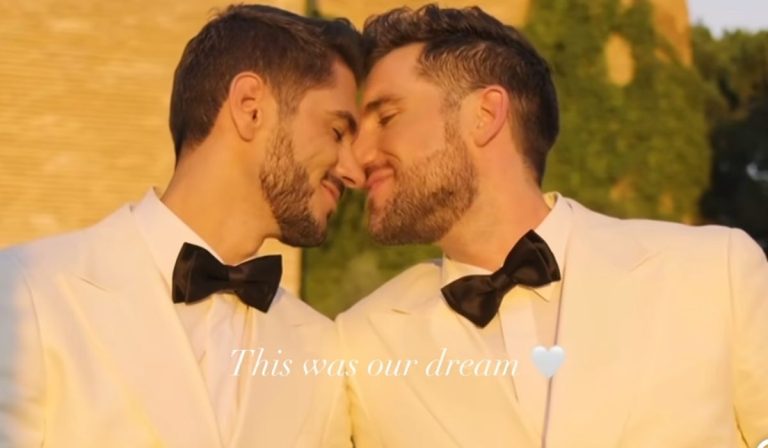
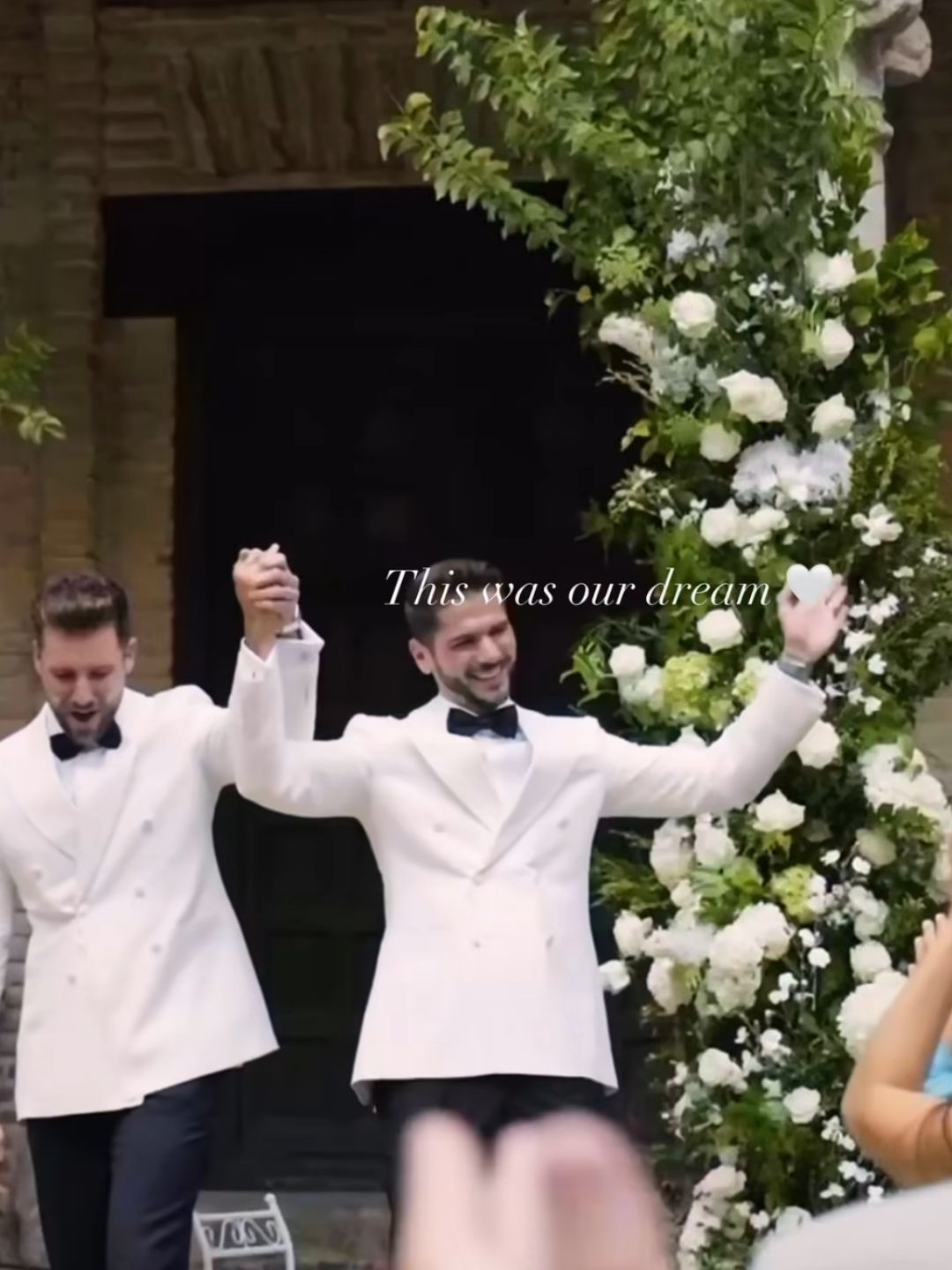
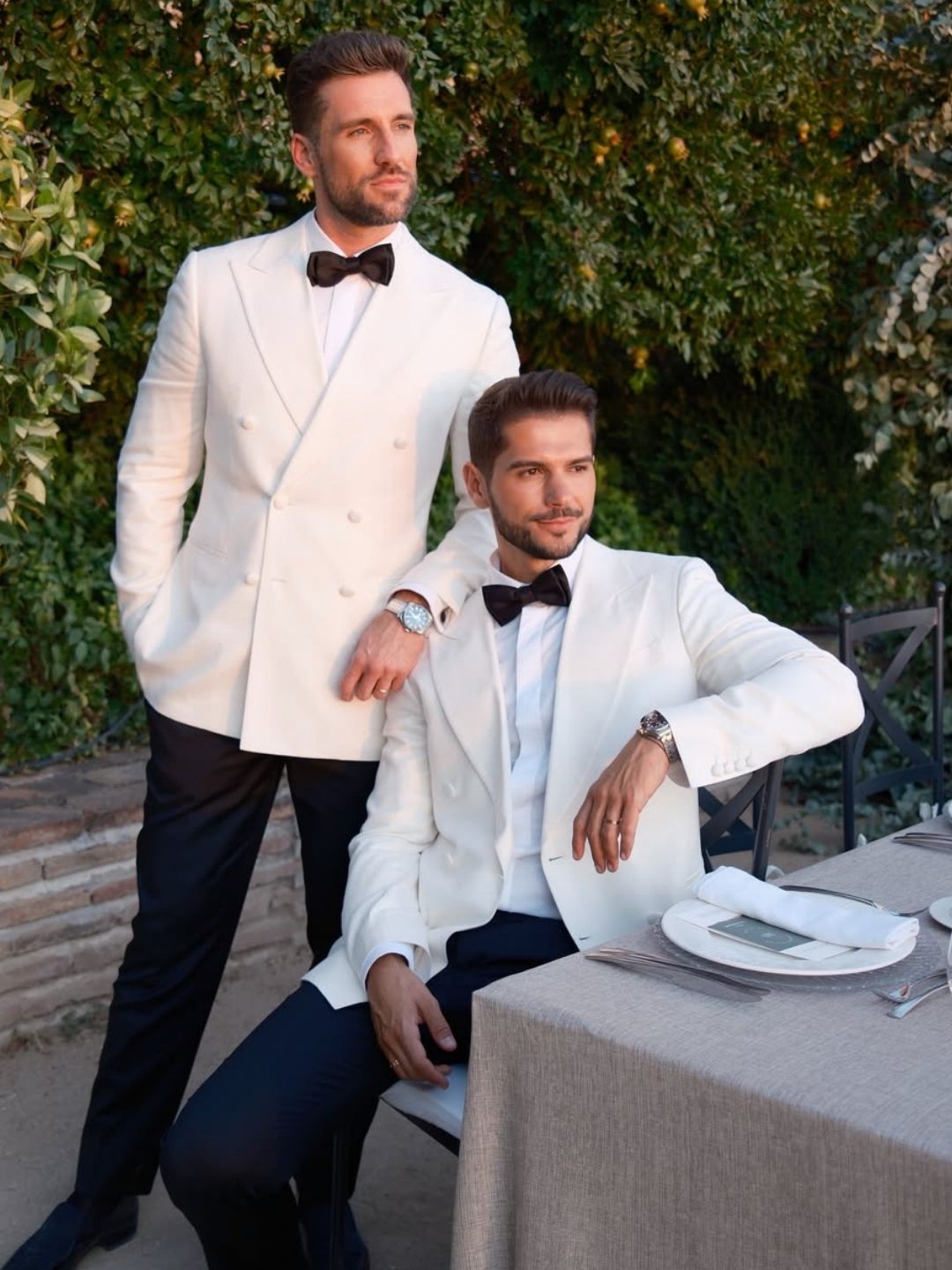
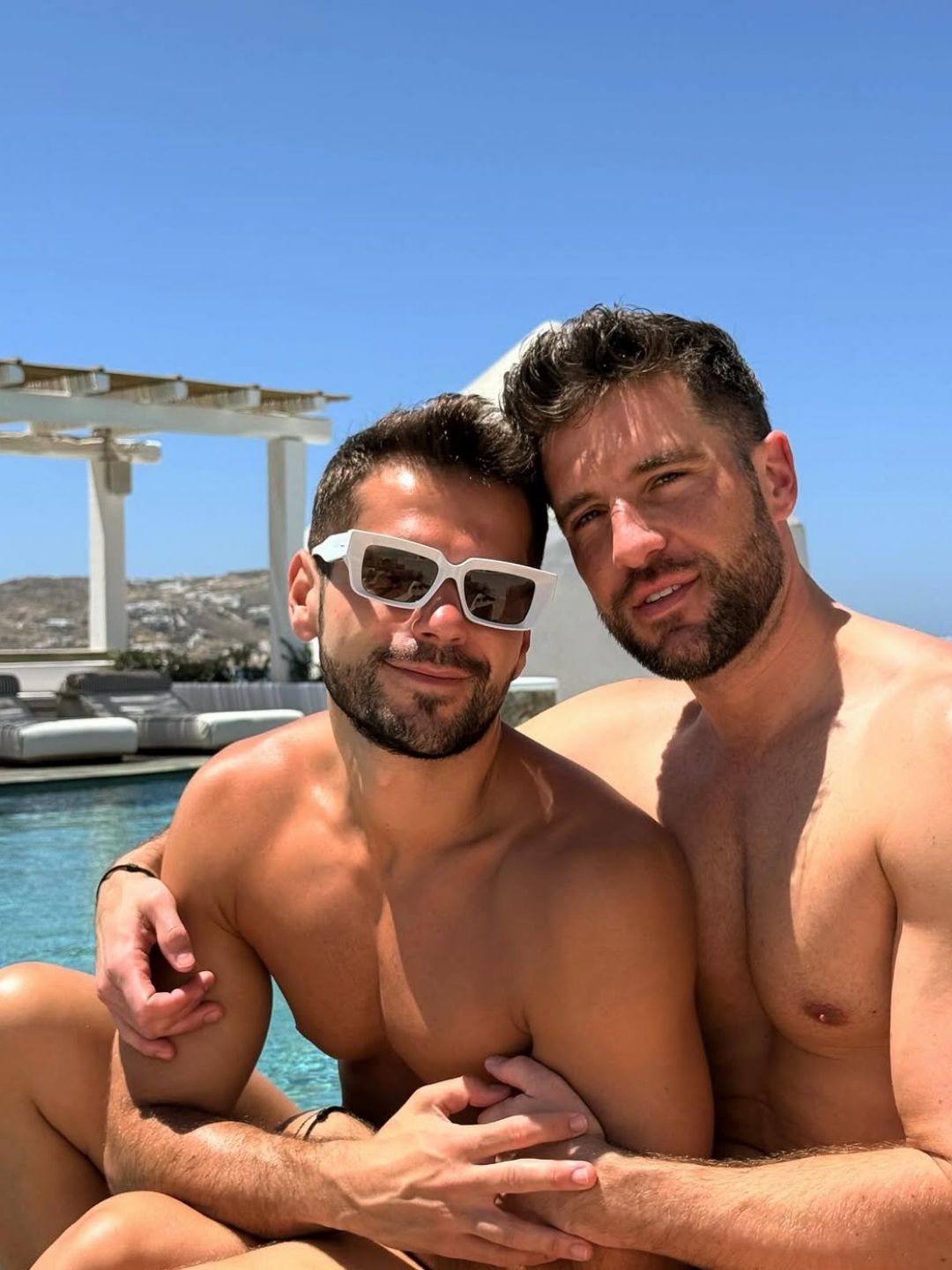
Munich’s new gay mayor Dominik Krause represents a quiet shift in queer visibility

Munich is about to get a new mayor, and the result feels significant for more than one reason.

Dominik Krause, the 35-year-old Green politician, has been elected mayor of the Bavarian capital after winning the run-off with 56.4 per cent of the vote, defeating former Social Democratic mayor Dieter Reiter.

That victory makes him the first Green politician to take the top job in Munich, but it also carries another milestone that has drawn attention well beyond city politics.

Krause is openly gay, which makes his election a notable moment for LGBTQ+ visibility in German public life.

It is the kind of political development that can look modest at first glance.

No grand ideological breakthrough.

No dramatic culture-war framing.

Just a major European city choosing an openly gay leader and treating that fact as part of normal public life.

That normalisation is exactly why moments like this matter.

Krause is not arriving out of nowhere.

He has been a member of Munich’s city council since 2014 and was elected Second Mayor in 2023, making him one of the younger figures to hold high office in the city.

Over the years, he has built a profile as a pragmatic Green politician focused on issues that affect everyday urban life, including housing, climate protection, transport, digitalisation, education, and social policy.

That background helps explain why this story resonates.

He is not being framed primarily as a symbol.

He is also being seen as a serious municipal politician with more than a decade of experience and a clear policy agenda.

That combination is often where the most durable kind of representation happens.

Queer visibility feels strongest when it is not separated from competence, substance, and ordinary public responsibility.

There is also something especially human about the way this victory has been covered.

After the result, Krause celebrated by kissing his fiancé, Sebastian Müller, and thanked him in his speech as “the love of my life, without whom all of this would not have been possible.”

It was a simple moment, but a memorable one.

Not because it was scandalous or provocative, but because it was so unforced.

A public celebration of love in the middle of a political win still carries meaning when the person doing it is an openly gay man taking office in one of Germany’s biggest cities.

According to Attitude, Krause and Müller first met at dance school in 2007, beginning as friends before eventually becoming a couple.

The pair got engaged in 2024 and are expected to marry in the near future.

That detail gives the story an added warmth.

For LGBTQ+ audiences, relationship visibility still matters, especially in political life, where queer people were once expected to hide or downplay personal truth in order to appear acceptable.

Krause’s election does not erase that history, but it does offer a very different picture of what leadership can look like now.

There is also a broader European context here.

In many countries, LGBTQ+ rights have become politically contested again, and progress that once seemed secure can suddenly feel less guaranteed.

Against that backdrop, openly gay public leadership still carries real symbolic force.

It shows not only that visibility is possible, but that it can exist alongside public trust, administrative responsibility, and political success.

Krause himself seems aware of the balance.

He has leaned into his youth and visibility with confidence, while also stressing experience, ideas, and the need to modernise Munich.

That mix of openness and seriousness may be part of why his victory feels so contemporary.

It is not representation for its own sake.

It is representation grounded in the ordinary business of governing a major city.

And that may be the most encouraging part of the story.

Not just that Munich has elected an openly gay mayor, but that for many voters, this appears to have been treated as entirely compatible with choosing the person they believe can lead best.

That is a quiet milestone.

But it is a real one.

📷 IG: @ dominik_krause11

Seth Peterson is being remembered for the life he was building as much as the work that made him known

Adult performer Seth Peterson has died at the age of 28, prompting an outpouring of grief from fans, fellow creators, and people who knew him more personally.

The news was shared over the weekend by his fiancé Cyrus Stark, who is also known as Kobe Marsh.

In a public statement, he described Peterson as his fiancé and best friend, writing that he was heartbroken and struggling to find words.

That framing says a lot about why this story is landing so heavily.

Behind the public name and the online persona was a real relationship, a shared home, and a future that was still being built.

Peterson had become a familiar figure in adult entertainment after beginning his career with Helix Studios in 2020, later building a strong following on social media and subscription platforms.

Seth’s his real name was Adam Aguirre, a detail that brings a different kind of intimacy to the story and reminds readers that public figures often live with multiple versions of themselves at once.

That is especially true in queer spaces, where identity, performance, sexuality, and livelihood are often closely intertwined.

For many people, Peterson’s visibility mattered because it sat inside a part of queer culture that has long been both highly visible and strangely under-acknowledged.

Adult performers can be reduced to image very quickly, but moments like this cut through that.

What comes forward instead is the person.

People reported that a fundraiser was launched to help cover funeral expenses, and that Peterson was found in the home he shared with his partner.

That detail makes the loss feel even more immediate.

It shifts the story away from abstraction and back toward the private shock that follows any sudden death.

There is also something particularly sad about how young he was.

At 28, a death like this feels less like the closing of a chapter than the interruption of one.

Plans were still being made.

Promises were still sitting in the future tense.

That is part of what gives the tributes their emotional weight.

They are not only mourning a public figure, but someone whose life still felt very much in motion.

One of the more affecting parts of the coverage is the glimpse it offers into Peterson’s relationship.

People noted that his final Instagram post, shared in October 2025, featured photos of him and Marsh at Burning Man, with a caption about having the best birthday together.

It is a small detail, but one that changes the emotional texture of the story.

It gives people something more human to hold onto than headlines alone.

For queer audiences, that matters.

So much of LGBTQ+ history has involved fighting to have relationships treated as fully real, fully visible, and fully deserving of grief when loss arrives.

Even now, those details still carry weight.

They tell us not just that someone died, but that someone was loved.

There will always be people who knew Seth Peterson primarily through his work and screen presence.

But the shape of this story suggests he will also be remembered through tenderness, through partnership, and through the gap his death has left behind for the man who expected to keep building a life with him.

That may be the part that stays with people most.

📷 IG: @ adamm_aguirre / kobemarsh

Rafael de la Fuente and Roberto Manrique give fans a very public relationship reveal

Sometimes a celebrity relationship announcement arrives with a magazine cover, a formal statement, or a red-carpet debut.

And sometimes it arrives through a string of photos that tell the story well enough on their own.

That seems to be what happened with Rafael de la Fuente and Roberto Manrique, who are now drawing attention after sharing a series of increasingly intimate posts from a trip to the Galápagos Islands.

Neither actor has made a formal announcement.

But fans are reading the moment for what it appears to be.

De la Fuente is best known to many viewers for his roles in Empire, Dynasty, and more recently Fire Country, where he has built a following as one of the more recognizable openly gay actors working across mainstream television.

Born in Caracas, Venezuela, he has also been part of projects with direct LGBTQ+ resonance, including the miniseries When We Rise, which centered queer political history and activism.

That combination of mainstream visibility and queer representation has made him an especially familiar face to many gay viewers.

Manrique, meanwhile, is a well-known Ecuadorian actor who rose to prominence in telenovelas and other Spanish-language productions before publicly coming out in 2021.

That coming-out moment mattered in its own right, not only because of his celebrity status but because openly gay representation in Latin American entertainment still carries particular cultural weight.

Together, the two men represent something audiences do not always get enough of.

They are both established Latin actors, both openly gay, and both visible in ways that feel relaxed rather than overly managed.

That is part of what makes this story so appealing.

According to Queerty, de la Fuente spent roughly two weeks in the Galápagos, initially posting images that made the trip look like a solo getaway filled with dramatic scenery and wildlife.

Then the tone shifted.

He began sharing images with Manrique, including a photo of the pair embracing in the ocean, and tagged him directly.

Manrique later posted his own images of the two together, which only intensified the speculation that this was more than friendship.

At that point, the usual celebrity soft-launch language almost stopped being necessary.

Fans could see what was happening.

What makes the moment especially charming is that it does not feel staged in the traditional publicity sense.

It feels contemporary.

It feels like two people choosing to share joy in a way that is visible without becoming overly explanatory.

That kind of openness matters.

For queer audiences, and especially for viewers who grew up with very little openly gay Latino representation in television and celebrity culture, these moments still carry meaning beyond gossip.

They signal ease.

They suggest that a relationship does not have to be hidden, coded, or cautiously filtered to be publicly legible.

There is also something refreshing about the fact that this possible reveal appears to come with a sense of natural warmth rather than spectacle.

It is romantic without trying too hard to be dramatic.

It is public without feeling forced.

And for fans who have followed de la Fuente’s career from teen and primetime roles to his current television work, it reads like a new personal chapter unfolding in real time.

Whether the pair eventually defines the relationship more explicitly or not, the response already says a lot.

People are interested because the chemistry is obvious, the timing feels intentional, and the visibility itself feels good to witness.

In a media culture that often treats queer relationships as either intensely private or highly packaged, there is something especially appealing about this middle ground.

Just two handsome, successful actors sharing enough to let everyone know the story may have changed.

And if this really is a relationship launch, it is a pretty lovely one.

📷 IG: @ rafaeldlf / robertomanrique13

Dan Mackey turns a painful coming-out letter into lasting queer art

Brighton-based artist Dan Mackey has been shortlisted for the Royal Academy Summer Exhibition 2026 with one of his most personal works yet.

The piece is a ceramic recreation of the coming-out letter he wrote to his mother in 2007 when he was 20 years old and in what he has described as a very dark place in his life.

That alone would make it moving.

But what gives the work even more resonance is the way it captures a moment many LGBTQ+ people will immediately understand.

It is not polished, staged, or sentimental.

It is direct, frightened, and honest.

In the letter, Mackey tells his mother that he is writing things down because he is scared she will be disappointed in him and change how she feels toward him.

He also writes that being gay is not something he would choose, but something he has to admit if he wants to be happy with himself.

That kind of language will feel painfully familiar to many queer people who grew up trying to manage other people’s expectations while barely understanding how to live with themselves.

Mackey has said that reading his old diaries now is difficult because they take him back to a time when he felt lonely, unhappy, and increasingly cut off from other people.

He described spending more time alone, growing apart from friends, and writing about hating himself and his life.

By turning that memory into ceramic, he has given it a different kind of permanence.

The material matters here.

Ceramic is heavy, tactile, and lasting, and Mackey has said he wanted the piece to feel physically the way that moment felt emotionally.

That choice makes the work more than a recreation of a letter.

It becomes a record of emotional weight.

It also turns a private act of fear into something public, visible, and shared.

The fact that the work has now been shortlisted for the Royal Academy Summer Exhibition gives that private history an even wider cultural frame.

The exhibition is one of the best-known open-submission art shows in the world, and Mackey’s inclusion places a deeply queer, deeply personal story inside one of Britain’s most established art institutions.

That feels significant in itself.

It suggests that queer life is not only worthy of representation, but of preservation.

There is also something especially affecting about where Mackey’s life stands now.

He is married to Adam Johnson, and the couple’s 2023 wedding became part of the BBC documentary Big Gay Wedding with Tom Allen.

That detail adds a quiet full-circle quality to the story.

The same person who once wrote a frightened letter to his mother is now living openly, building a creative career, and seeing his work recognized on one of the biggest stages in British art.

Mackey has also said that his relationship with his mother is strong today, and that coming out was only one part of a much larger story between them.

That matters too.

Too many coming-out narratives end at the point of confession, as if the hardest sentence is the whole story.

Mackey’s work reminds us that it is only the beginning.

What follows can include distance, healing, love, art, and a life that once seemed impossible.

That is part of what makes this piece feel so powerful.

It preserves not only fear, but survival.

And in doing so, it turns one young man’s private pain into a lasting piece of queer history.

📷 IG: @ danmakeystuff