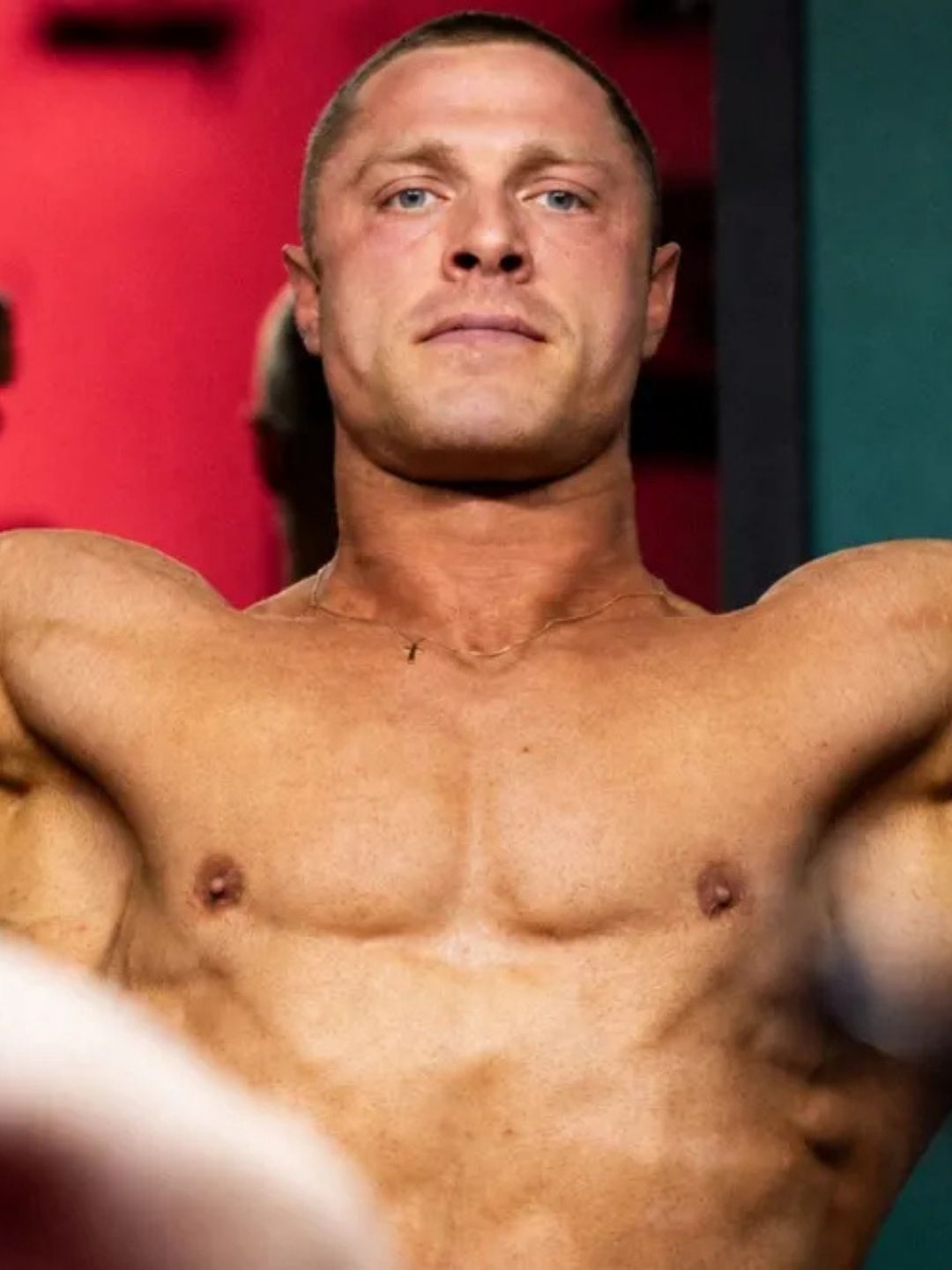

Irish Adventurer Tadhg O’Brien Comes Out And Returns To Gaelic Football With Pride

0

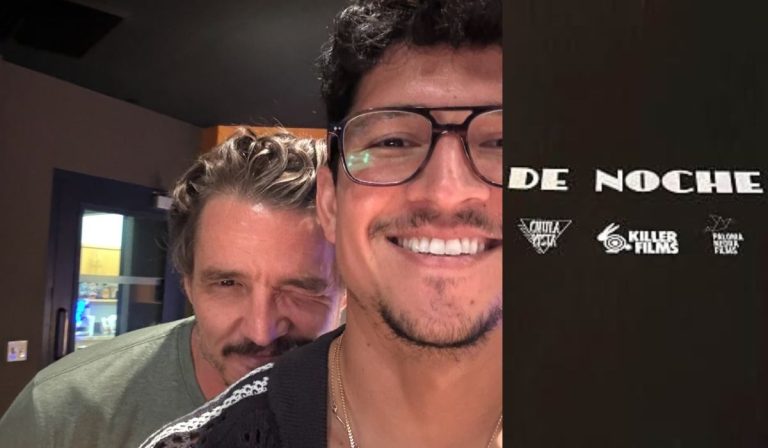
If you love rugged Irish landscapes, muddy pitches, and a little queer joy mixed in, then Tadhg O’Brien’s story is about to become your new favorite comfort read.

The Cork born content creator, who fills social media with dreamy hikes and wild coastal views, has shared a heartfelt re coming out video where he proudly tells the world that he is gay.

In the same breath he reveals that he has laced up his boots again and gone back to Gaelic football, this time as his fully out and authentic self.

As a teenager Tadhg lived and breathed GAA, playing with his local club, winning under 21 titles with his brothers, and traveling back home from college just to train and play.

Behind the scenes though he was struggling with a secret, because in a small community where everyone knows everyone, the idea of being a gay Gaelic footballer felt terrifying.

He has spoken about feeling like the version of himself on the pitch was different from the version inside, like he had to tuck away a huge part of who he was every time he pulled on the jersey.

Eventually the weight of that tension caught up with him and little by little he drifted away from the sport he loved most.

During college he finally reached out for help at a free counselling service and, too nervous to say it out loud, he wrote the words “I think I am gay” on a piece of paper and handed it to the therapist.

That tiny act turned out to be a huge turning point, because it was the first time he shared his truth with another person and it opened the door to real self acceptance.

In the years that followed Tadhg built a big following online by sharing travel adventures, hikes, swims, and slow joyful moments in nature across Ireland and beyond.

As his platform grew he began to see more out athletes and queer creators living visible lives, and he realized that the world he once feared might now be ready to meet the real him.

This year he decided it was finally time to join a Gaelic football club again, only now he walked into the dressing room as an openly gay man.

He braced himself for awkward reactions or silence, but instead his teammates were supportive, relaxed, and more interested in him as a player and a friend than in who he dates.

That acceptance helped melt years of fear and made the pitch feel like home again instead of a place where he had to act straight and keep his guard up.

In his coming out video he shares the story not with bitterness but with kindness, hoping that someone watching who feels alone in a small town or sports club will see a bit of their own journey reflected.

He reminds viewers that life can open up in beautiful ways once you stop fighting yourself and start letting the right people in.

There is something especially powerful about a story like this coming not from a massive city or pro league, but from grassroots Gaelic football and the green hills of Ireland.

For queer sports fans, seeing a gay Irish athlete return to the game he loves without hiding is a quiet but very real victory.

Tadhg O’Brien’s message is simple but incredibly moving, you belong on the field, in the dressing room, in the stands, and in your own life exactly as you are.

Whether you are a GAA superfan or just here for the gorgeous hiking pics and a dose of hope, his story is a reminder that coming out can also be a coming home.

📷 IG: @ tadhg_obrien

Justice Smith Says He Is Done Dating Women And Fans Are Cheering

Justice Smith just gave the girls, the gays, and the theys a deliciously candid update on his love life, and it basically boils down to one thing, he is never dating women again.

The Detective Pikachu and I Saw The TV Glow star opened up on Jesse Tyler Ferguson’s podcast Dinner’s On Me, where he talked honestly about sexuality, identity, and why straight relationships no longer feel like home for him.

Justice explained that it is not about suddenly finding women unattractive, it is about refusing to squeeze himself back into rigid gender roles that always left him feeling slightly wrong in his own skin.

When he dated women, he said he constantly felt expected to be the protector, the rock, the one who never shows softness, and over time that energy started to feel like a costume he was forced to wear.

With men, he finally felt like he could drop the performance, swap roles, be the big spoon or the little spoon, and exist in relationships where queerness allowed more room to breathe.

That perspective did not come out of nowhere, because Justice also talked about growing up as a Black queer kid in Orange County, surrounded by mostly white classmates at a performing arts school that was progressive on paper but brutal in practice.

He remembered classmates staging a fake coming out party for him when he was still figuring himself out, turning his private confusion into a public joke that stayed with him for years.

Moments like that made him feel othered and scrutinized, and they helped shape the complicated relationship he had with his own sexuality and the roles he thought he had to play to be accepted.

For a while that meant trying to date women and convincing himself that discomfort was just part of being in love, even when something in his gut kept whispering that this was not the full story.

Over time, choosing men exclusively stopped feeling like a radical declaration and started feeling like a quiet act of self care and self respect.

On the podcast he framed his decision less as a label and more as a boundary, saying that he is no longer willing to put himself back into situations where he feels boxed in by expectations about what a man should be.

He also pushed back on the idea that straight people get to define what it means to be gay or queer, reminding listeners that his identity belongs to him, not to whatever box someone else wants to tick.

Fans online have praised the interview for how gently and clearly he describes that shift, from surviving in spaces that mocked his queerness to building relationships where he feels genuinely seen.

Many queer viewers related hard to his story of trying to make heterosexual relationships work simply because it seemed easier or more expected, only to realize that living half truthfully is far lonelier than being fully out.

Justice’s honesty also hits differently for queer Black men, who often juggle racism, homophobia, and stereotypes about masculinity long before they ever get to think about what kind of love actually makes them feel safe.

By saying he will not date women again, he is not attacking anyone, he is simply drawing a line that protects his peace and affirms the kind of intimacy that allows him to be soft, playful, complicated, and whole.

In an industry that still loves vague answers and carefully worded press statements, hearing an actor at his level say something this specific and vulnerable feels like a small revolution.

Justice Smith is reminding his fans that queerness is not just about who you could technically be attracted to, it is about where your spirit feels at home and which relationships let you show up as your real self.

For now, he is choosing a life where the roles are flexible, the love is honest, and the only person who gets to decide what his sexuality looks like is Justice himself, and honestly, that choice might be the queerest and most inspiring part of the story.

📷 IG: @ standup4justice

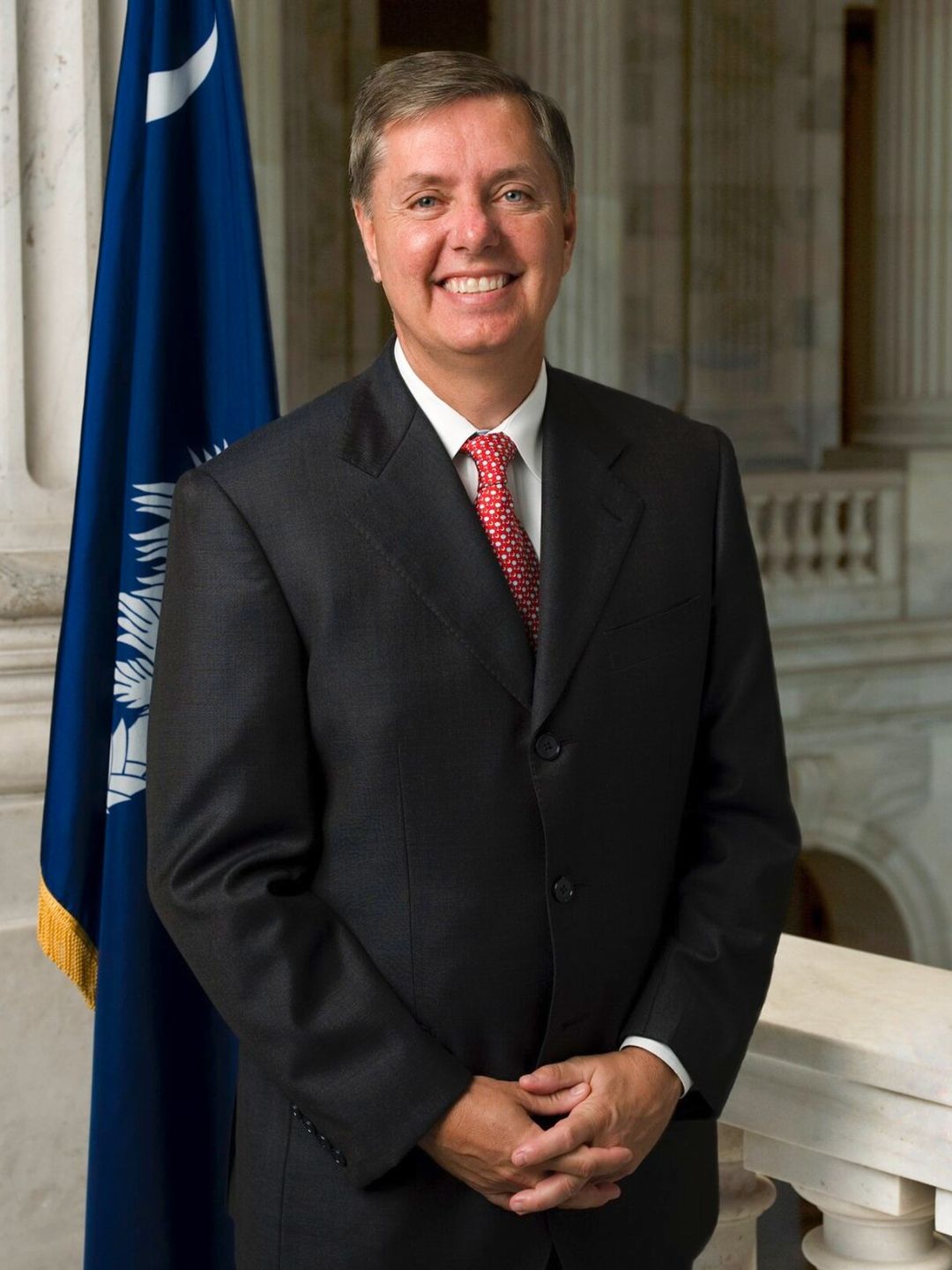
Dr. Demetre Daskalakis Brings His Fierce Queer Energy Back to NYC in a Major New Role

0

Every now and then the universe gives the LGBTQ+ community a win so perfectly timed that you can almost hear the collective sigh of relief across the rainbow, and Dr. Demetre Daskalakis returning to New York City as chief medical officer of Callen-Lorde is absolutely one of those moments.

The outspoken infectious disease specialist and longtime LGBTQ+ health champion made waves earlier this year when he walked away from the CDC after clashing with the Trump administration’s health leadership.

His resignation letter, which became something of a mic-drop moment in queer public health, made it crystal clear that he wasn’t willing to stay silent about political interference and hostility toward vulnerable communities.

Now, in a gorgeous full-circle twist, he is stepping into one of the most influential LGBTQ+ health positions in the country.

Callen-Lorde Community Health Center, known for serving more than twenty-two thousand patients a year with affirming and culturally competent care, will welcome Daskalakis as its new chief medical officer beginning in February.

The center’s work spans everything from HIV prevention and treatment to trans and nonbinary health care, mental health services, sexual wellness, and community outreach.

For Daskalakis, who trained at New York institutions before rising to national prominence, the move is both professional and deeply personal.

In a statement announcing the new role, he described New York City as “home” and emphasized his commitment to ensuring that the full breadth of the LGBTQ+ community has access to strong, science-driven health care.

Callen-Lorde leaders echoed the enthusiasm, highlighting his long history of showing up for queer patients with compassion, expertise, and an unapologetically bold voice.

The organization also noted that 2026 offers real opportunities for progress in ending the HIV epidemic, especially with innovations like twice-yearly injectable PrEP.

Daskalakis’s leadership is expected to be central to driving that work forward in a moment when queer health equity needs champions more than ever.

His appointment also aligns with broader shifts in New York City’s health leadership, which is increasingly focused on centering LGBTQ+ needs across public systems and policy.

Throughout his career, Daskalakis has been known not just for following the science but for speaking truth to power, advocating fiercely for trans people, queer youth, and anyone who risks being pushed to the margins.

In recent interviews he has underscored the dangers of political hostility being misinterpreted as provider indifference, reminding the community that “this is when you engage.”

That same sense of urgency, clarity, and pride is exactly why so many in LGBTQ+ public health see his return as a beacon of hope.

At a time when disinformation, discrimination, and chaotic politics can feel overwhelming, Daskalakis’s move signals something rare and precious, which is a reminder that queer leadership is still rising, still fighting, and still building the future our community deserves.

Whether he is addressing mpox outbreaks, expanding HIV prevention, or championing trans health access, Daskalakis brings both expertise and heart to the work, and that combination is why this new chapter feels like such a powerful win.

For New York’s LGBTQ+ community, his homecoming is more than a job announcement, because it is a moment of affirmation that queer lives and queer health matter, and that the people who care for our community are determined to keep pushing forward.

📷 IG: @ drdemetre

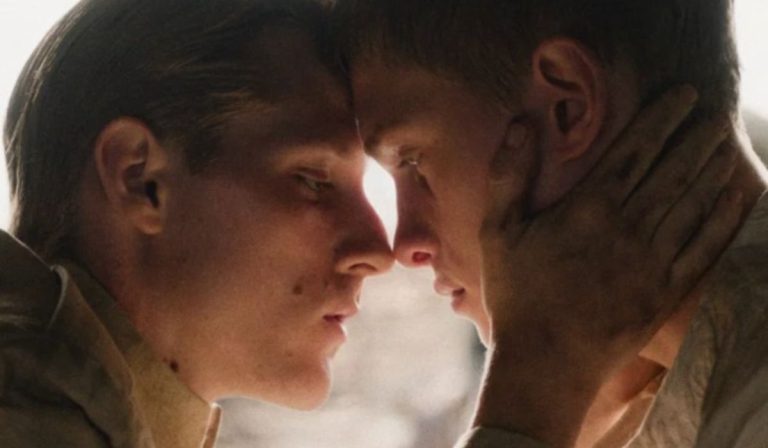
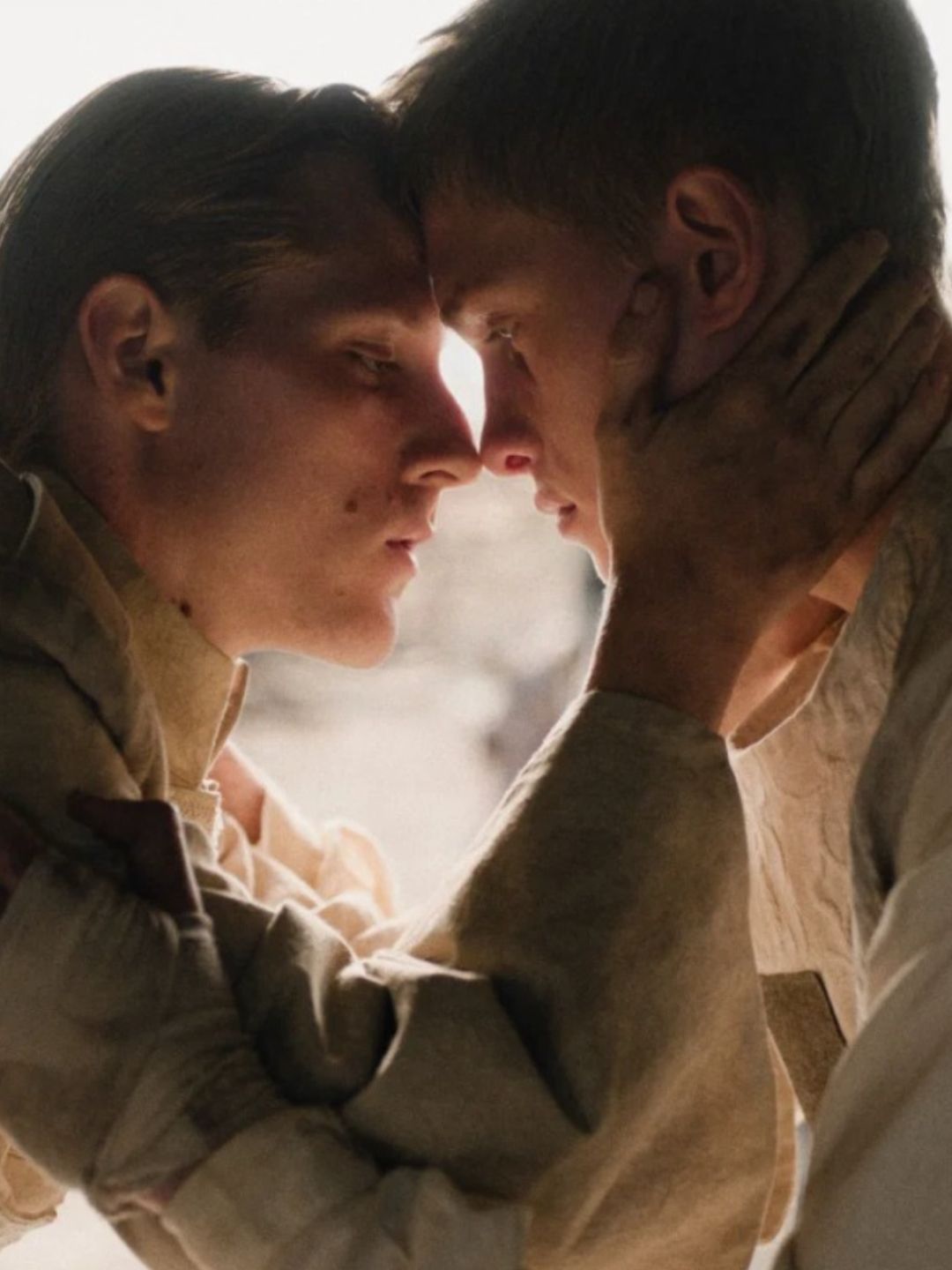
Jack Alldridge Steps Into the Spotlight in Hulu’s Foster Dade — With Matt Bomer Adding Extra Heat

Hulu has officially set the internet humming by casting rising actor Jack Alldridge in the lead role of its upcoming pilot Foster Dade, an adaptation of Nash Jenkins’ moody and irresistibly queer-coded novel Foster Dade Explores the Cosmos.

It is the kind of casting announcement that immediately shifts a project from “interesting” to “add to watchlist right now,” and once fans saw the name Matt Bomer attached as well the excitement level went straight through the roof.

The story centers on Foster Dade, a lonely, anxious transfer student who arrives at an elite East Coast boarding school in 2008 and tumbles headfirst into a world of intoxicating privilege, messy relationships, and a scandal that will haunt the school for years.

In the novel that inspired the show, Foster is fragile, curious, determined to reinvent himself, and constantly orbiting questions of belonging, identity, sexuality, and the pressure to fit a shape cut out for someone else entirely.

That complicated emotional terrain makes Alldridge an especially intriguing pick because the Deadline article announcing his casting stressed how raw and layered the role will need to be.

Fans have already begun imagining what the series might look like with Alldridge navigating blog posts, playlists, heartbreak, and a slow slide into a very dark situation.

But then there is Matt Bomer, stepping into the role of Alex Tierney, the school’s brilliant, eccentric and dangerously charismatic literature teacher.

Producers have already described Tierney as “swoony,” the kind of teacher students fall half in love with simply because he treats books like religion and emotions like poetry.

They also made it clear that he becomes entangled in the school’s unfolding scandal, a detail that has sent queer audiences into speculation overdrive.

Because if there is one thing Bomer does beautifully it is morally complex men caught between desire, duty, vulnerability and the messy tangle of human attachment.

Pairing a newcomer like Alldridge with a seasoned, openly gay actor like Bomer suggests Hulu is aiming for something deeper and darker than a typical YA boarding school story.

The original novel blends mystery with a forensic look at class, masculinity, sexuality and the pressure cooker of early adulthood, and the TV version seems poised to honor that tone.

With filming underway in New York this week the grind of behind-the-scenes leaks, character teases and early fandom theories is guaranteed to begin soon.

And if the adaptation leans into the emotional sharpness and queer subtext of the source material Foster Dade could easily become one of Hulu’s most talked-about new dramas of the year.

So for now we watch, we wait, and we let our imaginations run wild about just how messy, sexy and scandalous this boarding-school mystery might become under the combined gaze of Jack Alldridge and Matt Bomer.

And honestly, with that casting, who could blame us.

📷 IG: @ jackalldridge / mattbomer

Madonna calls out Donald Trump for skipping World AIDS Day

0

Madonna has never been shy about using her voice, and this week she trained it on Donald Trump after his administration chose not to publicly acknowledge World AIDS Day for the first time since the U.S. began marking it in 1988.

The pop icon posted an emotional message honoring the lives lost to HIV and the millions still affected, blasting the silence as absurd and unthinkable on a day designed to raise awareness and save lives.

Her statement landed alongside reporting that federal employees were told to refrain from publicly promoting World AIDS Day across government channels, which only amplified the sense that an important moment of remembrance was being erased.

For LGBTQ+ people and allies who grew up with Madonna as a frontline advocate during the darkest years of the crisis, the singer’s reaction felt less like celebrity outrage and more like a veteran returning to the barricades.

She reminded followers that this is not a theoretical debate but a human one, because countless families and friend groups carry names and faces that never left their hearts.

In classic Madonna fashion she refused to let anger sit by itself, turning it into a call to action and asking fans to honor the day with her and to keep pressure on leaders who are tempted to treat awareness as optional.

There is a reason World AIDS Day exists and has been observed annually since 1988, because visibility drives testing, testing drives treatment, and treatment drives down transmissions and stigma.

Even in 2025 the science is clear that people living with HIV who are on effective treatment and maintain an undetectable viral load do not transmit the virus sexually, and the path to that reality is paved with education, funding, and public attention.

When a government goes quiet on an awareness day it risks sending a message that the work is finished, which it is not, because new infections still happen and structural inequalities still shape who has access to care.

Madonna’s words also carry weight because she has backed them for decades, championing AIDS charities, memorializing friends, and normalizing compassion on the biggest stages in pop culture.

Love her or not, she knows how to shake people awake, and her timeline post did exactly that by asking what silence says to those who lost a partner at 23 or a best friend at 33.

Her critics will argue that a proclamation is symbolic, but symbols matter because they set the tone for budgets, for media coverage, and for whether schools and workplaces feel empowered to educate.

Her supporters counter that refusing to mark the day is not neutrality but a choice, and that a country that once led the global conversation should not retreat when the finish line is finally visible.

The bigger picture is that World AIDS Day is about remembering the past while protecting the present and shaping the future, and it only works when leaders, institutions, and communities pull in the same direction.

On that point Madonna is crystal clear, because remembrance without action is ceremony and action without remembrance is policy with no heart, and the day exists to marry both.

If you are looking for something practical to do, consider getting tested, learning about PrEP and U=U, supporting a local HIV service organization, or simply sharing accurate information that reduces stigma.

A single social post will not solve a public health challenge, but refusing to pretend the challenge no longer exists is the first step, and that is the line Madonna drew this week.

Whether you see her as an artist, an activist, or both, her message resonates because it asks leaders to show up, and it asks the rest of us to keep showing up too.

World AIDS Day is not a trend that comes and goes, it is a promise to remember and a promise to keep working until remembrance is no longer necessary, and that promise deserves more than silence.

Madonna’s final note to her fans was simple and pointed, because she will continue to honor the day and she hopes you will honor it with her, which is a challenge and an invitation rolled into one powerful sentence.

If you feel the same, turn that agreement into something tangible today, because the people we lost deserve it and the people living with HIV right now deserve it too.

📷 IG: @ madonna