

He built an empire, but chose something real

Norwegian businessman Stein Erik Hagen has passed away at the age of 69, leaving behind a legacy that spans both business and personal transformation.

He was widely recognized as one of Norway’s most influential figures in the business world, known for building the Rimi grocery chain and later becoming a central force in companies such as Orkla through his investment firm, VG writes.

Over several decades, he played a key role in shaping parts of the Norwegian economy and was considered one of the country’s most powerful and wealthy individuals.

But his story was not only about business.

In later years, Hagen also became known for speaking more openly about his personal life and identity.

He publicly acknowledged his sexuality, contributing to a broader conversation about visibility, especially for those who come out later in life.

This shift added another dimension to how he was perceived, not just as a business leader, but as a person navigating change and authenticity in the public eye.

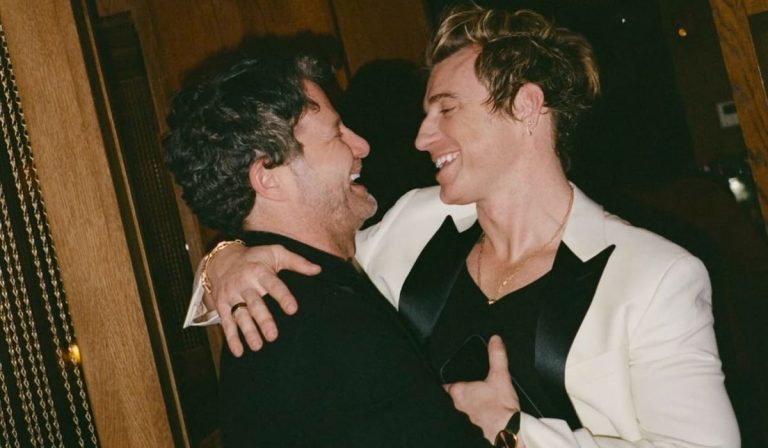
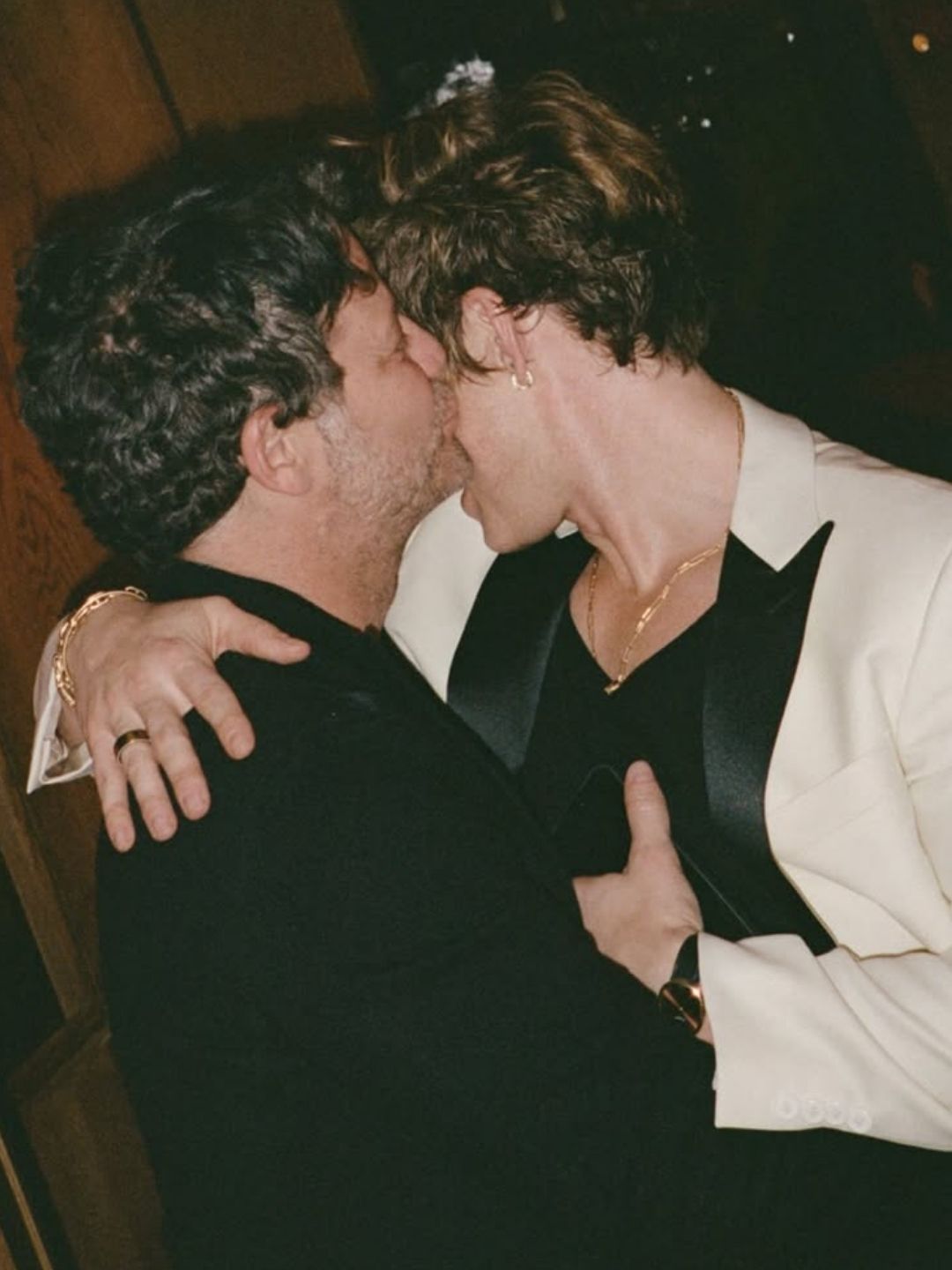
In November 2025, he married Bendik Skinningsrud, marking the beginning of a new chapter.

That moment stood out not only as a personal milestone, but also as a visible example of LGBTQ+ relationships in a generation where openness had often been more difficult.

His passing was sudden, following a cardiac arrest at his home.

He is survived by his children, grandchildren, and his husband.

Reactions to his death have highlighted both his professional impact and his personal qualities.

He has been described as a significant figure in Norwegian business, as well as someone who showed generosity and engagement beyond his corporate role.

At the same time, his later-life openness has been noted as an important part of his story.

For many, it reflects the idea that identity and self-understanding are not fixed, and that change can come at any stage of life.

His life therefore represents more than financial success or influence.

It also reflects a journey toward living more openly, even after decades in the public eye.

That aspect of his legacy is likely to remain part of how he is remembered.

📷: Orkla / UiO

New Investigations Into LGBTQ+ Lessons Are Raising Bigger Questions

The U.S. Department of Justice has launched investigations into 36 school districts in Illinois, focusing on how schools approach teaching topics related to sexual orientation and gender identity.

The inquiry is being led by the Civil Rights Division and will examine whether schools have provided proper notice to parents about such lessons.

It will also assess whether parents are given the option to remove their children from these educational programs, Pink News reports.

In addition to curriculum concerns, the investigation includes a review of how schools handle policies affecting transgender students.

This includes access to bathrooms, locker rooms, and participation in sports teams that align with a student’s gender identity.

Officials have stated that no conclusions have been reached at this stage.

However, the move has already sparked strong reactions from educators, lawmakers, and advocacy groups.

Supporters of the investigation argue that it is necessary to ensure parental rights are respected in educational settings.

They emphasize the importance of transparency and the ability for families to make decisions about what their children are exposed to in school.

Critics, however, see the situation differently.

They argue that investigations like these can have immediate consequences, even before any formal findings are made.

Schools may feel pressure to adjust their policies, limit discussions, or avoid certain topics altogether.

This could have a direct impact on how LGBTQ+ identities and experiences are represented in classrooms.

For many students, inclusive education is not simply about curriculum.

It is about visibility and understanding.

Learning about diverse identities can help create environments where students feel acknowledged and supported.

Removing or limiting that visibility may have broader effects on student well-being.

The situation also reflects a larger national conversation about how civil rights laws are applied to issues of gender identity in education.

Across the United States, debates continue around the balance between parental authority, student rights, and inclusive practices.

While the outcome of these investigations remains uncertain, their impact is already being felt.

They highlight the ongoing tension between policy decisions and the everyday experiences of students navigating identity, acceptance, and belonging.

A Love Story That Has Quietly Stood the Test of Time

Nate Berkus and Jeremiah Brent are celebrating another wedding anniversary, and their relationship continues to stand out in a way that feels increasingly rare.

Known for their work as interior designers and television personalities, the couple has built a life that blends creativity, family, and partnership.

But beyond their public image, it is their relationship itself that continues to resonate with so many people.

Their story began in 2012, when they reconnected through mutual friends and quickly formed a strong connection.

What started as something simple, including a first date that involved antique shopping, soon became something more meaningful.

Within a year, they were engaged.

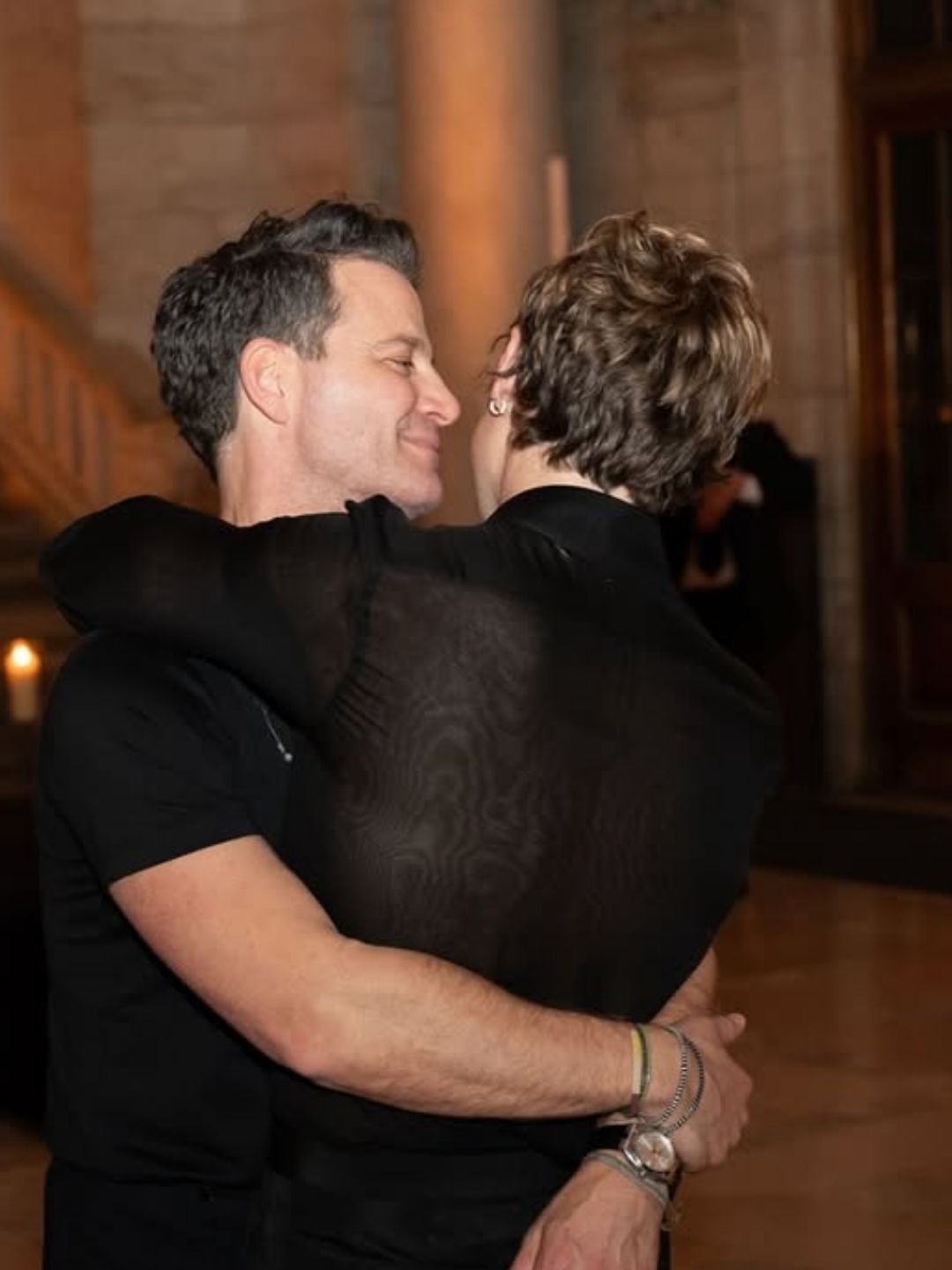
In May 2014, they were married in a ceremony at the New York Public Library, marking a historic moment as the first same-sex couple to wed at the iconic venue.

Since then, their life together has continued to evolve.

They have welcomed two children, building a family that reflects both their shared values and their commitment to one another.

At the same time, they have expanded their professional partnership, working together on television projects such as Nate & Jeremiah by Design, where their dynamic as a couple is part of what draws viewers in.

What makes their relationship particularly compelling is not just its longevity, but the way they describe it.

They often speak about mutual support, emphasizing that they are each other’s biggest cheerleaders.

In an industry where shared careers can sometimes create tension, they have instead found a balance that allows both individuals to grow.

There is also a sense of groundedness in how they present their life together.

Despite their success, their relationship is not framed as perfect.

It is framed as intentional.

As something that requires effort, presence, and a willingness to keep choosing each other over time.

That perspective is part of what makes their story feel relatable.

It reflects a version of love that is not defined by grand gestures alone, but by consistency.

As they celebrate another anniversary, their relationship continues to represent a form of LGBTQ+ visibility that extends beyond representation.

It shows what it can look like to build a life together, to navigate both personal and professional challenges, and to create something lasting.

And in that sense, their story is not just about design, television, or public recognition.

It is about partnership in its most enduring form.

📷 IG: @nateberkus @jeremiahbrent

He came out and his dad accepted him – Then told him this story

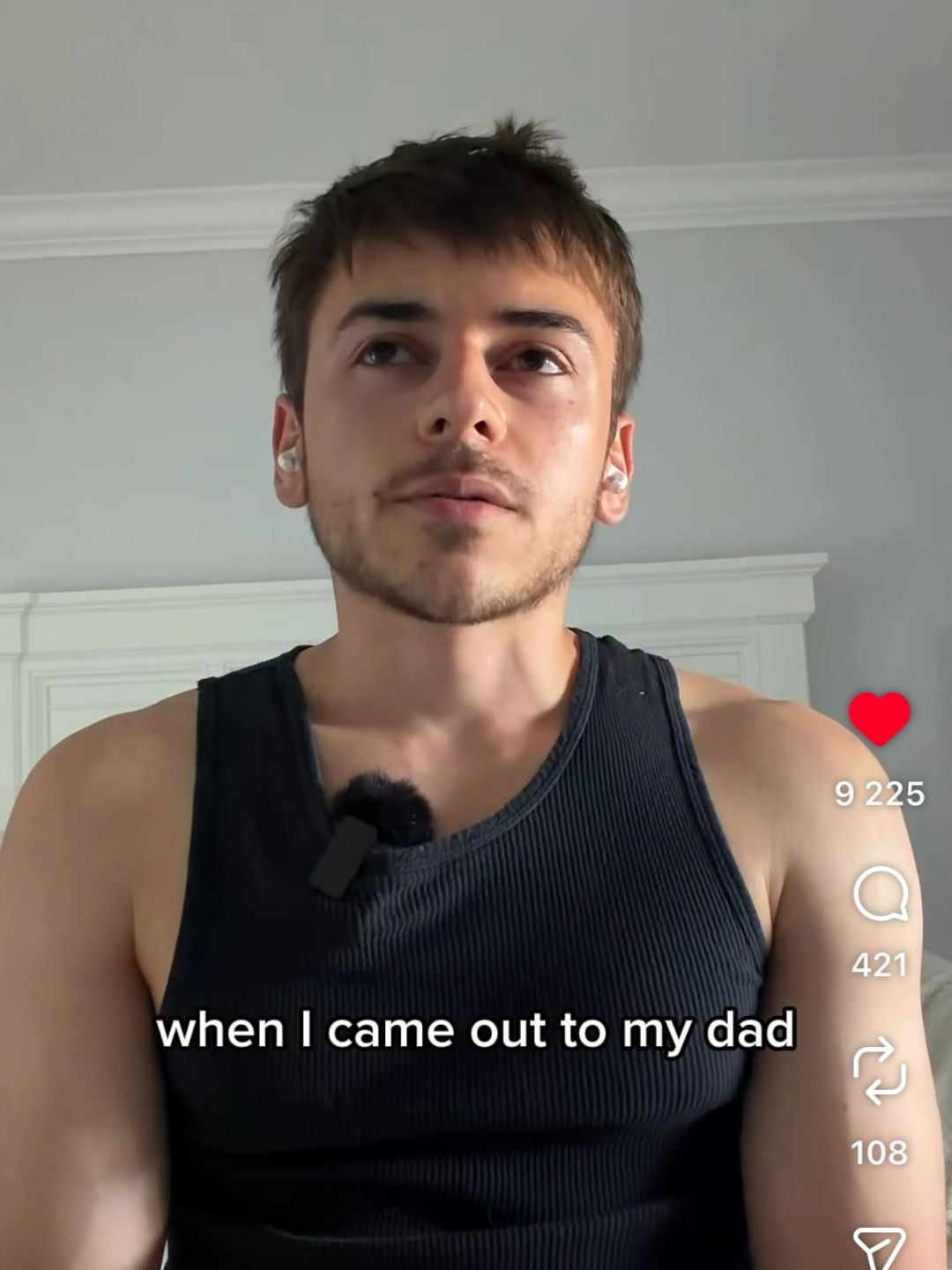
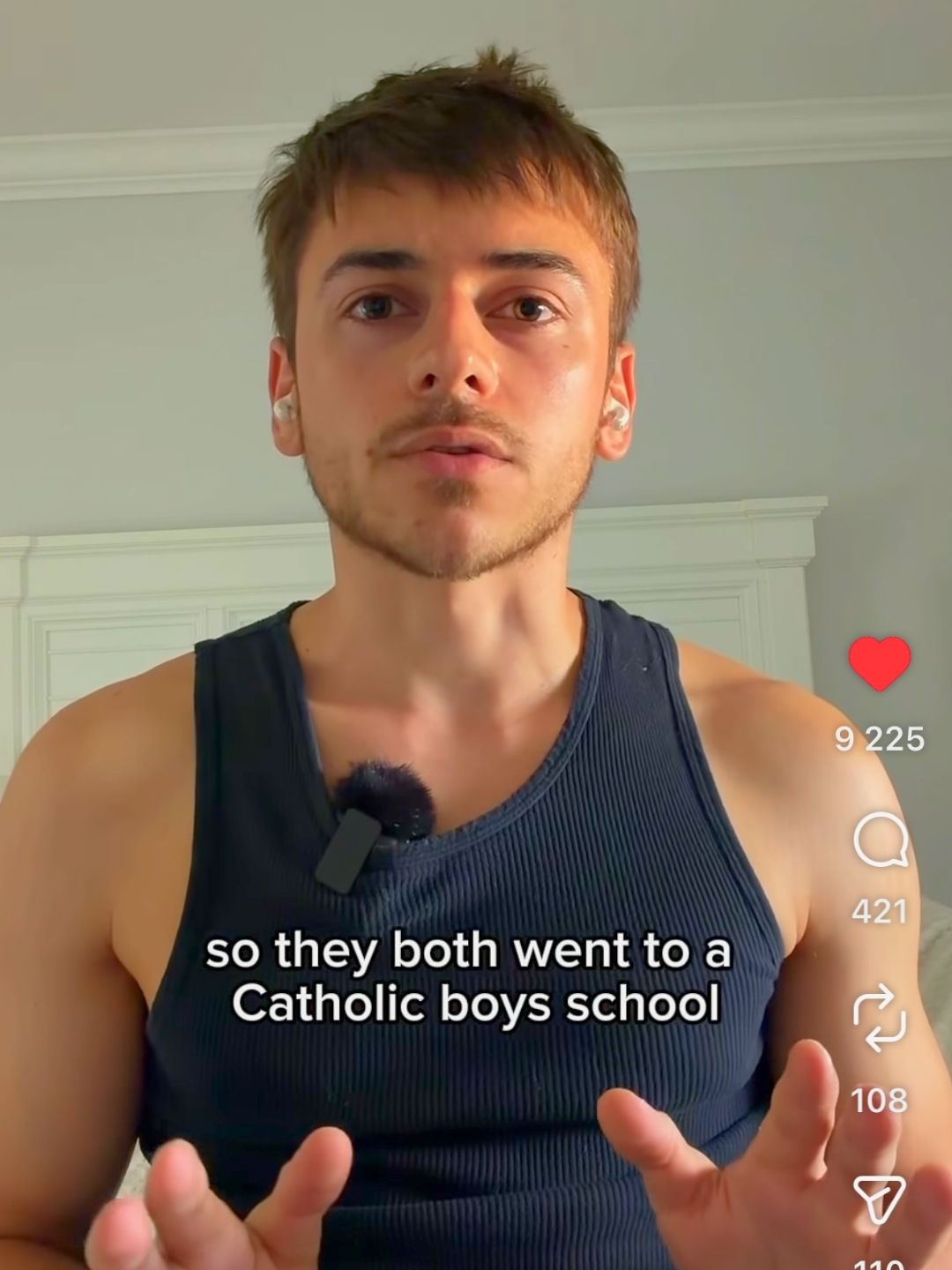
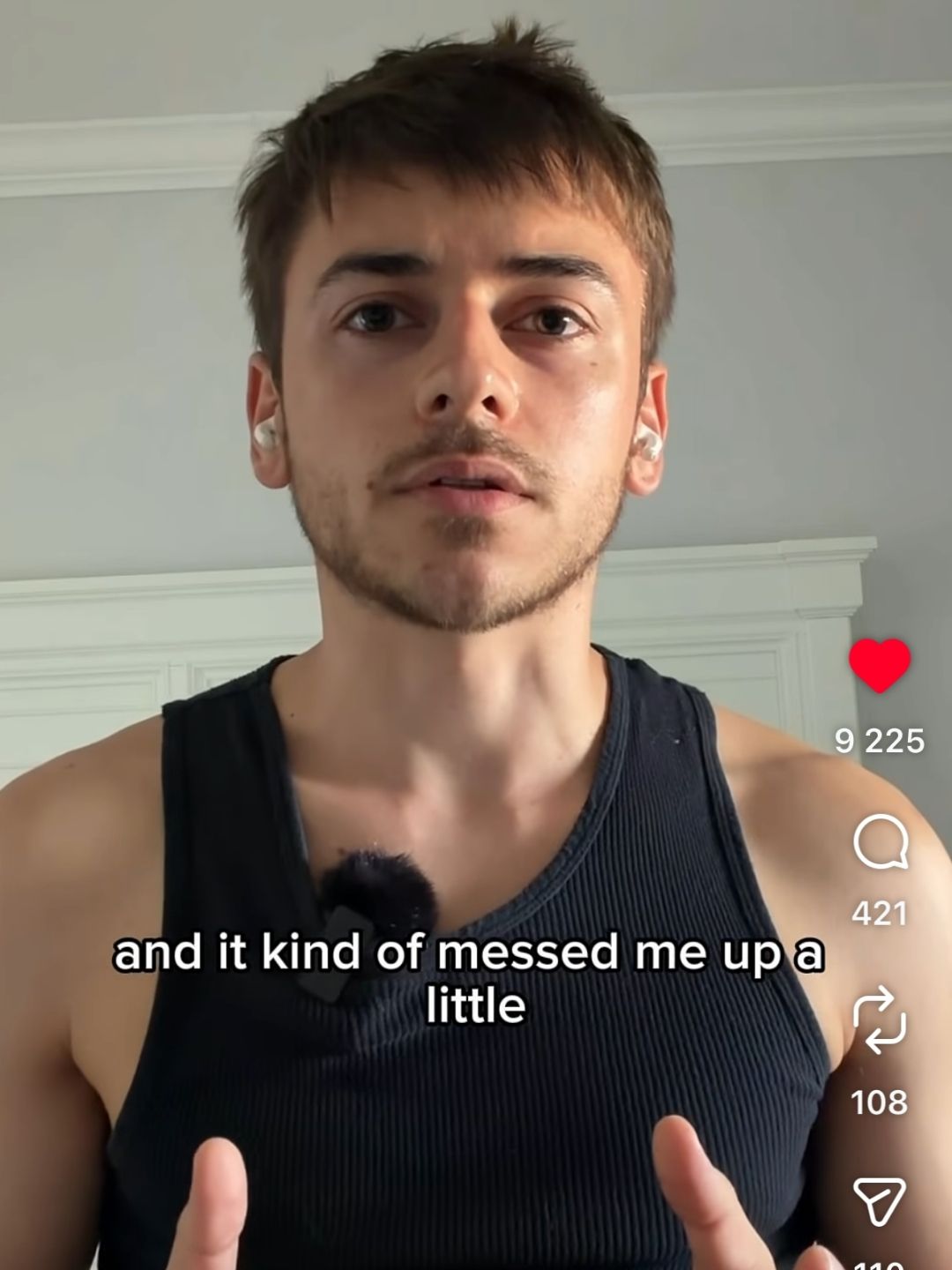
Chris Stanley, known online as Stan Chris, has built a large following through his mix of humor, street interviews, and emotionally honest LGBTQ+ storytelling.

As a content creator, actor, and producer, he has become known for sharing both light and deeply personal moments with his audience.

But a recent story he shared stood out for a different reason.

It wasn’t funny, and it wasn’t designed to go viral.

It was something quieter.

More reflective.

And far more personal.

When Stan came out to his father, he was met with immediate acceptance.

There was no hesitation, no confusion, and no rejection.

Instead, his father told him something he had never shared before.

Stan’s uncle had been gay.

It was a part of the family’s history that had remained largely unspoken.

Because his uncle had passed away when Stan was still very young, there had never been an opportunity to fully understand who he was or what he had experienced.

That changed when his father told him the story.

Growing up in a strict Catholic all-boys school, his uncle had been involved with one of the most popular football players.

When that relationship became known, it did not stay private for long.

The situation escalated quickly.

Rumors spread, and the environment turned hostile.

Both young men became targets of bullying in a time when there was little protection for LGBTQ+ students.

Faced with that pressure, Stan’s uncle made a decision that would define what happened next.

He told the other boy to deny everything and to place the blame entirely on him.

And that is exactly what happened.

One of them was able to continue on, graduate, and move forward without consequences.

The other was left to carry the fallout alone.

The situation became so severe that he eventually had to transfer schools.

For Stan, hearing this story brought clarity to something he had always felt but never fully understood.

It explained why his father accepted him so quickly.

But it also explained the quiet concern that had always been present.

Not about who he was, but about how others might treat him.

This story reflects a broader generational experience.

For many, being openly gay once came with risks that shaped entire lives.

Even today, those experiences continue to influence how families understand safety, acceptance, and protection.

And perhaps the most powerful part of the story is not what happened.

It is the question it leaves behind.

In that moment, under that pressure, what would any of us have done?

📷 IG: @stanchris

Tom Daley’s courtside crochet moment with Tom Holland sparked an unexpected connection

Tom Daley and Tom Holland recently crossed paths at the BERO Padel Classic in Los Angeles, and what followed was a moment that quickly captured attention online.

Daley, the Olympic diving champion who has become known for his love of crochet, spent part of the event sitting courtside working on a handmade project.

The scene itself was already unusual enough to stand out.

Crocheting during a high-profile sporting event is not something typically associated with celebrity appearances.

But for Daley, it felt entirely natural.

He has openly shared his passion for the craft for years, often describing it as a way to relax and stay grounded.

By the end of the match, the purpose of the project became clear.

Daley presented Holland with the finished piece, a custom spiderweb-themed can holder inspired by the actor’s role as Spider-Man.

Holland’s reaction was immediate and genuine.

He expressed surprise that the item had been made that same day.

The exchange might have ended there as a simple, lighthearted interaction.

Instead, it took an unexpected turn.

Holland revealed that he and his partner Zendaya have recently taken up crocheting together at home.

He described the activity as something he genuinely enjoys, especially as a way to unwind after stressful days.

This detail added a new layer to the moment.

It shifted the focus from a celebrity encounter to something more personal and relatable.

Daley, who is married to filmmaker Dustin Lance Black, has often spoken about the importance of balance between public life and private moments.

His openness about hobbies like crochet has contributed to a broader conversation about masculinity and self-expression.

The interaction between the two Toms brought together different worlds.

On one side, a queer athlete who has embraced visibility and authenticity.

On the other, a global film star sharing a glimpse of everyday life behind the scenes.

What resonated with many viewers was not just the humor of the situation.

It was the sense of connection that came through in a small, unexpected gesture.

A handmade gift, a shared hobby, and a moment that felt quietly human.

In a culture often driven by spectacle, it was the simplicity that made it memorable.

📷 IG: @tomdaley