
Russell T Davies shares Venice trip with partner after decades-long delay

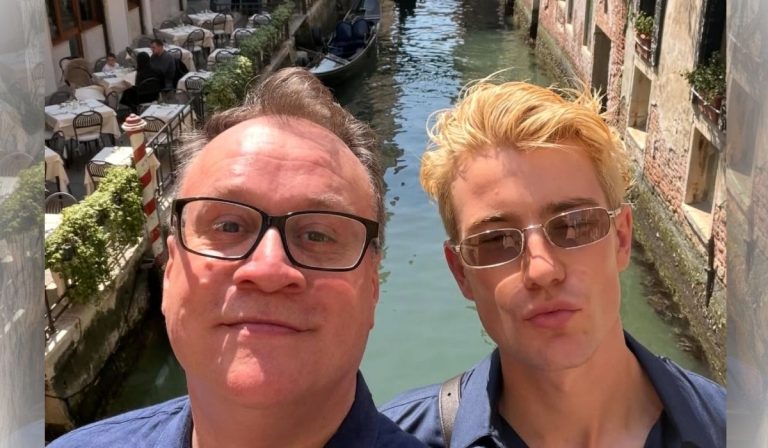
Russell T Davies has shared a series of personal moments from a long-awaited trip to Venice, offering a glimpse into a quieter, more reflective side of his life.

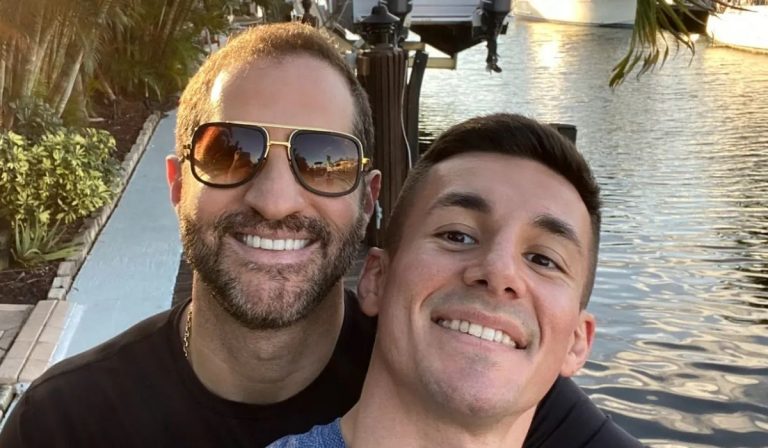
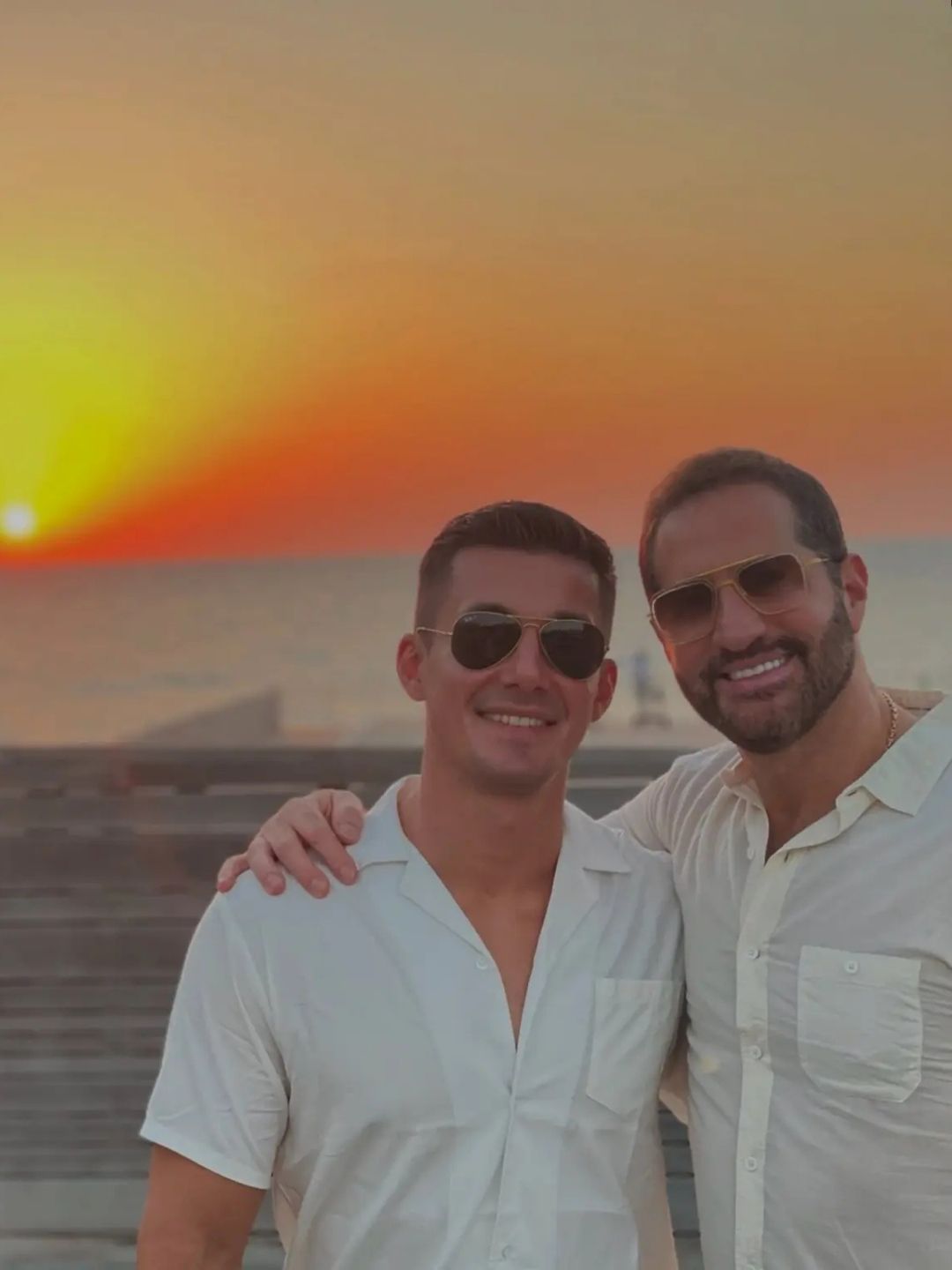
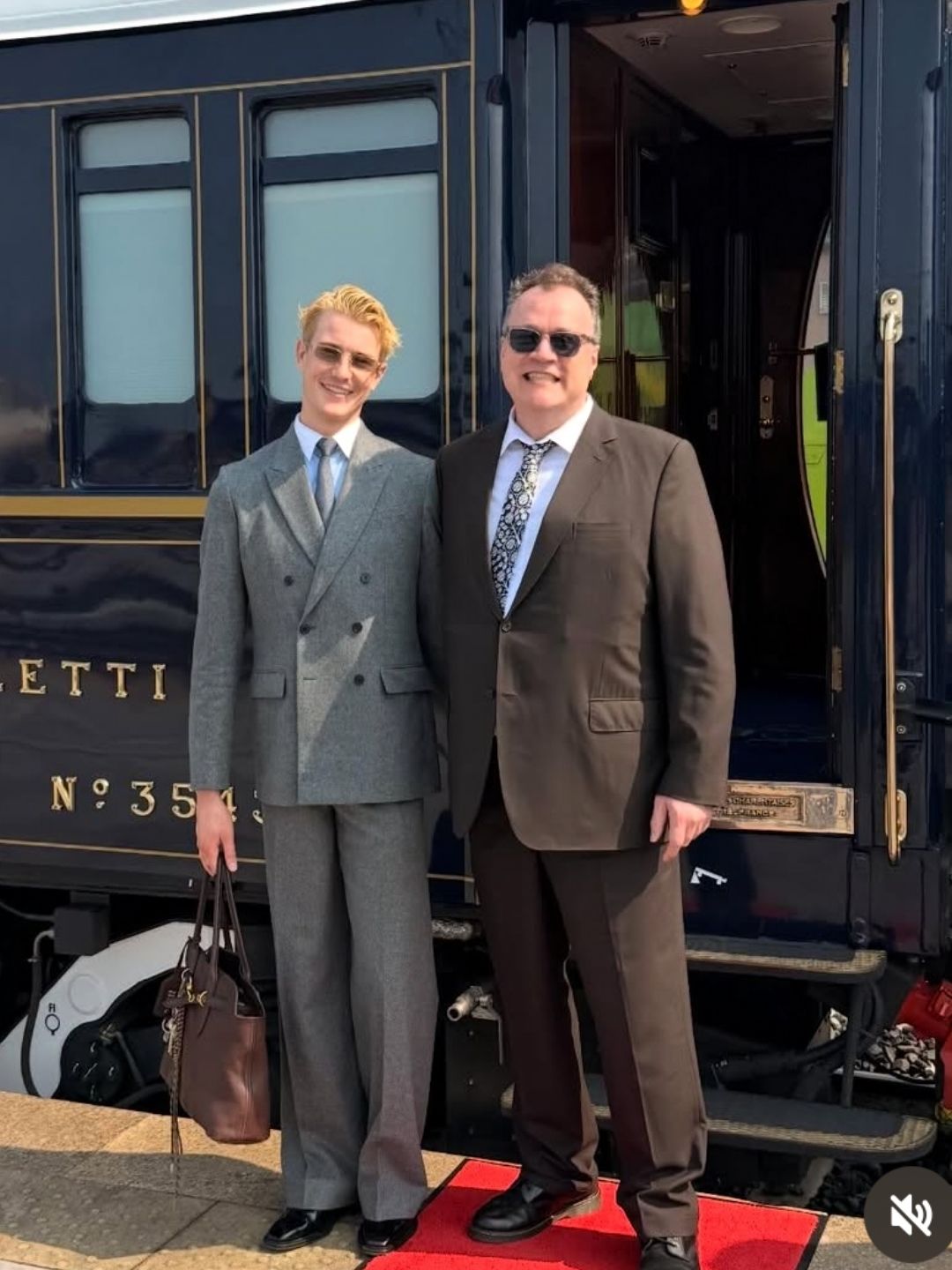
The celebrated writer and producer, known for creating Queer as Folk and It’s a Sin, posted images from the trip alongside his partner, theatre producer Theo Oliver Cole.
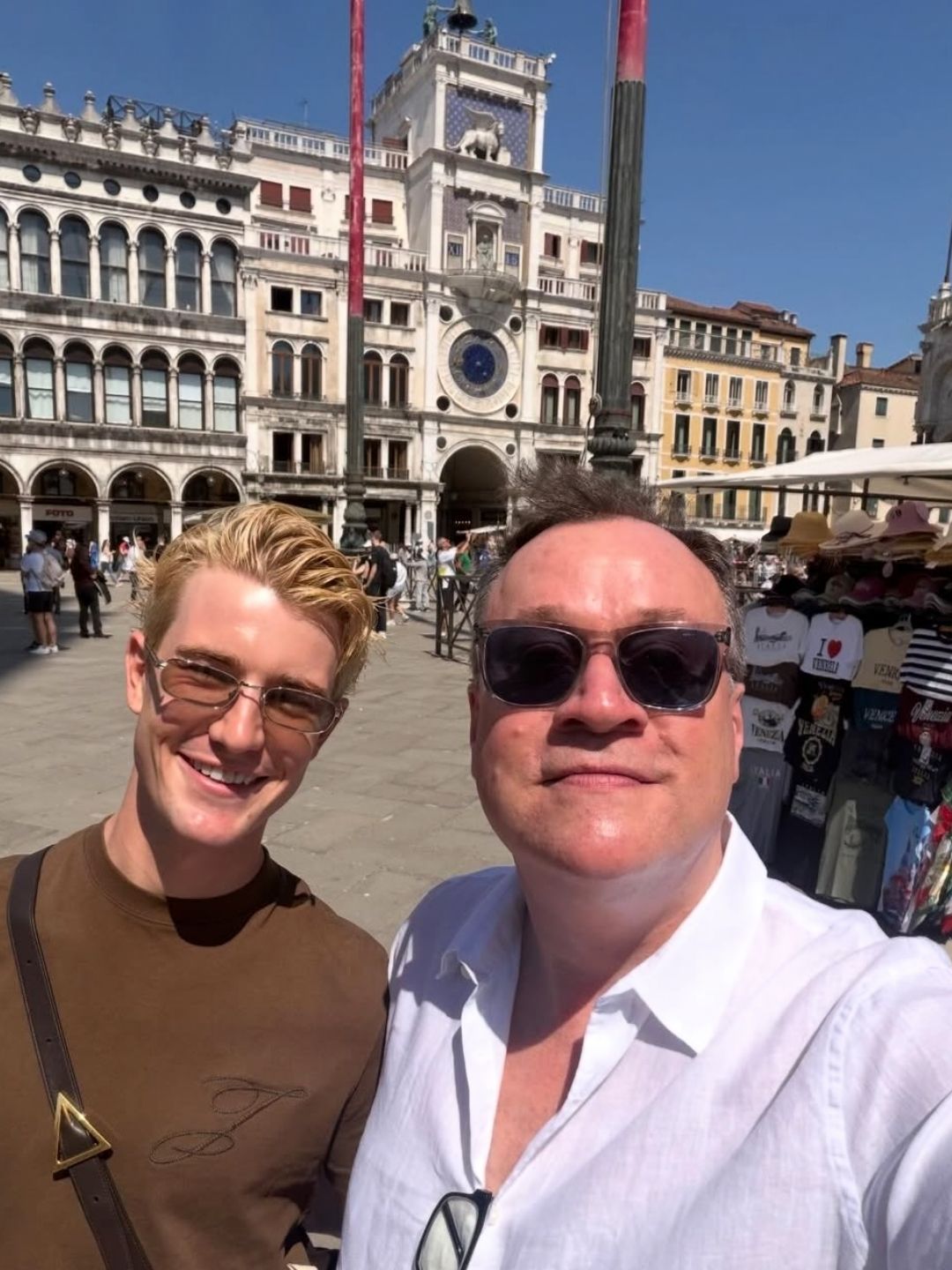
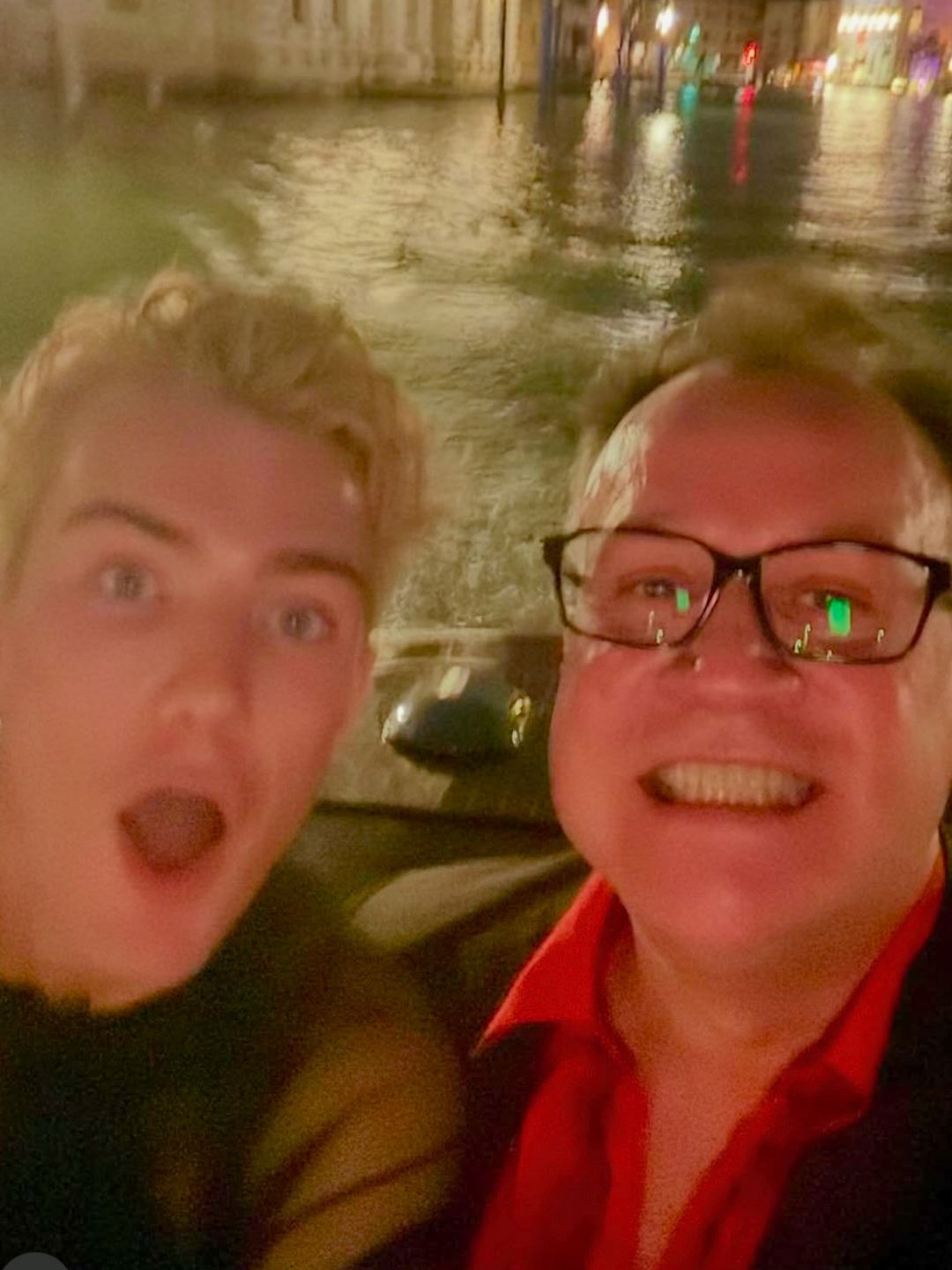
The photos capture a mix of everyday travel moments, from gondola rides to relaxed walks through the city.

In his caption, Davies revealed that this visit had been a long time coming.

He had originally planned to travel to Venice in 1988 but was unable to make the trip due to illness.

Nearly four decades later, he has now finally experienced the city for the first time.

The significance of that delay adds an emotional layer to what might otherwise seem like a simple travel post.

For Davies, the moment reflects both time passed and a different chapter in his life.

His relationship with Theo Oliver Cole represents a more recent phase, following years marked by both professional success and personal loss.
Davies was previously in a long-term relationship with Andrew Smith, who died in 2018 after living with a brain tumor.

Davies has spoken publicly about that period and how it influenced his work, particularly in shaping the emotional depth of projects like It’s a Sin.

Since then, he has continued to build both his career and his personal life.

His relationship with Cole has become a visible part of that journey, with the couple occasionally sharing glimpses of their life together.
The Venice trip highlights a sense of continuity rather than contrast.

It reflects a life that has evolved over time, shaped by both loss and renewal.

Moments like these, shared publicly but without excess, offer a different kind of representation.

They show relationships not as spectacle, but as something steady and lived.

For many, that kind of visibility carries its own quiet significance.

It suggests that even long-delayed plans can find their place within a life that continues to move forward.

And sometimes, the meaning of a place is not just where it is, but when you finally arrive there.

📷 IG: @russeltdavies63

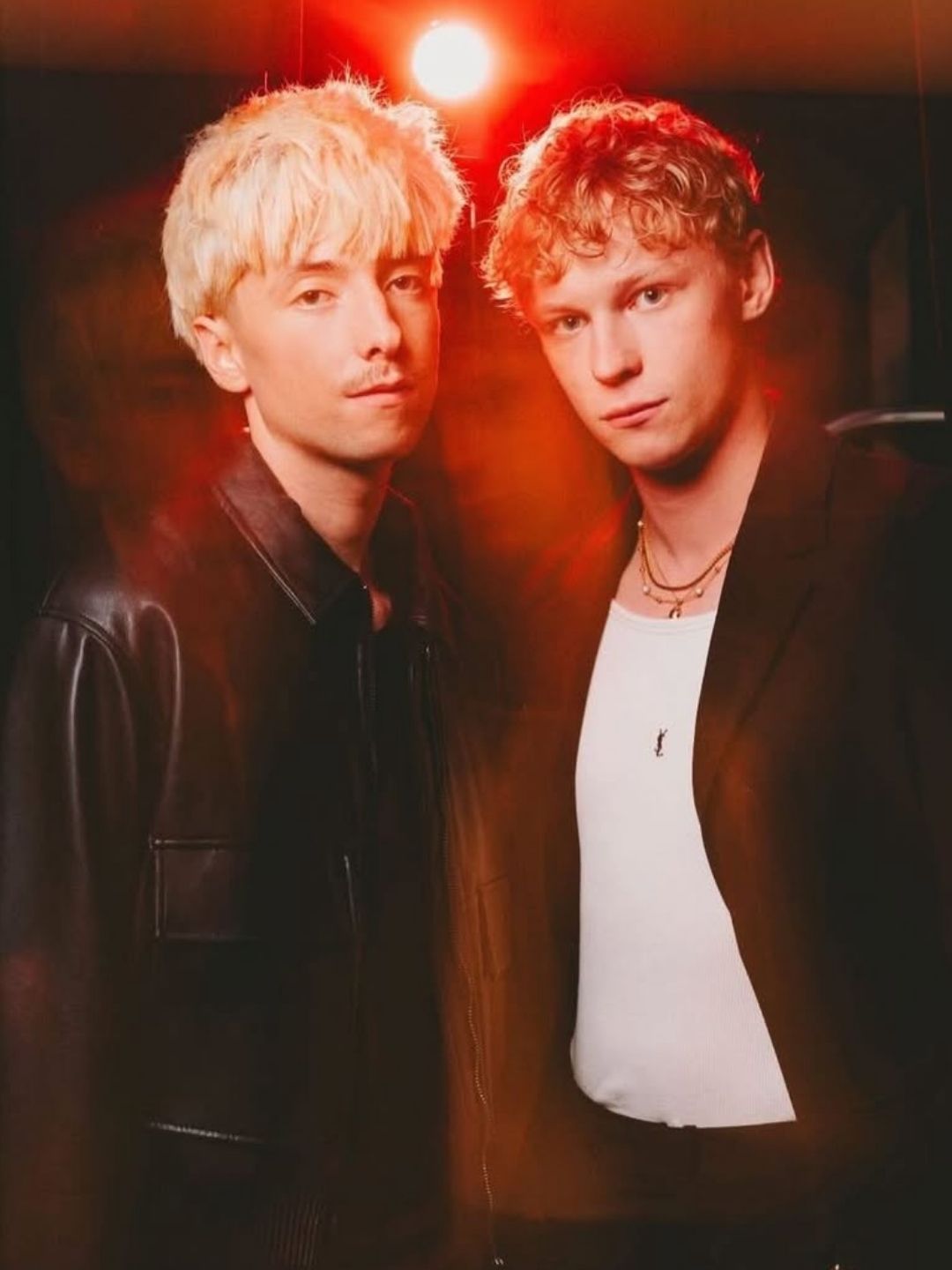
Joe Locke’s rumored new film role is already getting people talking

Joe Locke may be preparing to take on one of the most unexpected roles of his career so far.

The Heartstopper star, who became widely known for playing Charlie Spring in the hit Netflix series, is rumored to be starring in a new sci-fi horror film titled Baby.

While details about the project remain limited, early reports have sparked significant discussion online.

According to those reports, Locke would play a young male sex worker who becomes pregnant with a mysterious creature.

The concept draws on a trope often referred to as “male pregnancy,” or “mpreg,” which has been popular in certain online fan communities but rarely explored in mainstream film.

At this stage, Locke has not officially confirmed his involvement in the project.

However, he recently posted a message on social media that many fans interpreted as a reference to the film.

“That’s a wrap BABY,” he wrote, alongside an image that suggested filming had been completed.

The film is reportedly being directed by Sam Max, who is known for queer short films and is said to be making his feature debut with the project.

If confirmed, the role would mark a significant shift for Locke.

His breakthrough performance in Heartstopper centered on a tender coming-of-age story and a widely celebrated queer romance.

Since then, he has expanded his career with roles in projects such as Agatha All Along, further establishing himself as a rising figure in both mainstream and queer-focused storytelling.

A project like Baby would represent a different direction.

Rather than continuing within the tone of romantic or character-driven narratives, it would place him within a genre that combines horror, science fiction, and more experimental themes.

That shift reflects a broader trend in queer cinema, where creators and performers are increasingly exploring genres that go beyond traditional coming-out or romance stories.

At the same time, the premise itself has drawn strong reactions, with fans expressing both excitement and curiosity about how such a concept might be handled on screen.

Without official confirmation or further details, much about the film remains uncertain.

What is clear, however, is that the project has already generated attention.

For Locke, it could represent another step in a career that continues to move beyond expectations.

And for audiences, it suggests that the range of queer stories being told is continuing to expand in new and sometimes unexpected directions.

📷 IG: @joelocke03 / Netflix

Joshua Cavallo says players are opening up to him — and it shows the impact of visibility

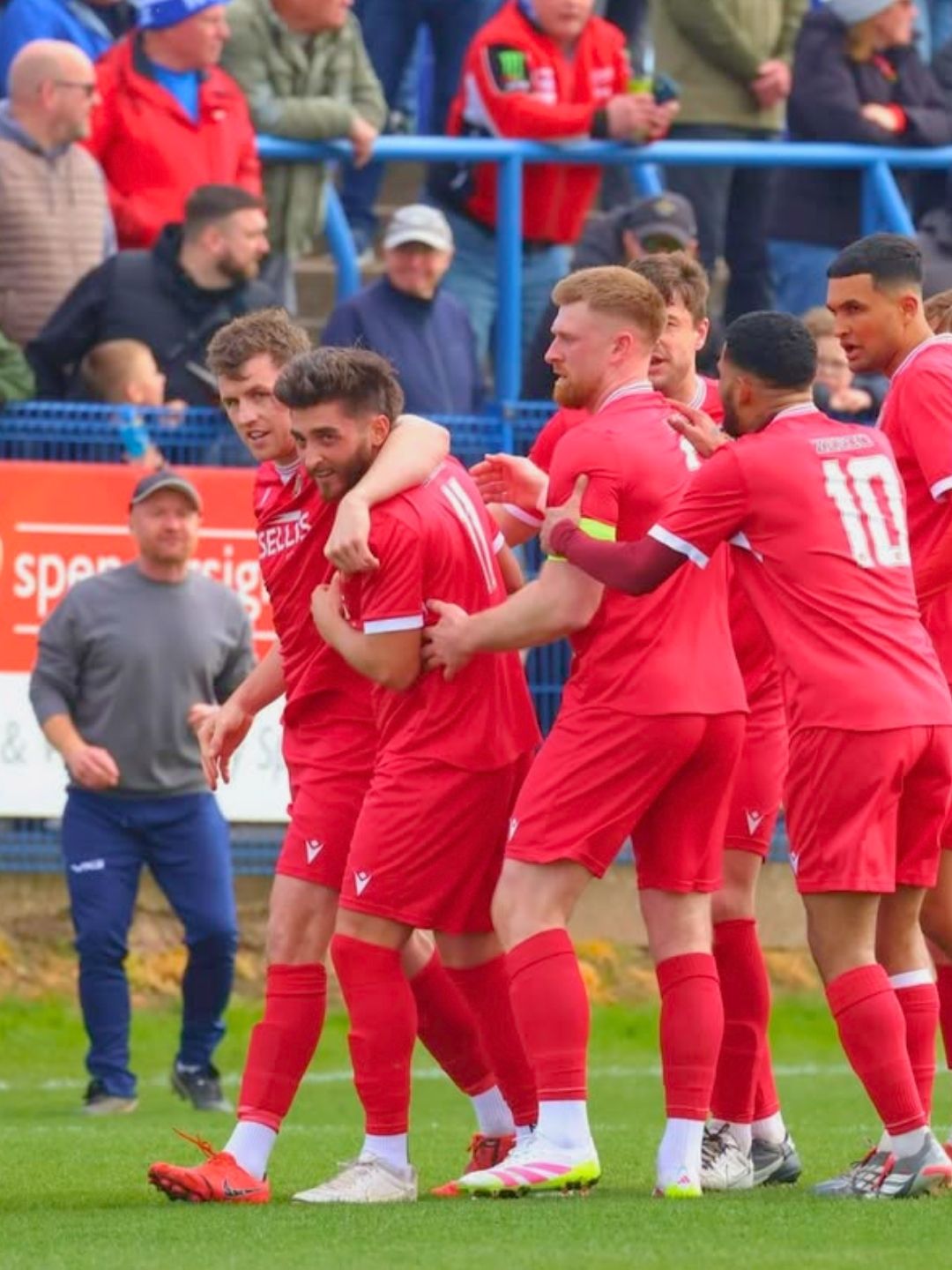
Joshua Cavallo has shared a deeply personal reflection on what this football season has meant to him, and it goes far beyond results on the pitch.

While his team finished the season unbeaten at home, Cavallo said the most meaningful moments came from something much quieter.

Conversations.

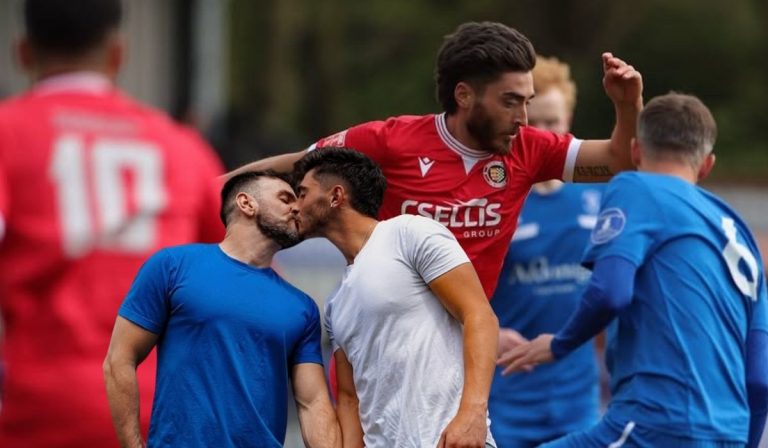
Throughout the season, he revealed that players from opposing teams have opened up to him about their sexuality.

These were not public moments, but private conversations built on trust.

For Cavallo, that trust is something he does not take lightly.

“If being visible helps one person feel safer, seen, or a little less alone, then I’ve done my job,” he wrote.

Cavallo made history in 2021 when he came out as gay while still playing professional football.

At the time, he was one of the only openly gay active male players in the sport, a space that has long struggled with visibility and acceptance.

Since then, his journey has not been easy.

He has spoken openly about facing discrimination, difficult environments, and even receiving death threats as a result of living his life publicly.

Despite this, he has continued to advocate for greater inclusion in football.

His presence in the game has become a reference point for others navigating similar experiences.

The impact of that visibility is now becoming clearer.

The fact that other players feel able to confide in him suggests that change, while gradual, is happening.

At the same time, Cavallo’s story is not only about challenges.

It is also about building a life that reflects who he is.

In 2024, he proposed to his partner, Leighton Morrell, on the pitch at his home stadium.

The moment was widely shared and celebrated, marking a milestone that felt both personal and symbolic.

It represented a version of football where identity and love do not need to be separated.

Cavallo’s journey continues to highlight both the progress that has been made and the work that remains.

For those still navigating their own place within the sport, his story offers something important.

Not a perfect answer, but a visible example.

And sometimes, that is enough to start a conversation.

📷 IG: @joshua.cavallo

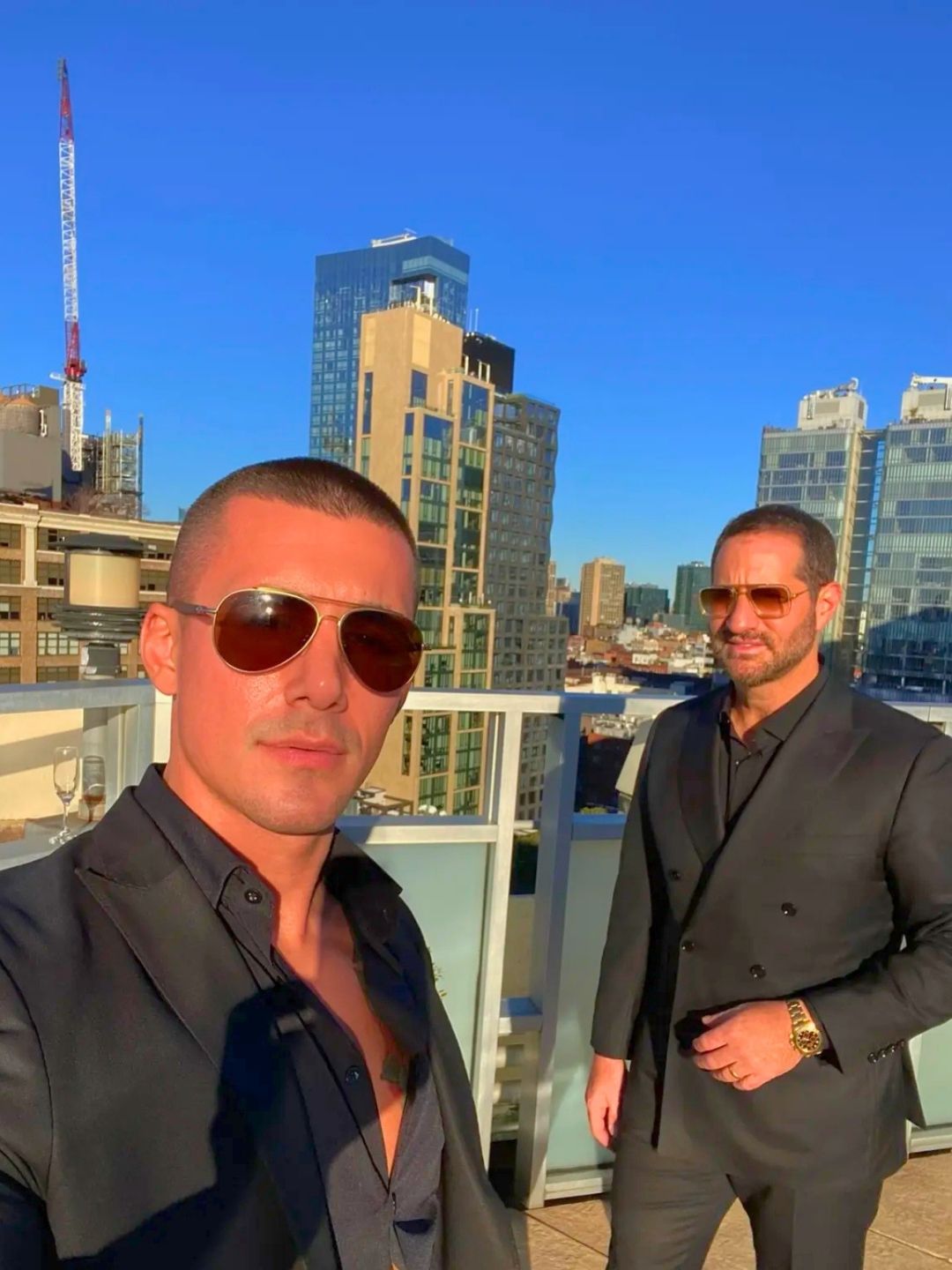
Comedian Modi says he receives daily messages from Orthodox Jewish people navigating sexuality

Comedian Modi has revealed that he regularly receives messages from people within the Orthodox Jewish community thanking him for his openness about his identity.

According to PageSix, those messages often come from individuals who are quietly navigating their own relationship with sexuality in environments where it is not always openly discussed.

Modi, whose full name is Mordechi Rosenfeld, is openly gay and married to Leo Veiga since 2020.

He is also deeply connected to Orthodox Jewish life, a combination that is still relatively uncommon in public-facing roles.

That visibility has become more meaningful than he initially expected.

He said that people reach out to him on a daily basis, expressing gratitude for simply being able to see someone who reflects both parts of their identity.

Rather than positioning himself as an activist, Modi’s impact appears to come from something more understated.

His presence offers an example of what it can look like to exist openly without completely stepping outside of a traditional community.

For many people, that balance is difficult to imagine.

In more conservative or religious environments, conversations around sexuality can still carry a sense of tension, uncertainty, or silence.

That makes representation particularly significant, even when it is not explicitly framed as advocacy.

Modi’s career has largely been built around performing for Jewish audiences, including Orthodox communities, where his humor often reflects shared cultural experiences.

At the same time, he has spoken about being mindful of those audiences and how much of his personal life he brings into his performances.

This approach reflects a careful navigation of identity, where openness and sensitivity exist alongside each other.

The messages he receives suggest that this balance resonates with people who may feel caught between different expectations.

For them, seeing someone who has found a way to live authentically without completely disconnecting from their background can be both reassuring and validating.

While the impact of that visibility may not always be visible in public discussions, it is clearly felt on a more personal level.

The fact that these messages arrive consistently highlights an ongoing need for representation in spaces where it has historically been limited.

It also reflects a broader shift in how identity is being understood within religious communities.

Change in these contexts often happens gradually, shaped by individual experiences rather than large public movements.

In that sense, Modi’s role is less about leading a conversation and more about existing within it.

And for the people reaching out to him, that may be exactly what makes the difference.

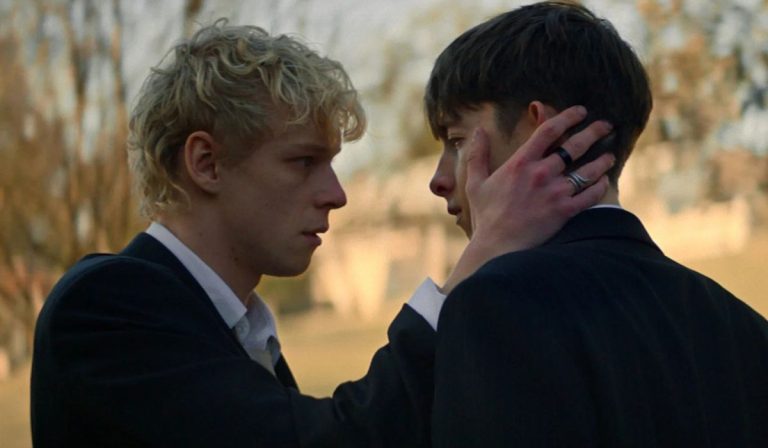
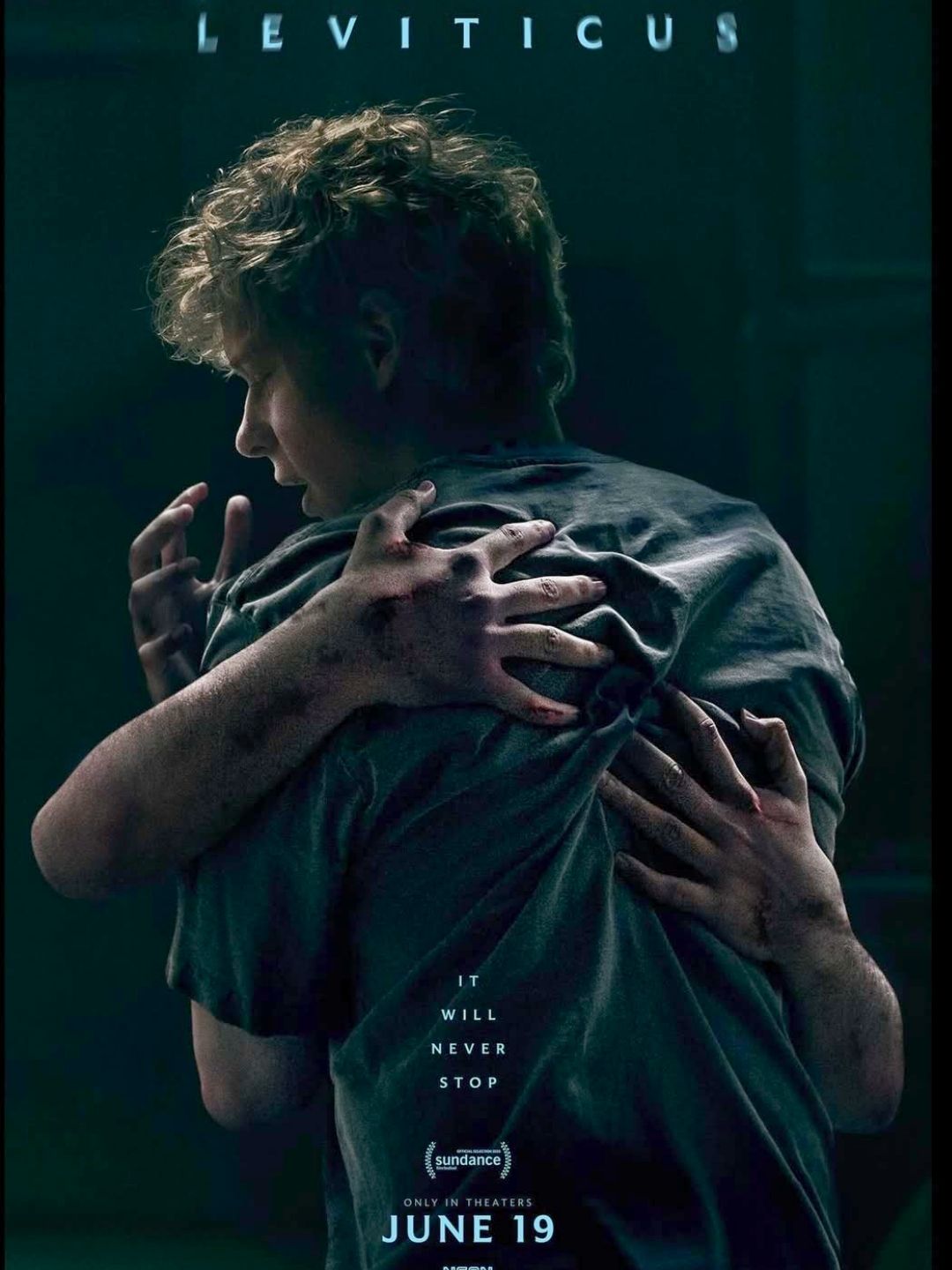
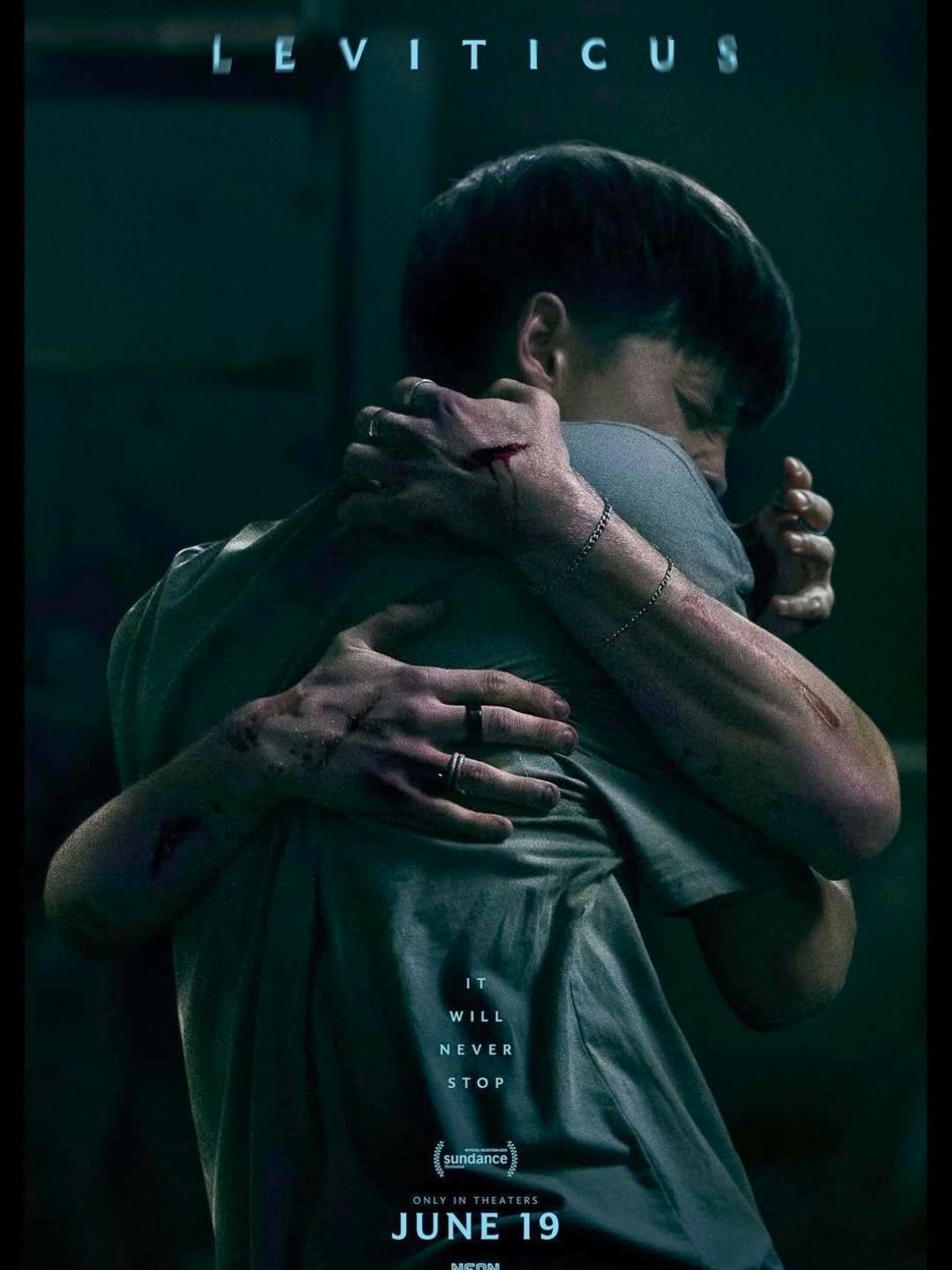
Leviticus turns queer desire into something terrifying — and deeply symbolic

A new horror film is drawing attention for the way it transforms a queer love story into something far darker.

Leviticus, directed by Adrian Chiarella, premiered at the 2026 Sundance Film Festival and has already been described as both unsettling and emotionally resonant.

At its center are two teenage boys (played by Joe Bird and Stacy Clausen) living in a small, deeply religious community.

As their relationship begins to develop, it unfolds in secrecy, shaped by the expectations and restrictions of the world around them.

When their connection is discovered, the consequences are immediate and severe.

They are forced into a conversion-style ritual intended to suppress or eliminate what others see as unacceptable desire.

But instead of resolving anything, the experience unleashes something far more dangerous.

After the ritual, a violent presence begins to stalk them.

What makes it particularly disturbing is the form that presence takes.

It appears as the person each of them desires most.

In this case, that means each other.

The result is a concept where attraction and fear become inseparable.

Moments of intimacy are no longer safe, and connection itself becomes a threat.

The film uses this idea to explore how external pressures and internalized fear can distort the way people experience their own identity.

Set against a backdrop of religious authority and social control, the story reflects a broader history of attempts to regulate or erase queer desire.

Rather than presenting that tension through dialogue alone, Leviticus turns it into something physical and inescapable.

The horror is not only supernatural, but also emotional.

It is rooted in the idea that love can be reframed as something dangerous when it exists in the wrong environment.

Critics have noted the film’s ability to balance these elements, combining a coming-of-age story with psychological and supernatural horror.

At the same time, the relationship between the two central characters remains a core part of the narrative.

Even as the danger escalates, the emotional connection between them continues to drive the story forward.

This duality gives the film a sense of tension that goes beyond typical genre expectations.

It is not only about survival, but also about what it means to want something that the world around you tells you is wrong.

By turning that conflict into a literal threat, Leviticus creates a powerful and unsettling metaphor.

It suggests that fear does not always come from outside forces alone.

Sometimes, it is shaped by how those forces teach people to see themselves.

And in that sense, the film’s horror is not just imagined.

It reflects something that has been experienced in many different forms, long before it appeared on screen.

📷 IG: @leviticusfilm