


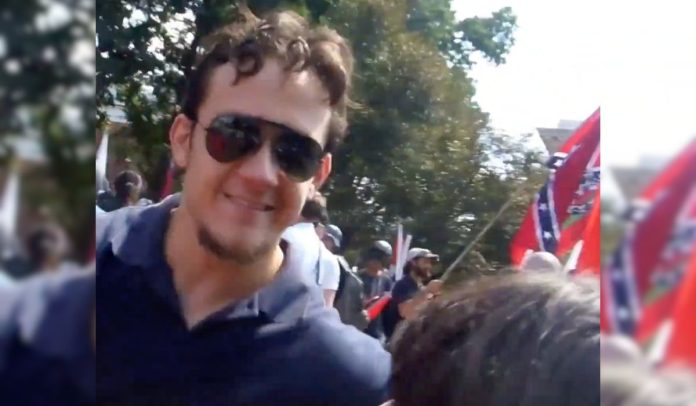

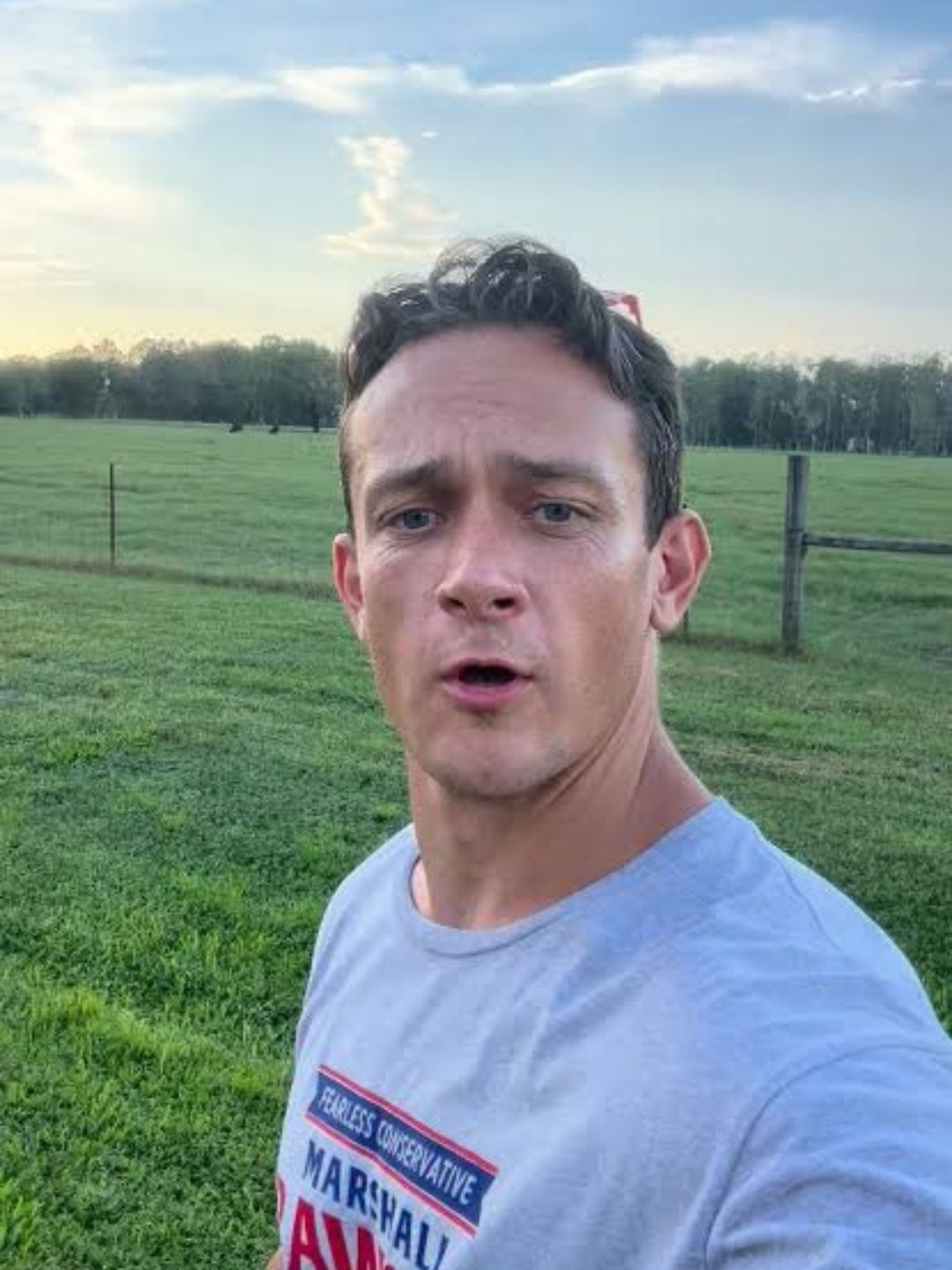
Republican Marshall Rawson has won election to Florida’s House of Representatives after an investigation documented his participation in the 2017 Unite the Right rally in Charlottesville and reported social media posts supporting the execution of gay people.
The result gives Rawson a role in making state law. It also brings renewed attention to reporting published before voters went to the polls.
The Election Result
Florida’s unofficial returns for House District 10 list 43,865 votes for Rawson and 20,523 for Democrat Merrillee Malwitz-Jipson, with one write-in vote. That puts Rawson at approximately 68%.
The district covers Baker, Bradford, Columbia and Union counties and part of Alachua County. Local broadcaster WCJB reported his victory and noted that outgoing Republican representative Chuck Brannan was term-limited.
What the Investigation Reported
In a September investigation, Talking Points Memo reporter Christopher Mathias described footage showing Rawson arriving at Charlottesville and being greeted by name by members of the League of the South, a white supremacist, neo-Confederate organization.
TPM also reported on 2023 posts, previously documented by Clay News & Views, in which Rawson welcomed news of men facing the death penalty in Uganda and suggested bringing such punishment to Florida.
Rawson has acknowledged involvement with the League of the South between 2013 and 2016. He described his activities as opposing immigration and same-sex marriage and defending historical monuments. TPM’s reporting placed him at later events, including Charlottesville.
His Public Response
Responding to TPM, Rawson emphasized his defense of historical monuments and said he did not screen donors. He argued that contributions to his campaign did not constitute his endorsement of donors’ views.
WCJB’s election-night report said Rawson continued to defend his beliefs while emphasizing protection of North Florida’s springs and green spaces.
LGBTQ Nation revisited his record following the election. For LGBTQ+ Floridians, his victory raises a concrete question of public accountability: how fellow lawmakers will respond to a colleague whose reported statements target their constituents’ right to live safely.