
Andrew Rannells Thought He Was Getting a “Showmance.” He Got Tuc Watkins.

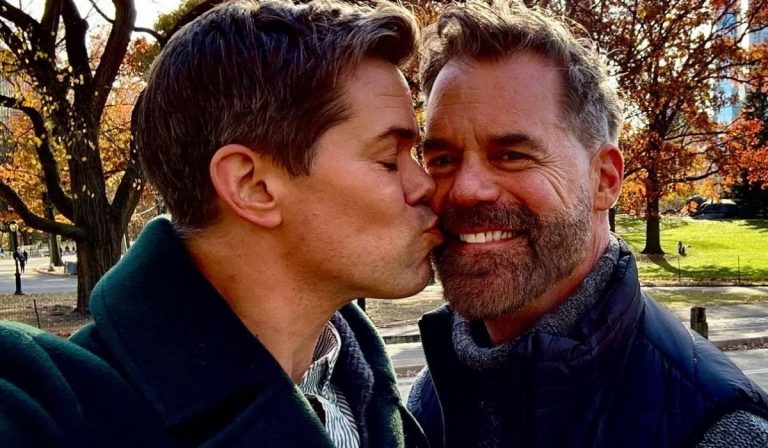
Andrew Rannells apparently knew there might be trouble almost immediately.

It was 2018, and Rannells had been cast opposite Tuc Watkins in the Broadway revival of Mart Crowley’s landmark gay play The Boys in the Band.
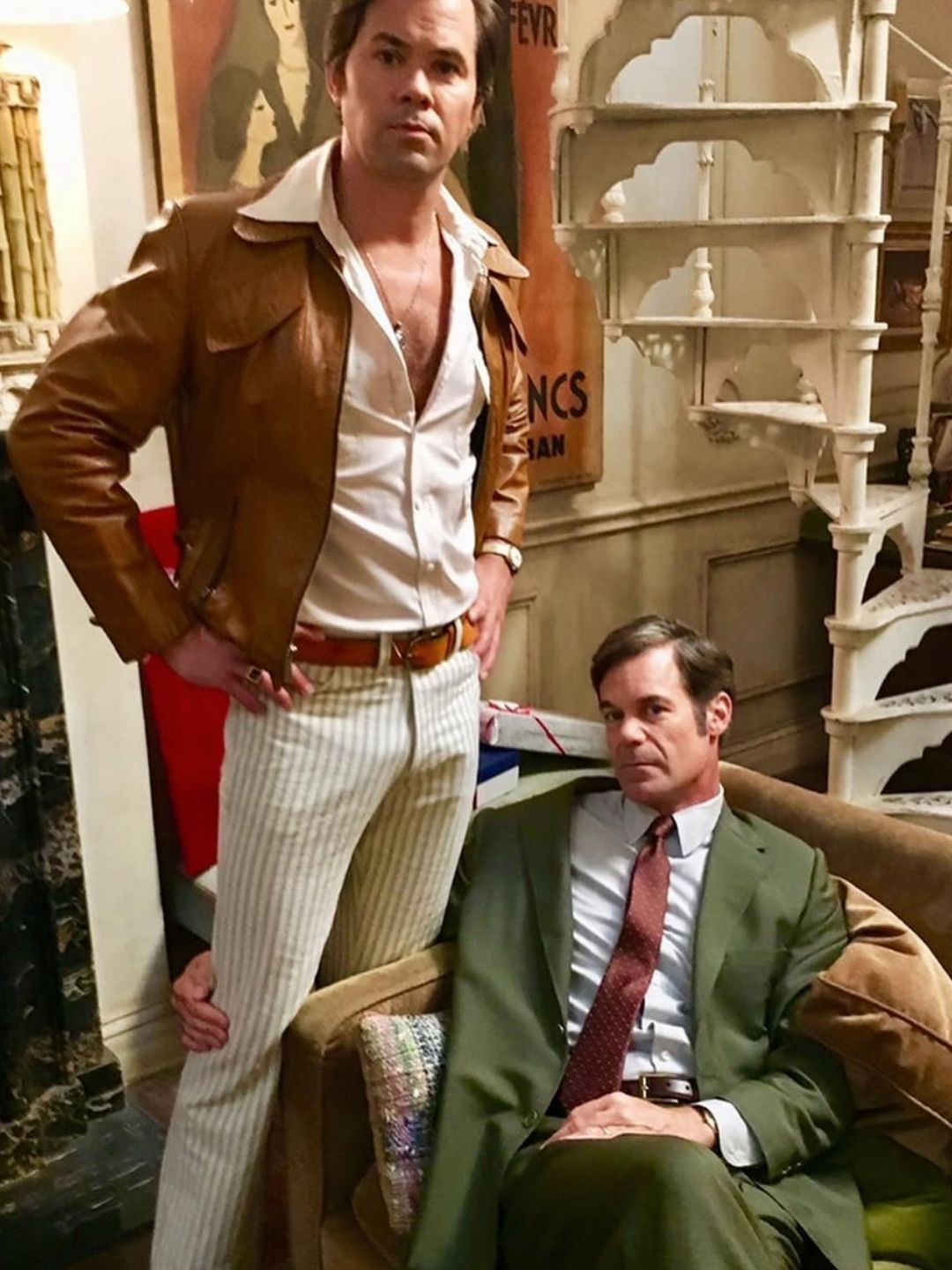
The two actors would be playing Larry and Hank, a couple whose relationship was considerably more complicated than the one the actors themselves were about to develop.

During an early photoshoot, Rannells found himself standing next to Watkins (Guardian).

He remembers looking at him and thinking: “Ah, fuck. This is going to happen, isn’t it?”

“We’re going to be those two actors who have a showmance.”

He was right.

He just underestimated how long the showmance would last. ❤️

Playing Boyfriends Eight Shows A Week

The Boys in the Band was already an extraordinary project.

The 2018 production marked the 50th anniversary of Crowley’s groundbreaking 1968 play and featured a principal cast of openly gay actors including Rannells, Watkins, Jim Parsons, Zachary Quinto, Matt Bomer, Robin de Jesús and Charlie Carver.

Rannells played Larry opposite Watkins as Hank.

Their characters were a couple struggling with sex, monogamy and commitment.

And performing that relationship eight times a week created rather a lot of opportunities for the two actors to get to know each other.

Watkins later recalled that they would spend part of each performance secluded together in an intimate area of the set.

They talked.

They cuddled as their characters.

They occasionally napped.

And, because the job required it, they kissed.

“Yep, the first time we kissed was because of our job,” Rannells later joked.

By late in the Broadway run, something had changed.

The two men had started dating.

When The Showmance Didn’t End With The Show

Rannells and Watkins didn’t immediately turn their new relationship into a public celebrity romance.

But eventually keeping their happiness entirely to themselves became difficult.
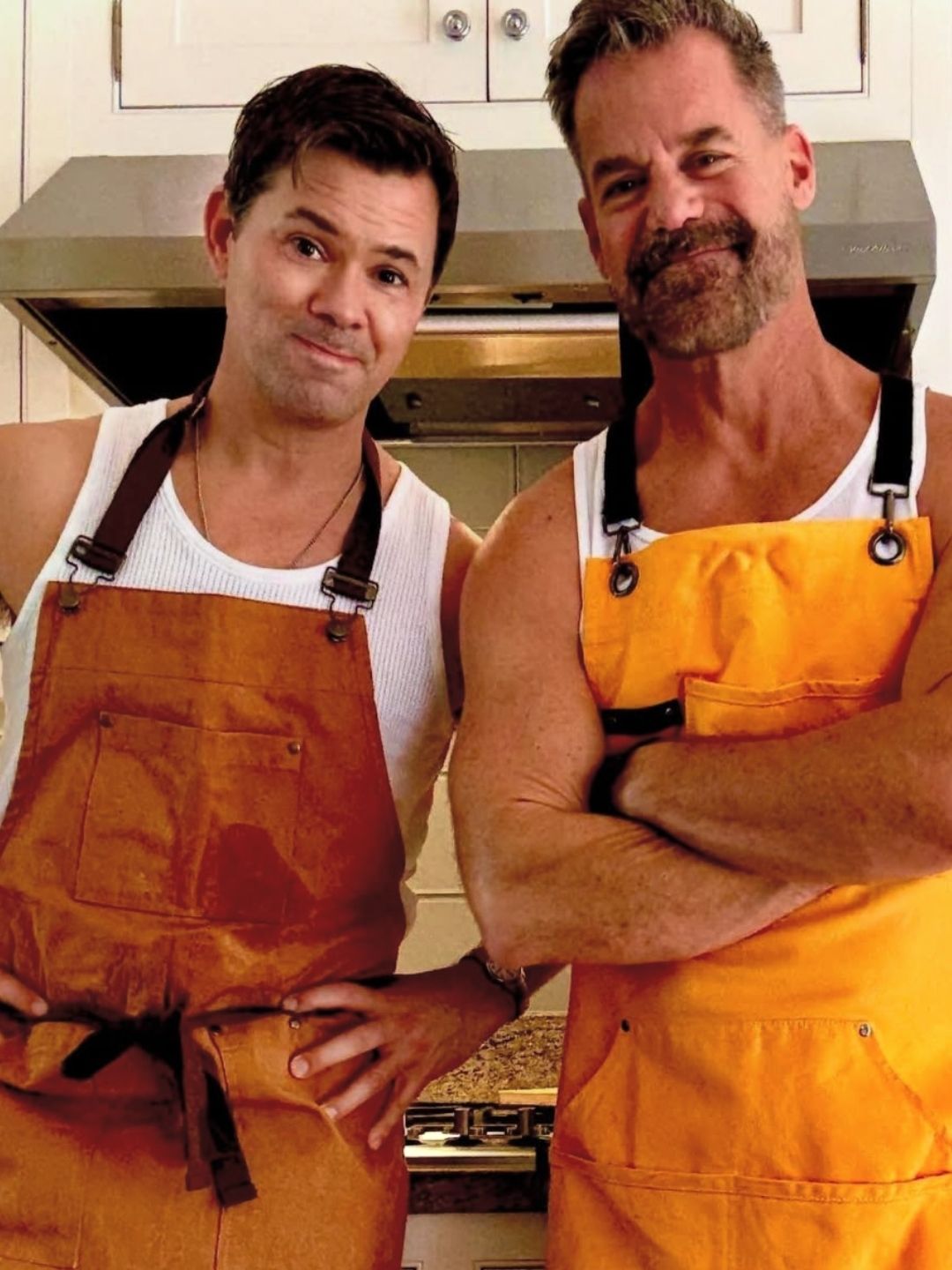
In 2019, they separately made their relationship Instagram official.

Watkins posted a black-and-white photograph of them together with a particularly lovely explanation.

“It’s hard to hide @andrewrannells,” he wrote.

“He’s 6’2” and shines brightly.”

By then, what Rannells had jokingly predicted as a Broadway showmance had clearly become something considerably more serious.

They even returned to where everything started.

In 2020, Rannells and Watkins reprised Larry and Hank for Netflix’s film adaptation of The Boys in the Band.

This time they weren’t simply two actors pretending to be a couple.

They were a real couple pretending to be a much more dysfunctional one.

“Falling in love with someone in real life while you’re playing sort of a bickering couple, it’s a very strange experience,” Rannells said at the time.

Eight Years Later

Rannells is looking back at that relationship again in a new interview with The Guardian, published as he promotes his new film Miss You, Love You.

The interview covers considerably more than romance.

He talks about coming out, losing his father, getting older, his friendships and the way his own experiences have shaped his work.

But tucked inside is the reminder that the Broadway showmance he saw coming back in 2018 never really ended.

Watkins offered his own update on their life together last year.

“I’m really happy in my relationship,” he said.

“I love my partner. My kids love my partner.”
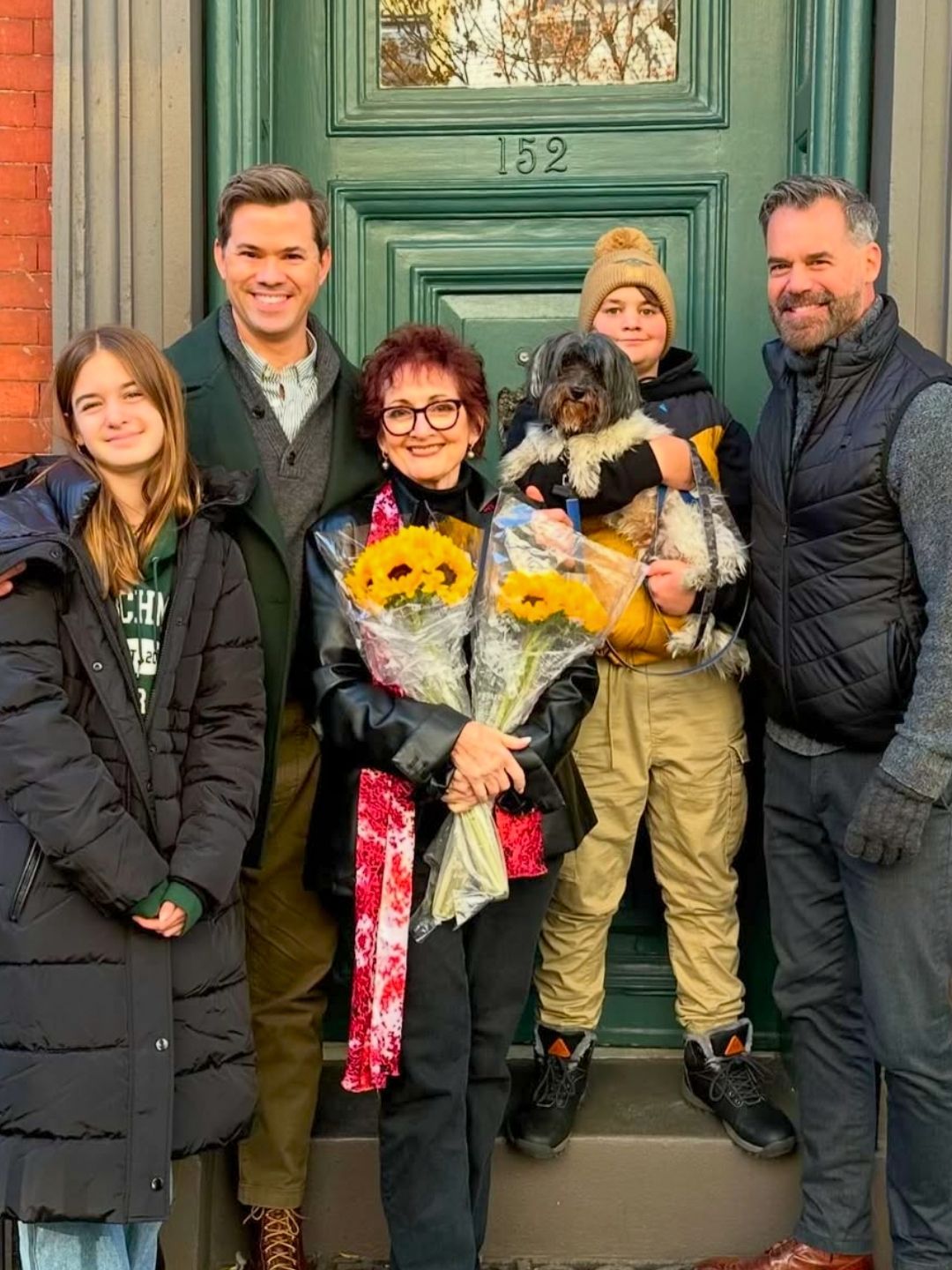
Watkins is the father of twins, and over the years Rannells has become part of their family life too.

It makes their origin story feel even sweeter in retrospect.

Two openly gay actors were cast as boyfriends in a landmark gay play.

They flirted.

They kissed because the script told them to.

They started holding hands at curtain call for perhaps just a little longer than necessary.

And somewhere along the way, acting stopped being acting.

Andrew Rannells got his Broadway showmance.

He just happened to get a love story with it. ❤️

📷 @andrewrannells / @tucwatkins

🎬 Prefer video? Subscribe to B-Gay on YouTube: https://youtube.com/@BGaycom
A Record 12% of U.S. Adults Now Identify as LGBTQ+

The LGBTQ+ community in the United States is considerably bigger than many people probably realize.

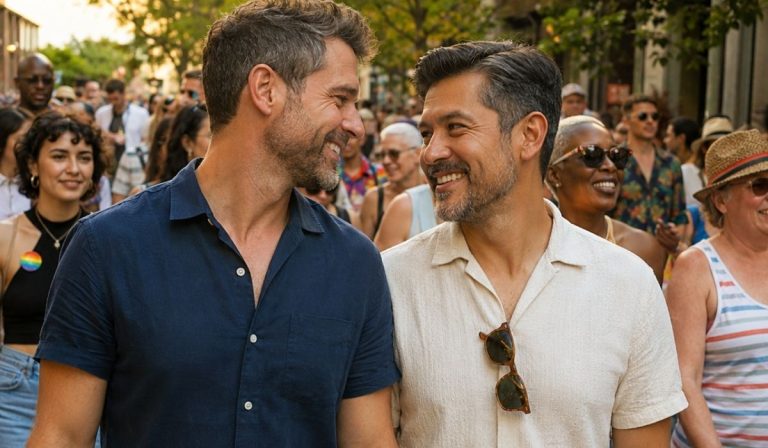
A new analysis released by the Human Rights Campaign Foundation estimates that a record-high 12% of American adults now identify as LGBTQ+.

That works out to roughly one in every eight adults.

And perhaps even more strikingly, the numbers are not confined to California, New York or a handful of famously LGBTQ+-friendly places.

According to HRC’s analysis of U.S. Census Bureau data, LGBTQ+ adults now represent more than 10% of the population in 40 of America’s 50 states.

Queer America Is Everywhere

The state-level numbers challenge the familiar idea that LGBTQ+ America primarily exists in a few coastal cities and gay neighborhoods.

HRC estimates that LGBTQ+ adults account for 13.3% of adults in Arizona, 12.5% in Texas, 11.5% in Georgia, 11.1% in Pennsylvania and 11% in Michigan.

Those are very different states politically, culturally and geographically.

But each contains a substantial LGBTQ+ population.

That is perhaps the simplest takeaway from the new numbers.

Queer people are not somewhere else.

They are already part of virtually every American community.

Why 12% Matters

The figure comes from an HRC Foundation analysis of data collected by the U.S. Census Bureau’s Household Pulse survey program.

It should therefore be described as HRC’s estimate based on federal data rather than as an official Census declaration that exactly 12% of Americans are LGBTQ+.

Surveys of sexual orientation and gender identity can produce different estimates depending on how questions are asked, which identities are included and who feels comfortable answering them.

But the broader direction has appeared repeatedly across major surveys.

More Americans are identifying openly as LGBTQ+ than in previous generations.

Younger adults in particular are much more likely to describe themselves using LGBTQ+ identities.

That does not necessarily mean LGBTQ+ people suddenly appeared.

It also reflects a society in which more people have the language and freedom to describe themselves honestly.

Being Counted Has Consequences

HRC released the analysis alongside a campaign arguing that federal agencies should continue collecting information about sexual orientation and gender identity.

The organization says changes to federal surveys could make comparable LGBTQ+ population data harder to obtain in the future.

The Census Bureau confirms that its Household Pulse program has undergone significant redesigns in recent years, including another change in 2026.

Why does any of that matter?

Because governments, researchers, healthcare systems and community organizations use demographic information to understand who people are and what they need.

If a population is not measured, identifying disparities in health, income, housing or safety becomes much harder.

And 12% is a rather large group of people to stop seeing.

Not A Niche

For decades, LGBTQ+ people were frequently discussed as though we were a tiny and geographically isolated minority.

The latest numbers paint a very different picture.

Gay, lesbian, bisexual, transgender and other LGBTQ+ people are living throughout the United States.

They are raising families.

Working ordinary jobs.

Living in cities, suburbs and rural communities.

Some are very visibly queer.

Plenty are not.

And if HRC’s analysis is right, together they now account for about 12 out of every 100 American adults.

That isn’t a niche.

That’s part of America.

📷 AI

🎬 Prefer video? Subscribe to B-Gay on YouTube: https://youtube.com/@BGaycom
Well, That Was Quick: Derek Chadwick Has Left Goose

Gay dating is complicated.

Apparently creating a gay dating app isn’t much easier. 😂

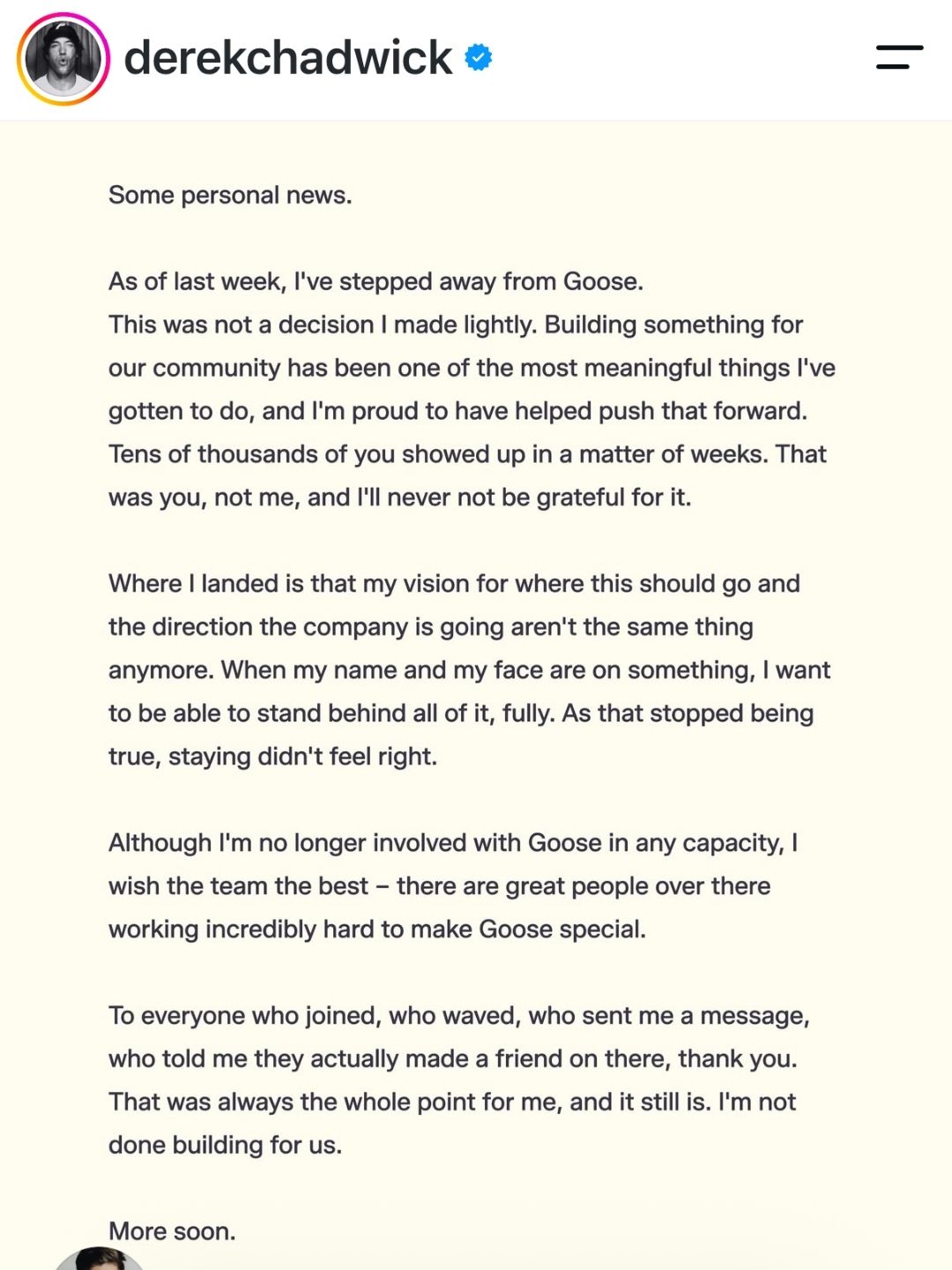
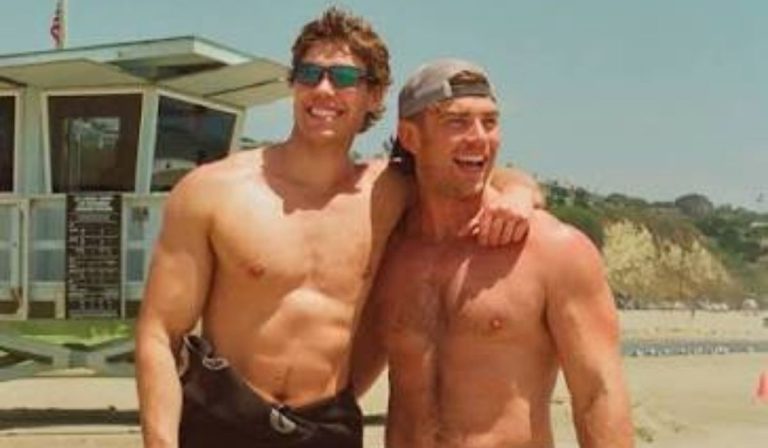
Less than two months after model, actor and entrepreneur Derek Chadwick became the very handsome public face of new gay dating app Goose, he says he has left the company.

And considering how this whole adventure began, the speed of that departure is rather remarkable.

Back in May, Chadwick posted about the frustrations of dating as a gay man in Los Angeles.

He had been single for around two years and posed a simple question.

“How come there are no cool dating apps in 2026?”

His answer, apparently, was to help build one.

Meet Goose

Chadwick co-founded Goose with former BeReal growth and community manager David Aliagas.

The app officially launched on June 25 and positioned itself as an alternative to the transactional experience many gay men associate with dating and hookup apps.

Goose described itself as “social-first” and “anti-algorithm.”

Instead of endlessly swiping through men, users could send one another a “wave.”

The emphasis was supposed to be on dating, friendship, community and allowing attraction to develop more organically.

“Our goal is to create an experience that reflects real-life connection,” Chadwick told Queerty shortly after launch.

For gay men exhausted by the existing app landscape, it was an appealing proposition.

Then things got considerably messier.

The Controversies Begin

Within days of Goose’s launch, questions were being raised about the way the app was being promoted.

A WIRED investigation identified more than two dozen Instagram accounts apparently connected with marketing Goose that showed signs of being AI-generated or otherwise inauthentic.

Some had been contacting real gay men and offering invitation codes to join the app.

Importantly, the allegation was about Instagram accounts promoting Goose.

It was not evidence that Goose itself was filled with AI-generated dating profiles.

Chadwick subsequently defended the platform, saying Goose was creating a space where “real people can make real friends, dates, and community.”

Further questions followed about the app’s original terms of service and how user content could be used.

Goose subsequently revised those terms.

Meanwhile, the app continued operating and Chadwick remained one of its most recognizable public faces.

Until now.

Derek Has Left The Goose

Chadwick says he actually left the company last week.

His explanation centers on a disagreement over what Goose should become.

He says his vision for the app and the direction the company was taking were no longer aligned.

What he has not said is equally important.

Chadwick has not publicly established that the controversy over Goose’s marketing caused him to leave.

The timing makes those controversies relevant to the story.

It does not tell us why he made his decision.

And perhaps the story is interesting enough without pretending that it does.

From “Gay Dating Sucks” To Goodbye In Three Months

There is something almost painfully relatable about the entire timeline.

In May, Chadwick was publicly wondering why gay dating apps weren’t better.

In June, he helped launch one designed to fix some of the things he disliked about them.

By August, he had left.

That doesn’t necessarily mean the original idea was wrong.

Gay men clearly do have complicated relationships with the apps through which so much of our dating, sex and social lives now take place.

The enthusiasm surrounding Goose suggested there was real appetite for something different.

But building that alternative apparently proved considerably more complicated than asking why nobody had done it already.

Goose continues without Chadwick.

And Derek?

Presumably he’s once again navigating gay dating without the advantage of owning the app. 😂

Good luck out there, babe.

📷 @derekchadwick / @goose

🎬 Prefer video? Subscribe to B-Gay on YouTube: https://youtube.com/@BGaycom
MAFS’ Chris Robinson Has Hard-Launched His New Boyfriend

Apparently Chris Robinson didn’t need the Married At First Sight experts after all.

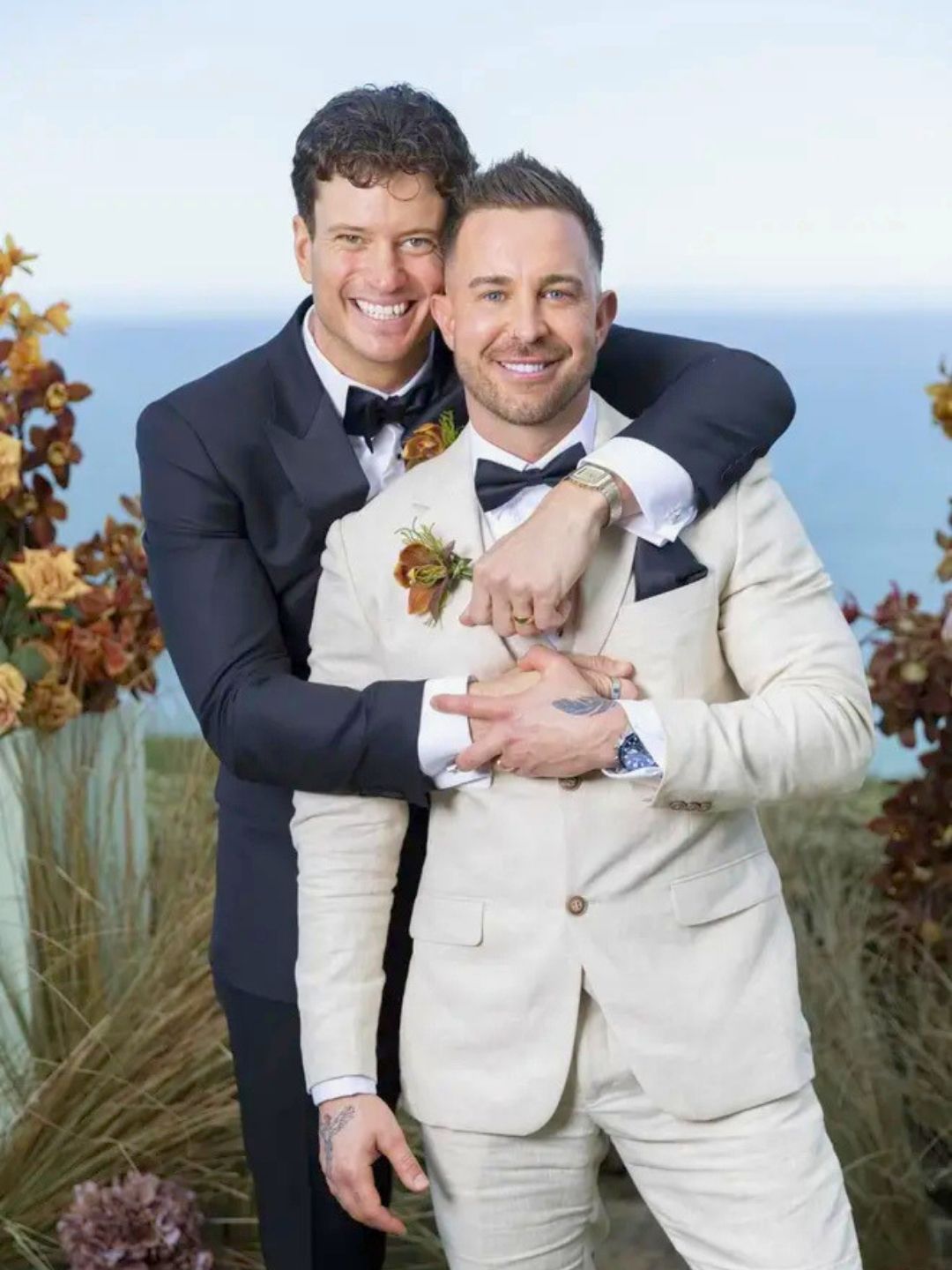
Several months after his television marriage to Sam Stanton came to a rather complicated end, Chris has revealed that there is a new man in his life.

And because this is 2026, naturally we got a proper Instagram hard launch.

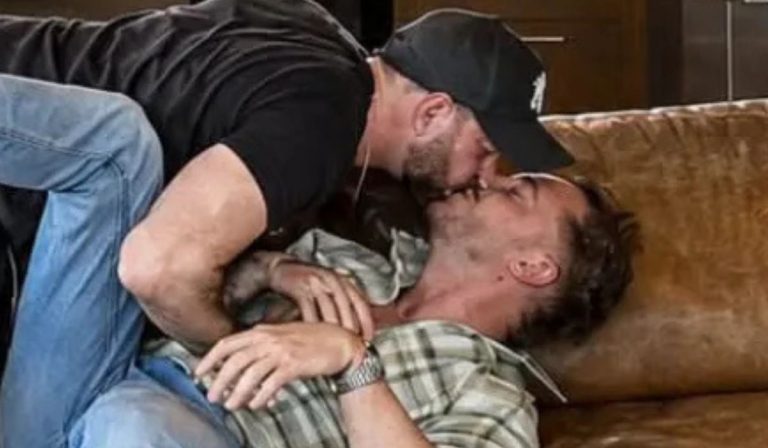
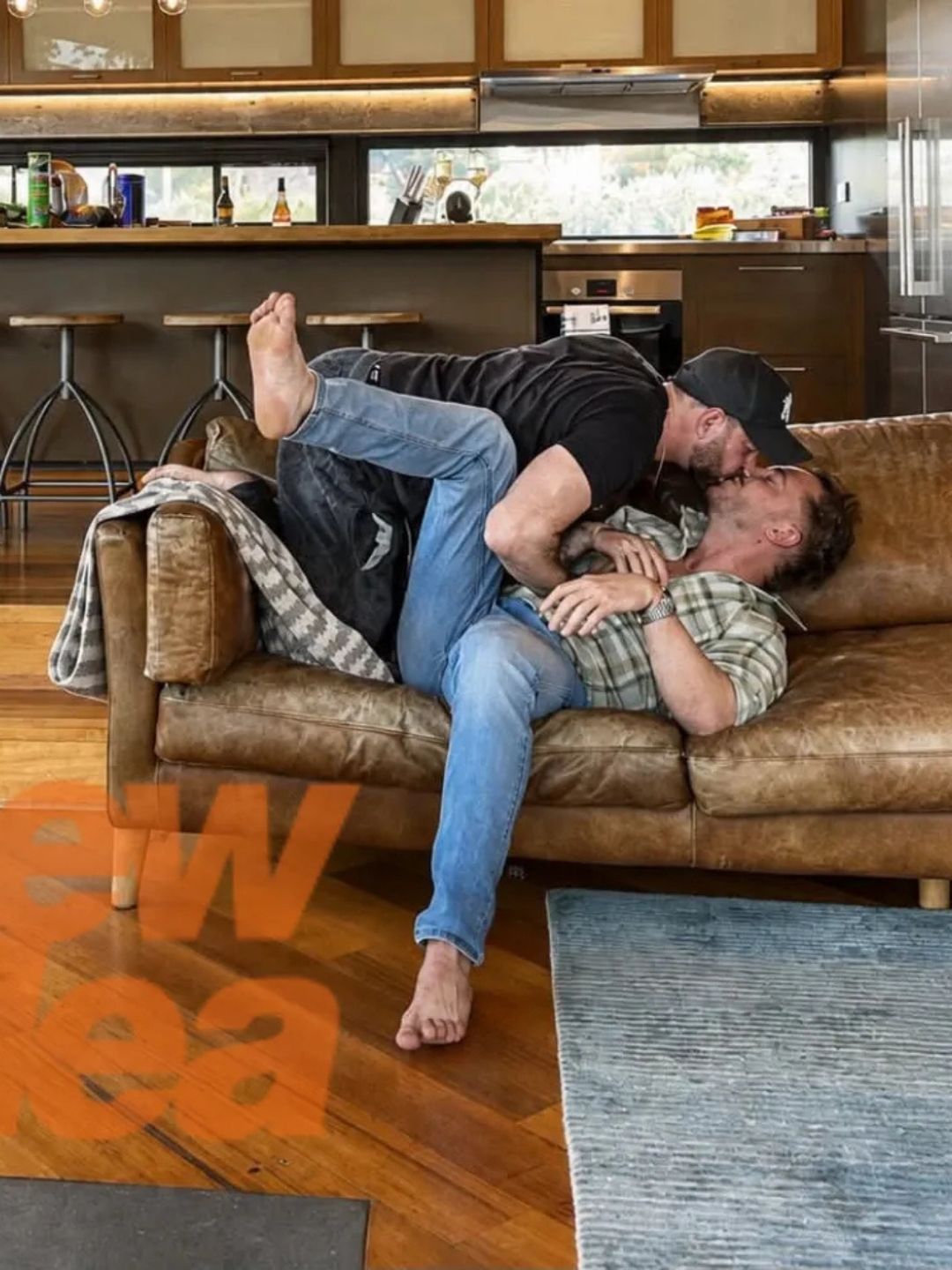
The 39-year-old farmer, gym owner and reality star introduced his new boyfriend in a playful Reel shared with his followers.

The video begins with Chris contemplating whether he will ever find somebody who can accept everything that comes with his life.

Then the new man appears.

There are smiles.

There is some very attractive farm-boy energy.

And, eventually, there is a kiss.

Message received. 😂❤️

Quite A Change From MAFS

Australian viewers met Chris earlier this year when he entered Married At First Sight and was paired with Adelaide fitness studio owner Sam Stanton.

The pair appeared to have an immediate connection on their wedding day and initially became one of the experiment’s more promising couples.

But things became considerably messier as the season progressed.

Differences over where they would live, Chris’s plans for fatherhood and the way they communicated eventually drove them apart.

The relationship finally ended during Homestays, with both men subsequently offering different perspectives on why their marriage had failed.

Chris later told New Idea that he was focusing on his family, farm, fitness and becoming a father rather than looking for another relationship.

“Men and love are definitely at the bottom of my list,” he joked at the time.

Apparently the list has been revised.

Chris Had Plenty Happening Away From Romance

Chris’s life outside MAFS has arguably been considerably more eventful than viewers saw on television.

His daughter was born in late 2025 after Chris donated sperm to a close friend he had known for 17 years.

He has described being a father as one of the great joys of his life and regularly spends time with his daughter.

Chris had also been pursuing a separate surrogacy journey in Colombia, although he revealed earlier this year that unsuccessful embryo transfers had led him to put those plans on hold temporarily.

Meanwhile, he returned to life on his New South Wales farm, his fitness business and his family after the intensity of reality television.

And somewhere along the way, apparently, he met somebody.

Meet The Mystery Man

For now, Chris appears to be keeping the details of his new relationship relatively private.

He has publicly shown his boyfriend and made the relationship clear, but that doesn’t mean the rest of us are entitled to every detail about who he is or how they met.

What Chris has chosen to share is considerably simpler.

He looks happy.

There’s a handsome man beside him.

And they kissed for Instagram.

After watching television experts try to construct his love life earlier this year, perhaps that is all the update we really need.

Sometimes you just have to find the husband yourself. 😂❤️

📷 @its.chris.robinson

🎬 Prefer video? Subscribe to B-Gay on YouTube: https://youtube.com/@BGaycom
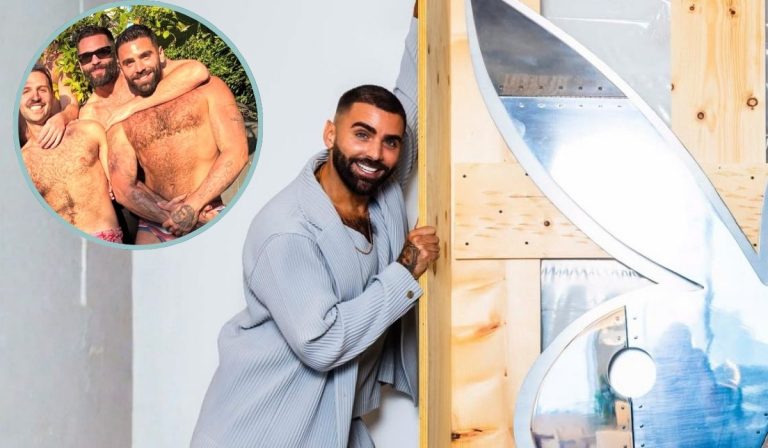
Playboy Is Now Being Run By A Gay Man. Yes. THAT Playboy.

0

For generations, few American brands screamed heterosexual male fantasy quite as loudly as Playboy.

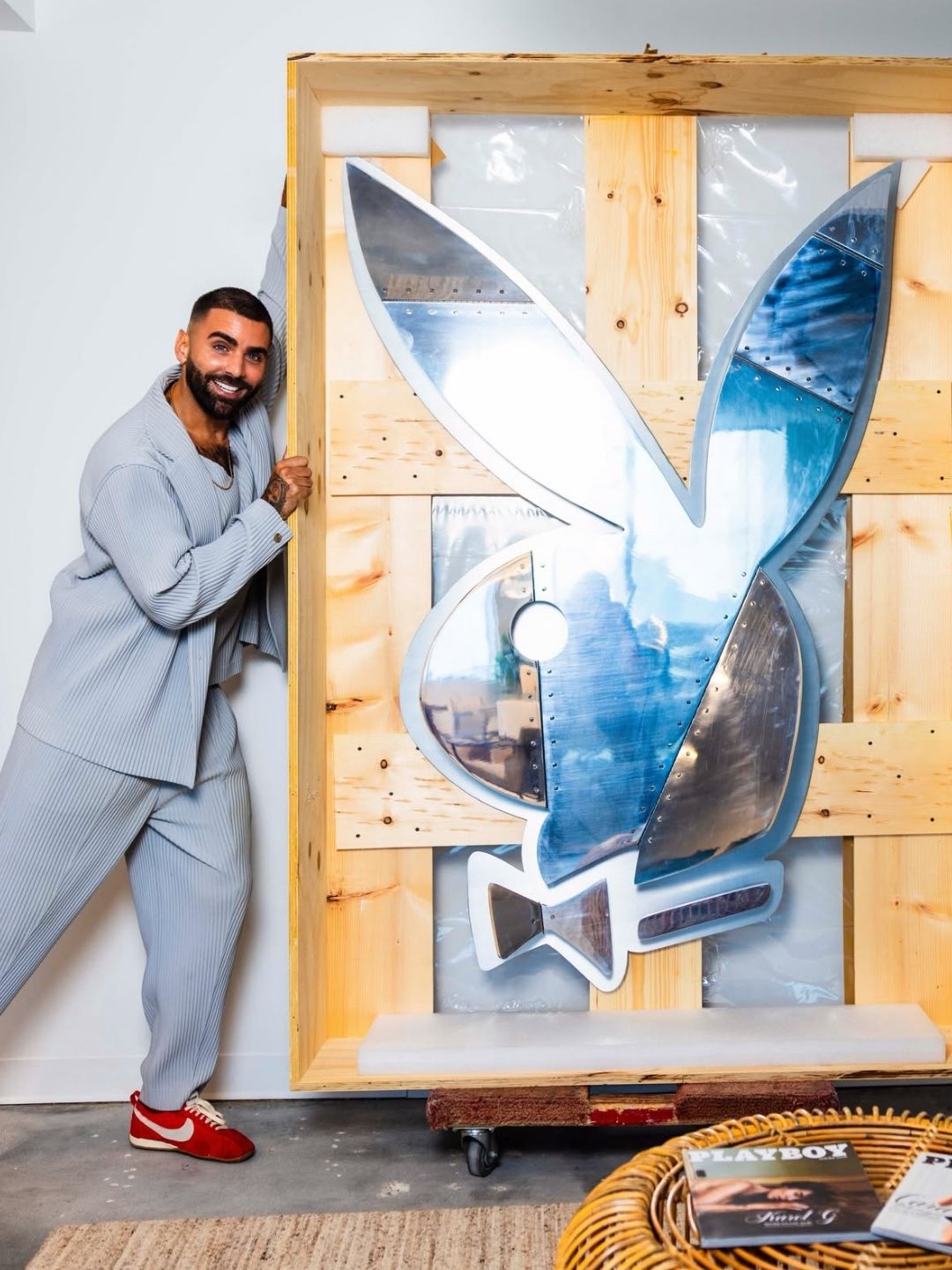
Now the Bunny is being run by a gay man.

And not just any gay man.

Phillip Picardi built his career helping transform Teen Vogue, launched Condé Nast’s LGBTQ+ publication Them and later became editor-in-chief of Out.

In March, he added a rather unexpected publication to that résumé (Instinct).

Playboy.

Picardi became the iconic magazine’s editor-in-chief and chief brand officer as part of an attempt to reinvent Playboy for an era when nobody exactly needs to buy a magazine to see naked people anymore.

His stated goal is wonderfully simple.

Make Playboy “playful again.”

What Does Playboy Even Mean In 2026?

That is actually a surprisingly interesting question.

Playboy launched in 1953 and eventually became one of the defining symbols of heterosexual male sexuality in American culture.

There were famous interviews, serious journalism and fiction alongside the centerfolds, of course.

But let’s not pretend generations of teenage boys were hiding copies under their mattresses for the articles.

The internet rather dramatically changed that business model.

Playboy stopped regularly publishing its U.S. print magazine in 2020 before returning to print in 2025.

Picardi understands that trying to compete with unlimited online pornography would be rather pointless.

“You no longer need a print magazine for that,” he recently told The Times.

Instead, his Playboy is trying to become something closer to a provocative cultural magazine about sexuality itself.

That means relationships.

Dating.

Loneliness.

Modern masculinity.

And what Picardi describes as a strange cultural moment that manages to be simultaneously prudish and pornographic.

From Them To The Bunny

There is something wonderfully unexpected about Picardi being the person given this assignment.

He came out at 14 after growing up gay and Catholic in Massachusetts.

Years later, at Condé Nast, he became the founding editor of Them, creating a publication specifically designed around LGBTQ+ voices.

Now he is trying to broaden the worldview of a publication historically built largely around straight men looking at women.

Picardi has been clear that this does not mean turning Playboy into a queer magazine.

Women remain central to the brand.

The nudity remains.

The Bunny isn’t going anywhere.

But who Playboy imagines might be interested in sex, pleasure and culture is getting considerably wider.

“Queer rights don’t exist without women’s rights,” Picardi has said.

“These things are connected.”

The Change Is Already Visible

Playboy’s Spring 2026 issue, featuring Colombian superstar Karol G, was the first under Picardi’s leadership.

Its features went beyond traditional Playboy territory to examine subjects including male loneliness, the so-called sex recession and how artificial intelligence is changing intimacy.

Then came Cara Delevingne.

The openly lesbian model and actor became Playboy’s Summer 2026 cover star, photographed by Zoey Grossman.

She was the first openly lesbian woman to appear on the magazine’s print cover and the first supermodel to wear Playboy’s famous Bunny Costume for the magazine since Kate Moss in 2014.

For Picardi, that mixture of old Playboy iconography and a very different cultural perspective appears to be precisely the point.

A Gay Man Reinventing Straight Male Fantasy

The easiest joke here is that Playboy hired a gay man to save Playboy.

And admittedly, we’re not above making it. 😂

But Picardi’s appointment also says something interesting about how dramatically ideas about men and sexuality have changed since Hugh Hefner created the magazine more than 70 years ago.

Modern masculinity is not simply heterosexual men looking at beautiful women.

Men are navigating dating apps, loneliness, pornography, changing gender expectations and entirely new conversations about sexuality and relationships.

A gay editor may actually have a particularly useful perspective on what happens when the old rules about masculinity stop working.

Picardi isn’t throwing away Playboy’s past.

He seems to be asking whether the Bunny can loosen its bow tie a little and become curious about considerably more people.

And after spending much of his career making queer media more visible, Phillip Picardi now has an altogether stranger assignment.

Making one of America’s straightest magazines interesting again.

📷 @pfpicardi / @playboy

🎬 Prefer video? Subscribe to B-Gay on YouTube: https://youtube.com/@BGaycom