
Fifteen Years Ago, Hollywood Told This Firefly Star to Get a Girlfriend

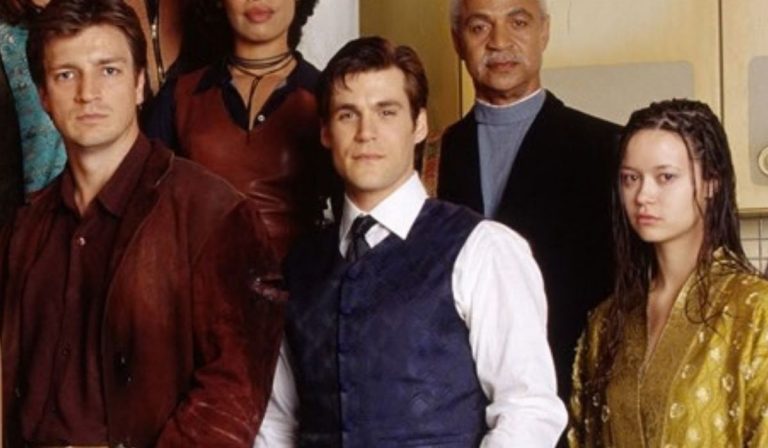
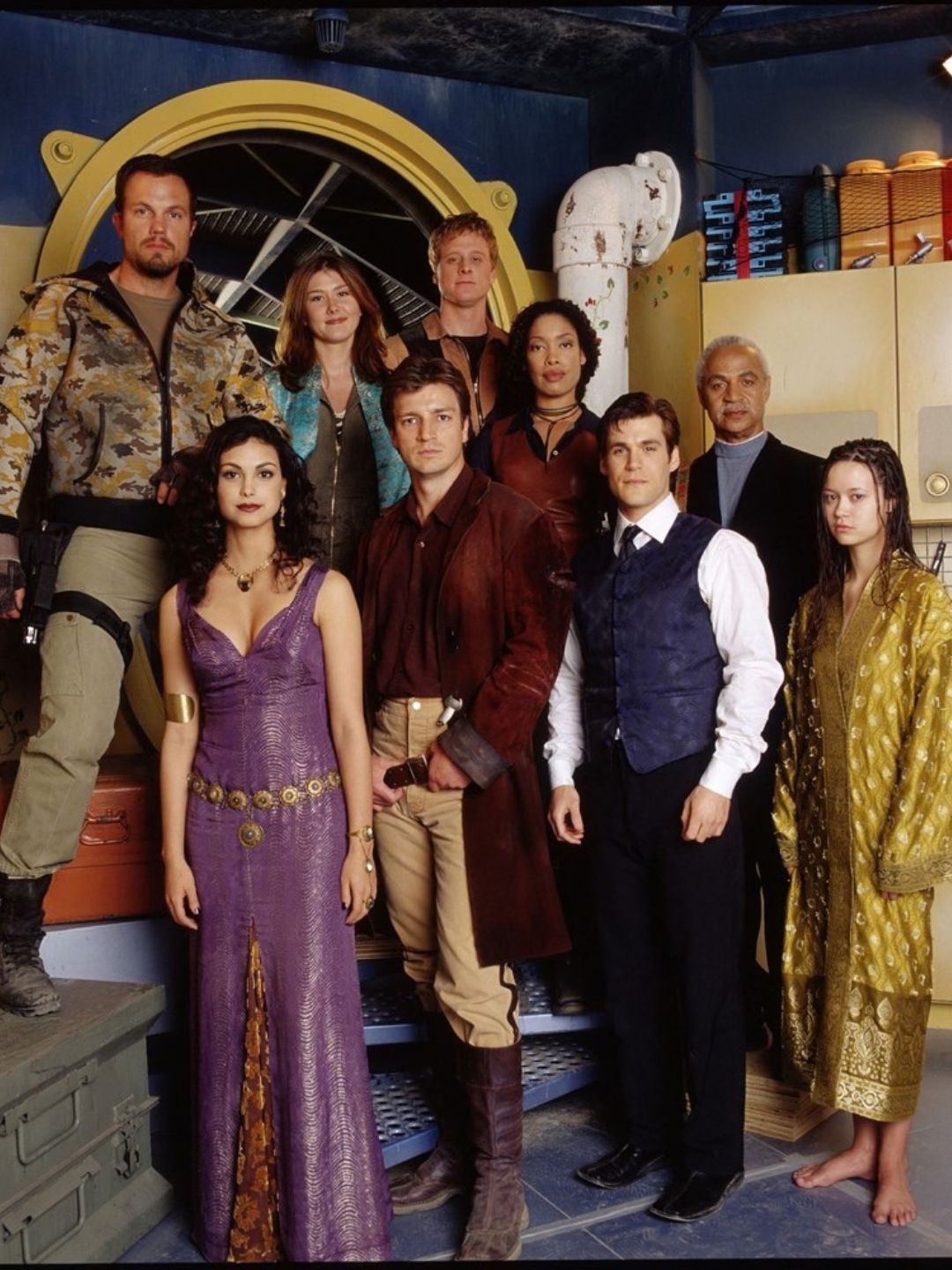
Sean Maher is familiar to many viewers as Dr. Simon Tam in Firefly and its follow-up film, Serenity.

Fifteen years ago, he became known for something far more personal.
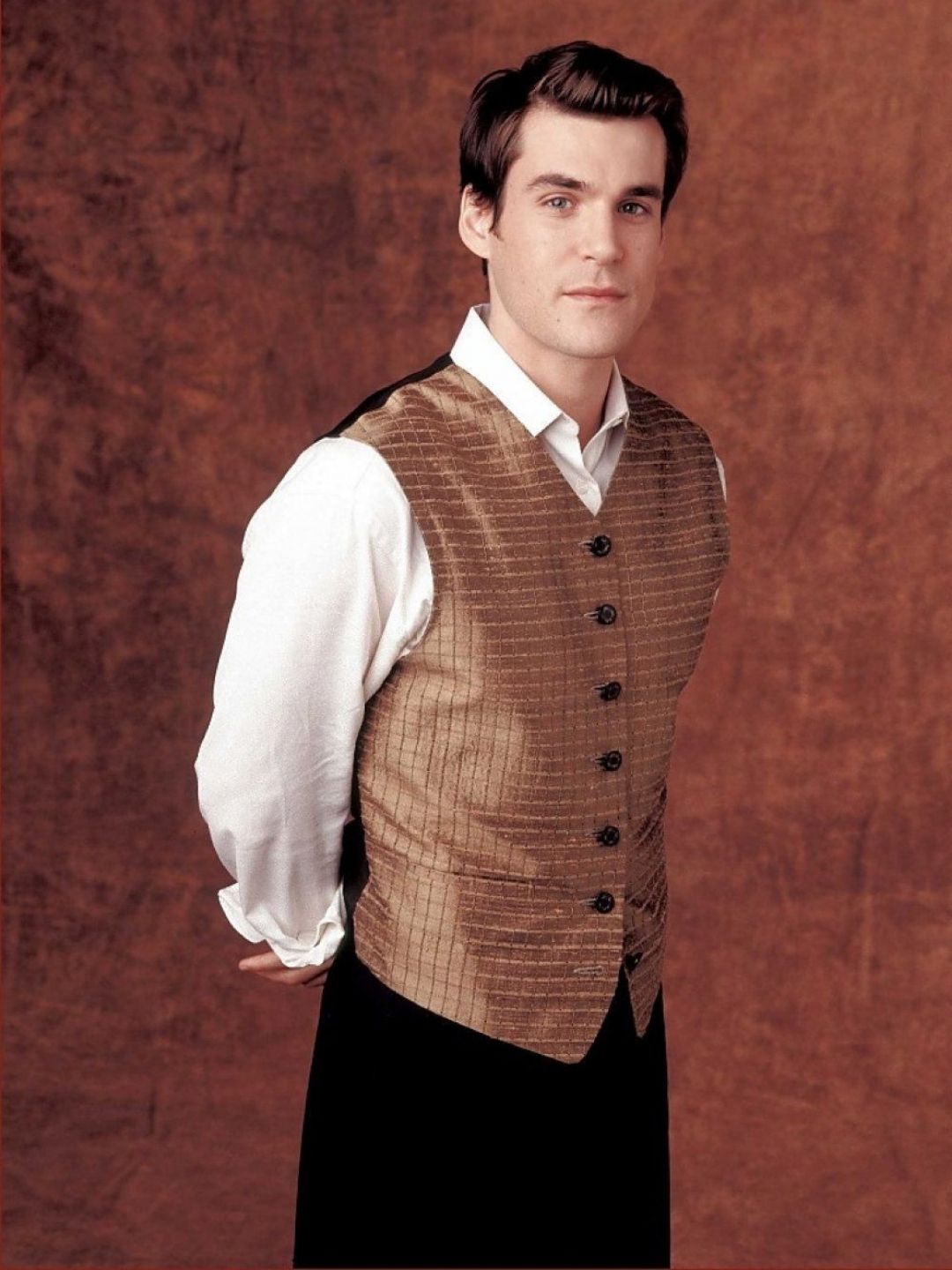
On September 26, 2011, Maher publicly came out as gay in an interview connected to his role as a closeted gay man on The Playboy Club.

He described the decision as frightening — and liberating.

When Maher first arrived in Hollywood as a young actor, he said a manager advised him to get a girlfriend so people would not assume he was gay. He was even told that presenting as bisexual might be easier.
His publicists later encouraged him to keep a girlfriend away from the spotlight so he would remain appealing to a female audience.

Maher did not describe a single villain so much as an industry culture that treated heterosexuality as part of an actor’s marketability.

When he finally spoke openly, he gave the interview a memorable name.

“This is my coming out ball,” Maher said.

He also spoke about the family he had been reluctant to show the world: his partner Paul and their two children.

Maher said that having children made the secrecy feel even harder to accept. He did not want his family to be treated as something that had to remain separate from his professional life.

In the years since, Sean and Paul married. They continued raising their two adopted children and building the life Maher had once been told to keep out of view.
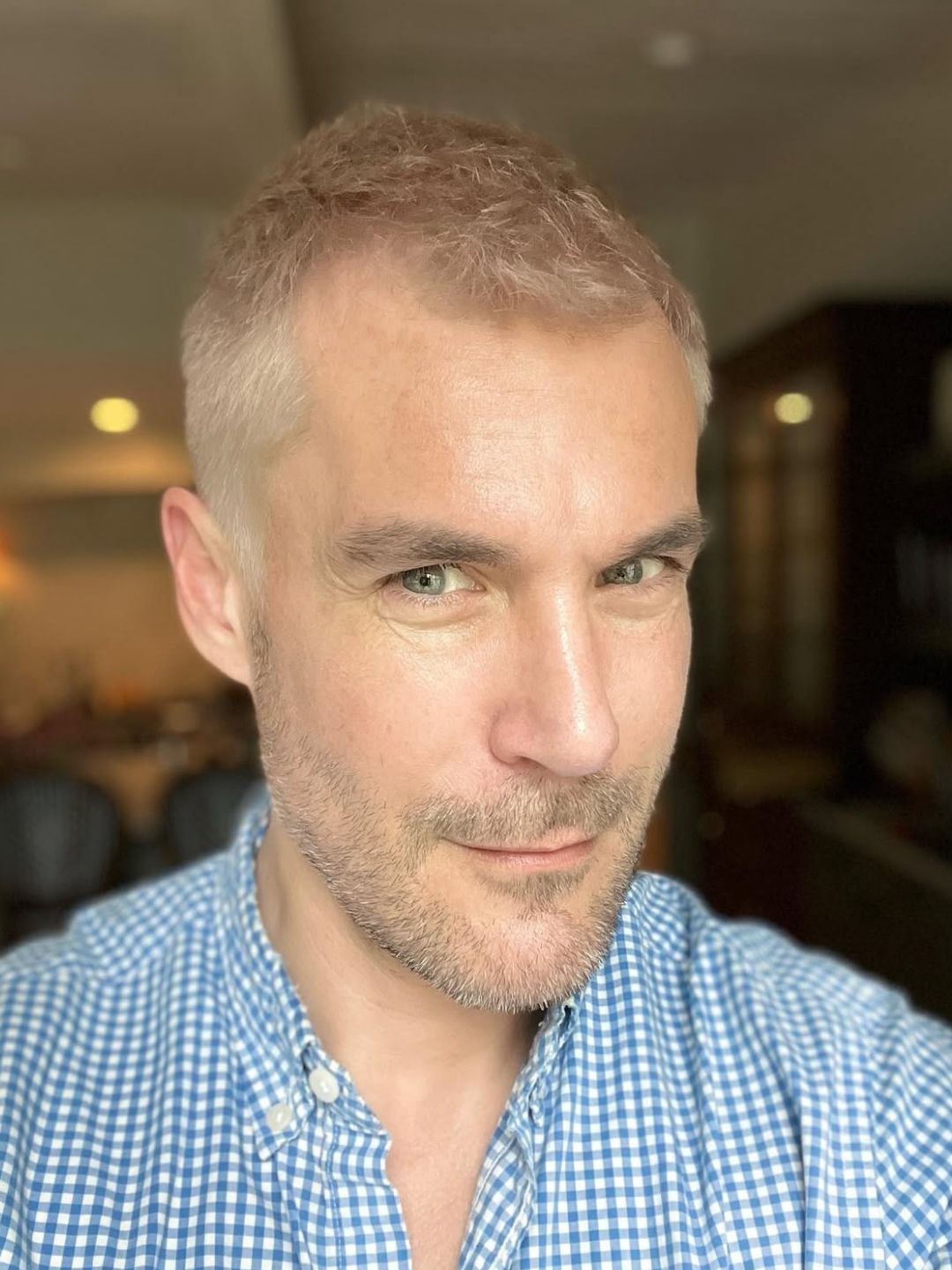
That is what makes the anniversary worth remembering.

The story is not only about a gay actor finally saying the word publicly. It is about refusing to let an industry decide which parts of his life were safe enough to be seen.

Hollywood wanted a girlfriend in the picture.

Sean wanted the truth.

Fifteen years later, his coming-out ball still feels like a celebration.

📷 Sean Maher / Science channel

Watch more LGBTQ+ stories on B-Gay on YouTube.
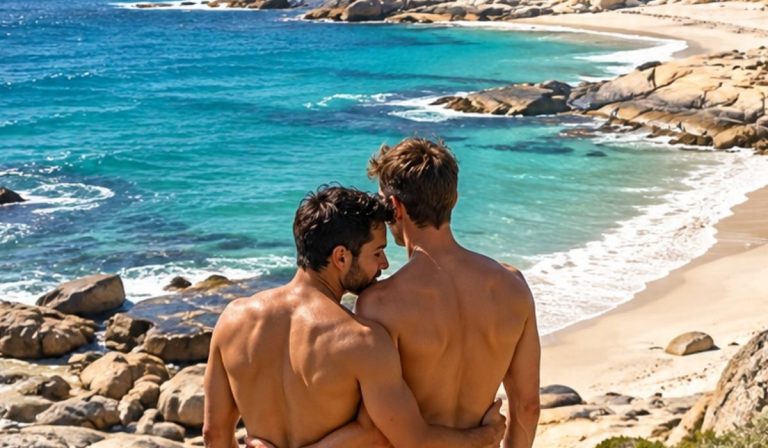
Gay Men Have Been Getting Naked at This Cape Town Beach for Decades. Now Drones Are Watching.

0

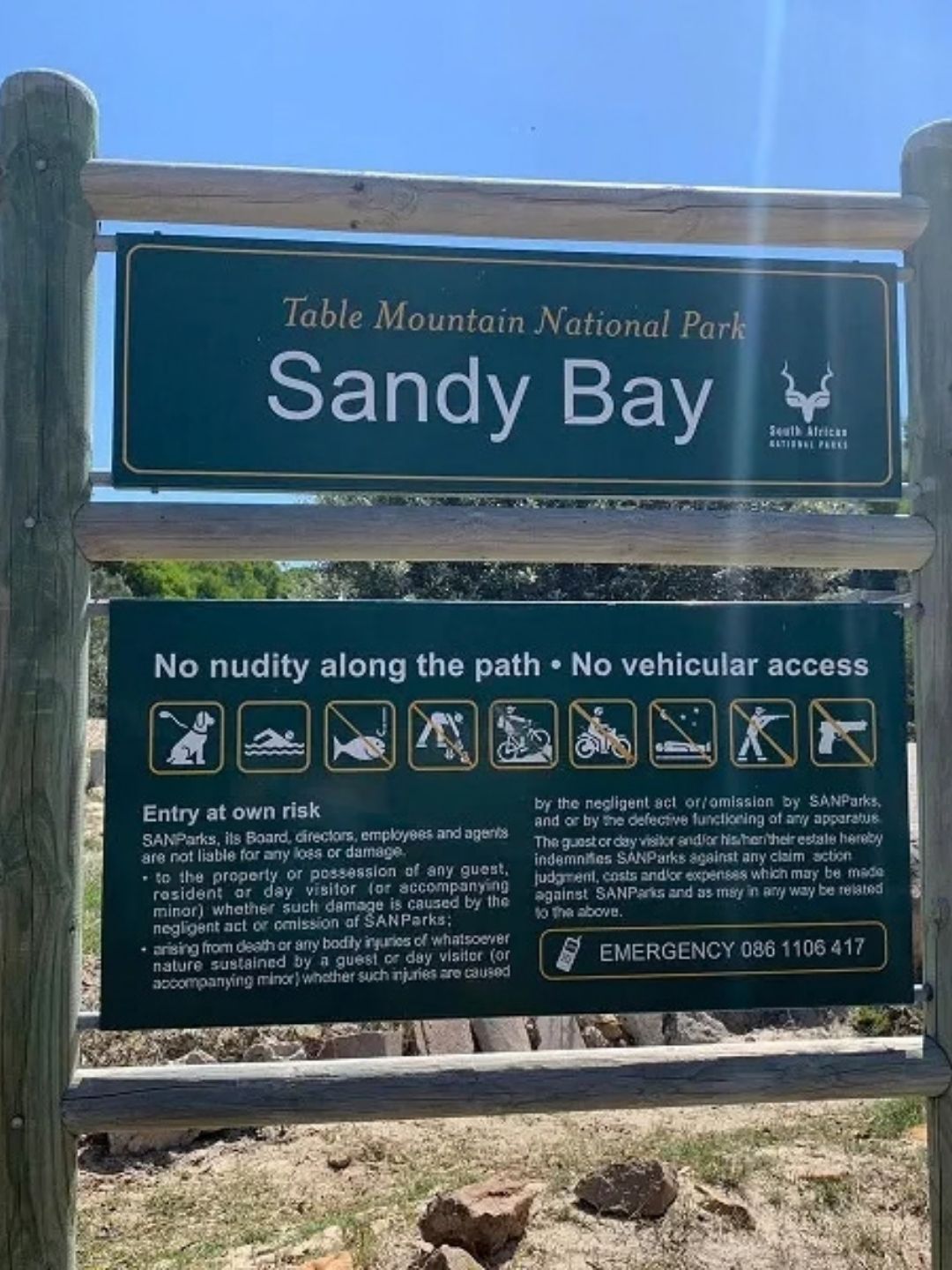
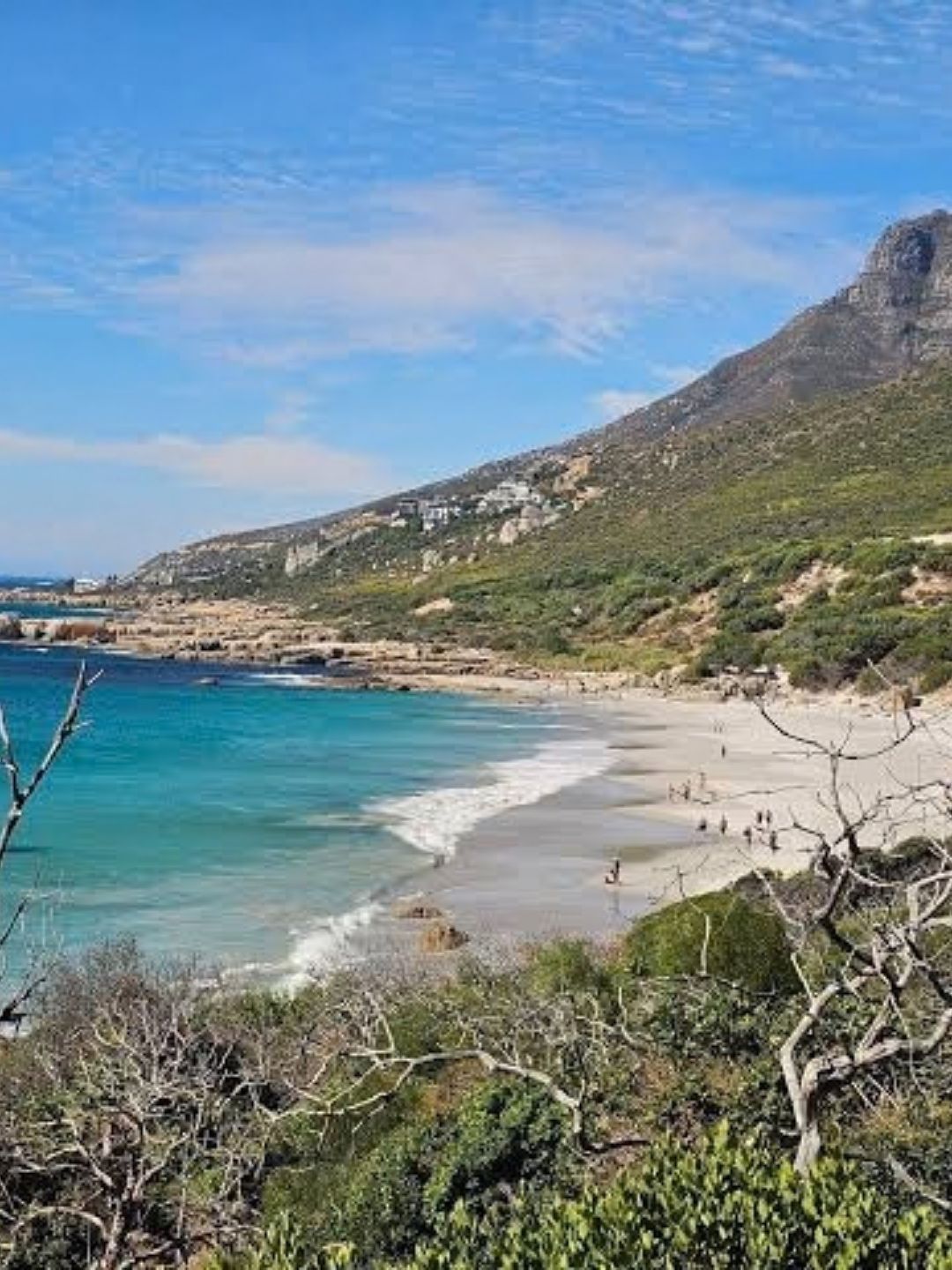
Sandy Bay, just outside Cape Town, has a long history as one of South Africa’s best-known unofficial naturist beaches.

It has also been a gathering place for gay men since the 1970s.

Now new signs are warning visitors that nudity and “sexual misconduct” are prohibited on the beach and its pathways. The signs warn that fines may be issued and say the area is under surveillance, including by drones (MambaOnline).

The signs were funded by local community groups and residents, with support from authorities involved in safety operations around the beach.

That has sparked a dispute over what Sandy Bay is — and what it should become.

Naturist campaigners are pushing for the beach to be formally recognised as a regulated naturist space. SANParks, however, says Sandy Bay is part of Table Mountain National Park and has never been formally designated as a naturist beach.

Supporters of the new restrictions say they are responding to safety concerns and sexual misconduct. Naturist advocates say authorities should address harassment and criminal behaviour without treating ordinary nudity as the problem.

The whole debate has an almost surreal modern detail: the signs say drones may be watching.

Comedian Anton Taylor has pointed out that Sandy Bay is not a place people reach by accident. Visitors have to hike to get there. Nobody slips on a banana peel and suddenly finds themselves on the beach.

That matters because Sandy Bay’s history is not simply about nudity. For decades, the secluded beach has offered gay men and naturists a place away from the public gaze — part of Cape Town’s queer heritage.

A remote beach. A community with half a century of history. And now, drones looking for naked people.

If authorities want to address harassment or criminal behaviour, that is one conversation.

But treating nudity itself as a reason for aerial surveillance is another.

📷 AI

Watch more LGBTQ+ stories on B-Gay on YouTube.
Two New Generation Optimists Meet at New York’s LGBTQ+ Center

0

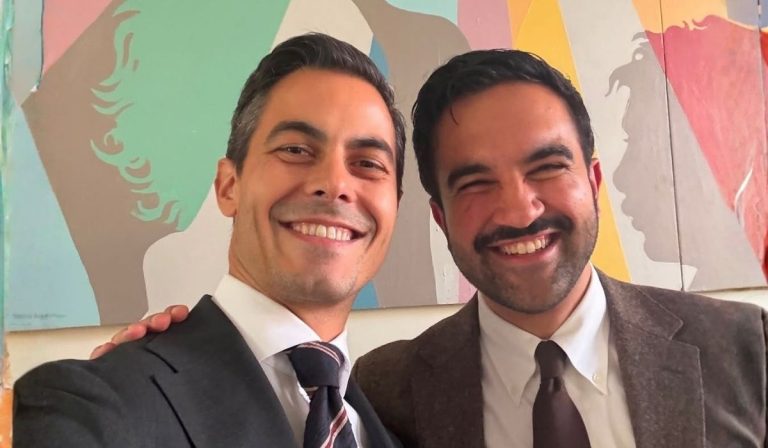
Dutch Prime Minister Rob Jetten and New York City Mayor Zohran Mamdani have shared a warm moment from a meeting in Manhattan.

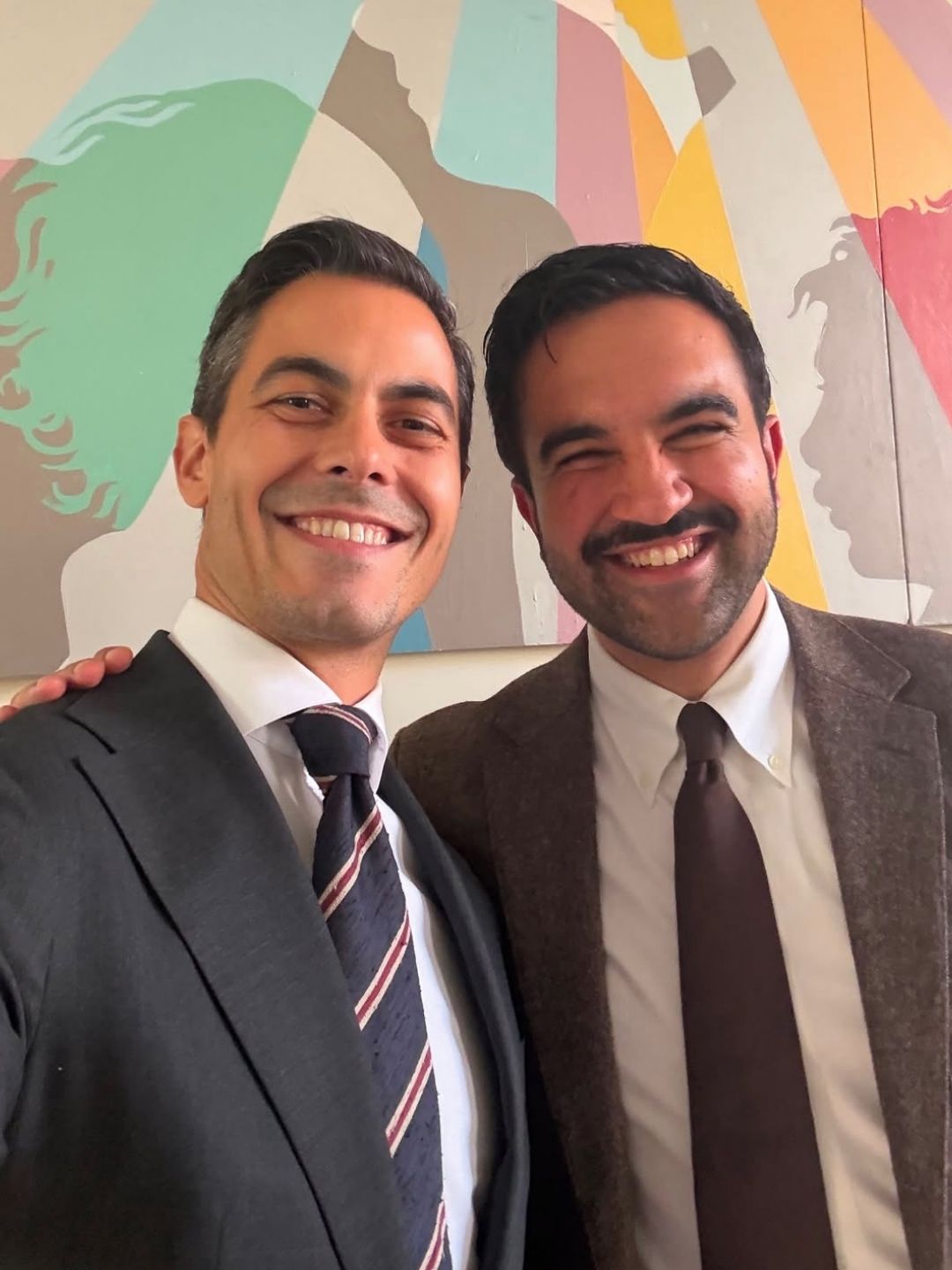
Jetten posted a smiling selfie of the two men after they met during United Nations General Assembly week.

“New generation optimists,” he wrote, adding that it had been a pleasure to meet the mayor in New York City.

The photograph is charming. The meeting behind it matters even more.

Jetten and Mamdani visited The Center, New York’s Lesbian, Gay, Bisexual & Transgender Community Center, where they toured its LGBTQ+ archive and met young queer New Yorkers.

The young people spoke about the importance of having a place to rest, make friends, find community and build confidence. The two leaders listened to their experiences and learned more about the history preserved at the center.

Jetten is the Netherlands’ first openly gay prime minister. Mamdani is New York City’s mayor and has made LGBTQ+ inclusion part of his public agenda.

That makes the photograph more than a political selfie. It captures two leaders meeting in a space created by LGBTQ+ people, while listening to the generation that will carry that work forward.

There was no need for a dramatic speech or a carefully staged rainbow backdrop.

Just a gay prime minister, a progressive mayor, a historic community center and young people talking about what safety and belonging mean to them.

Sometimes hope looks like a policy announcement.

Sometimes it looks like two smiling men meeting where queer history lives.

📷 @jettenrob

Check out B-Gay on YouTube https://youtube.com/@BGaycom

Remember the 12-Year-Old Who Sang “Paparazzi”? This Is Greyson Chance Now.

In 2010, a 12-year-old Greyson Chance sat at a piano and sang Lady Gaga’s “Paparazzi.” The school talent-show performance went viral, leading to an appearance on The Ellen DeGeneres Show and a record deal.

More than a decade later, Chance is 29, openly gay and making music on his own terms.

His new album, Boystown, arrived on September 25. It is a striking contrast with the young performer many people first encountered online: not because Greyson has abandoned that history, but because he has grown into an artist who gets to define the story himself.

Chance made the album independently after a painful breakup. For the first time in 17 years, he says, there was no label, A&R team or manager directing the process. He wrote the record in just three weeks.

The title comes from Chicago’s historic Boystown gayborhood. Chance wanted the album to feel like a gay neighborhood, with different streets and back alleys leading into one another.

That idea gives Boystown more than a location. It becomes a way of describing queer life: many moods, many routes, and many ways to find a place where you belong.

The boy who once became famous at a piano grew up in public. Now the openly gay artist is making a record that sounds self-directed, personal and unmistakably queer.

From viral “Paparazzi” cover to Boystown, this is Greyson Chance taking the keys back.

Read the interview via BuzzFeed.

📷 @greysonchance

Prefer video? Visit us on YouTube

https://youtube.com/@BGaycom

For Years, Ronen Rubinstein Was Half of TV’s Favourite Gay Couple. Now He’s Going Tactical.

0

For years, Ronen Rubinstein played T.K. Strand, the openly gay firefighter at the centre of one of television’s most beloved queer relationships.

Now he is stepping into a very different uniform.

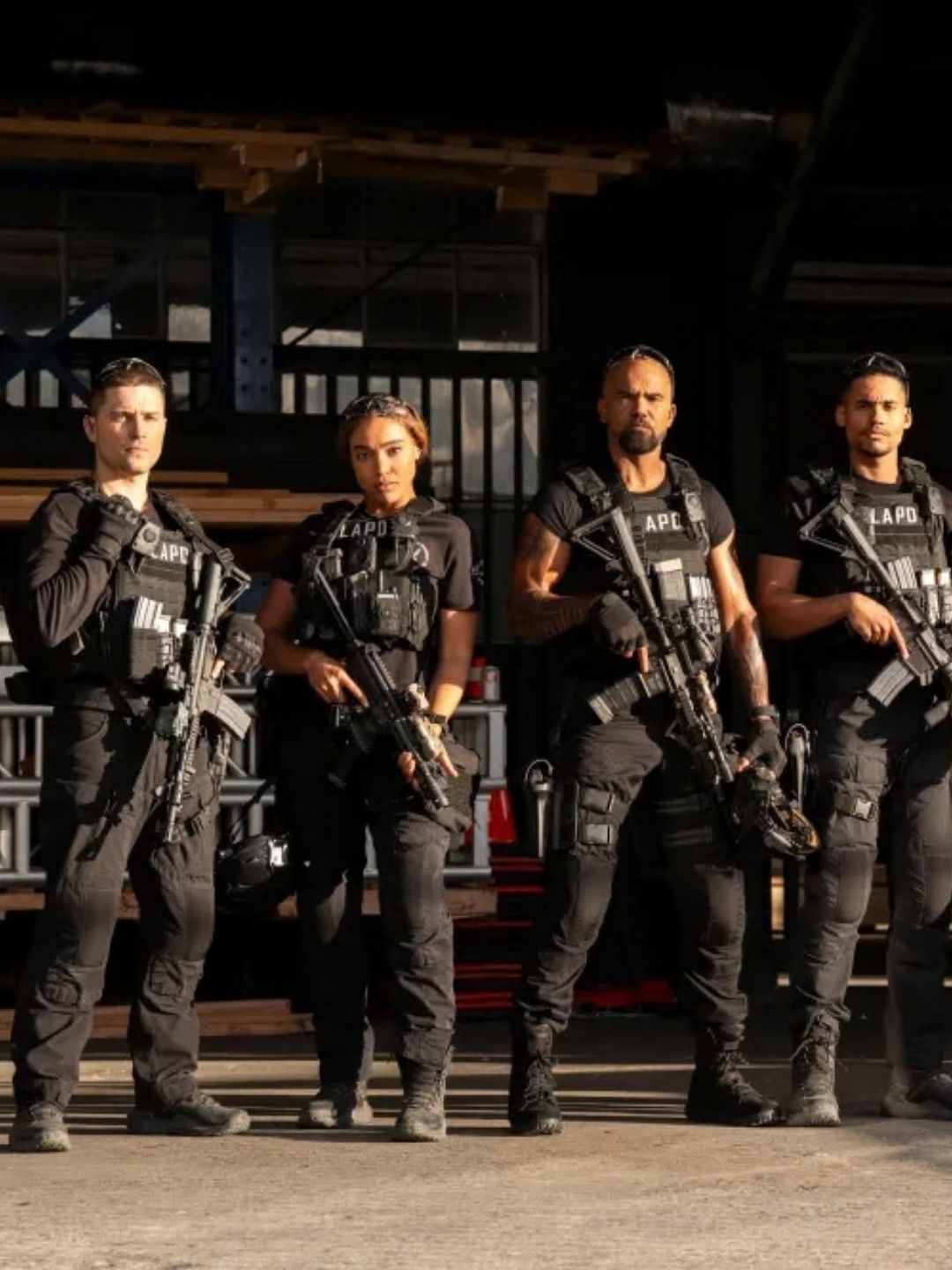
Rubinstein plays Jude Callan in S.W.A.T.: Exiles, the new Starz spinoff that brings a younger, rougher tactical team into the franchise. The series premiered on September 25.

Jude is a tactical officer with a troubled past — a long way from T.K., whose relationship with Carlos became known to fans as Tarlos.

From Tarlos to tactical action

Rubinstein’s new role offers a striking contrast with the character that made him a favourite among queer viewers.

T.K. was a gay firefighter whose story included love, family and recovery.

Jude is a wildcard with a darker history, joining a team of talented outsiders led by Shemar Moore’s Hondo Harrelson.

In a new interview, Rubinstein says he appreciates the chance to play “very badass people” while still giving them emotional depth.

For an openly bisexual actor, that range matters. Queer performers should not have to choose between playing meaningful LGBTQ+ characters and taking on action roles with physical authority.

A new chapter for Ronen Rubinstein

Rubinstein came out as bisexual in 2021, inspired in part by the experience of playing T.K. His portrayal helped make the Tarlos relationship meaningful to viewers who were used to seeing queer characters defined mainly by trauma.

Now his next role is built around danger, conflict and tactical action.

That does not erase T.K. Strand. It shows what comes after a character becomes part of queer television history.

Ronen Rubinstein can be the tender half of a beloved gay romance and a complicated action hero in the same career.

And in real life, he has the support of his wife, actor Jessica Parker Kennedy.

Read the interview at Out.

📷 @ronenrubinstein / Fox / Starz

Watch more LGBTQ+ stories on B-Gay on YouTube.