
Pete Buttigieg keeps showing up at the top of early 2028 presidential polls

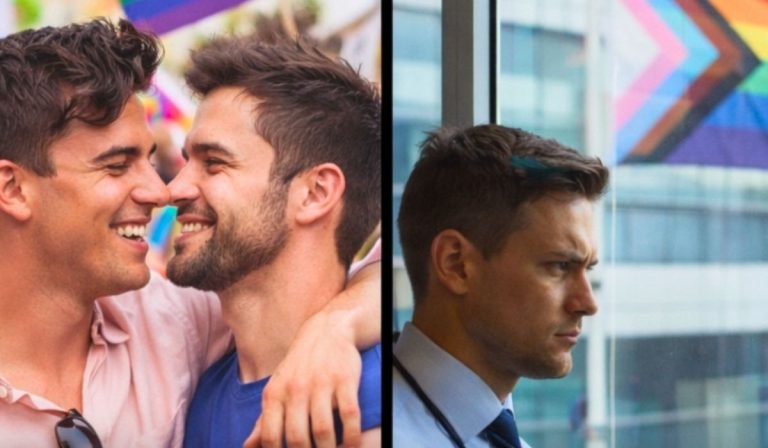
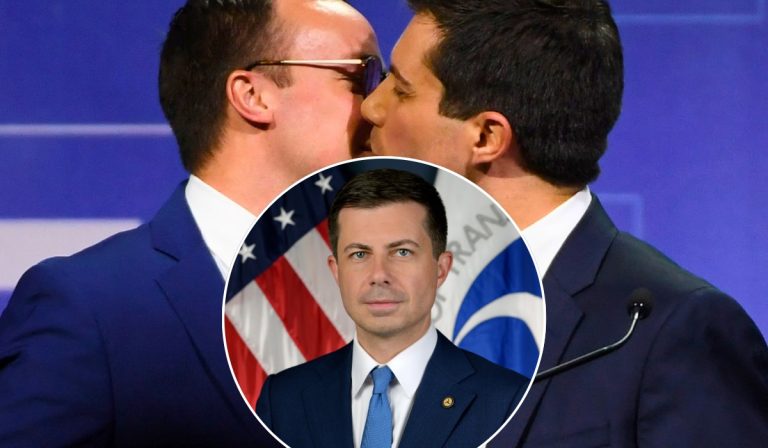
Pete Buttigieg has once again emerged as the leading candidate in an early poll measuring potential Democratic contenders for the 2028 presidential election.

A new Emerson College survey found the former Transportation Secretary receiving 18 percent support among Democratic voters.
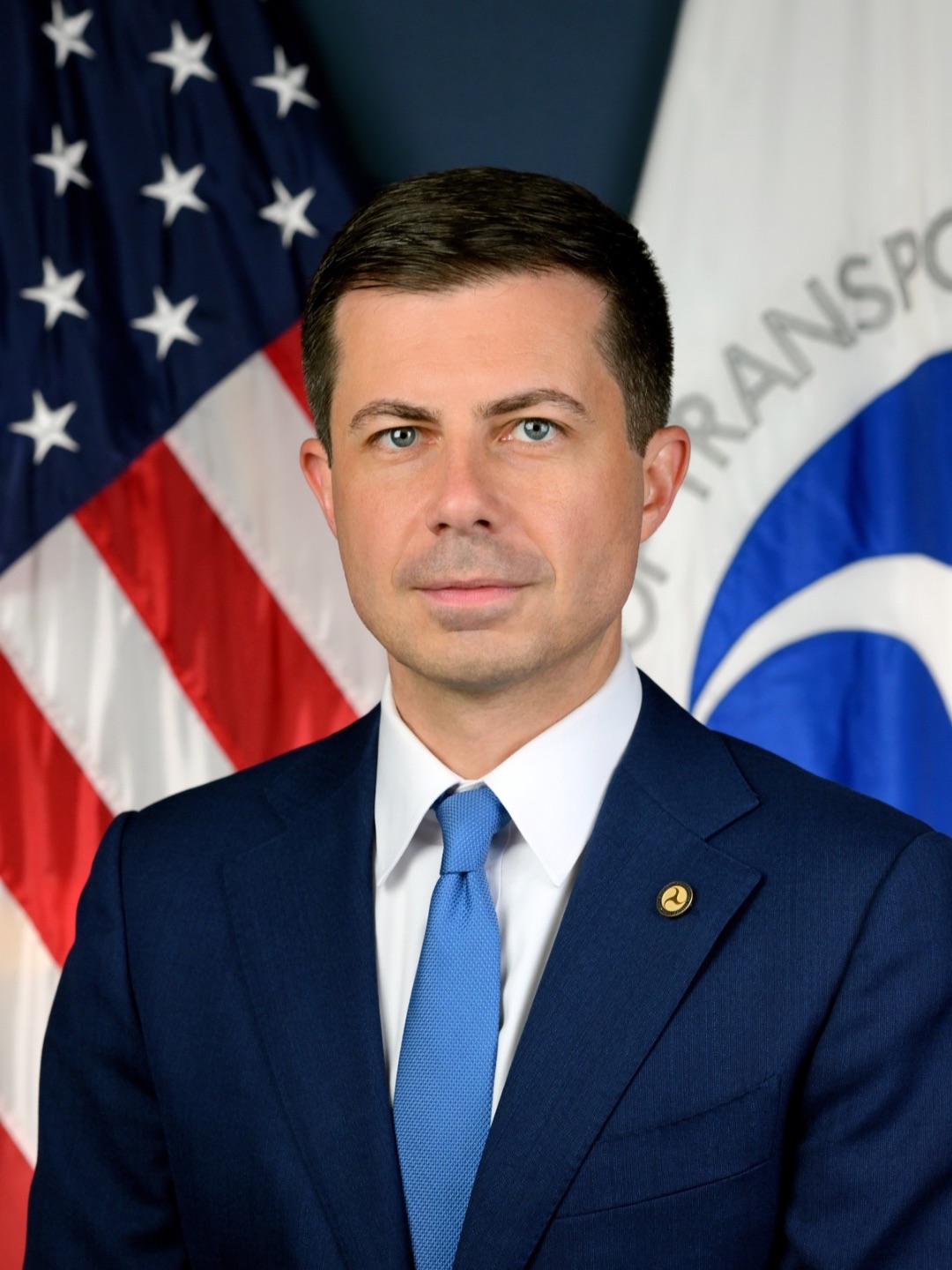
That placed him slightly ahead of California Governor Gavin Newsom at 16 percent (Queerty).

Alexandria Ocasio-Cortez followed with 11 percent, while Kamala Harris and Pennsylvania Governor Josh Shapiro each received 10 percent.

On paper, the numbers may not seem overwhelming.

But the broader pattern is becoming difficult to ignore.

Buttigieg has repeatedly appeared near the top of early Democratic polling despite not formally announcing any presidential campaign.

For LGBTQ+ Americans, the significance extends beyond polling percentages.

Buttigieg’s 2020 presidential campaign already broke major barriers when he became the first openly gay candidate to win a presidential primary contest.

At the time, many political observers questioned whether an openly gay candidate could ever become a serious contender for the White House.

Six years later, that question feels dramatically different.

Buttigieg is no longer viewed primarily as a symbolic candidate.

He is increasingly discussed as a plausible future nominee.

Several factors likely contribute to his continued strength in polling.

His years as Transportation Secretary gave him national visibility.

He remains one of the Democratic Party’s strongest media communicators.

And he has spent the last year maintaining a visible public presence through interviews, town halls, podcasts, and political events.

At the same time, Buttigieg has remained cautious about openly declaring his intentions.

He previously ruled out running for Senate and governor in Michigan, but has repeatedly left open the possibility of a future presidential campaign.

Political analysts continue to emphasize that polling this far ahead of an election should be interpreted carefully.

Many voters are responding primarily to familiarity rather than active campaigns.

The field itself could also change significantly over the next two years.

Still, the consistency of Buttigieg’s polling performance remains noteworthy.

Each new survey reinforces the same reality.

An openly gay candidate is no longer being treated as a historic novelty.

He is increasingly being treated as a serious potential contender for the presidency.

That shift alone represents a significant cultural change.
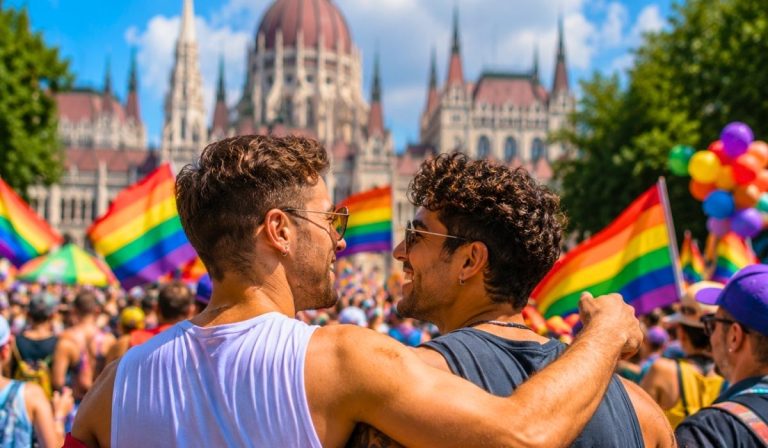
Budapest Pride returns after Hungary’s political shift

Budapest Pride is preparing for a new chapter following the election defeat of longtime Hungarian Prime Minister Viktor Orbán.

For many LGBTQ+ people both inside Hungary and across Europe, the moment feels highly symbolic.

Orbán spent sixteen years in power and became one of the most internationally visible political figures associated with anti-LGBTQ+ policies inside the European Union (LGBTQ Nation).

His government passed legislation restricting LGBTQ+ visibility, limiting representation in schools and media, and creating legal mechanisms that activists argued could effectively ban Pride events.

Those policies attracted criticism from human rights organizations, European institutions, and LGBTQ+ advocacy groups around the world.

As tensions increased, Budapest Pride evolved into something larger than an annual celebration.

It became a public test of visibility and resistance.

Last year’s Pride march gained international attention after authorities attempted to block the event using newly adopted legal restrictions.

Instead of discouraging participation, the controversy appeared to energize it.

Organizers estimated that roughly 200,000 people attended, making it one of the largest Pride demonstrations in Hungarian history.

The massive turnout transformed the event into a visible rejection of anti-LGBTQ+ political pressure.

Now Hungary is entering a different political era.

Following Orbán’s defeat, Prime Minister Péter Magyar has taken office amid growing expectations from voters seeking democratic reforms and stronger protections for civil rights.

Recent polling suggests many of Magyar’s supporters favor greater protections for LGBTQ+ people, even though LGBTQ+ issues were not a major focus of his campaign.

Pride organizers have received approval for this year’s march on June 27, creating a noticeably different atmosphere compared with the uncertainty surrounding previous events.

“During the notification process for the 2026 Pride parade and the subsequent in-person consultation with the organizers, no grounds for prohibiting the assembly arose,” Budapest police said in a statement to AFP.

That does not mean every problem has disappeared.

Many activists continue pushing for legal reforms, and several controversial laws remain in place.

Some LGBTQ+ advocates also remain cautious about how aggressively the new government will move on equality issues.

Still, the emotional significance of this year’s Pride is difficult to ignore.

For many people, the event represents more than politics.

It represents survival.

Community.

Visibility.

And the possibility that public spaces can once again feel welcoming rather than hostile.

After years of conflict surrounding LGBTQ+ rights in Hungary, many attendees are expected to arrive carrying both relief and hope.

A Christian man who wanted Pride flags removed has lost his discrimination case

0

An evangelical Christian who demanded Pride flags and other LGBTQ+ visibility measures be removed from his workplace has lost his employment discrimination case against the UK’s Department for Work and Pensions.

The case centered around Mark Jennings, who was offered a job as a work coach before raising objections to visible LGBTQ+ inclusion measures within the office.

According to tribunal findings, Jennings objected to Pride flags, LGBTQ+ lanyards, pronoun usage, and other forms of workplace support connected to LGBTQ+ inclusion.

He argued that these elements conflicted with his religious beliefs.

Jennings later brought legal action, claiming discrimination based on those beliefs.

The tribunal ultimately rejected the claim.

Judges ruled that accommodating his requests would have been unreasonable and could have negatively affected other employees.

The decision emphasized that asking staff to remove Pride-related symbols would create its own set of workplace concerns and potential discrimination issues.

The case reflects a broader tension that increasingly appears in courts across multiple countries.

Where does religious freedom end?

And where does workplace inclusion begin?

Supporters of Jennings argue that religious employees should not be compelled to work in environments that visibly promote beliefs they disagree with.

LGBTQ+ advocates often see these disputes differently.

For many queer people, Pride flags and inclusion measures are not political endorsements.

They are signals that LGBTQ+ employees can exist openly without fear of hostility or exclusion.

That distinction helps explain why these cases generate such strong reactions.

Because they are rarely experienced as abstract legal debates.

They touch directly on questions of belonging, visibility, religion, identity, and workplace culture.

In this case, the tribunal concluded that the Department for Work and Pensions acted reasonably by refusing Jennings’ requests.

The result means the workplace inclusion measures remained in place.

And the case has already become another flashpoint in the wider cultural debate surrounding LGBTQ+ visibility in public institutions.

Anderson Cooper and Andy Cohen are bringing their friendship back to live TV for America’s 250th birthday

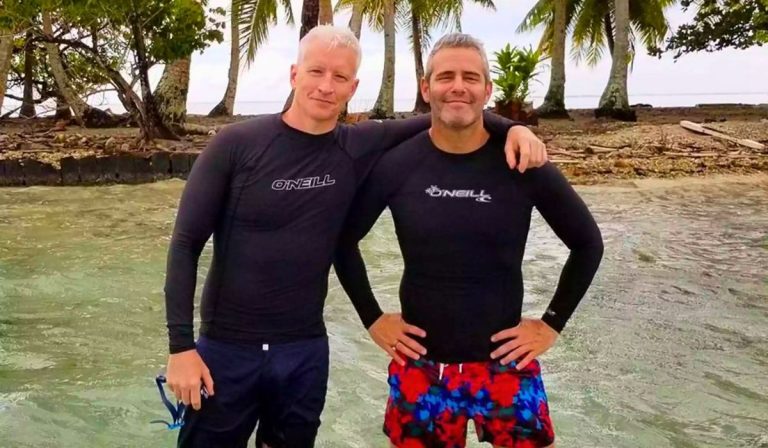
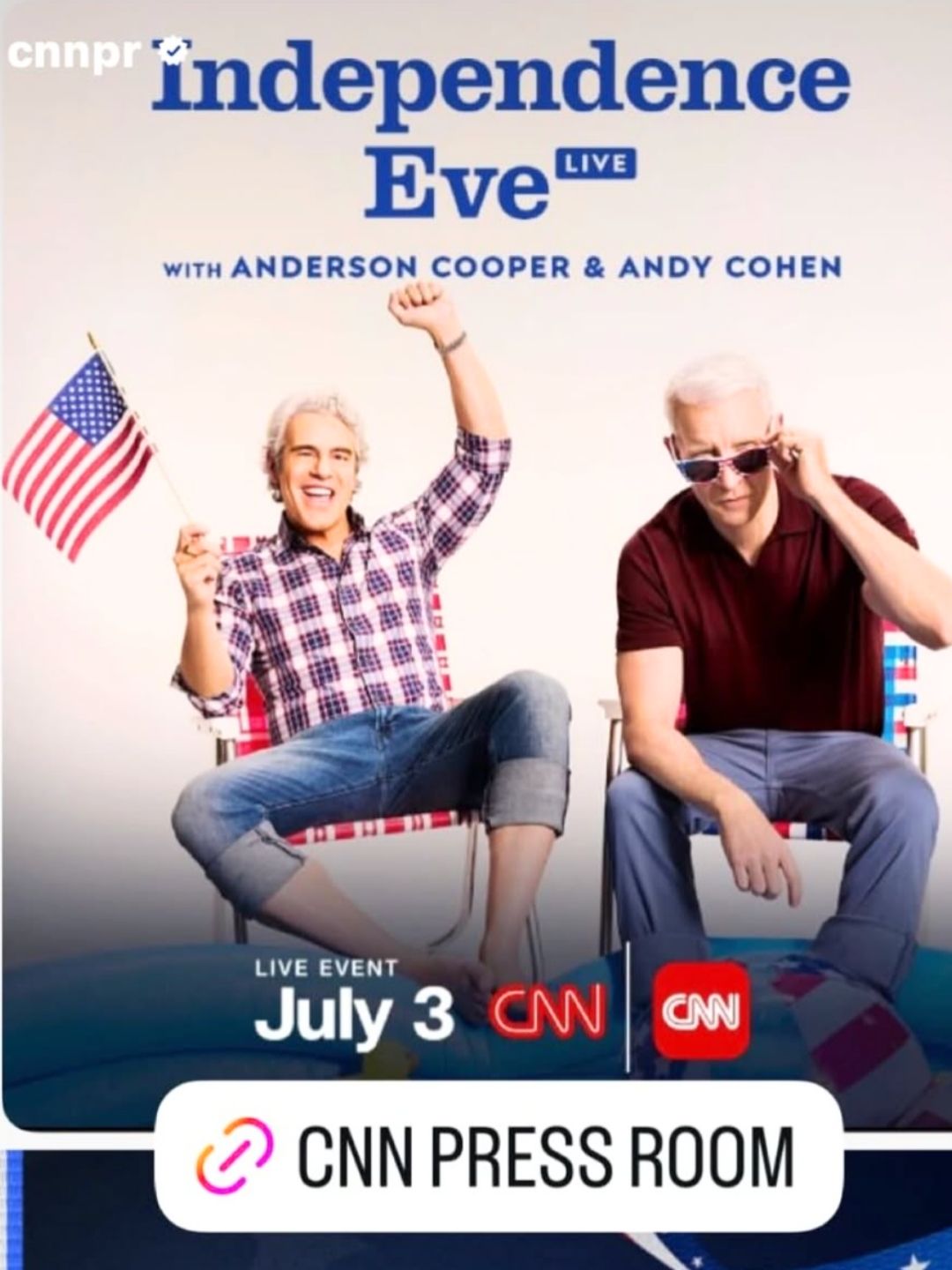
Anderson Cooper and Andy Cohen are officially reuniting for another major live television event.

CNN has announced that the longtime friends will host Independence Eve Live With Anderson & Andy: Celebrating 250, a special event airing July 3 from Times Square ahead of the United States’ 250th Independence Day celebrations.

The broadcast will include celebrity appearances, performances, reports from around the country, and even a New Year’s Eve-style countdown complete with a ball drop at midnight.

Which feels very CNN.

But also very Anderson and Andy.

At this point, the pair’s friendship has become almost as famous as their actual careers.

Cooper remains one of the most recognizable journalists in American television.

Cohen remains one of reality television’s most successful personalities and producers.

Together, they somehow created one of television’s most unexpectedly entertaining friendships.

The appeal has never really been about politics or celebrity gossip.

It is the chemistry.

Audiences enjoy watching Anderson Cooper, usually associated with serious journalism, slowly lose control of conversations as Andy Cohen pushes them into increasingly absurd territory.

Their annual New Year’s Eve broadcasts became especially popular because viewers felt they were watching genuine friendship rather than carefully scripted television.

That authenticity matters.

Especially at a time when many television personalities can feel heavily managed or distant.

The timing of this new special also arrives during a significant year for Cooper personally.

He recently stepped away from 60 Minutes after nearly twenty years, explaining that he wanted more time with his children while continuing his work at CNN.

Even with that change, he remains one of the network’s defining figures.

Meanwhile Cohen continues balancing television, radio, production work, and his role as one of the most visible openly gay personalities in mainstream American media.

Together they remain one of the few openly queer friendships that has become part of the broader cultural mainstream.

Which may be part of why audiences remain so attached to them.

Now they are bringing that energy to one of the largest televised celebrations of the year.

And judging by social media reactions, many viewers are already looking forward to the inevitable chaos.

📸 IG: @andersoncooper / @bravoandy

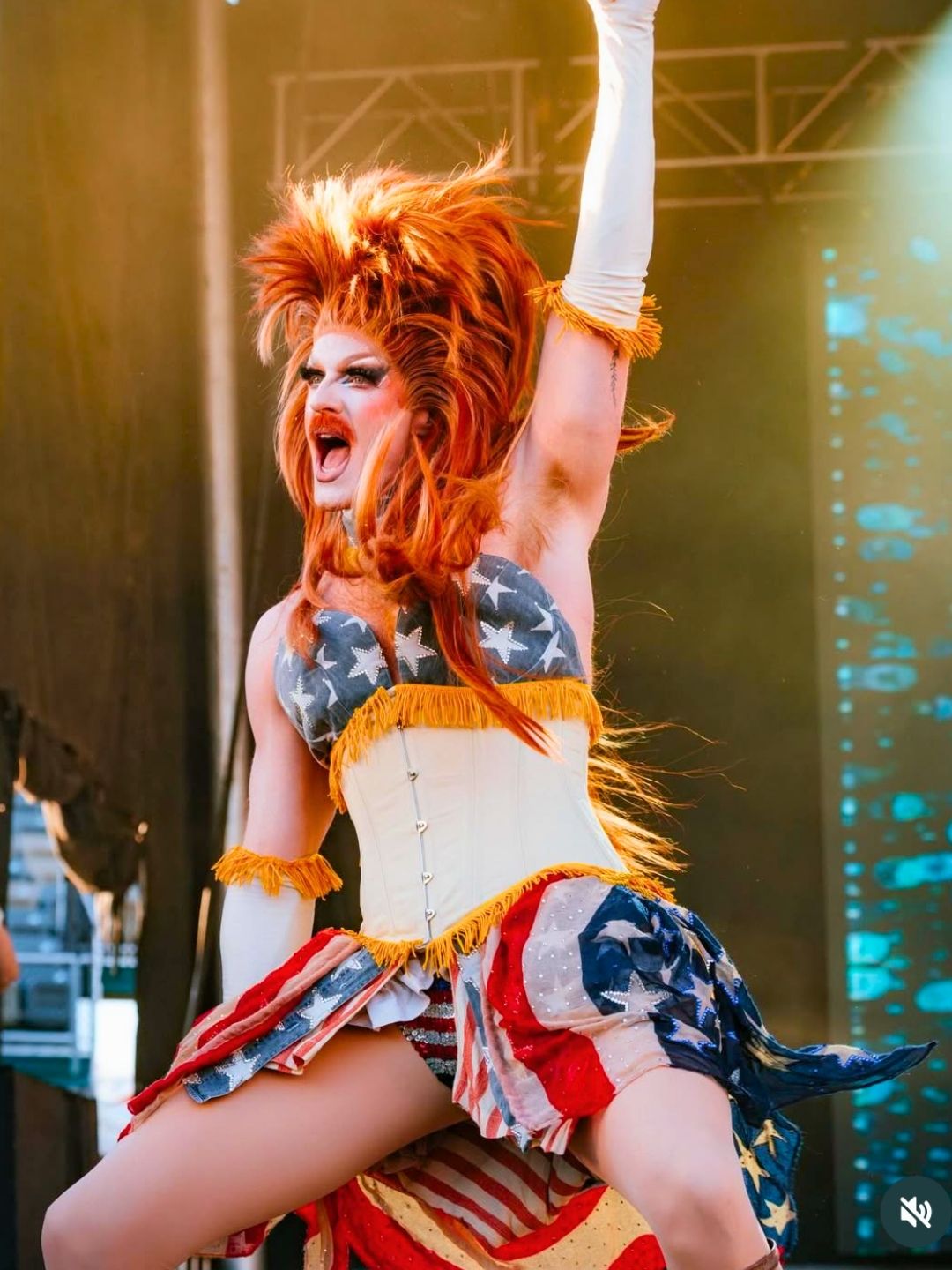
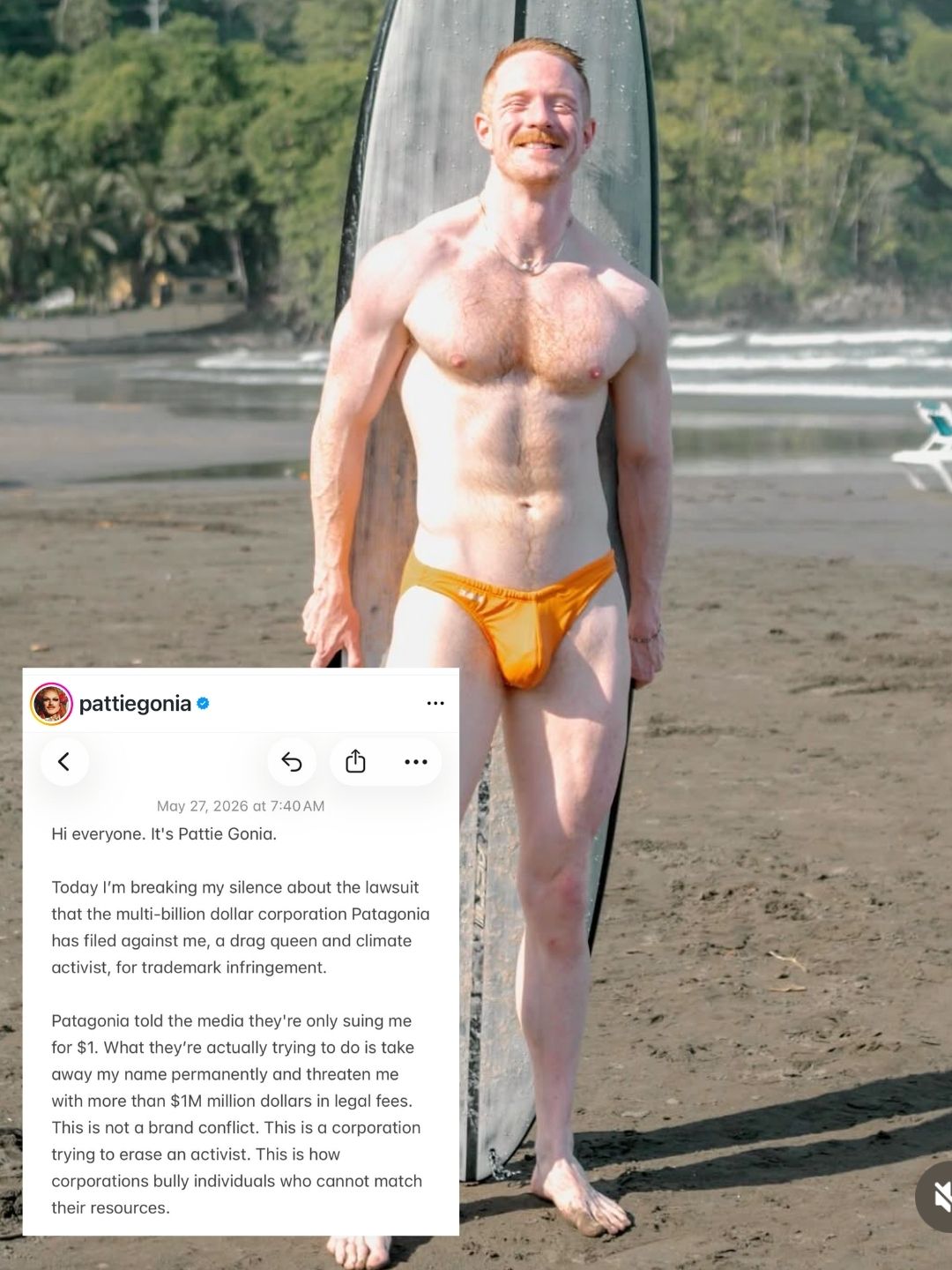
Pattie Gonia is publicly fighting back against Patagonia’s lawsuit

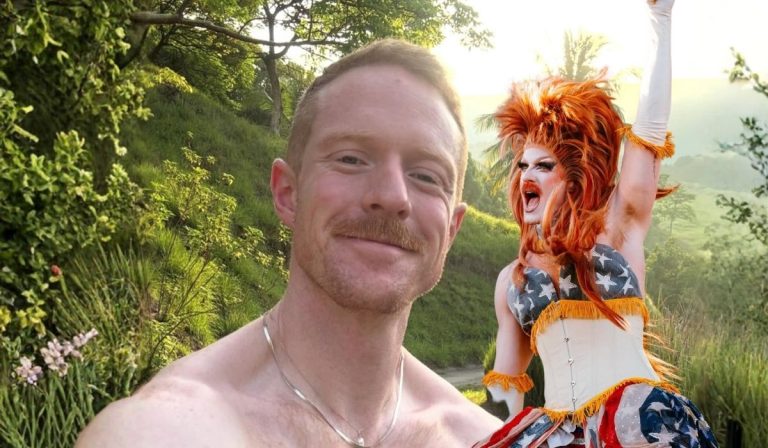
Drag artist and environmental activist Pattie Gonia has broken months of public silence surrounding Patagonia’s trademark lawsuit against her.

And the response online has been immediate.

In a newly released video and open letter, Pattie Gonia accused the billion-dollar outdoor company of attempting to “erase an activist” through ongoing legal action connected to her name and brand.

The lawsuit itself dates back to January 2026.

Patagonia argues that Pattie Gonia’s branding, merchandise, and trademark filings are too similar to the company’s own trademarks and could create consumer confusion.

The company insists the lawsuit is about protecting intellectual property rather than attacking activism or queer identity.

Patagonia also says it spent years trying to resolve the dispute privately before filing in court.

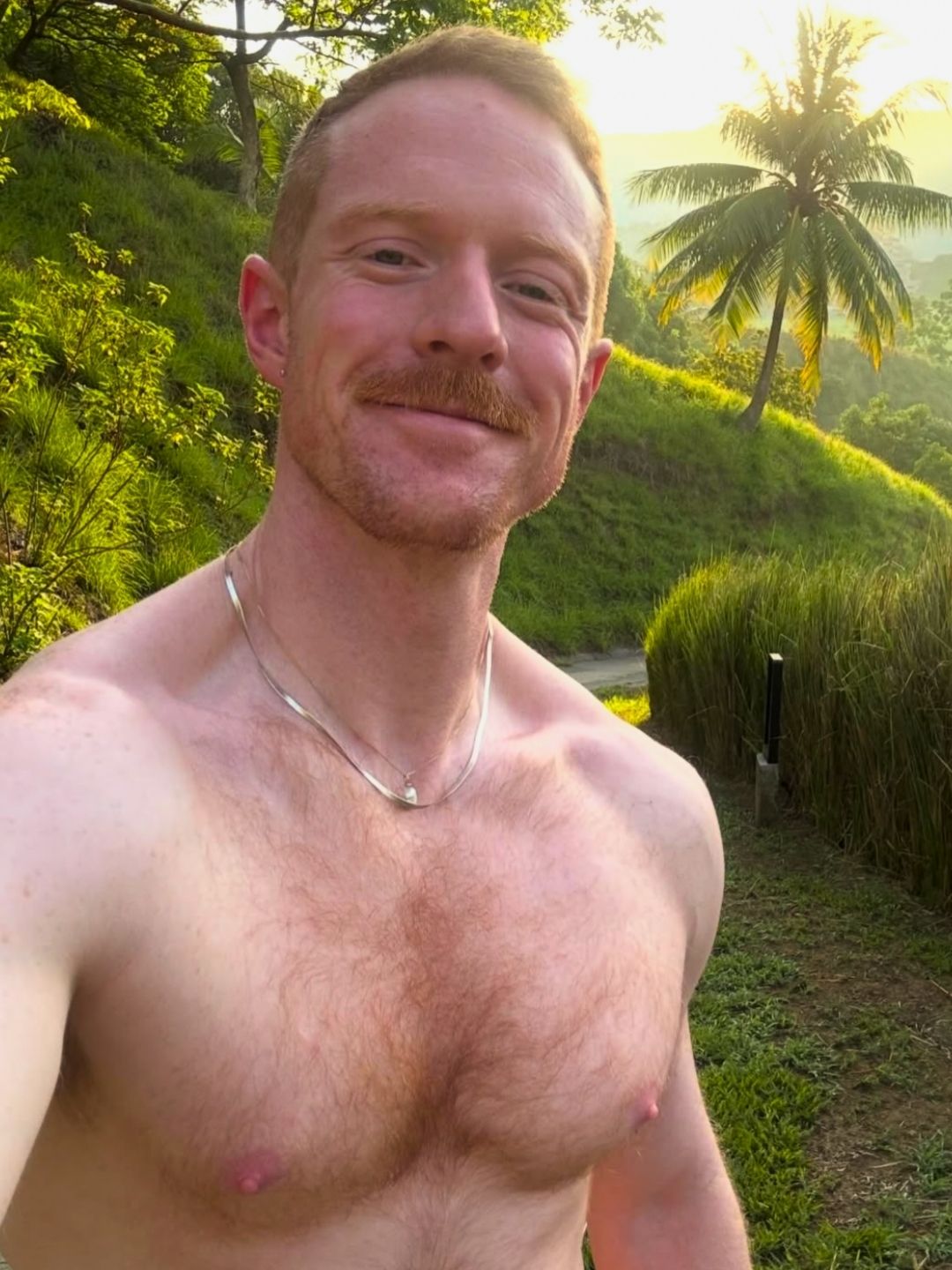
Pattie Gonia, whose real name is Wyn Wiley, strongly disputes the framing.

She argues the case threatens not only her career, but the larger activist platform she has built around LGBTQ+ visibility, environmental advocacy, and queer inclusion in outdoor culture.

That emotional context is a major reason the story has resonated so intensely online.

Pattie Gonia became a breakout figure in recent years by blending drag performance, hiking culture, climate activism, and queer visibility in a way that felt fresh and unusually hopeful to many LGBTQ+ audiences (Attitude).

Her work challenged the long-standing stereotype that outdoor culture belongs primarily to straight, hyper-masculine spaces.

Instead, she helped create a visibly queer environmental community centered around joy, creativity, and accessibility.

That is why the lawsuit feels emotionally complicated for many people.

Patagonia itself has long cultivated a progressive public identity tied to environmental activism and social responsibility.

Many queer people admired both Patagonia and Pattie Gonia simultaneously.

Now the conflict has forced supporters into uncomfortable conversations about corporate power, parody, trademark law, activism, and who gets protected within progressive spaces.

The debate online has become increasingly intense.

Some people argue Patagonia legally has little choice but to defend its trademarks consistently.

Others believe pursuing a queer activist over branding issues fundamentally clashes with the company’s public values.

For now, the lawsuit continues.

And the emotional fallout inside queer outdoor communities is clearly still growing.

📸 IG: @pattiegonia