
Who Scott Mills is, why his BBC exit is making headlines, and what we know so far

For many readers outside the UK, Scott Mills may not be an instantly familiar name, but in Britain he has long been one of the most recognisable voices in mainstream radio.

Mills, 53, built his reputation over decades at the BBC, first becoming a fixture on Radio 1 before later moving to Radio 2, where he eventually landed one of the broadcaster’s biggest jobs as host of the flagship breakfast show.
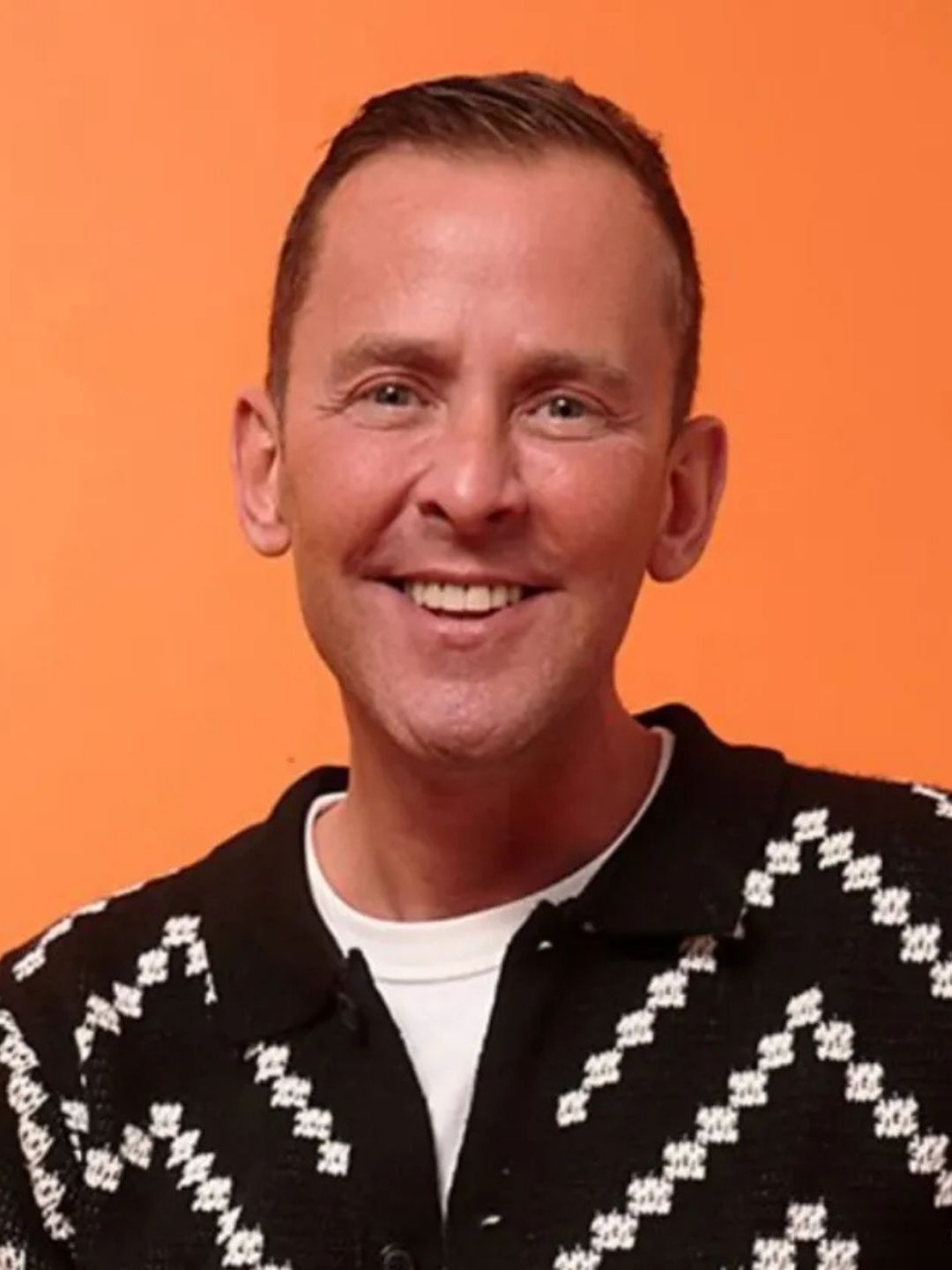
That matters, because breakfast radio in the UK is still a major cultural platform, and Mills was not some niche presenter quietly working in the background.

He was a mainstream media personality with a loyal audience, a long BBC history, and the kind of familiar public profile that comes from being in people’s ears for years during school runs, commutes, and morning routines.

He was also known beyond radio.

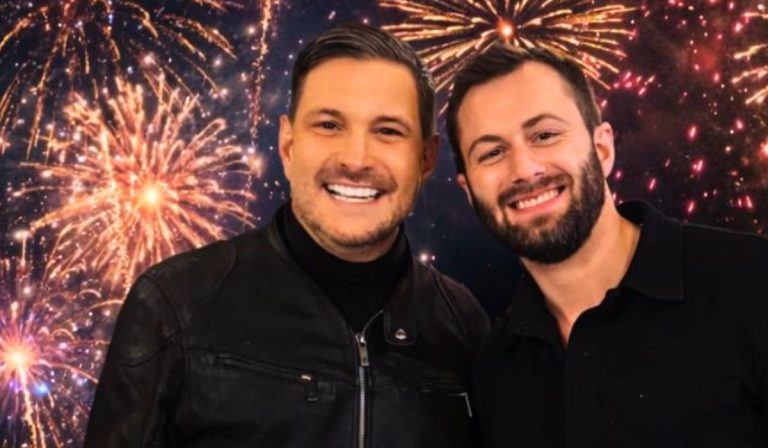
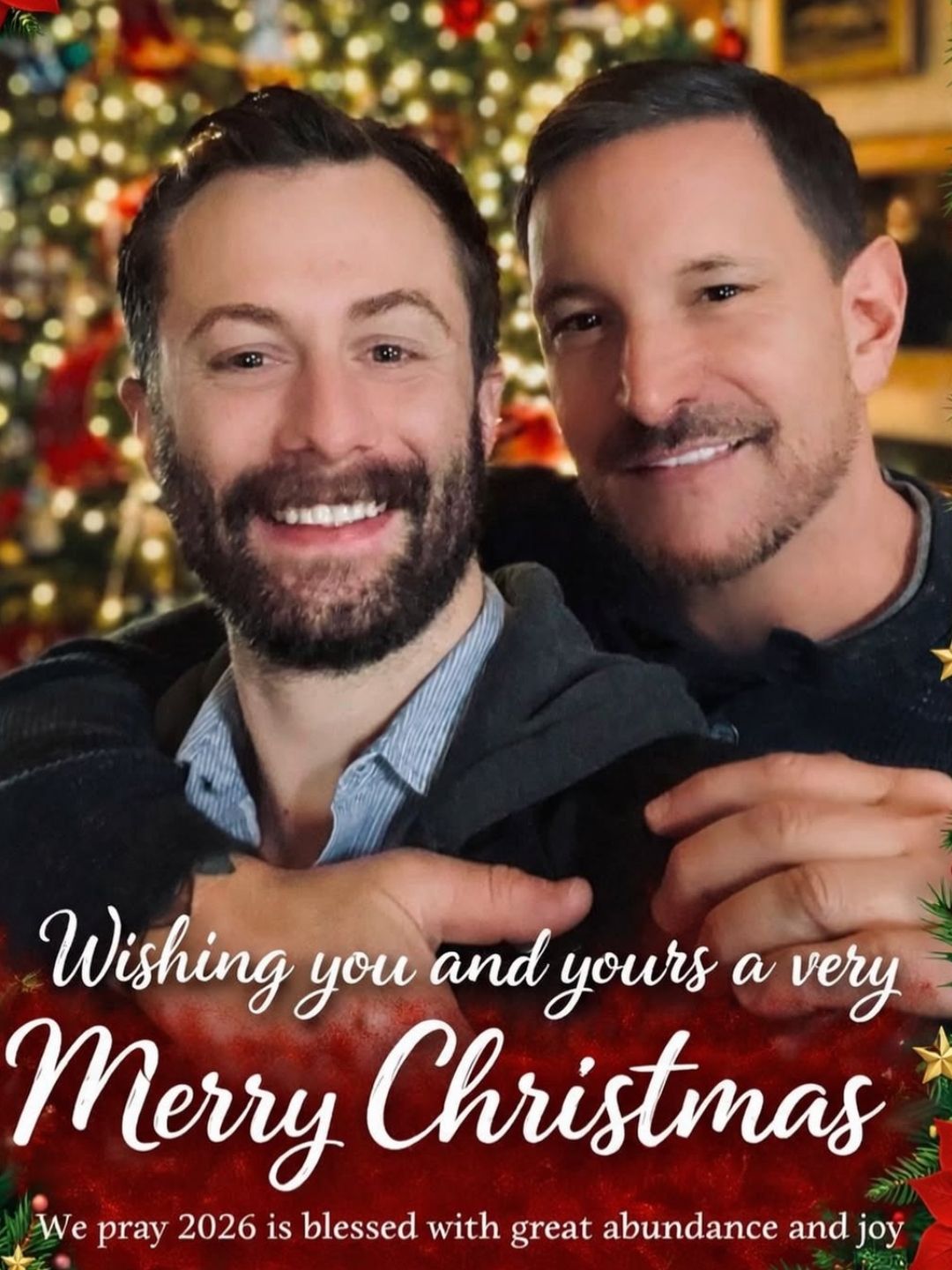
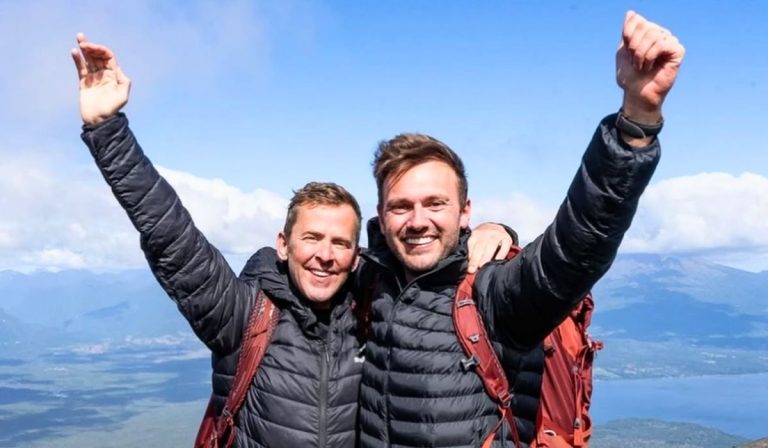
Mills has been part of the BBC’s Eurovision coverage, appeared on television projects, and became more widely visible to some audiences after winning Celebrity Race Across the World with his husband, Sam Vaughan.
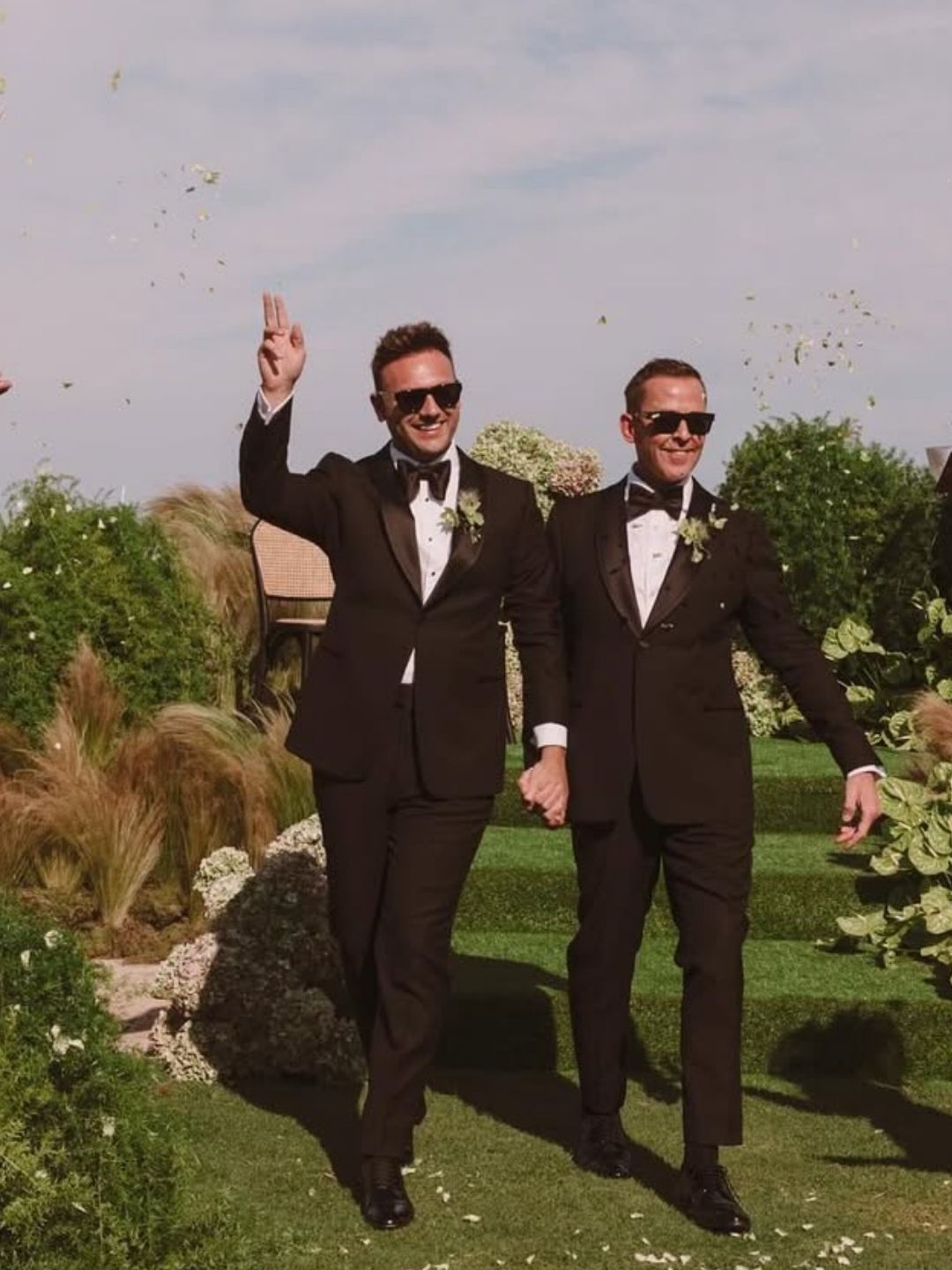
That relationship has been one of the more openly joyful parts of his public image in recent years.

Mills and Vaughan had been together for several years before getting engaged in 2021 and marrying in Spain in 2024, with the relationship often presented in the press as warm, stable, and very much part of Mills’s current chapter.
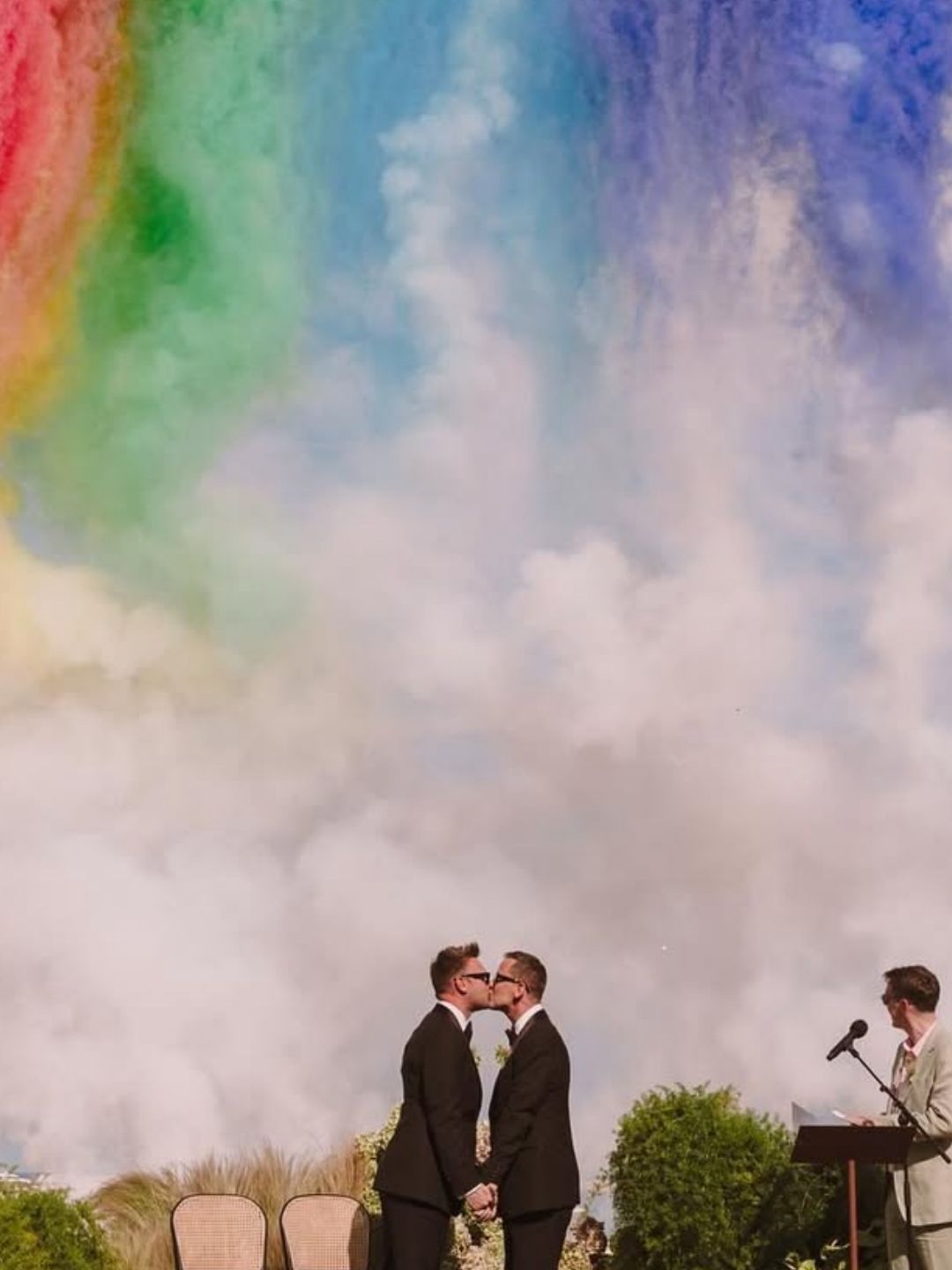
Vaughan, who has his own background in radio and media, became more familiar to the public through their appearances together, especially after the race show win helped introduce them as a couple to viewers who might not normally follow radio personalities.

That is part of why the current story has landed so abruptly.

The BBC has confirmed that Mills is no longer under contract, but it has only publicly referred to allegations connected to “personal conduct” and has not laid out the details in any formal public explanation.

That lack of specificity has created a swirl of reporting, speculation, and tabloid interpretation.

Some outlets have claimed the issue relates to a historic relationship with another man from more than a decade ago, but those claims have not been fully explained or clearly substantiated in public by the BBC itself.

So while that allegation is now part of the media conversation, it should still be treated with caution.

What is clear is that Mills’s exit appears to have been sudden.

Reports say he had recently signed off his show as normal, with no public indication that his run at Radio 2 was about to end, before being replaced on air by another presenter.

That kind of abrupt departure is one reason the story has become so big so quickly in the UK media world.

It is not simply that a presenter left a job.

It is that a broadcaster with a career stretching back to the late 1990s, and who only recently took over the breakfast slot, appears to have been removed with very little public explanation.

For readers outside Britain, it may help to think of him as a long-running national radio star rather than a minor celebrity.

He was a trusted BBC personality, a familiar entertainment host, and a figure closely associated with cheerful, mainstream, accessible broadcasting.

That image now sits in tension with a story the public still does not fully understand.

There is also a human dimension that makes the headlines feel more complicated.

The contrast between Mills’s polished public life, his visible marriage to Vaughan, and the murky language around his dismissal is exactly what is fuelling so much attention.

It leaves an unfinished feeling to the story.

Right now, the most accurate summary is also the least satisfying one.

Mills is a major British radio presenter who has spent decades building a career at the BBC, he is married to Sam Vaughan, and he has now left the broadcaster after allegations described only as relating to personal conduct.

Beyond that, much of the detail being circulated remains either partial, speculative, or attributed to secondary reporting rather than a full official account.

And that is why this story is not just attracting clicks in Britain.

It is attracting scrutiny.

📷 IG: @ realscottmills
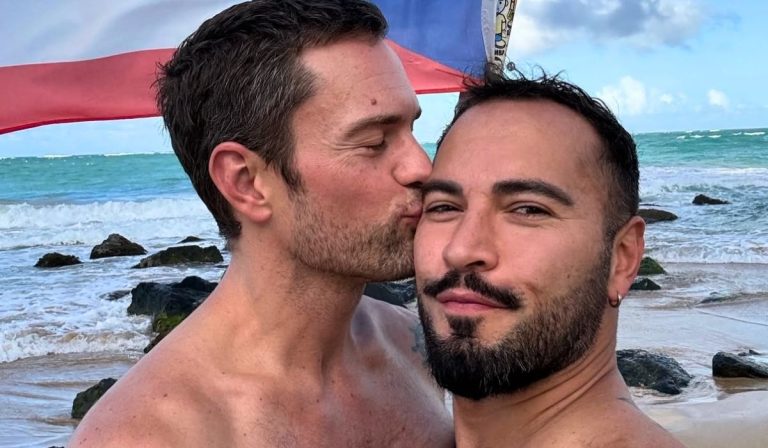
“Bury your gays” is back in the conversation after General Hospital kills off Marco

Soap operas are built on exits, returns, shock twists, and dramatic deaths, but when one of the few queer male characters on daytime television is suddenly written out, viewers tend to notice for reasons that go beyond ordinary plot mechanics.

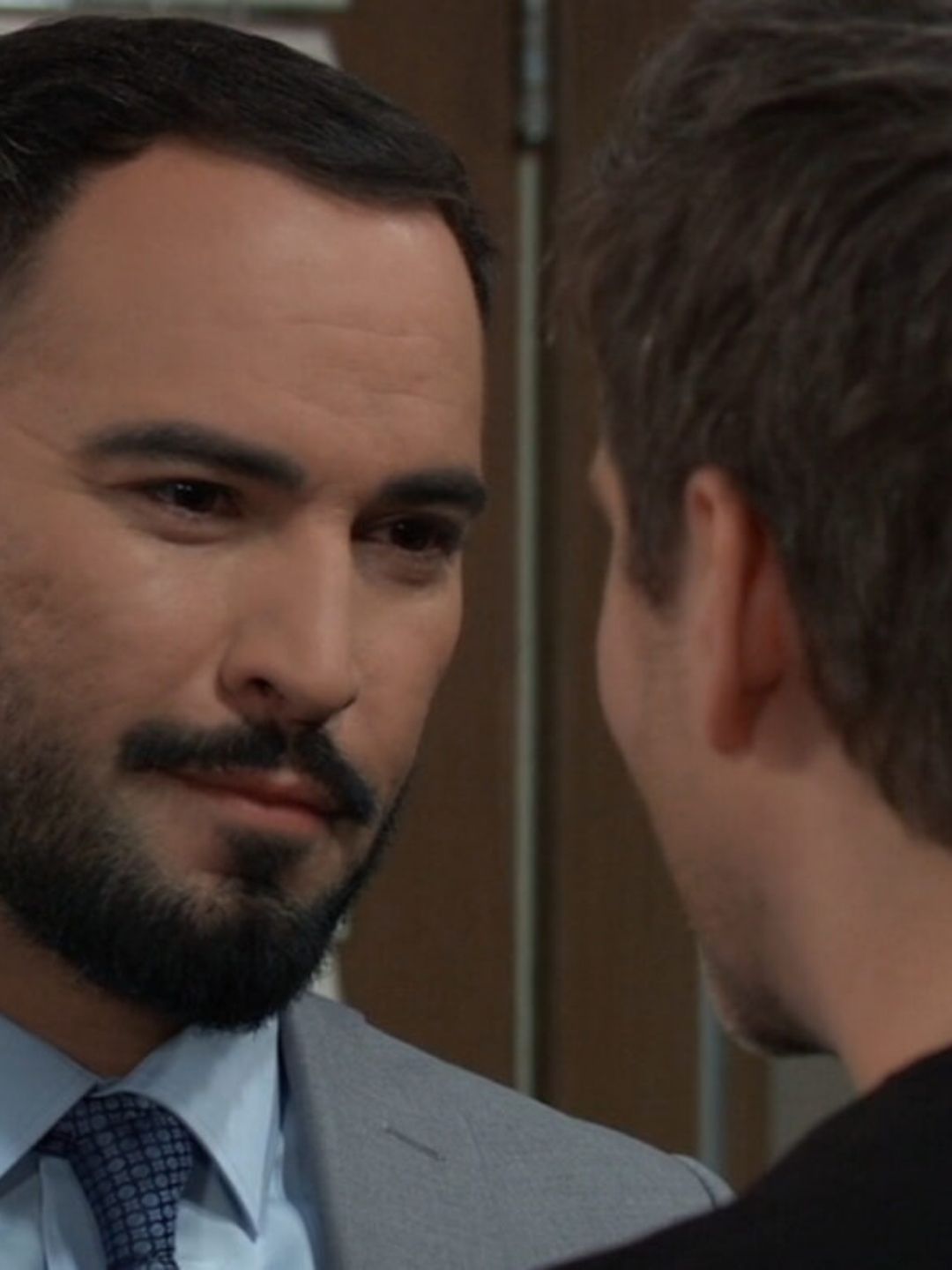
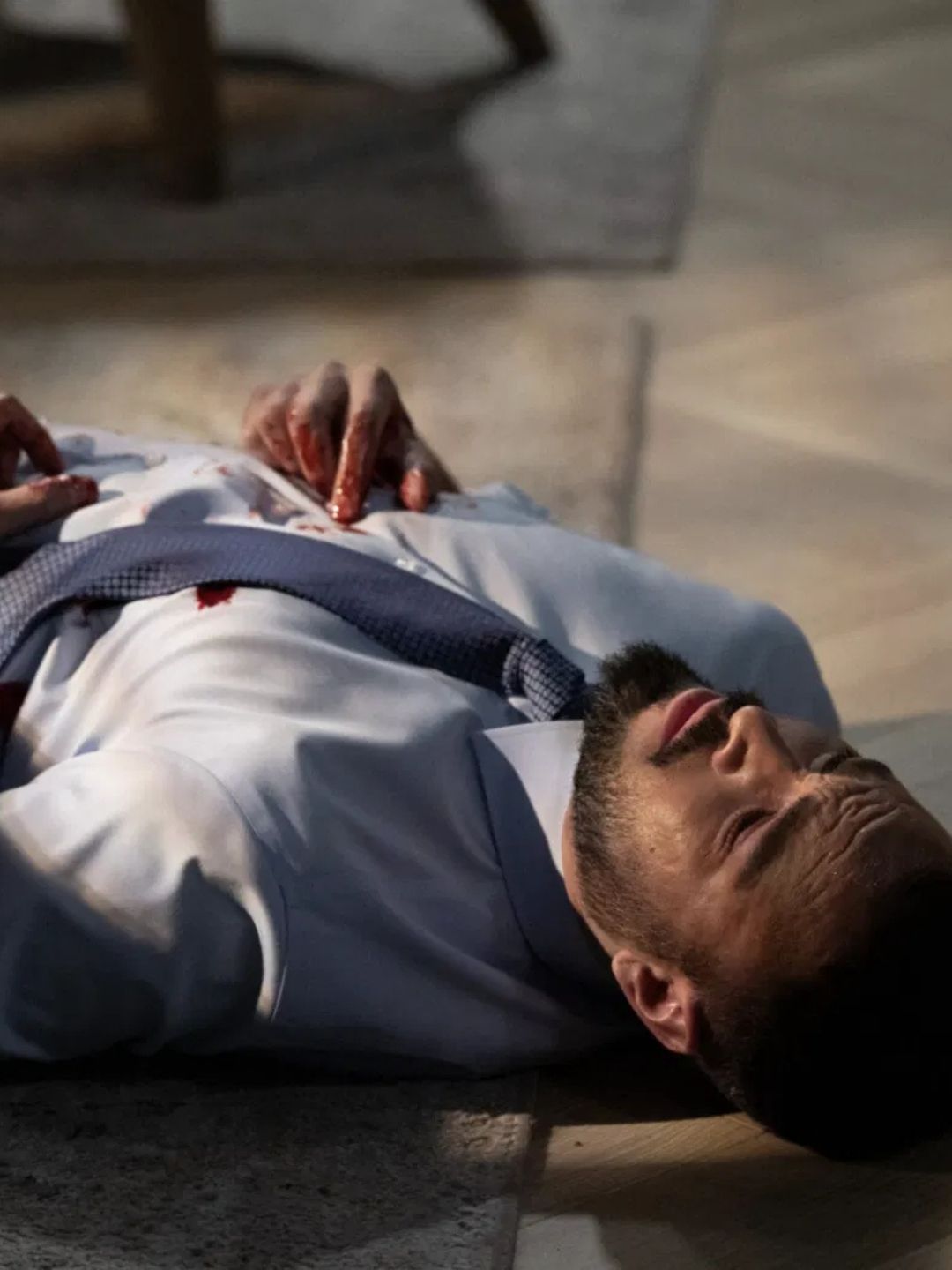
That is exactly what happened this week when General Hospital killed off Marco Rios, the gay character played by out actor Adrian Anchondo, in a violent storyline that ended with the character being stabbed and later dying at the hospital.

The reaction online was immediate, and not just because fans had grown attached to Marco, but because the move landed inside a very familiar cultural frame that LGBTQ viewers have been talking about for years.

That frame is the “bury your gays” trope, the long-running pattern in television and film where queer characters so often seem to be denied the stability, longevity, and future routinely granted to their straight counterparts.

Marco was introduced on the ABC soap almost exactly a year earlier and eventually became the love interest of Lucas Jones, another gay character on the show, which made his death feel especially abrupt to fans who thought the series might actually be investing in a fuller queer storyline.

That is part of why this story resonates beyond one episode of one soap.

Representation is still uneven enough that queer viewers rarely experience these developments as isolated writing decisions.

Instead, they tend to register them as part of a broader pattern about who gets complexity, who gets romance, and who gets to remain in the picture long enough for a future to exist at all.

To his credit, Anchondo is handling the exit with a great deal of grace.

In comments to TV Insider, he spoke warmly about the opportunity to play a queer Latino character on daytime television, saying it felt important to be seen and represented and noting how many messages he received from fans thanking him for showing multiple dimensions in a queer character.

He struck a similar tone on social media, saying he was proud of the work, proud of the representation, and still grieving alongside fans even as he expressed gratitude for the experience.

That response probably says something important about why Marco mattered in the first place.

He was not simply there to check a diversity box or to serve as background texture in a larger straight narrative.

For many viewers, he represented the possibility that queer daytime characters could be charismatic, layered, romantic, and culturally specific without being reduced to a one-note function.

There is also a bittersweet irony in the fact that Anchondo says the show brought something meaningful into his real life as well.

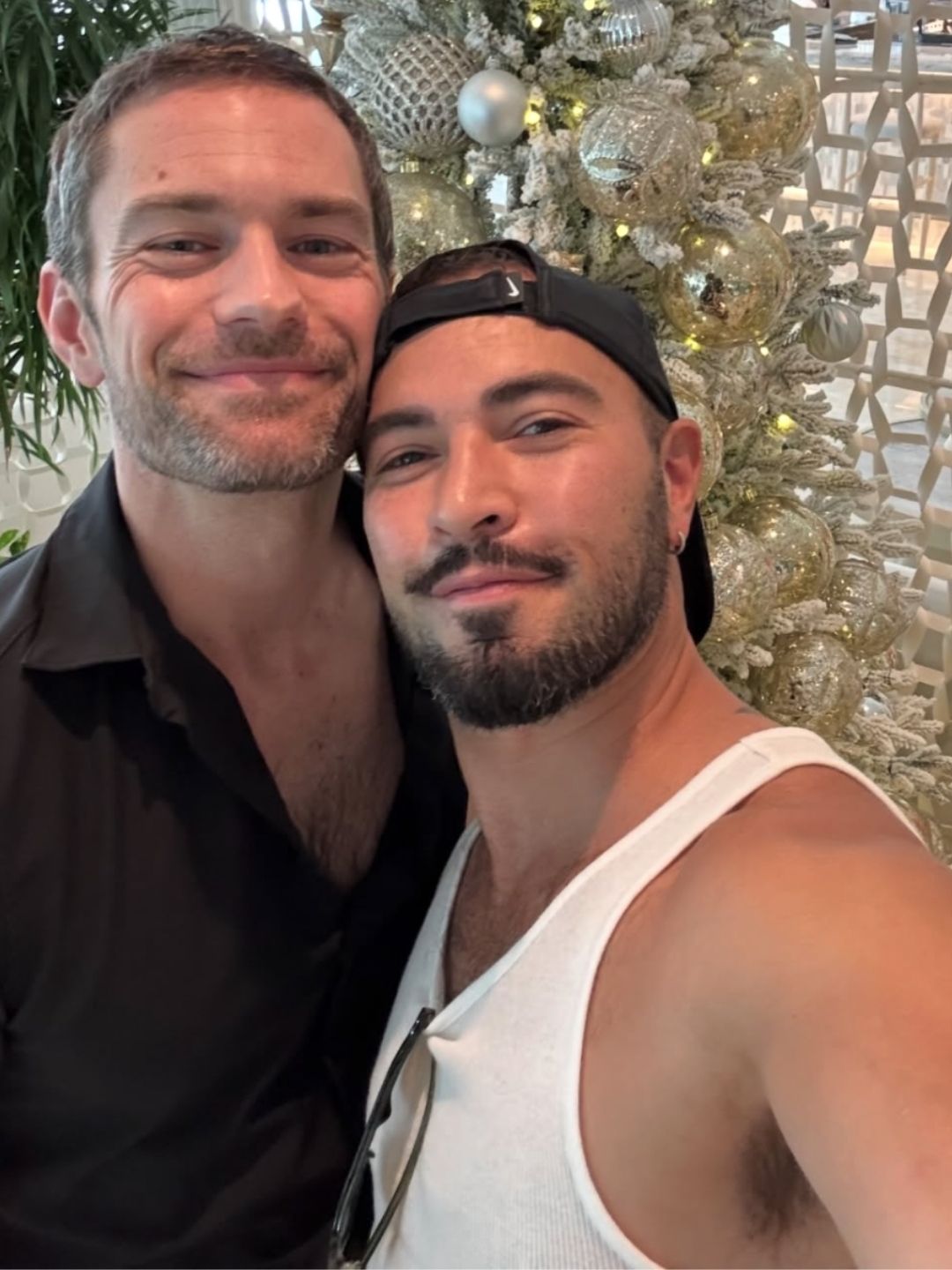
In his exit interview, he revealed that joining the soap ultimately led to a relationship with fellow actor Colton Little from Days of Our Lives, giving the story an off-screen happy ending even as Marco’s on-screen one turned tragic.

That detail has only sharpened the contrast for fans who were hoping Marco and Lucas might be allowed something similar in fictional form.

Of course, this is daytime television, where death is rarely as final as it first appears.

Anchondo himself pointed out that multiple people on the show have returned from the dead before, so viewers should probably not rule anything out just yet.

Still, even if Marco somehow reappears down the line, the reaction to this week’s episode has already made one thing clear.

Audiences are more alert than ever to how queer stories are handled, and they are no longer content to treat representation as meaningful only at the point of arrival.

They are paying attention to what comes next, whether queer characters are allowed emotional continuity, and whether they are written as people with a future instead of symbols with an expiration date.

That is why Marco’s death hit a nerve.

It was not only about losing a character.

It was about seeing an old television pattern reappear in a medium that still has far too few queer love stories to waste.

📷 IG: @ javichondo

Ty Herndon opens up about the years he spent trying to outrun himself

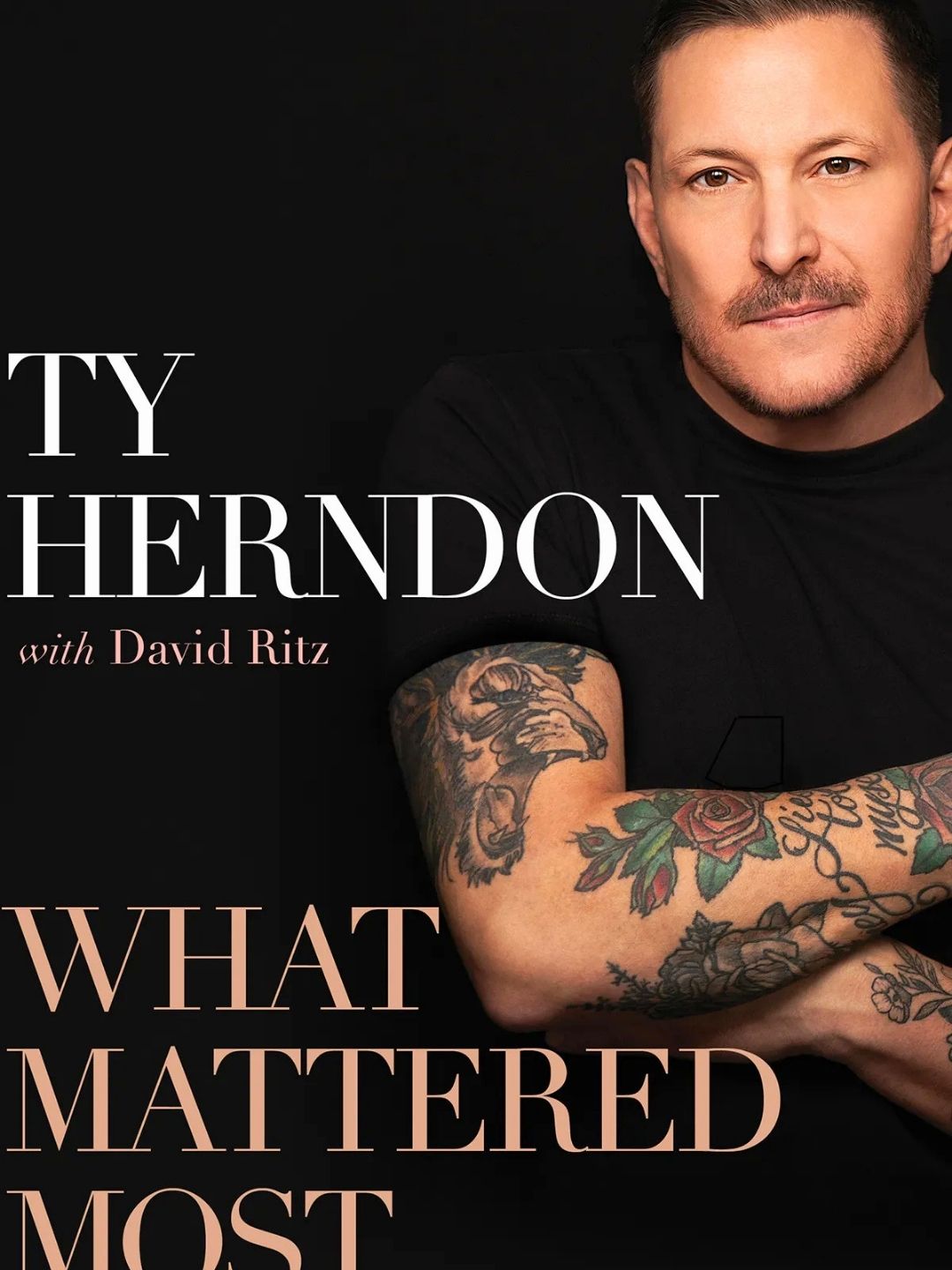
Ty Herndon is telling one of the most personal stories of his career as he prepares to release his first memoir, What Mattered Most.

The country singer, now 63, is reflecting on the ways his gay identity, religious trauma, addiction, and deep emotional pain shaped much of his life before he finally reached a place of peace.

In a new interview with People, Herndon says writing the book forced him to confront just how much of his life had been ruled by the need to feel loved, accepted, and somehow “normal.”

That idea of normal began haunting him early.

One of the memoir’s opening moments takes readers back to a Baptist church service he attended at just 10 years old, where a preacher described homosexuality as “ungodly” long before Herndon even fully understood what being gay meant.

Still, the message landed.

And like it has for so many queer people raised in rigid religious environments, that kind of shame did not simply disappear with time.

Instead, it settled in quietly and shaped the years that followed.

Herndon describes decades of internalized homophobia, including a long period in which he balanced public relationships with women while keeping his relationships with men private.

He eventually came out publicly in 2014, but the memoir makes clear that coming out was only one part of a much longer and more complicated journey.

According to the interview, the book also addresses methamphetamine addiction, sexual assault, multiple suicide attempts, and the emotional wreckage left behind by years of trying to suppress parts of himself.

What gives the story its weight is not just the pain, but the clarity with which Herndon now looks back on it.

He does not frame the memoir as an attempt to expose anyone else.

Instead, he says he is “telling on myself,” which feels like a revealing and grounded way to describe a book built around accountability, memory, and self-understanding.

One especially moving part of the story involves the women he loved in the past, including ex-wife Renee Posey.

Herndon is candid that revisiting those relationships was one of the hardest parts of writing the memoir, not because the feelings were fake, but because the damage was real.

He says he truly cared about the women in his life and still carries sorrow about the pain he caused them.

That detail gives the story more emotional depth than the usual celebrity-confession arc.

This is not a neat reinvention narrative.

It is a story about someone trying to make peace with the full truth of who he was, who he hurt, and who he has become.

Today, that picture looks very different.

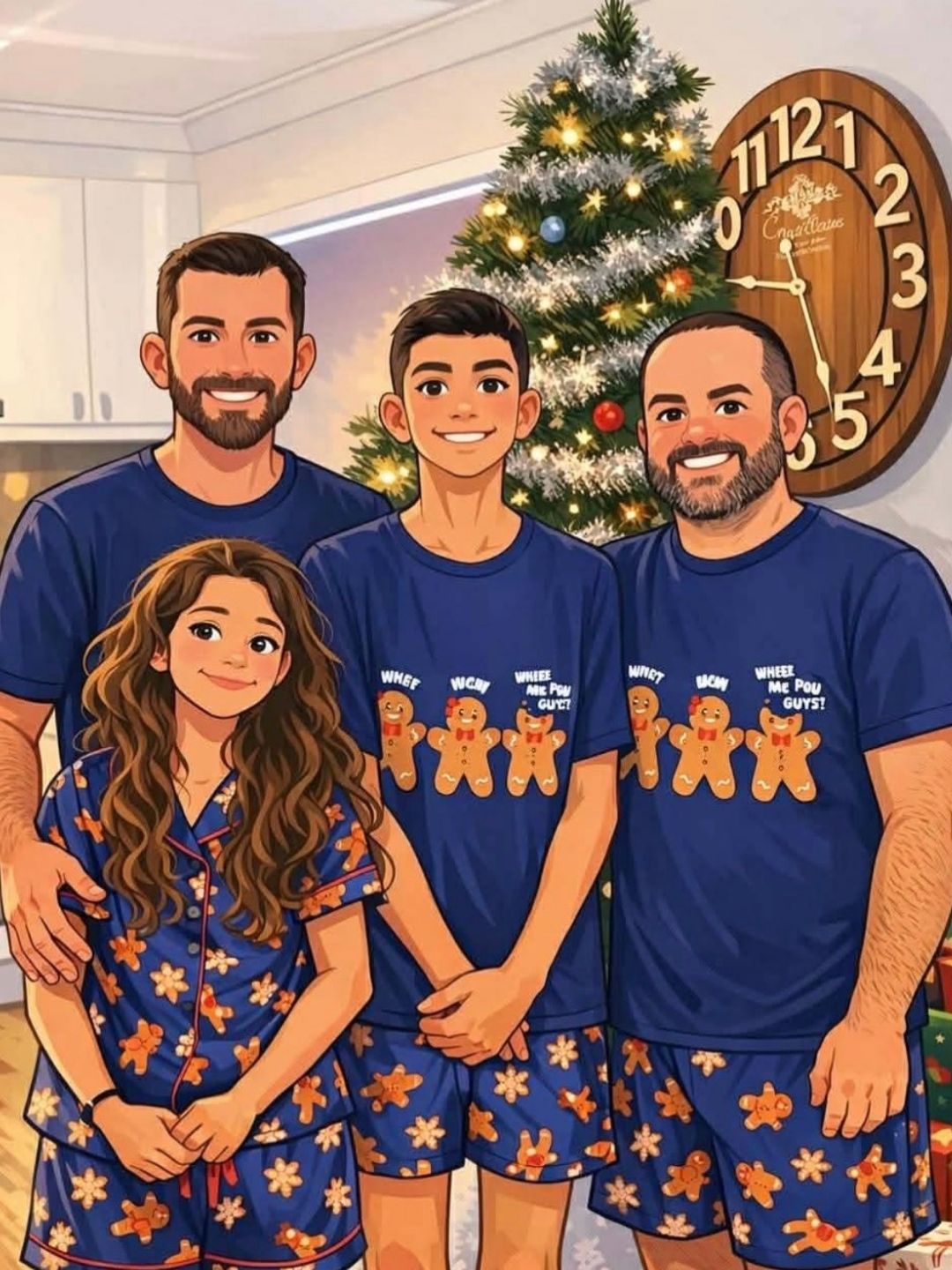
Herndon says he has found his own version of normal in his life with husband Alex Schwartz, describing a grounded domestic life filled with the ordinary things that once seemed out of reach.

There is something quietly powerful in that.

For queer people who grew up being told that their future could never look safe, stable, or loved, a life that feels ordinary can be its own kind of triumph.

That is part of what makes Herndon’s story resonate now.

Not because it is dramatic, but because it speaks to the long shadow of shame and the equally long process of stepping out from under it.

And for a country artist whose career began in a world that was not exactly known for embracing queer openness, the fact that he can now say “I can finally breathe” feels significant.

What Mattered Most: A Memoir can be pre-ordered now (we may receive a small commission if you order through the link).

It is set for release on March 31, and it sounds less like a comeback story than a reconciliation story.

Sometimes that is the more meaningful one.

Leigh Ryswyk’s decision to come out marks a historic first for AFL and a revealing moment for men’s sport

0

It has taken well over a century of professional men’s Australian rules football for this moment to arrive.

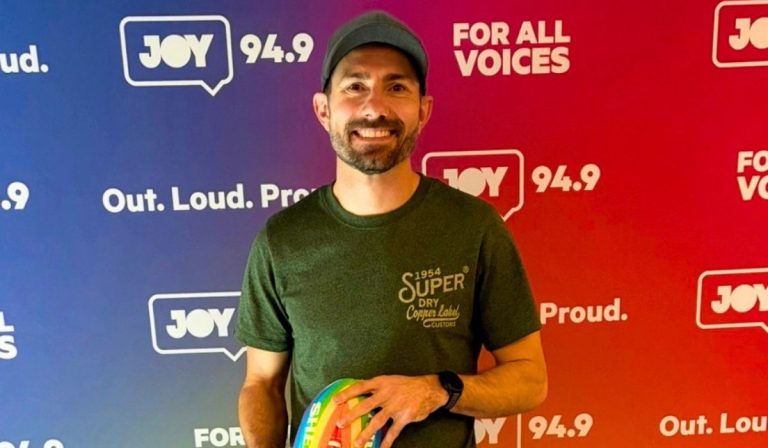
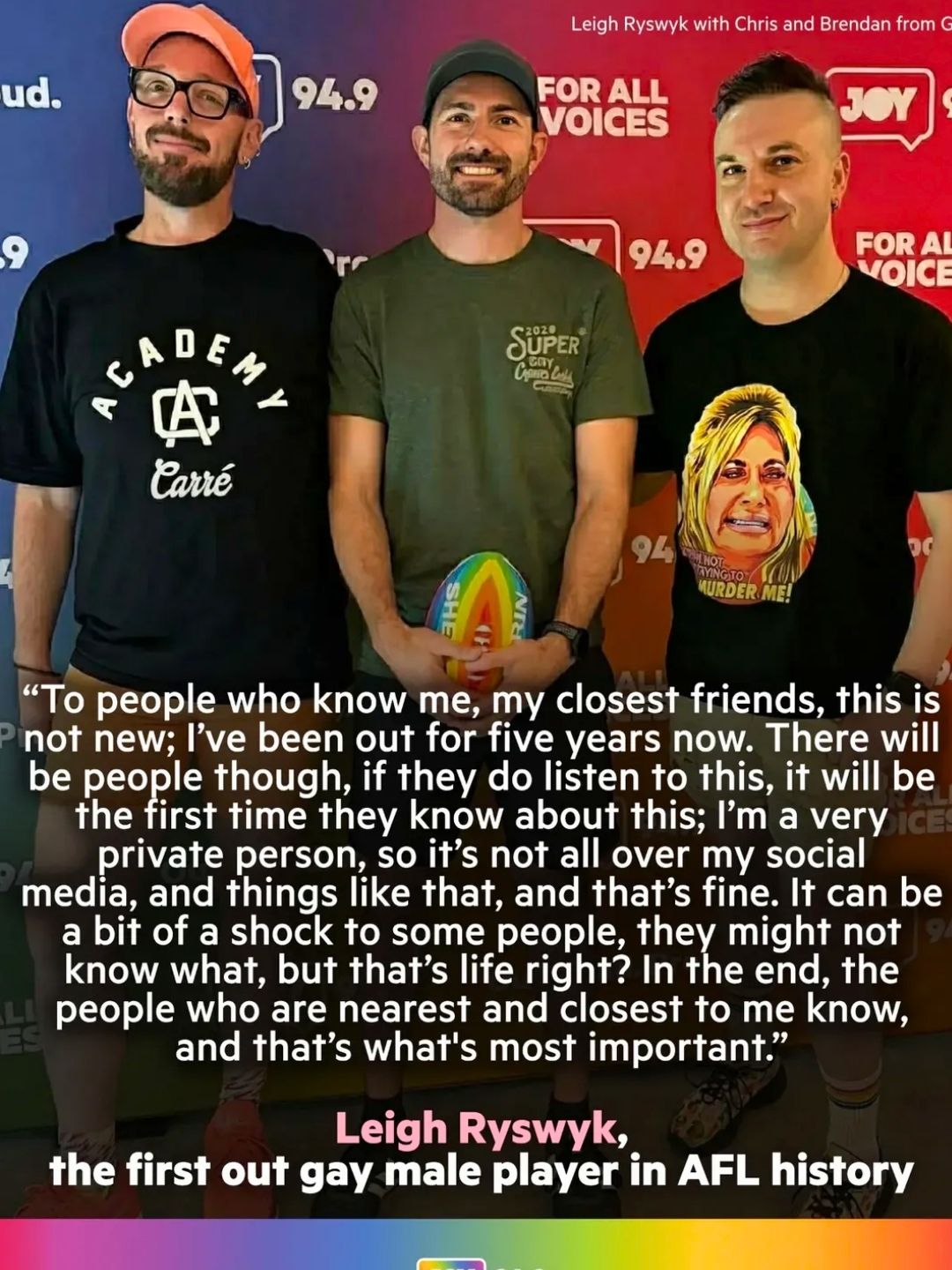
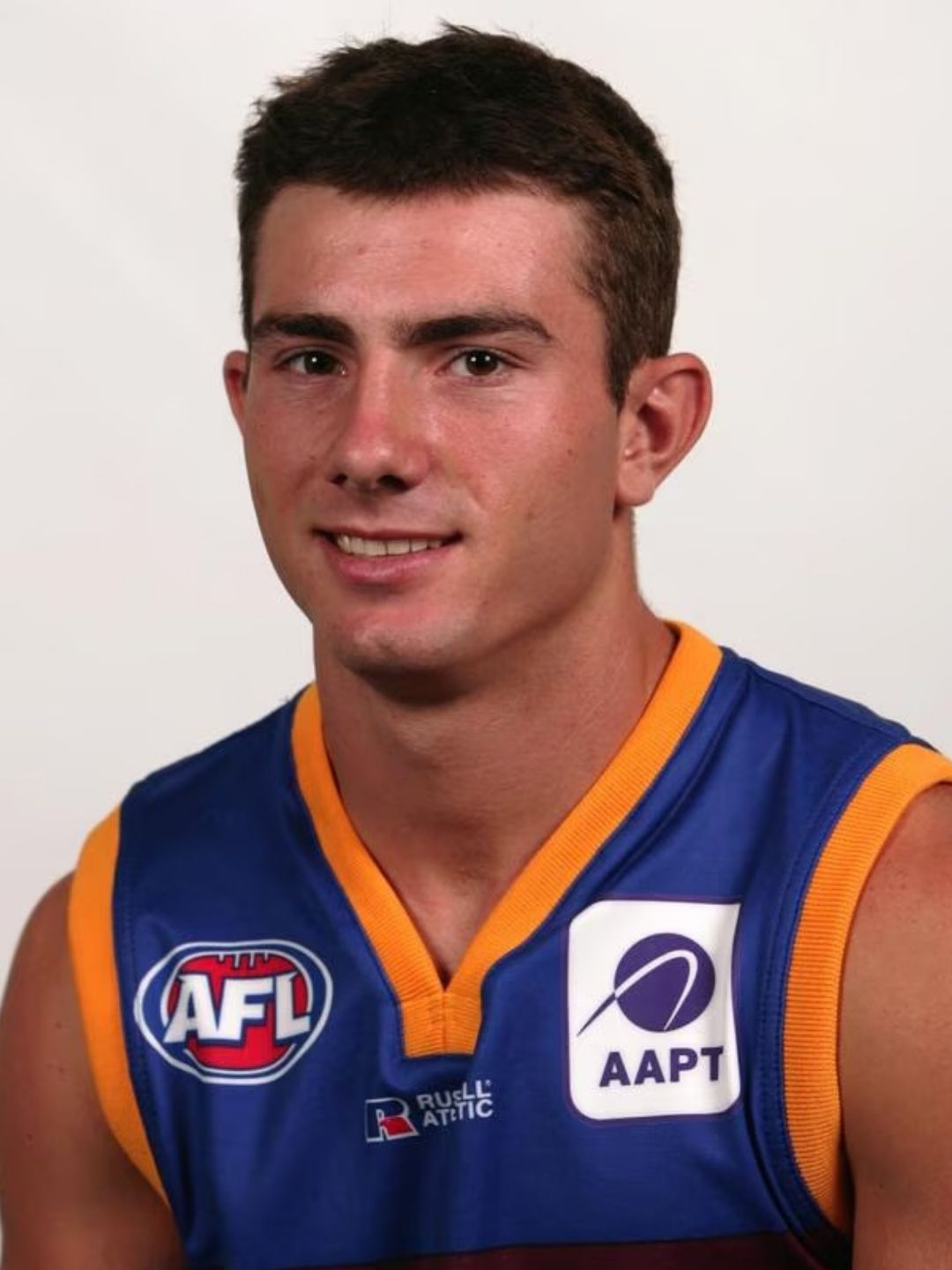
Former Brisbane Lions player Leigh Ryswyk has publicly come out as gay, becoming the first past or present male AFL player to do so.

That fact alone makes the story historic.

But what gives it more emotional weight is how ordinary and measured Ryswyk’s own perspective seems to be.

He did not present his announcement as a grand campaign or a dramatic personal reinvention.

Instead, he spoke with the kind of calm honesty that often makes these moments land even harder.

During his interview on Joy 94.9’s GayFL, Ryswyk explained that for the people closest to him, this was not new information at all.

He had already been out privately for around five years.

That detail says a lot.

It reminds us that the absence of openly gay men in elite football has never meant gay players do not exist.

It has usually meant something else.

It has meant that the culture around the sport has not felt safe, easy, or normal enough for people to live openly while inside it.

Ryswyk knows that world from the inside.

He played one AFL game for the Brisbane Lions in 2005 after being drafted as a rookie out of Southport, and he later built a far bigger and more decorated career in the SANFL with North Adelaide.

There, he played more than 200 matches, won a premiership in 2018, and became a respected figure in South Australian football.

That matters because this is not a story about someone only loosely connected to the game.

This is a footballer with a real career, real standing, and a long relationship with the sport.

It also makes the milestone harder to dismiss.

If someone with that level of experience is still the first openly gay male AFL player in 2026, then the sport clearly still has work to do.

Ryswyk himself has pointed to crowd behaviour and the pressures of football culture as reasons why coming out during his playing days did not feel realistic.

That part of the story feels especially important.

It shifts the conversation away from individual courage alone and toward the environment that shaped the silence in the first place.

Men’s team sports have spent years talking about inclusion, and some of that progress is real.

But coming out still carries a different charge in those spaces, especially in codes built around toughness, conformity, and traditional ideas of masculinity.

That is why moments like this still matter so much.

They are not only about one person choosing honesty.

They are also about exposing how unusual that honesty still is.

The response to Ryswyk’s announcement has been notably supportive.

The AFL, the Brisbane Lions, North Adelaide, and other figures across the sport have publicly praised him, while Ryswyk himself has said the reaction has been overwhelming in the best possible way.

That support is encouraging.

It suggests the game may be more ready for openness than many players once believed.

But the larger truth remains.

No one should have to wait until after their career to feel that kind of safety.

That is what makes this story feel both uplifting and quietly sobering at the same time.

Ryswyk’s decision does not just put his name in the history books.

It also puts a spotlight on how long this took, and why.

For younger players watching, that may be the most meaningful part.

The first public step has now been taken.

The hope, clearly, is that the second one does not take nearly as long.

📷 IG: @ joy949 / ryswyk32

Blue Film is already one of the year’s most talked-about queer films

Not every queer film arrives wrapped in uplift, romance, or easy applause.

Some arrive carrying discomfort from the very first scene.

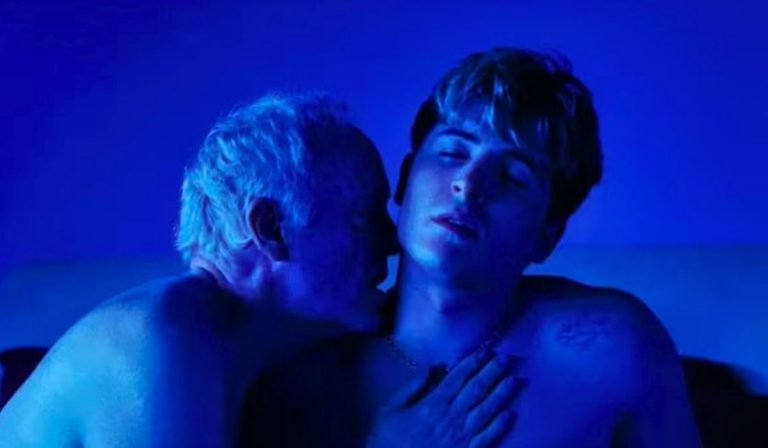
Blue Film, the new indie drama starring Kieron Moore and Reed Birney, clearly belongs in that second category.

Before many people have even had a chance to see it, the film has already built a reputation as one of the most provocative and divisive queer releases on the horizon, EW writes.

That reaction starts with the premise.

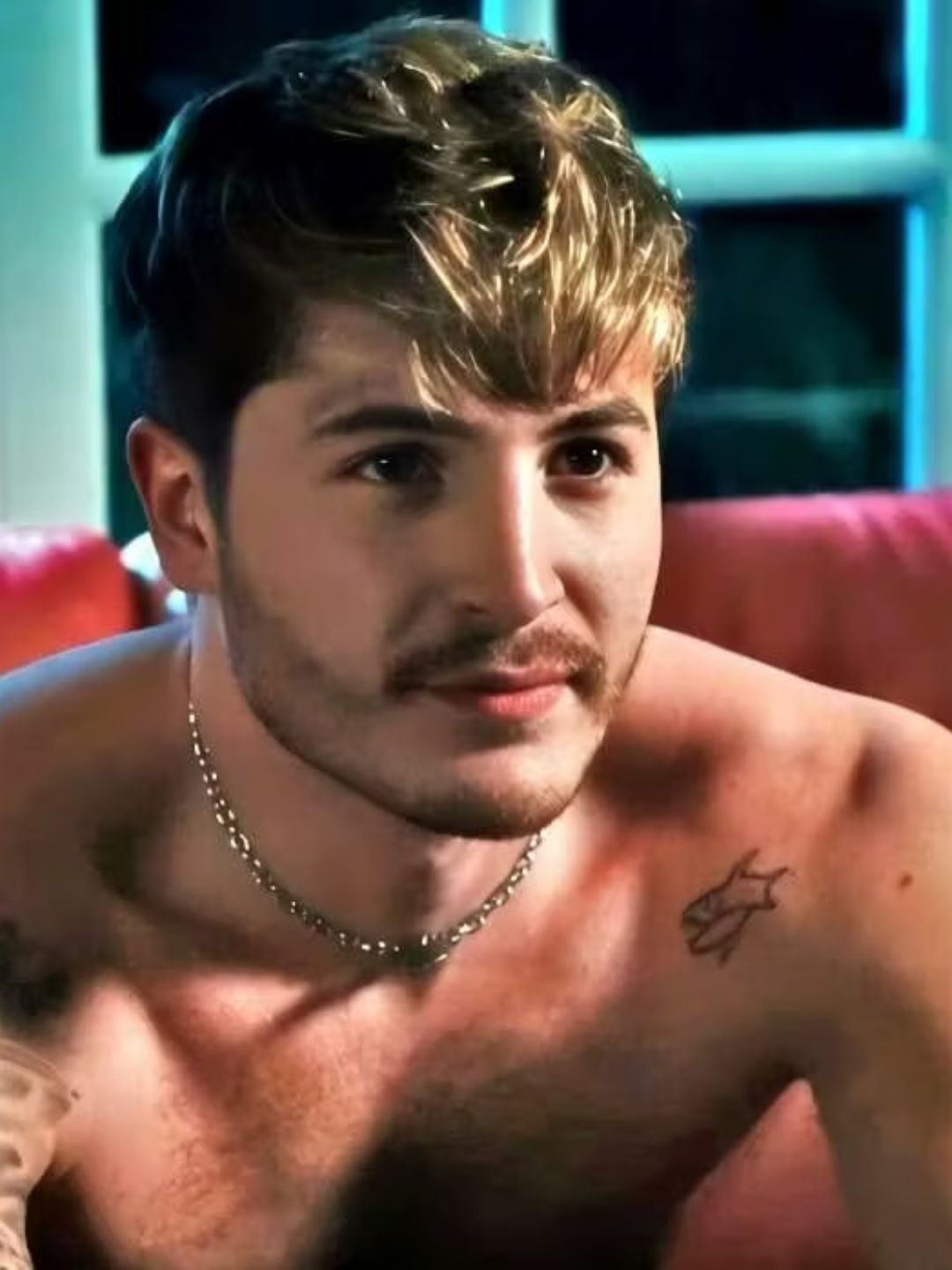
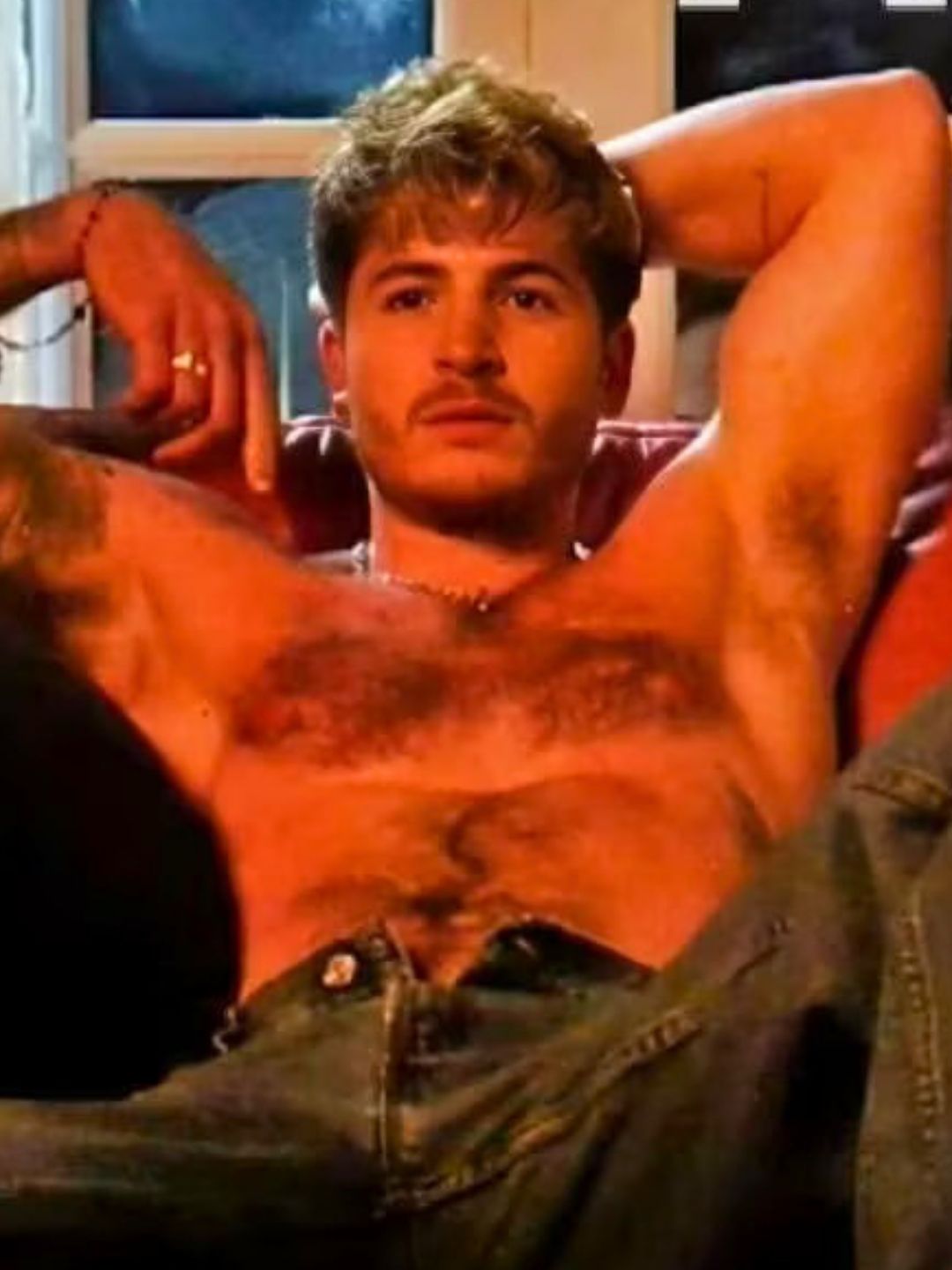
Moore plays Aaron Eagle, a gay camboy who agrees to spend the night with an older client.

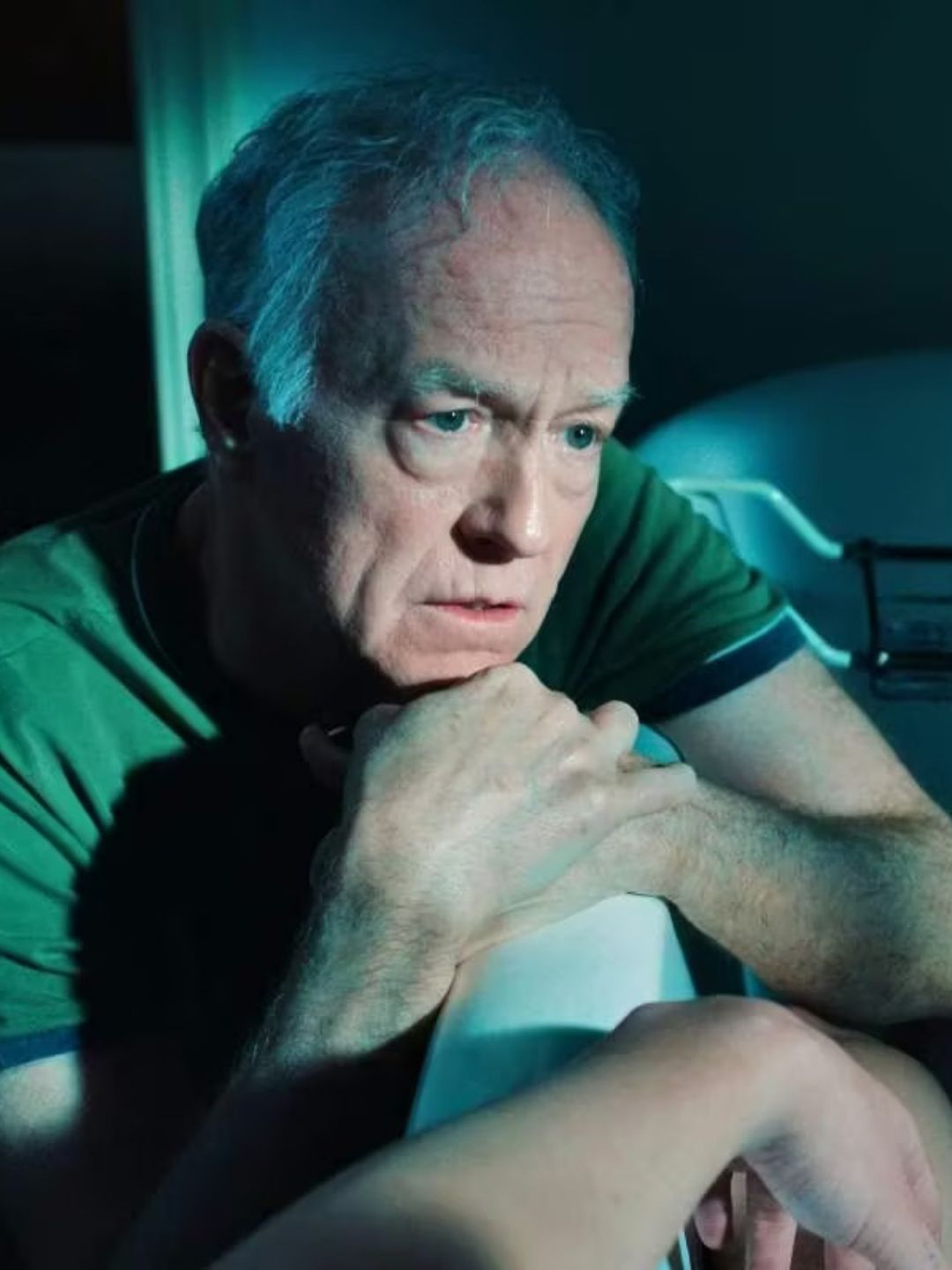
When he arrives, he realizes the man is Hank Grant, played by Birney, a former teacher from his past who had been fired years earlier after an attempted sexual assault involving another student.

That setup alone is enough to explain why Blue Film has struggled to find an easy path into the world.

According to recent coverage, the film was turned away by several major festivals and had difficulty securing distribution, with concerns repeatedly circling back to how audiences might respond to its taboo subject matter.

Even after it began screening, the response remained intense.

Some viewers reportedly walked out of early showings, while others praised the film for going somewhere most queer cinema, and most cinema generally, would rather avoid.

That tension is what makes the film interesting.

It is not simply controversial because it wants to shock.

Its makers seem to be aiming for something more difficult than that.

Rather than presenting itself as a sensational thriller or an exploitation piece, Blue Film has been described by the people behind it as a character study.

It is interested in memory, shame, power, desire, and the uneasy fact that human beings do not always fit into clean moral or emotional categories when they are forced to confront the past.

That does not make the material easier.

It may actually make it harder.

Films are often easier to process when they clearly tell audiences how to feel.

Blue Film appears more interested in leaving viewers inside ambiguity.

Reed Birney has acknowledged that it was probably unrealistic to think a film like this would not provoke backlash.

That admission feels refreshingly honest.

This is not a project pretending to be misunderstood because audiences are too simple for it.

It knows exactly which nerves it is touching.

It simply seems to believe those nerves are worth touching anyway.

There is also something notable about the way the film has survived resistance.

At one point, director Elliot Tuttle reportedly thought it might never be released at all.

Instead, after festival rejections and uncertainty around distribution, the film eventually secured a release through Obscured Releasing.

It is now set to open in New York on May 8, followed by Los Angeles on May 15.

That trajectory gives the film an almost second narrative running beside the one on screen.

It has become a story about what kinds of queer films are considered acceptable, marketable, or safe enough for institutions to stand behind.

That question is worth asking.

Queer representation is often discussed as if more visibility automatically means more freedom, but that is not always true.

There are still clear boundaries around which stories get embraced and which ones get treated as too risky.

Blue Film seems to be pushing directly against those boundaries.

That does not mean everyone will admire it.

It does not even mean everyone should.

Some viewers will almost certainly find the premise too disturbing to engage with, and that reaction is understandable.

But films like this can still be culturally important because they test the edges of what queer cinema is allowed to be.

Not every queer story needs to comfort.

Not every queer film needs to be framed as healthy, healing, or affirming in a way that makes straight audiences feel at ease.

Sometimes the point is to unsettle.

Sometimes the point is to force a conversation that people would rather avoid.

And sometimes the most revealing thing about a film is not what happens inside it, but how nervous the industry becomes when it appears.

That may end up being part of Blue Film’s legacy.

Not just as a provocative drama starring Kieron Moore and Reed Birney, but as a reminder that queer cinema is still capable of making people squirm.

And for a medium that too often gets flattened into easy categories, that may be reason enough to pay attention.