
Jordan Firstman Goes From Gay Club Kid To Surprise Dad

0

Imagine living your fabulous gay New York party-promoter life and suddenly discovering you have a 10-year-old son.

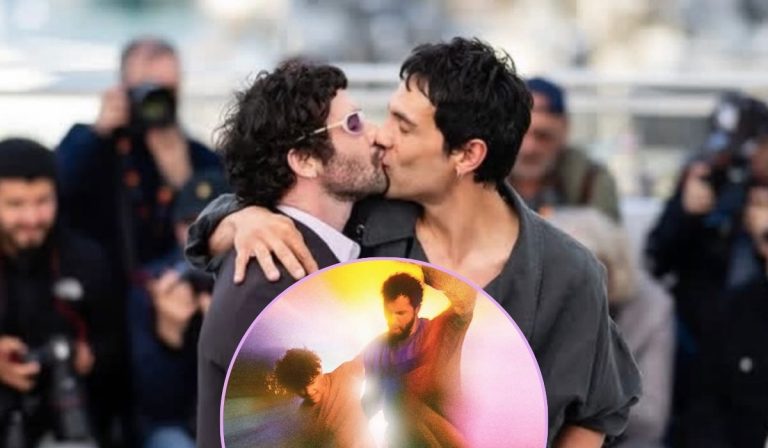
That is the wonderfully chaotic premise behind Club Kid, the new A24 comedy from Jordan Firstman.
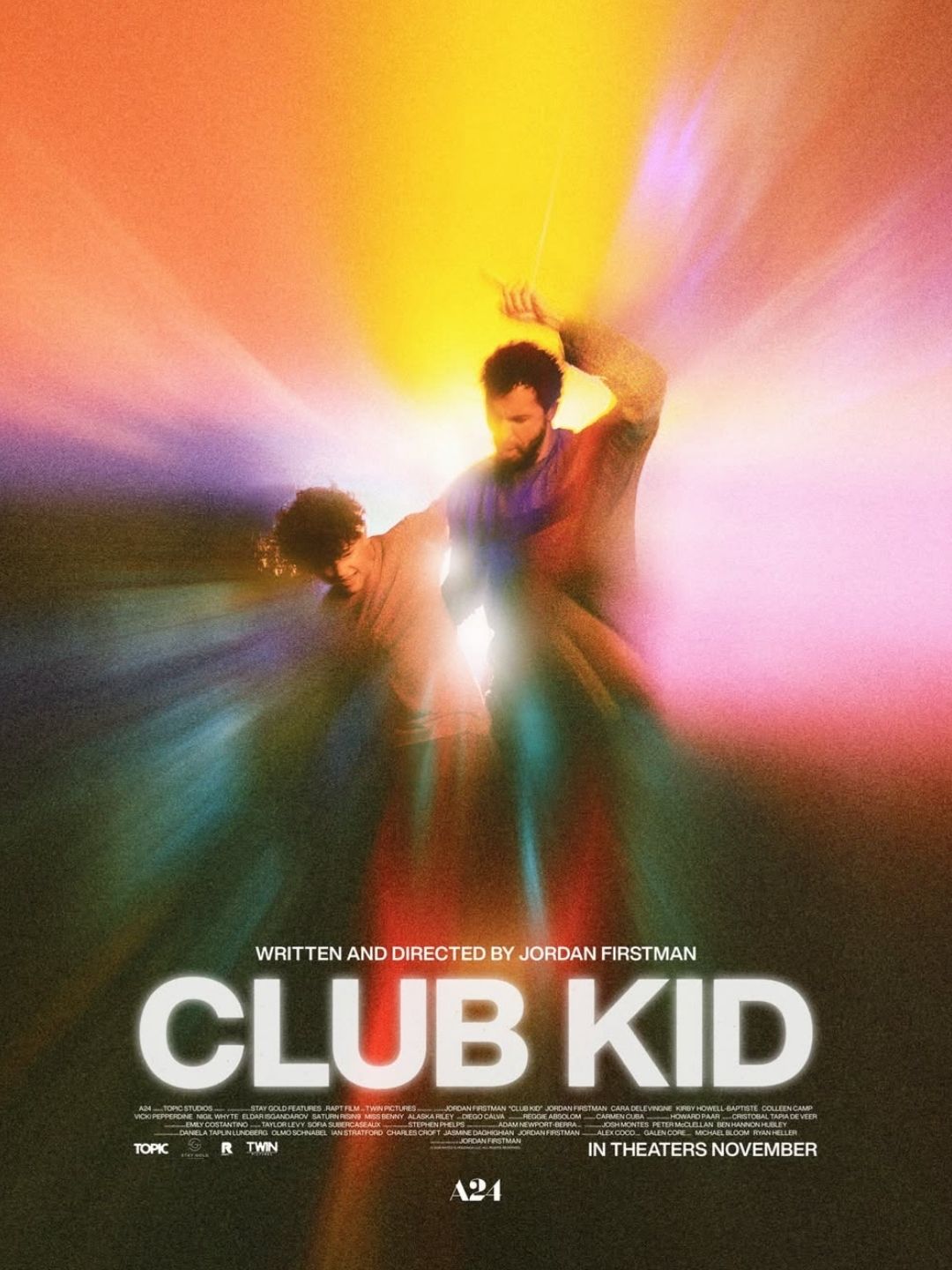
And judging by the newly released first trailer, surprise fatherhood is not going to turn this particular club kid into a suburban dad overnight.

Gay Nightlife Meets Dad Life

Firstman plays Peter, a hard-partying New York club promoter whose life revolves around nightlife, friends and the kind of decisions that probably make more sense at 3 a.m.

Then a 10-year-old boy named Lucas, played by Reggie Absolom, unexpectedly enters his life.

Lucas is the son Peter never knew he had.

Suddenly, a man who has built his life around queer nightlife has to figure out what being somebody’s father is supposed to look like.

The answer, at least initially, appears to involve bringing the kid directly into Peter’s existing world rather than immediately transforming Peter into somebody else.

That gives Club Kid a premise that is very funny on the surface.

But the trailer also suggests something considerably sweeter underneath all the chaos.

Peter already has a community around him.

Now that community may have to make room for a 10-year-old too.

Jordan Firstman Does Almost Everything

Firstman isn’t simply the star of Club Kid.
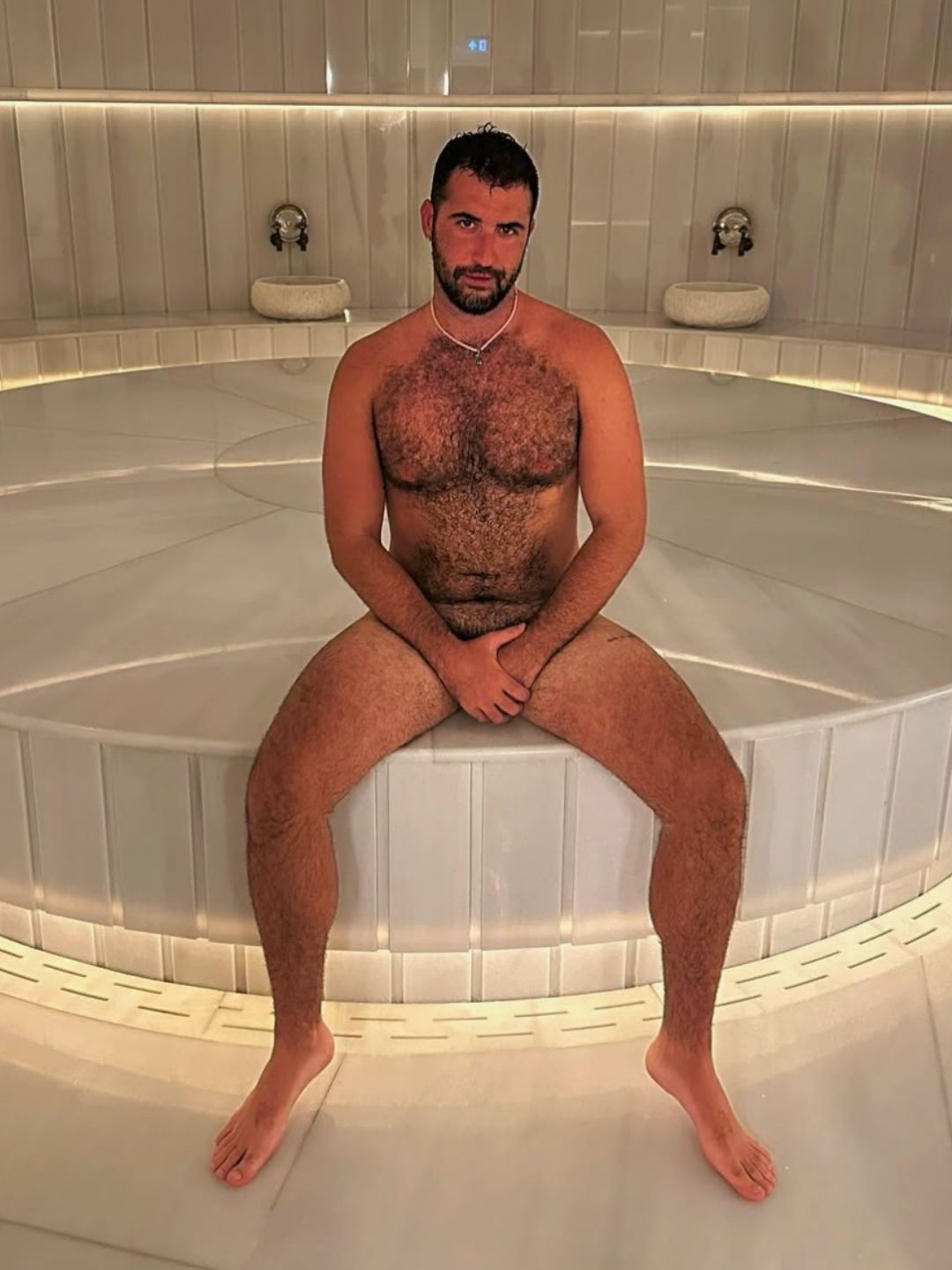
He also wrote and directed the movie, marking his feature directorial debut.

Firstman became widely known through his viral Instagram impressions before moving into increasingly prominent acting roles, including his memorable turn in the gay comedy Rotting in the Sun.

For Club Kid, however, he has assembled quite the supporting cast.

Diego Calva, Cara Delevingne, Kirby Howell-Baptiste and Colleen Camp all appear alongside Firstman and Absolom.
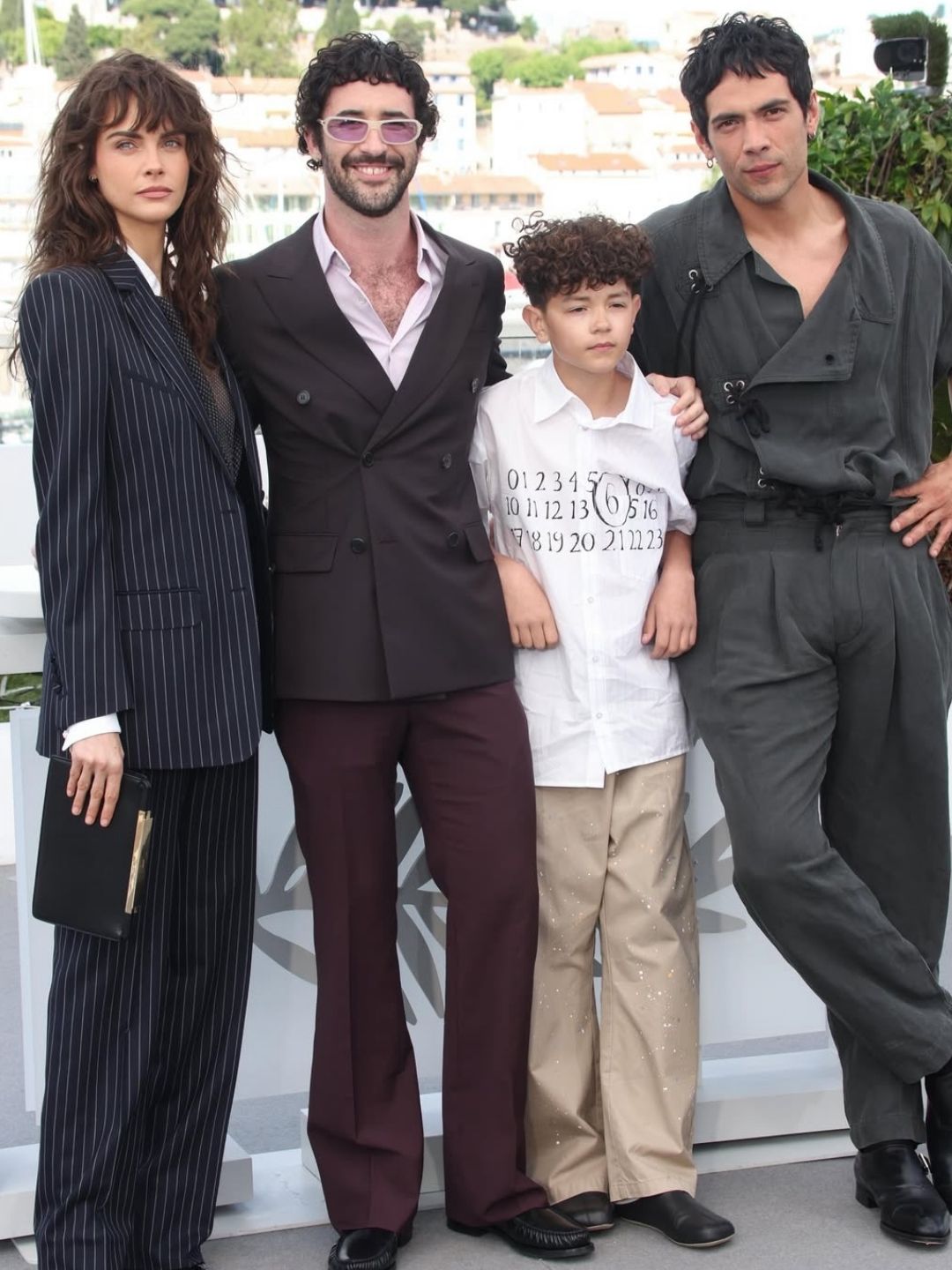
Yes, Diego Calva is involved.

We felt that deserved its own paragraph. 👀

There’s Something Sweeter Underneath The Party

Club Kid premiered in the Un Certain Regard section of the Cannes Film Festival in May, where its mix of outrageous comedy and unexpected tenderness earned strong early reviews.

That combination may be what makes the movie particularly interesting for queer audiences.

The setup could easily have become a simple fish-out-of-water comedy about an irresponsible gay party boy suddenly being forced to grow up.

But the more interesting possibility is that Peter doesn’t need to abandon his queer life in order to become a father.

Instead, fatherhood might expand his definition of family.

Queer people have spent generations creating families that don’t necessarily follow the conventional blueprint.

Friends become family.

Communities help raise and support one another.

And sometimes, apparently, a biological son unexpectedly walks straight into the middle of all of it.

From Club Kid To Dad?

The trailer doesn’t suggest Peter will become Father of the Year immediately.

Thank goodness, because that would be a much less entertaining movie. 😂

Instead, Club Kid appears interested in what happens when two completely different lives suddenly have to make room for each other.

Peter gets a son he never expected.

Lucas gets a father whose world looks nothing like the conventional family life he might have imagined.

And Peter’s fabulous queer circle may be getting its youngest new member yet.

Club Kid arrives in U.S. theaters November 6.

Gay nightlife, queer chosen family, unexpected fatherhood and Diego Calva?

Fine, A24.

You have our attention. 😂🌈❤️

📷 @a24 @jtfirstman

🎬 Prefer video? Subscribe to B-Gay on YouTube: https://youtube.com/@BGaycom
He Came Out As Bi. Everyone Else Came Out With Opinions.

0

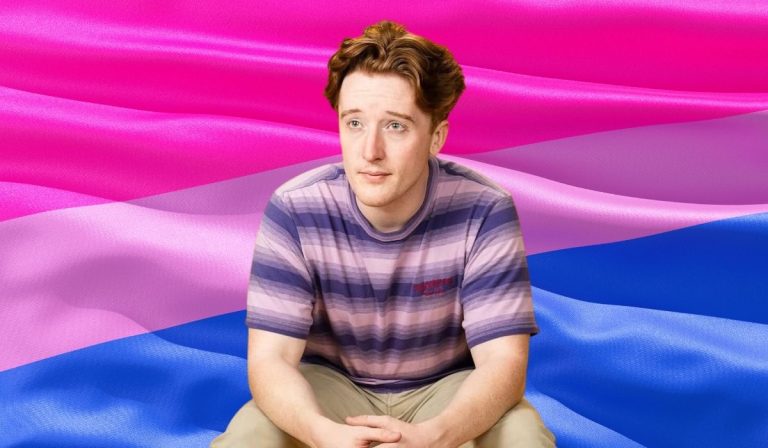
Apparently coming out as bisexual does not stop people wondering what your sexuality “really” is.

For comedian Maxx Eddy, it sometimes seems to encourage them.

“Being a bisexual man means everyone has a theory about your life, except you,” he writes in a new essay about coming out and discovering that the world still really likes people to pick a side (Queerty).

To some people, Maxx says, he is secretly gay.

To some LGBTQ+ men, he is basically straight.

And to a surprising number of people, being attracted to more than one gender apparently means he is destined to cheat on whoever he dates.

Coming out, he discovered, did not necessarily make his sexuality easier for other people to understand.

It simply gave them permission to tell him what they thought it meant.

Growing Up With Two Options

Maxx says that when he was younger, sexuality seemed to come with two rigid categories.

Gay men behaved one way.

Straight men behaved another.

Because he did not recognize himself in the gay stereotypes he had absorbed, he assumed he must be straight.

There were, admittedly, a few clues that things might be slightly more complicated.

One of them involved repeatedly Googling shirtless photos of Orlando Bloom.

Several times a week.

“Love your work, bud,” he jokes now. 😂

A religious upbringing added another layer of anxiety, and Maxx describes entering relationships with women while worrying that something about him would eventually give him away.

Coming Out Didn’t End The Questions

When Maxx eventually came out as bisexual, he expected some kind of clarity.

Instead, new assumptions appeared.

One former girlfriend initially accepted his sexuality but later became worried that he would cheat on her with a man.

For Maxx, that fear reflected one of the stereotypes bisexual people encounter repeatedly: the idea that attraction to more than one gender somehow makes monogamy impossible.

Then there is the assumption that bisexuality is merely a stop on the road to another identity.

A bisexual man dating a woman can be treated as practically straight.

The same man dating another man can suddenly be assumed to have finally admitted he was gay all along.

Neither leaves much room for the possibility that he meant exactly what he said when he called himself bisexual.

“You’re Just Going Through A Phase”

These days, Maxx seems considerably more comfortable letting other people be confused.

His comedy regularly explores bisexuality, masculinity and the expectations attached to both.

He is currently performing his debut one-man show Bi Meets World at the Edinburgh Fringe Festival, where the official description rather wonderfully introduces him as a man who has spent his life trying to become an alpha male despite being “wimpy and bisexual.”

And when someone tells him they cannot understand how a person could genuinely be attracted to more than one gender?

Maxx now has an answer.

“It’s OK,” he tells them.

“You’re just going through a phase.”

Sometimes the best response to somebody questioning your sexuality is simply to question theirs right back. 😂

📷 @maxxeddy

🎬 Prefer video? Subscribe to B-Gay on YouTube: https://youtube.com/@BGaycom
He Was Closeted. Then Teen Wolf Cast Him As Gay.

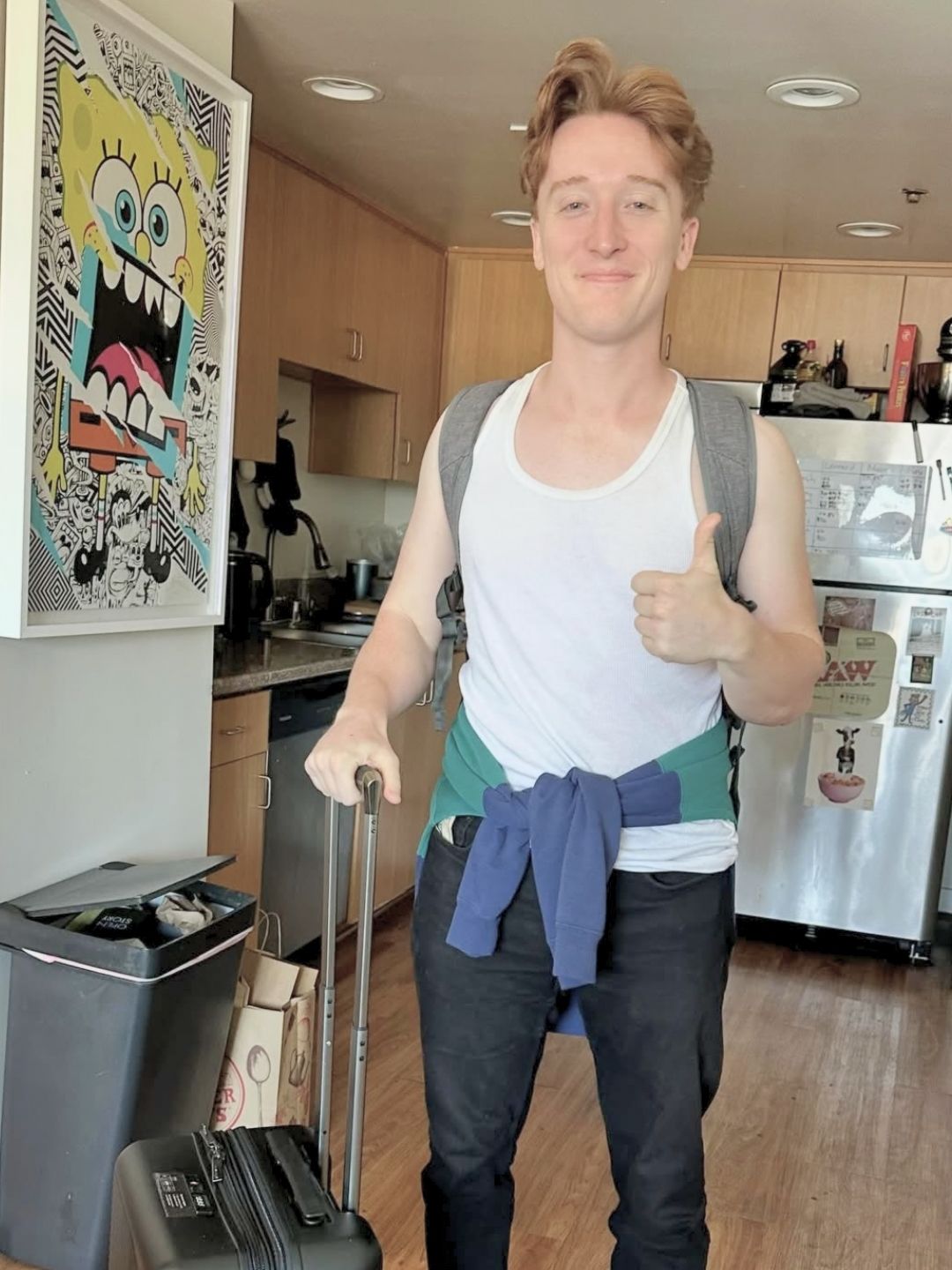
Michael Johnston was 19 years old, newly arrived in Los Angeles and still struggling to understand his own sexuality.

Then one of his first major acting jobs asked him to play a gay teenager.

Johnston, now enjoying a new wave of attention thanks to the hit psychological thriller Obsession, has been looking back at what that moment actually felt like.

His answer is simple.

“Terrifying.”

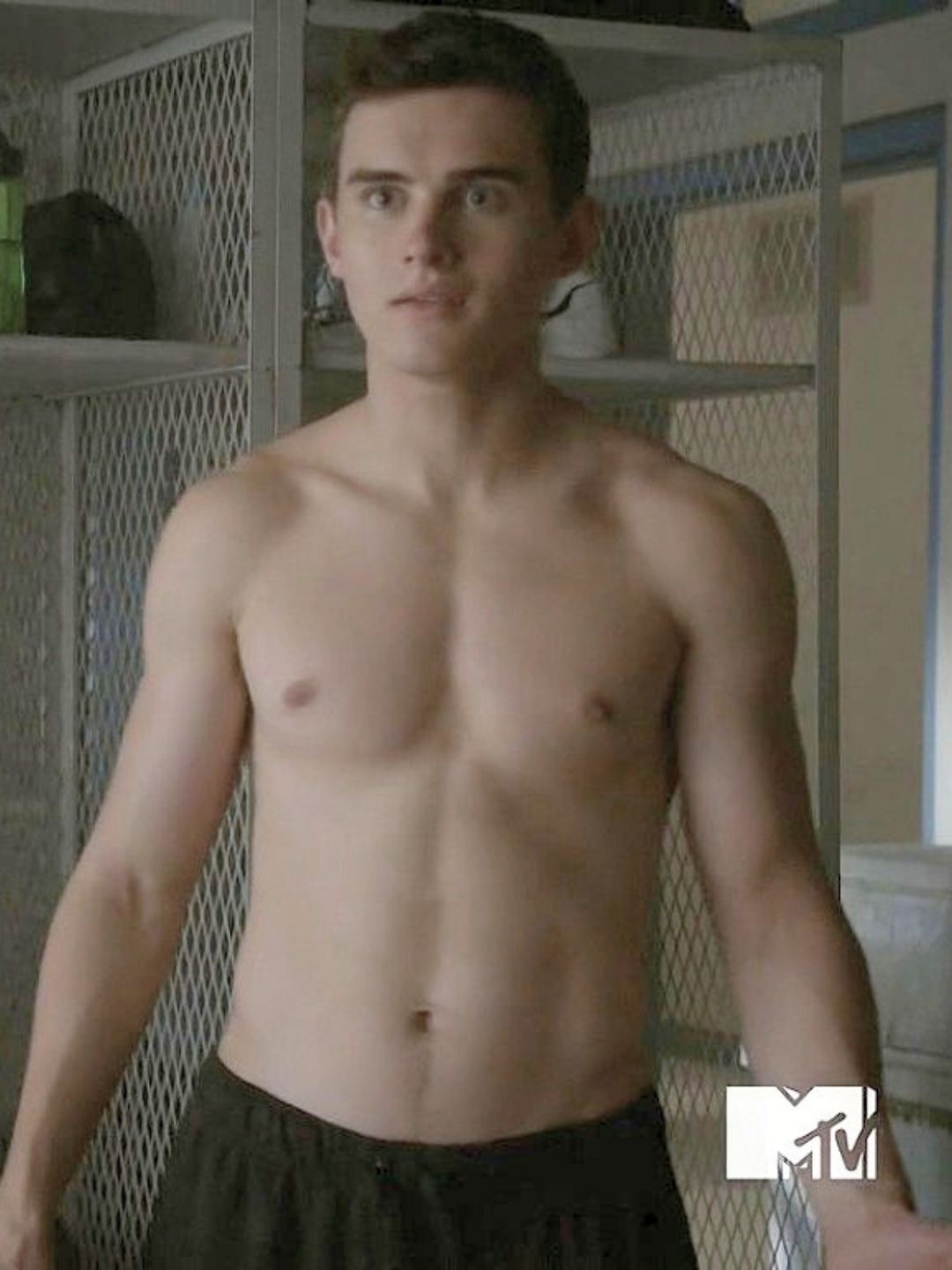
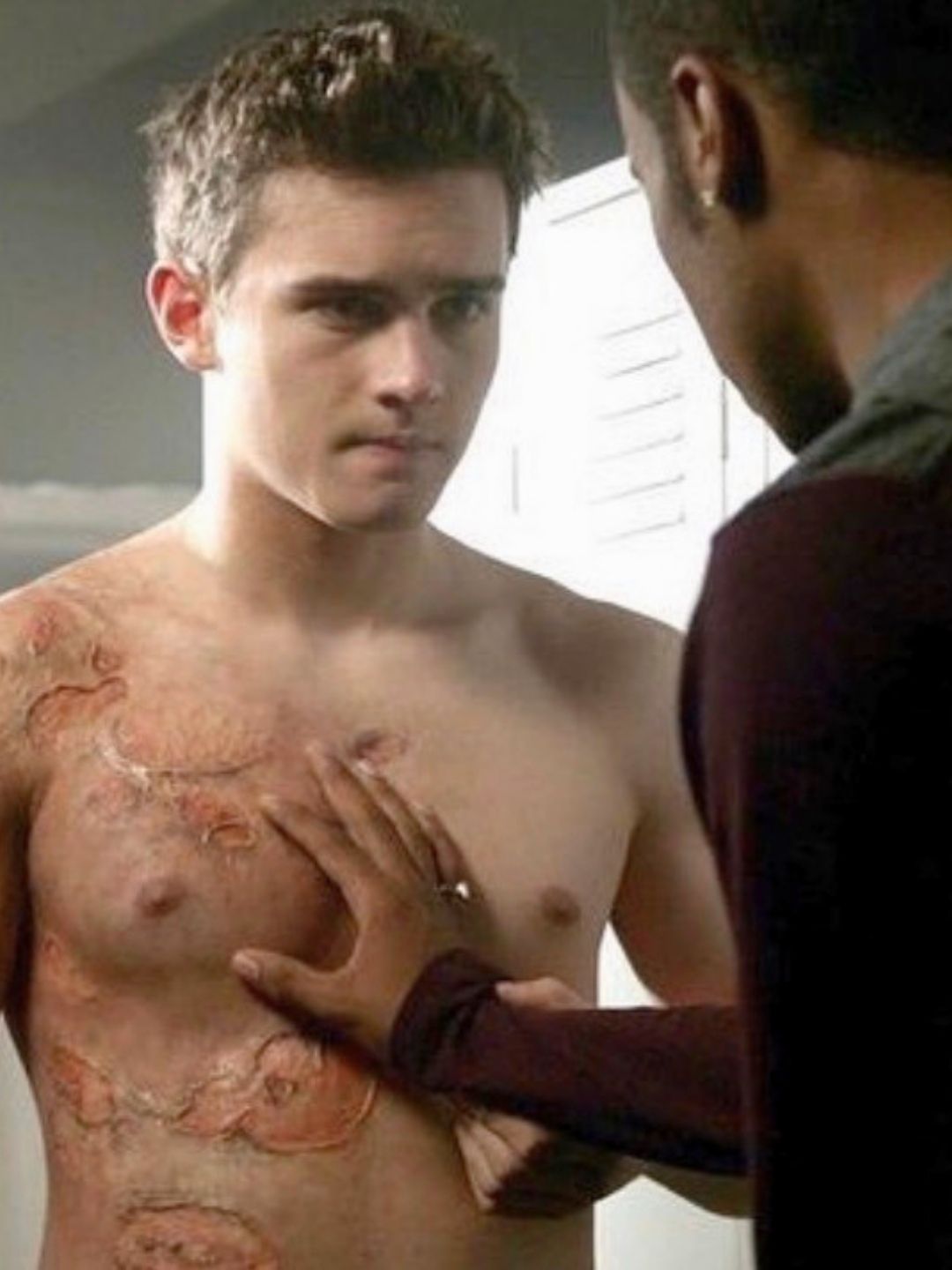
Johnston grew up in North Carolina and says he was still in “complete and utter denial” about being gay when he landed the role of Corey Bryant on MTV’s Teen Wolf in 2015.

“I grew up in the South,” he recently told Cosmopolitan.

“So it was really scary.”

Playing A Gay Teen Before He Was Ready To Be Out

Corey entered Teen Wolf as a gay high-school student who later became romantically involved with Mason, played by Khylin Rhambo.

At the time, Johnston praised the series for treating queer relationships as naturally as straight ones.

But privately, the experience was considerably more complicated.

Johnston says he was still coming out to himself and to the people around him while filming the role.

That does not mean Teen Wolf forced him out.

Rather, playing Corey happened during a period when Johnston was already beginning to confront something he had spent years avoiding.

And doing that while portraying an openly gay teenager on a popular television series understandably came with pressure.

Then The Messages Started Arriving

What Johnston did not expect was how much Corey would mean to viewers.

He has said that over the years he received thousands of messages from queer fans who told him the character helped them feel better about themselves.

Some said seeing Corey helped them come out to their own parents.

For Johnston, that transformed the role from something frightening into something deeply meaningful.

He has said that he had no idea simply playing the character honestly could have that kind of impact.

Now, looking back, Johnston says he is proud of the part and proud of who he became.

Ten Years Later

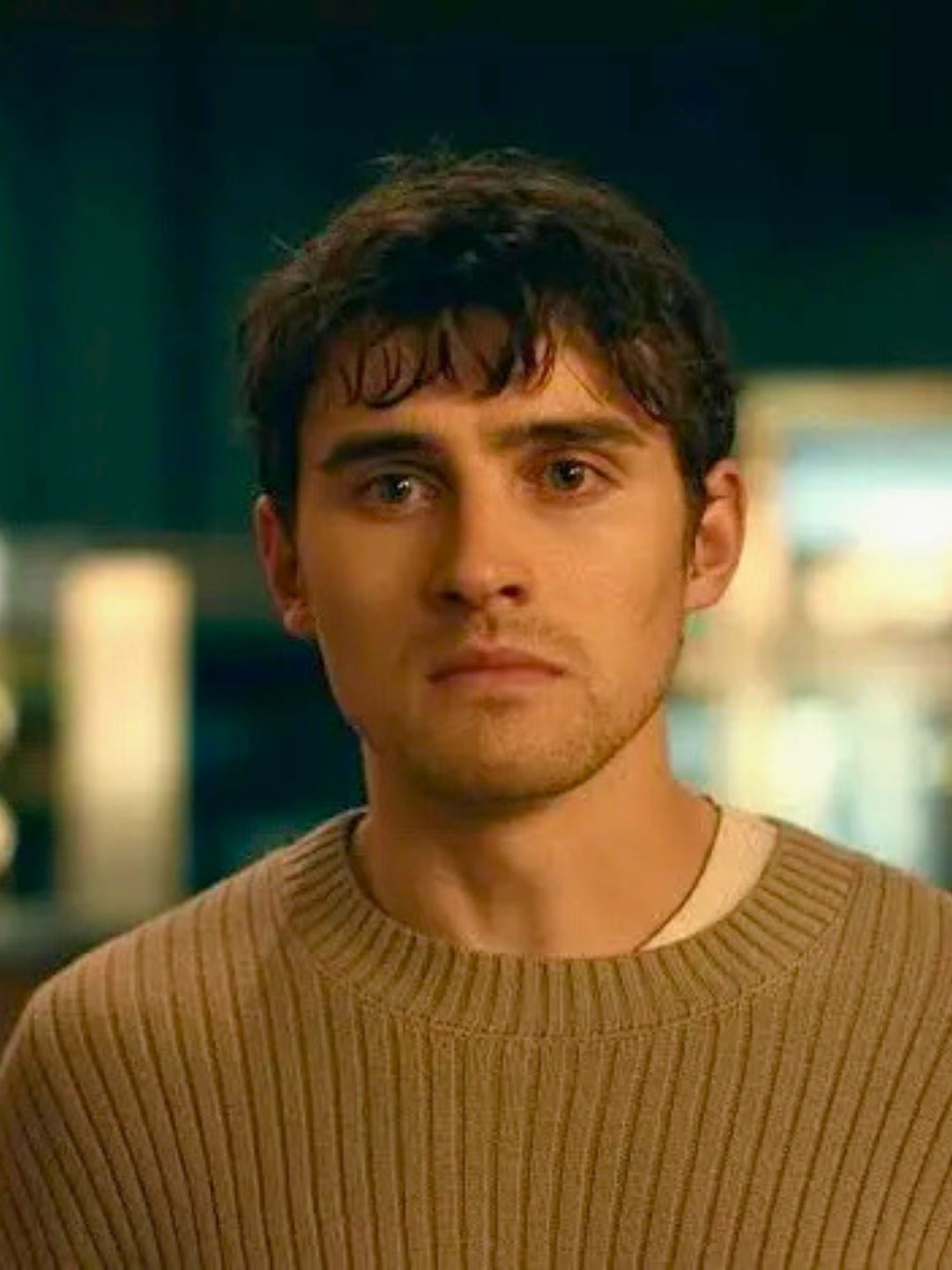
Johnston is now 30 and starring as Bear in Obsession, Curry Barker’s supernatural psychological thriller about a young man whose wish to make his crush fall in love with him goes very, very wrong.

The film is not a queer story, and Bear is straight.

But Johnston himself is openly gay and has said he would like to play another queer role in the future — particularly one where sexuality is simply one meaningful part of a fully realized character.

That perspective feels especially interesting given where his career began.

At 19, playing a gay role frightened him.

Today, he is actively hoping for another one.

And Then There’s Troye Sivan 😂

Because no coming-of-age story is complete without one slightly ridiculous final chapter.

During a recent Cosmopolitan interview, Johnston was asked about the wildest direct message he had received since Obsession put him back in the spotlight.

His answer?

Troye Sivan.

Johnston said Troye replied “need” to an Instagram Story featuring his coffee.

That is all we know.

We are not turning one word and a caffeine beverage into a celebrity romance. 😂

But when Johnston was asked what he would say back, his answer was essentially an invitation to get coffee.

Which feels like a rather delightful place to leave things.

At 19, Michael Johnston was terrified to play gay because he was not yet comfortable being gay himself.

A decade later, he is openly discussing the experience, proud of the viewers Corey helped — and apparently available for coffee with Troye Sivan.

Life does occasionally write better arcs than television. ❤️

📷 @themichaeljohnston / @primevideo / @mtv

🎬 Prefer video? Subscribe to B-Gay on YouTube: https://youtube.com/@BGaycom
Andrew Rannells Thought He Was Getting a “Showmance.” He Got Tuc Watkins.

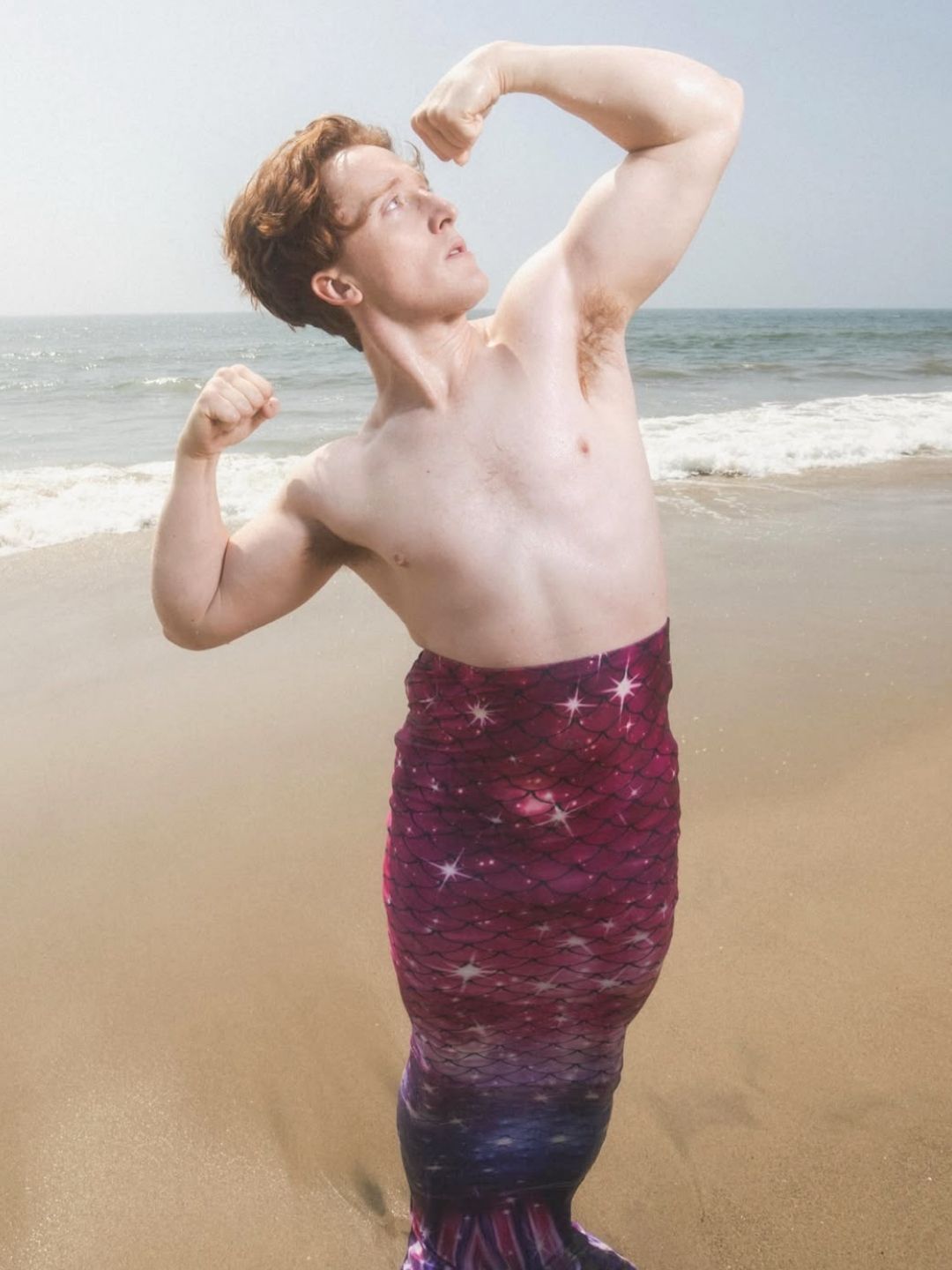
Andrew Rannells apparently knew there might be trouble almost immediately.

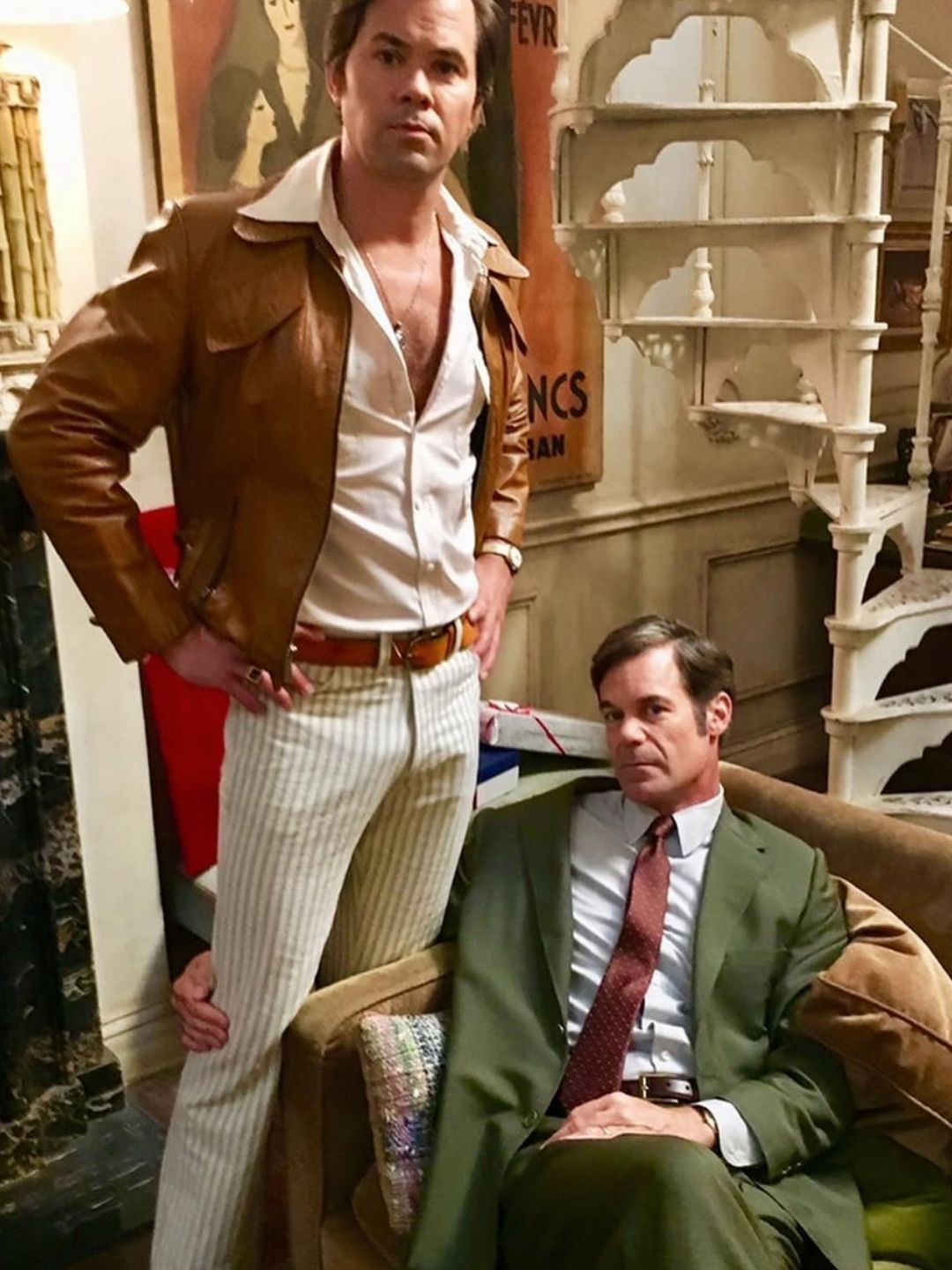
It was 2018, and Rannells had been cast opposite Tuc Watkins in the Broadway revival of Mart Crowley’s landmark gay play The Boys in the Band.

The two actors would be playing Larry and Hank, a couple whose relationship was considerably more complicated than the one the actors themselves were about to develop.

During an early photoshoot, Rannells found himself standing next to Watkins (Guardian).

He remembers looking at him and thinking: “Ah, fuck. This is going to happen, isn’t it?”

“We’re going to be those two actors who have a showmance.”

He was right.

He just underestimated how long the showmance would last. ❤️

Playing Boyfriends Eight Shows A Week

The Boys in the Band was already an extraordinary project.

The 2018 production marked the 50th anniversary of Crowley’s groundbreaking 1968 play and featured a principal cast of openly gay actors including Rannells, Watkins, Jim Parsons, Zachary Quinto, Matt Bomer, Robin de Jesús and Charlie Carver.

Rannells played Larry opposite Watkins as Hank.

Their characters were a couple struggling with sex, monogamy and commitment.

And performing that relationship eight times a week created rather a lot of opportunities for the two actors to get to know each other.

Watkins later recalled that they would spend part of each performance secluded together in an intimate area of the set.

They talked.

They cuddled as their characters.

They occasionally napped.

And, because the job required it, they kissed.

“Yep, the first time we kissed was because of our job,” Rannells later joked.

By late in the Broadway run, something had changed.

The two men had started dating.

When The Showmance Didn’t End With The Show

Rannells and Watkins didn’t immediately turn their new relationship into a public celebrity romance.

But eventually keeping their happiness entirely to themselves became difficult.

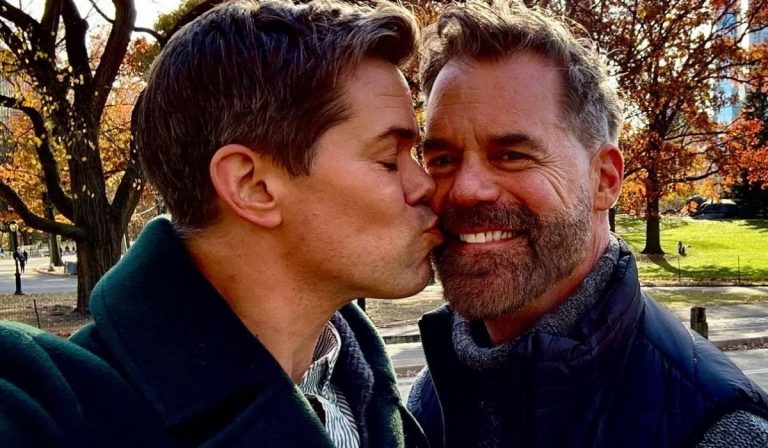
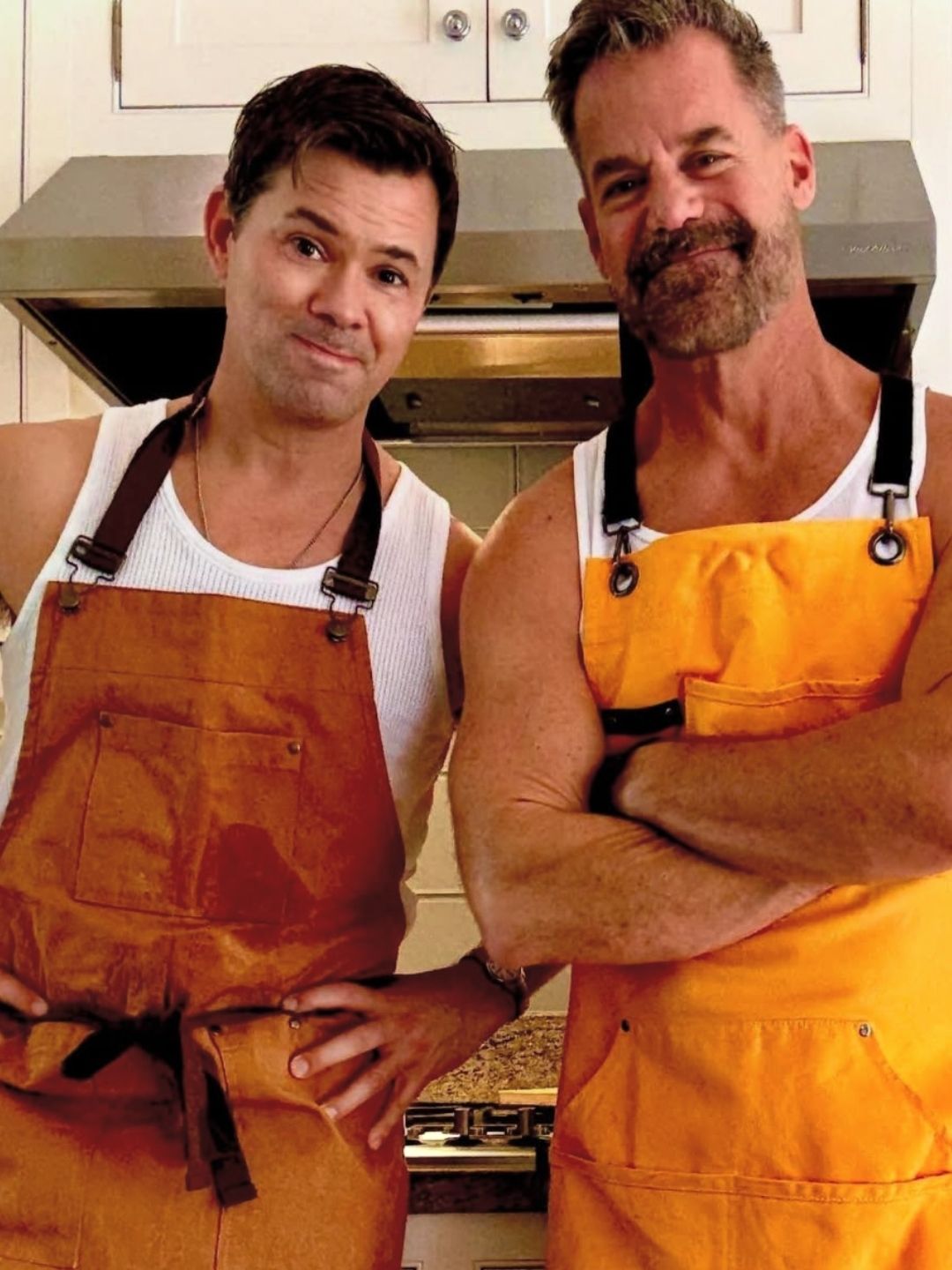
In 2019, they separately made their relationship Instagram official.

Watkins posted a black-and-white photograph of them together with a particularly lovely explanation.

“It’s hard to hide @andrewrannells,” he wrote.

“He’s 6’2” and shines brightly.”

By then, what Rannells had jokingly predicted as a Broadway showmance had clearly become something considerably more serious.

They even returned to where everything started.

In 2020, Rannells and Watkins reprised Larry and Hank for Netflix’s film adaptation of The Boys in the Band.

This time they weren’t simply two actors pretending to be a couple.

They were a real couple pretending to be a much more dysfunctional one.

“Falling in love with someone in real life while you’re playing sort of a bickering couple, it’s a very strange experience,” Rannells said at the time.

Eight Years Later

Rannells is looking back at that relationship again in a new interview with The Guardian, published as he promotes his new film Miss You, Love You.

The interview covers considerably more than romance.

He talks about coming out, losing his father, getting older, his friendships and the way his own experiences have shaped his work.

But tucked inside is the reminder that the Broadway showmance he saw coming back in 2018 never really ended.

Watkins offered his own update on their life together last year.

“I’m really happy in my relationship,” he said.

“I love my partner. My kids love my partner.”

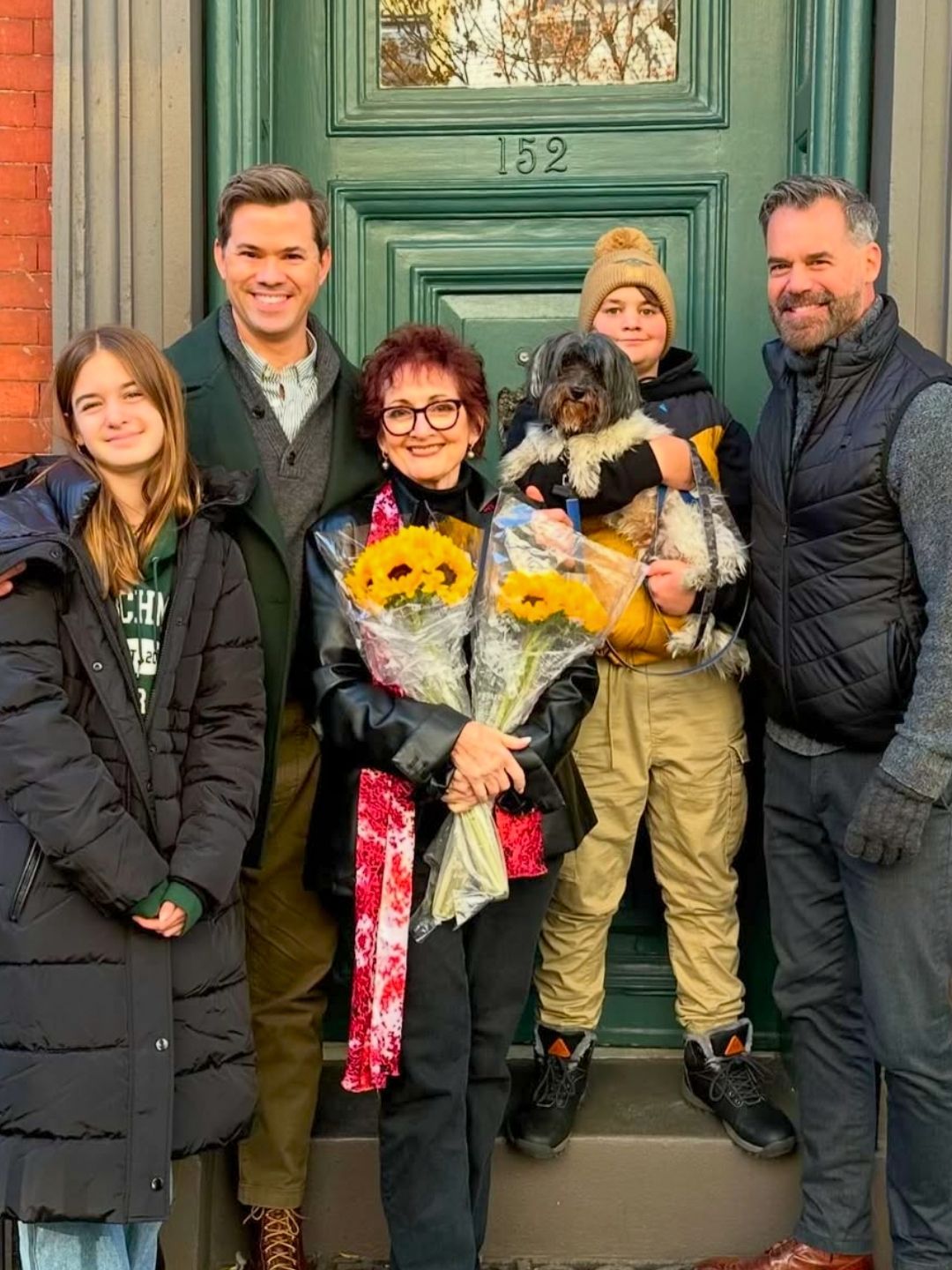
Watkins is the father of twins, and over the years Rannells has become part of their family life too.

It makes their origin story feel even sweeter in retrospect.

Two openly gay actors were cast as boyfriends in a landmark gay play.

They flirted.

They kissed because the script told them to.

They started holding hands at curtain call for perhaps just a little longer than necessary.

And somewhere along the way, acting stopped being acting.

Andrew Rannells got his Broadway showmance.

He just happened to get a love story with it. ❤️

📷 @andrewrannells / @tucwatkins

🎬 Prefer video? Subscribe to B-Gay on YouTube: https://youtube.com/@BGaycom
A Record 12% of U.S. Adults Now Identify as LGBTQ+

The LGBTQ+ community in the United States is considerably bigger than many people probably realize.

A new analysis released by the Human Rights Campaign Foundation estimates that a record-high 12% of American adults now identify as LGBTQ+.

That works out to roughly one in every eight adults.

And perhaps even more strikingly, the numbers are not confined to California, New York or a handful of famously LGBTQ+-friendly places.

According to HRC’s analysis of U.S. Census Bureau data, LGBTQ+ adults now represent more than 10% of the population in 40 of America’s 50 states.

Queer America Is Everywhere

The state-level numbers challenge the familiar idea that LGBTQ+ America primarily exists in a few coastal cities and gay neighborhoods.

HRC estimates that LGBTQ+ adults account for 13.3% of adults in Arizona, 12.5% in Texas, 11.5% in Georgia, 11.1% in Pennsylvania and 11% in Michigan.

Those are very different states politically, culturally and geographically.

But each contains a substantial LGBTQ+ population.

That is perhaps the simplest takeaway from the new numbers.

Queer people are not somewhere else.

They are already part of virtually every American community.

Why 12% Matters

The figure comes from an HRC Foundation analysis of data collected by the U.S. Census Bureau’s Household Pulse survey program.

It should therefore be described as HRC’s estimate based on federal data rather than as an official Census declaration that exactly 12% of Americans are LGBTQ+.

Surveys of sexual orientation and gender identity can produce different estimates depending on how questions are asked, which identities are included and who feels comfortable answering them.

But the broader direction has appeared repeatedly across major surveys.

More Americans are identifying openly as LGBTQ+ than in previous generations.

Younger adults in particular are much more likely to describe themselves using LGBTQ+ identities.

That does not necessarily mean LGBTQ+ people suddenly appeared.

It also reflects a society in which more people have the language and freedom to describe themselves honestly.

Being Counted Has Consequences

HRC released the analysis alongside a campaign arguing that federal agencies should continue collecting information about sexual orientation and gender identity.

The organization says changes to federal surveys could make comparable LGBTQ+ population data harder to obtain in the future.

The Census Bureau confirms that its Household Pulse program has undergone significant redesigns in recent years, including another change in 2026.

Why does any of that matter?

Because governments, researchers, healthcare systems and community organizations use demographic information to understand who people are and what they need.

If a population is not measured, identifying disparities in health, income, housing or safety becomes much harder.

And 12% is a rather large group of people to stop seeing.

Not A Niche

For decades, LGBTQ+ people were frequently discussed as though we were a tiny and geographically isolated minority.

The latest numbers paint a very different picture.

Gay, lesbian, bisexual, transgender and other LGBTQ+ people are living throughout the United States.

They are raising families.

Working ordinary jobs.

Living in cities, suburbs and rural communities.

Some are very visibly queer.

Plenty are not.

And if HRC’s analysis is right, together they now account for about 12 out of every 100 American adults.

That isn’t a niche.

That’s part of America.

📷 AI

🎬 Prefer video? Subscribe to B-Gay on YouTube: https://youtube.com/@BGaycom