




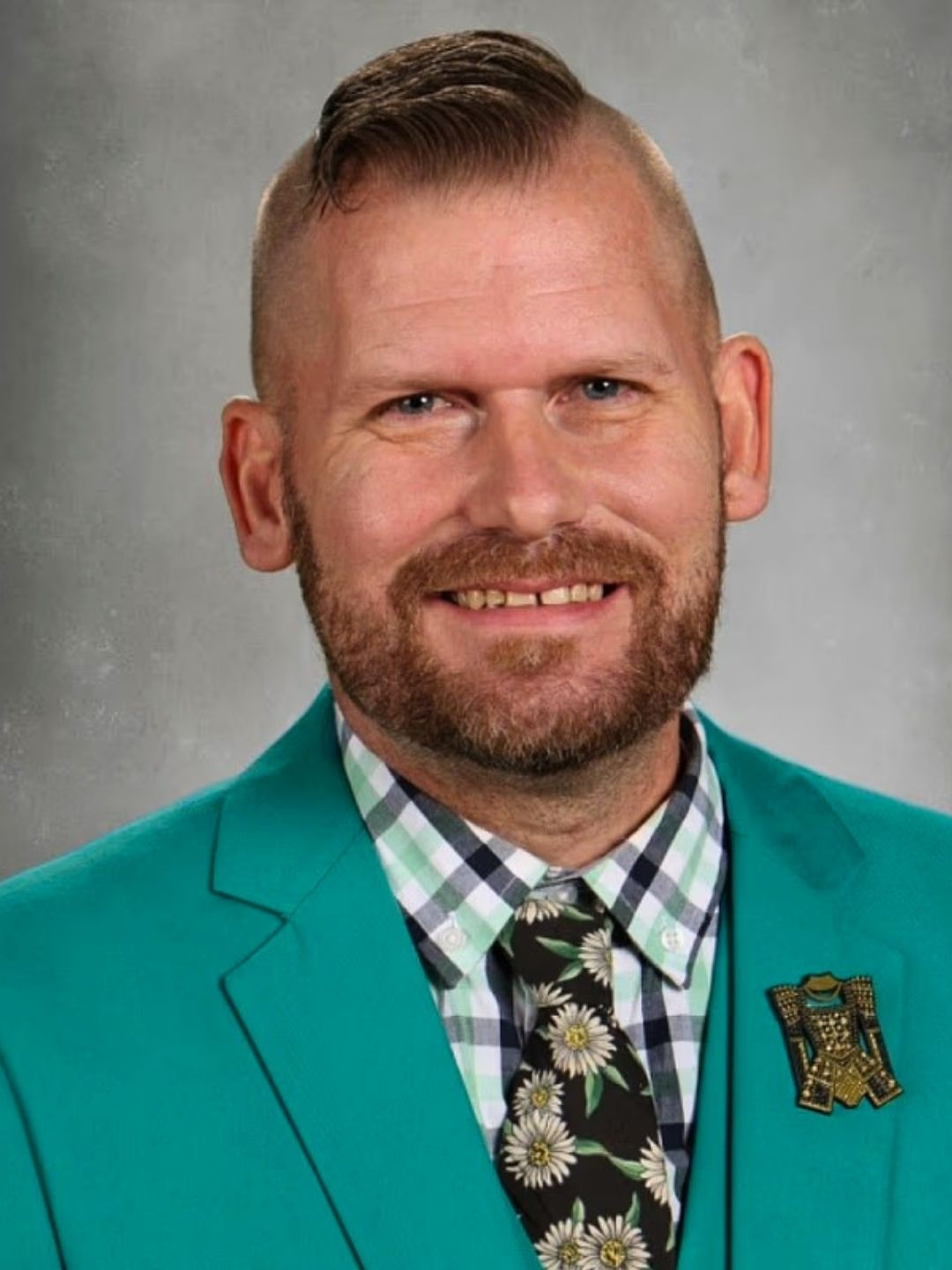
Thomas Rosengren had reached the final stage of a prestigious Teacher of the Year competition, recognized for his work in the classroom and his impact on students.
But within days, the narrative surrounding him changed completely.
Photos resurfaced from an adult event showing Rosengren wearing leather gear as part of a performance, and the attention quickly shifted away from his professional achievements, Daily Mail reports.
Shortly after the images began circulating, he withdrew from the competition.
The situation raises a familiar and uncomfortable question.
How much should a person’s private life matter when evaluating their professional role.
In this case, there has been no indication that Rosengren’s conduct affected his work as a teacher.
There have been no reports of inappropriate behavior in a school setting, and no suggestion that his students were impacted in any way.
The controversy exists entirely outside the classroom.
At its core, the issue appears to center on perception.
For some, the images do not align with traditional expectations of what a teacher should be.
For others, that expectation itself is worth questioning.
Teachers, like anyone else, have lives beyond their profession.
They have identities, interests, and communities that exist separately from their work.
In Rosengren’s case, those aspects of his life became public in a way that overshadowed his professional accomplishments.
The speed at which the conversation shifted highlights how quickly a single detail can redefine a public narrative.
It also reflects broader tensions around visibility, identity, and the boundaries between personal and professional life.
For LGBTQ individuals and those connected to alternative communities, that boundary can be especially fragile.
Visibility can lead to representation, but it can also invite scrutiny.
The result is often a double standard, where aspects of private life that would be overlooked in other contexts become defining in these cases.
Rosengren’s withdrawal from the competition may bring the immediate situation to a close, but the questions it raises remain.
What do we expect from educators beyond their work.
And why do those expectations sometimes extend into areas that have no direct connection to their role.
Ultimately, the story is not just about one teacher.
It is about how society chooses to balance professionalism with the reality that the people behind those roles are, and always will be, more complex.
📷 Thomas Rosengren