




Milo Miles says what was meant to be a routine trip quickly turned into one of the most difficult experiences of his life.
The Canadian adult film performer was traveling from Toronto to Las Vegas when he was stopped by U.S. Customs and subjected to hours of questioning.
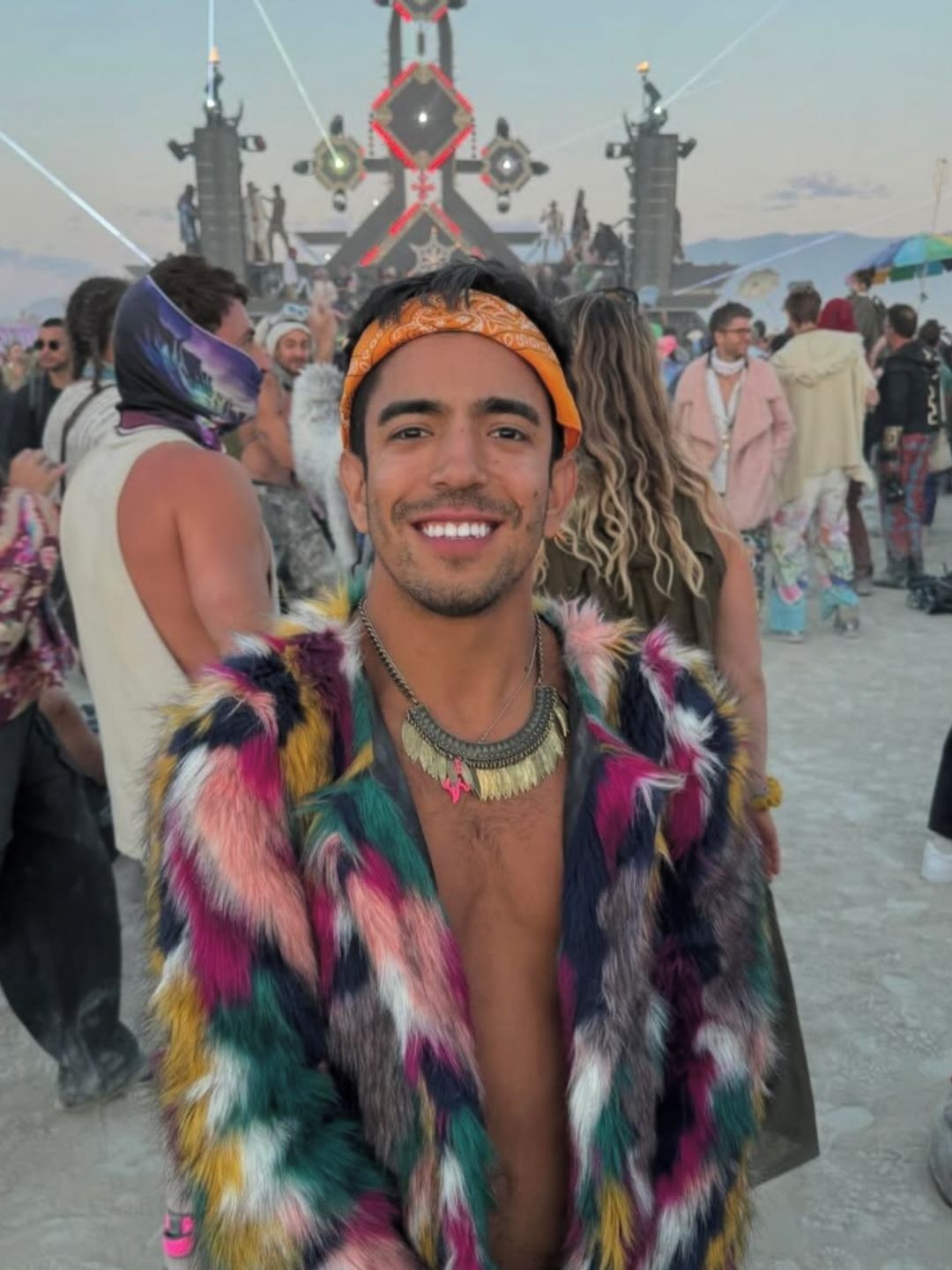
According to LGBTQ Nation, the interrogation focused heavily on his sexuality, his profession, and details of his personal life.
He described being questioned about his clothing, his medication, and the nature of his work, despite no illegal items being found.
The situation escalated further when he was ultimately denied entry into the United States and issued a 10-year ban.
While U.S. border authorities have wide discretion in determining who can enter the country, the experience described by Miles has raised concerns about how that discretion is applied.
At the center of the controversy is not just the outcome, but the process.
Extended questioning, invasive searches, and what Miles describes as derogatory comments created an experience he says left him feeling dehumanized.
The case also highlights the complex legal environment surrounding adult entertainment and sex work, particularly when crossing international borders.
Even without criminal charges, suspicion alone can sometimes lead to serious consequences, including denial of entry.
However, for many observers, the story raises broader questions.
How much of a person’s identity should be subject to scrutiny at a border.
And where is the line between legitimate enforcement and unnecessary intrusion.
Miles has said that he felt judged not just for his work, but for who he is.
That distinction matters.
Because when personal identity becomes part of the equation, the experience can feel less like a legal process and more like a personal one.
The situation has also had personal consequences beyond travel.
Miles had planned to visit his boyfriend after his trip, something that is now no longer possible under the current ban.
That adds another layer to an already difficult experience.
As the story continues to circulate, it highlights an ongoing tension between border security policies and individual rights.
For LGBTQ individuals and those in stigmatized professions, that tension can feel especially pronounced.
Ultimately, the case is not just about one person being denied entry.
It is about how systems treat people when identity, perception, and power intersect in a very real way.