
They Wanted To Become Dads. The Law Said They Were The Wrong Kind Of Couple.

0

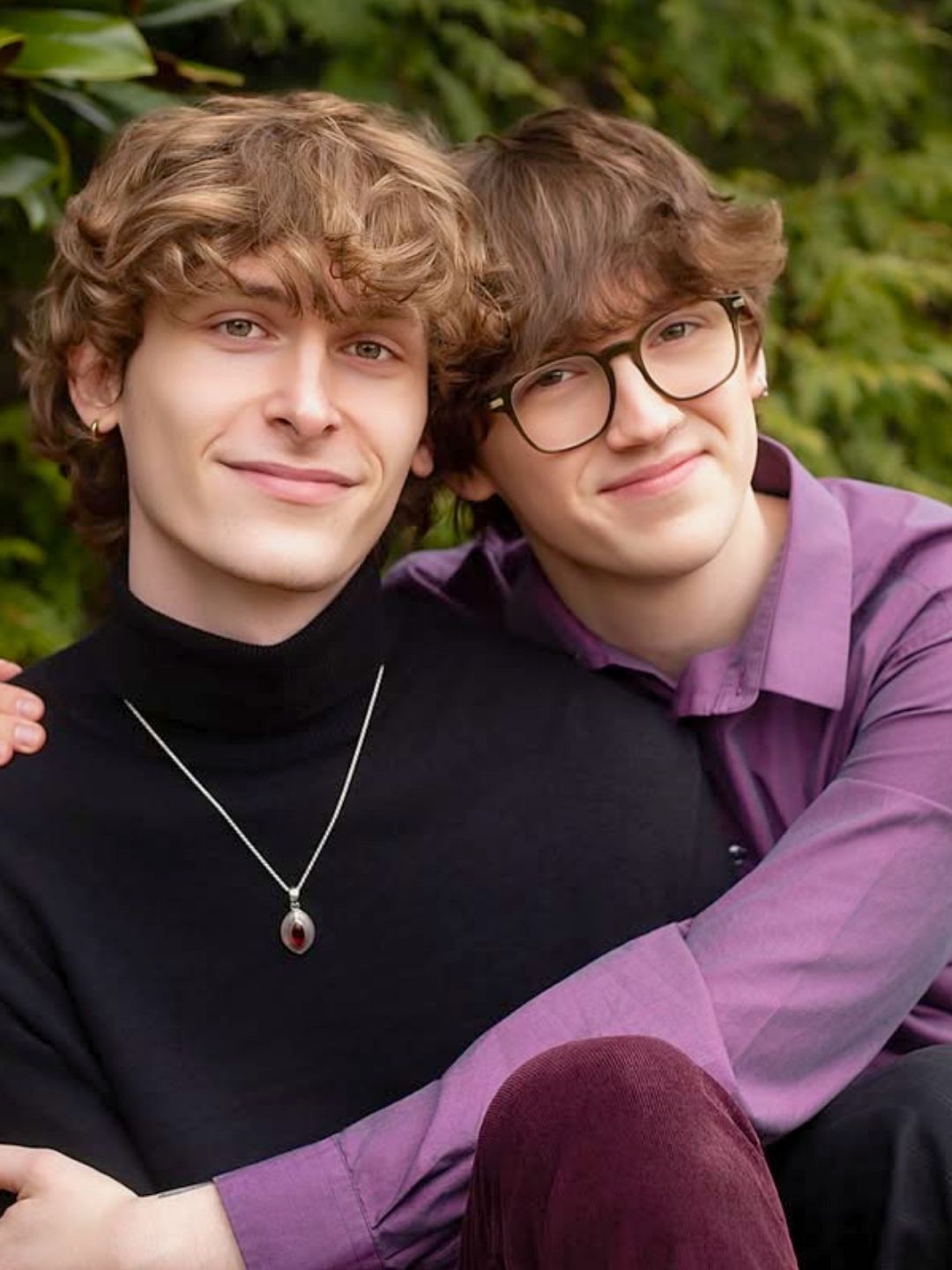
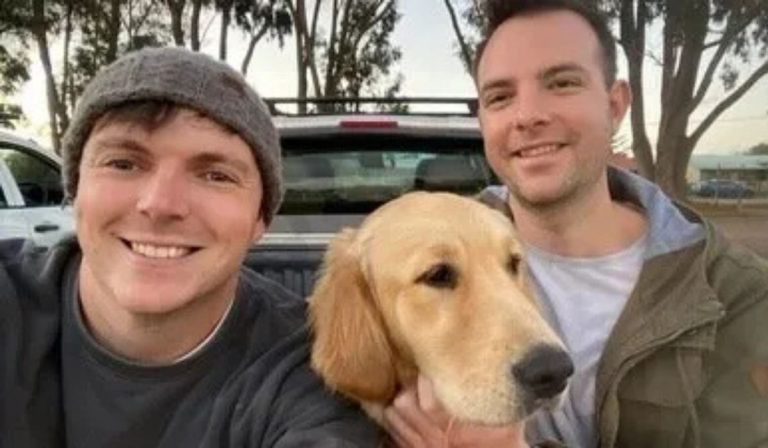
Trent and Brad Dunn wanted to become dads.

They had a surrogate willing to help them create their family.

They were prepared to go through the demanding process required to make that happen.

But there was one requirement the married Australian couple could never satisfy.

They were two men.

Now, after a legal battle stretching over three years, Trent and Brad have become the first same-sex couple to receive approval for a surrogacy arrangement from Western Australia’s Reproductive Technology Council.

And they can finally concentrate on what they wanted in the first place.

Trying to become parents.

“The Fact That We Were Two Men”

Western Australia’s existing Surrogacy Act dates from 2008.

Under the law, a couple eligible for a parentage order was defined as two people of opposite sexes who were married or in a de facto relationship and unable to conceive a child.

Single women could also qualify under certain circumstances.

Male same-sex couples and single men could not.

For Trent and Brad, that meant their path to parenthood effectively stopped before it could begin.

Brad told WAtoday that the couple met every criterion except one: “the fact that we were two men.”

So rather than simply accepting that answer, they challenged it.

A Three-Year Fight

The Dunns argued that Western Australia’s restrictions discriminated against them because of their sex and conflicted with federal anti-discrimination protections.

In May 2026, Western Australia’s Court of Appeal agreed.

The court found that relevant provisions of the state’s Surrogacy Act were inconsistent with federal law and therefore invalid to the extent of that inconsistency.

That decision opened a door that had previously been closed to the couple.

Now the Reproductive Technology Council has approved their surrogacy arrangement.

According to WAtoday, they are the first same-sex couple to receive that approval in Western Australia.

The Law Was Already Changing — Just Not Fast Enough

There is an unusual twist to Trent and Brad’s story.

Western Australia has already decided that its old restrictions need to go.

The state parliament passed sweeping new assisted reproductive technology and surrogacy legislation in December 2025.

When it comes into effect, access will no longer depend on a person’s sex, relationship status, gender identity, sex characteristics or sexual orientation.

Same-sex couples and single men will explicitly be able to access assisted reproductive treatments including surrogacy.

But implementation is not expected until mid-2027.

For couples who have already spent years waiting to start a family, another year can feel very long indeed.

“This has been a really long journey for us and for our family,” Brad told WAtoday.

He described repeatedly being told to wait and be patient while knowing that the obstacle was not their suitability to become parents.

It was their sex.

Now They Can Focus On Becoming Dads

Trent and Brad have now begun treatment with their surrogate, her wife and a separate egg donor.

They know there are no guarantees.

Surrogacy and fertility treatment can bring plenty of challenges even after the legal barriers disappear.

But those are finally the challenges the couple want to be thinking about.

“We know plenty of challenges still lie ahead of us,” Brad said, “but we are overjoyed to be focused now on the wonderful opportunity of parenthood.”

And after fighting their own case, they are trying to make the road easier for the families who come next.

The couple have created a template document based on their arrangement that others may be able to use.

For Brad, helping another couple avoid the same experience would give meaning to what they went through.

“If it means that someone doesn’t have to experience that same pain… then this has been worth it,” he said.

Three years ago, Trent and Brad were fighting a law that told them the kind of couple they were made them ineligible to take the next step toward becoming parents.

Today, the law is changing, their case has opened a door early, and treatment has begun.

They still don’t know exactly where the journey will end.

But at last, the biggest question facing them isn’t whether two men should be allowed to become dads.

It’s whether their dream of becoming dads is about to come true.

📷 Trent and Brad Dunn on change.org

🎬 Prefer video? Subscribe to B-Gay on YouTube: https://youtube.com/@BGaycom
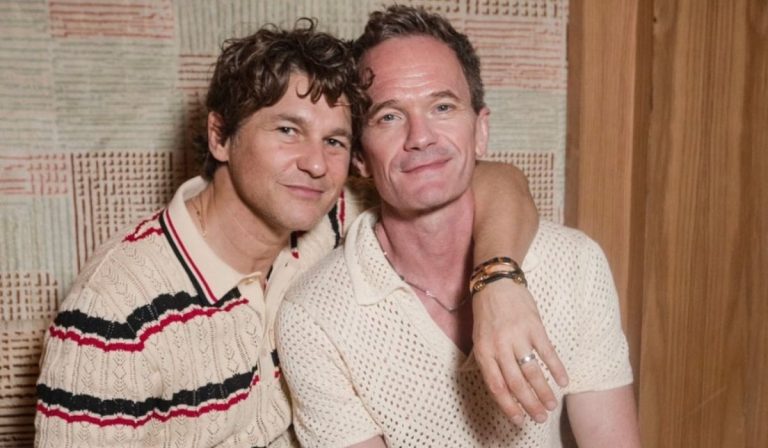
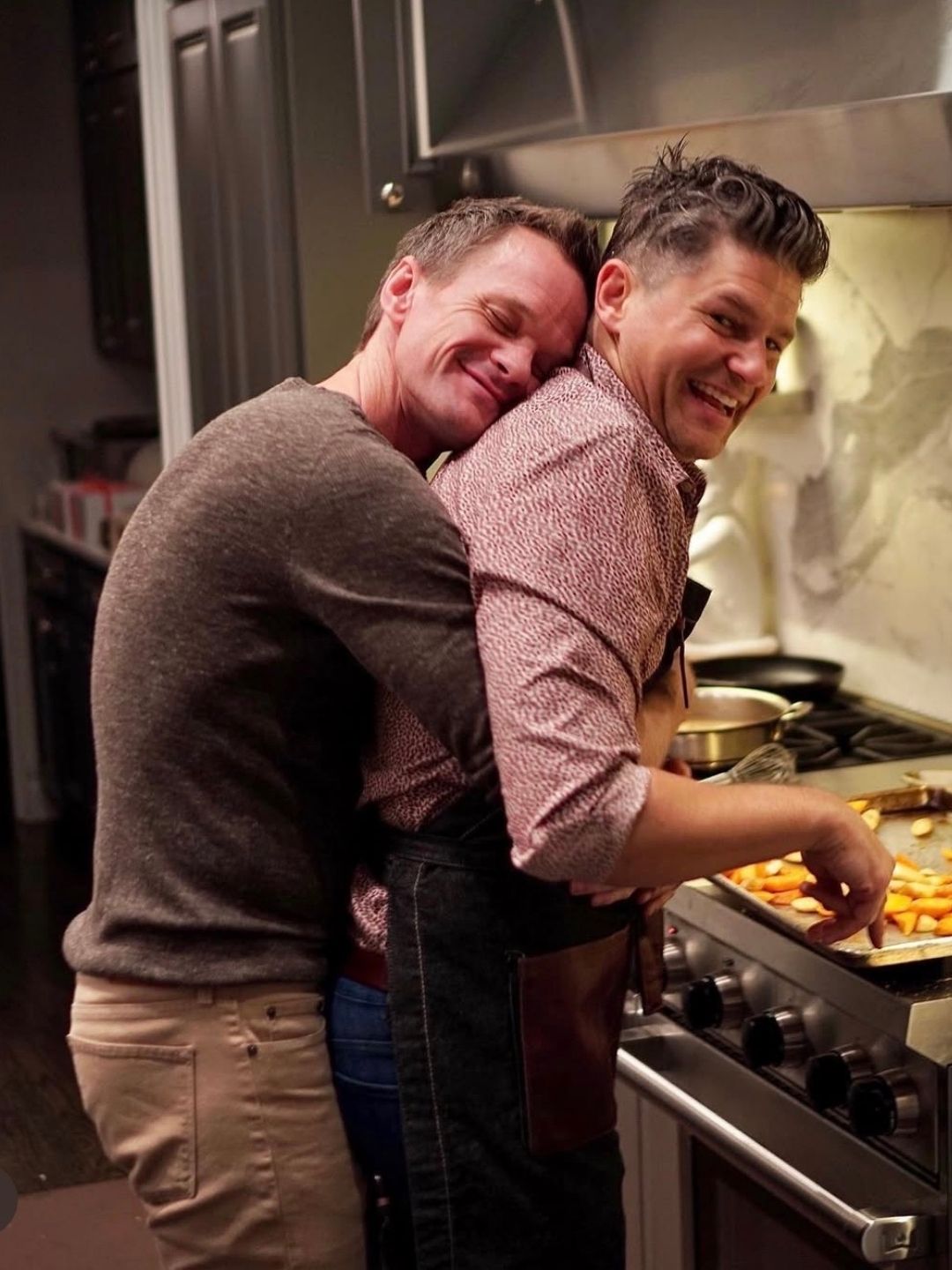
Neil Patrick Harris Reveals What Really Pushed Him To Come Out As Gay

Neil Patrick Harris remembers preparing himself for the possibility that publicly coming out as gay could make for a very bad week.

Instead, almost everyone seemed remarkably unsurprised.

Nearly 20 years later, Harris can laugh about that.

“I was a little bit offended that more people weren’t surprised,” he joked in a new interview.

The actor has opened up about his 2006 coming out during an appearance on Jamie Laing’s Great Company podcast.

Harris was already famous from his childhood role in Doogie Howser, M.D. and had recently begun playing Barney Stinson on How I Met Your Mother.

Barney was famously written as an almost absurdly enthusiastic womanizer.

Harris’ private life looked rather different.

He had already begun dating actor and chef David Burtka before auditioning for the sitcom.

The people working on How I Met Your Mother knew Harris and Burtka were a couple.

The wider public did not.

Harris recalled the peculiar compromises that required.

The two men could attend movie premieres together, but Harris would walk the red carpet while Burtka avoided the photographers.

They could tell themselves that they were simply keeping their relationship private.

Both men had careers, after all, and neither was obligated to make their personal life part of a publicity campaign.

But Harris now recognizes another consequence.

While he received the public treatment afforded to a celebrity, Burtka effectively had to disappear.

Harris said that arrangement risked making the man he loved feel “less than.”

It was also becoming increasingly difficult to maintain.

This was the mid-2000s, when celebrity gossip blogs had enormous influence and speculation about supposedly closeted gay actors had become its own form of online entertainment.

Harris remembers reading posts inviting audiences to guess which famous actor might secretly be gay.

He worried he could become the next target.

Eventually, the speculation moved directly toward him.

A journalist asked one of Harris’ publicists about his sexuality.

According to Harris, the publicist responded that he was “not of that persuasion.”

Harris had not personally made that denial.

But once the remark was publicly attributed to his camp, it created a new problem.

People who knew Harris was gay began questioning why he appeared to be denying it.

At that point, Harris says he could see what was likely to happen next.

He feared gossip outlets would begin actively soliciting people who had dated or slept with him.

Instead of waiting for that story to develop around him, he decided to take control of it.

“I’ve gotta get ahead of the story,” he remembers thinking.

Harris worked with his agent and publicist on a statement that he felt accurately represented him.

On November 3, 2006, People published it.

Harris described himself as “a very content gay man” living his life to the fullest.

Today, a major television star publicly acknowledging that he is gay may not sound particularly extraordinary.

In 2006, the calculation could feel considerably different.

Harris was playing a major role on a successful network sitcom.

He had spent much of his life working in an entertainment industry where openly gay actors still faced questions about whether audiences would accept them as romantic leads.

And public hostility toward gay people remained highly visible.

Harris remembered thinking about anti-gay protesters who placed hateful signs outside people’s homes.

He knew there was at least a possibility that his announcement could turn ugly.

Instead, relatively little happened.

“There was indifference at best,” Harris recalled.

That left him with an unexpectedly comic complaint.

He had anticipated at least some shocked reaction.

Perhaps people would ask how someone as seemingly masculine as Neil Patrick Harris could possibly be gay.

They did not.

Harris joked that he was almost offended by how unsurprised everybody appeared to be.

Behind the joke, however, he recognizes why his experience was easier than it might have been for actors who came out before him.

Those people had already absorbed much of the punishment.

Each visible gay actor had made the next announcement slightly less extraordinary.

Harris believes their experiences helped create the relatively muted response he received.

His own coming out would subsequently contribute to that same process for actors following him.

Harris went on to become one of American television’s most visible openly gay stars.

He remained on How I Met Your Mother through its nine-season run and won multiple Emmy Awards during his career.

He also hosted the Tony Awards, Emmy Awards and Academy Awards.

Meanwhile, the private relationship he once tried to keep away from photographers became very public.

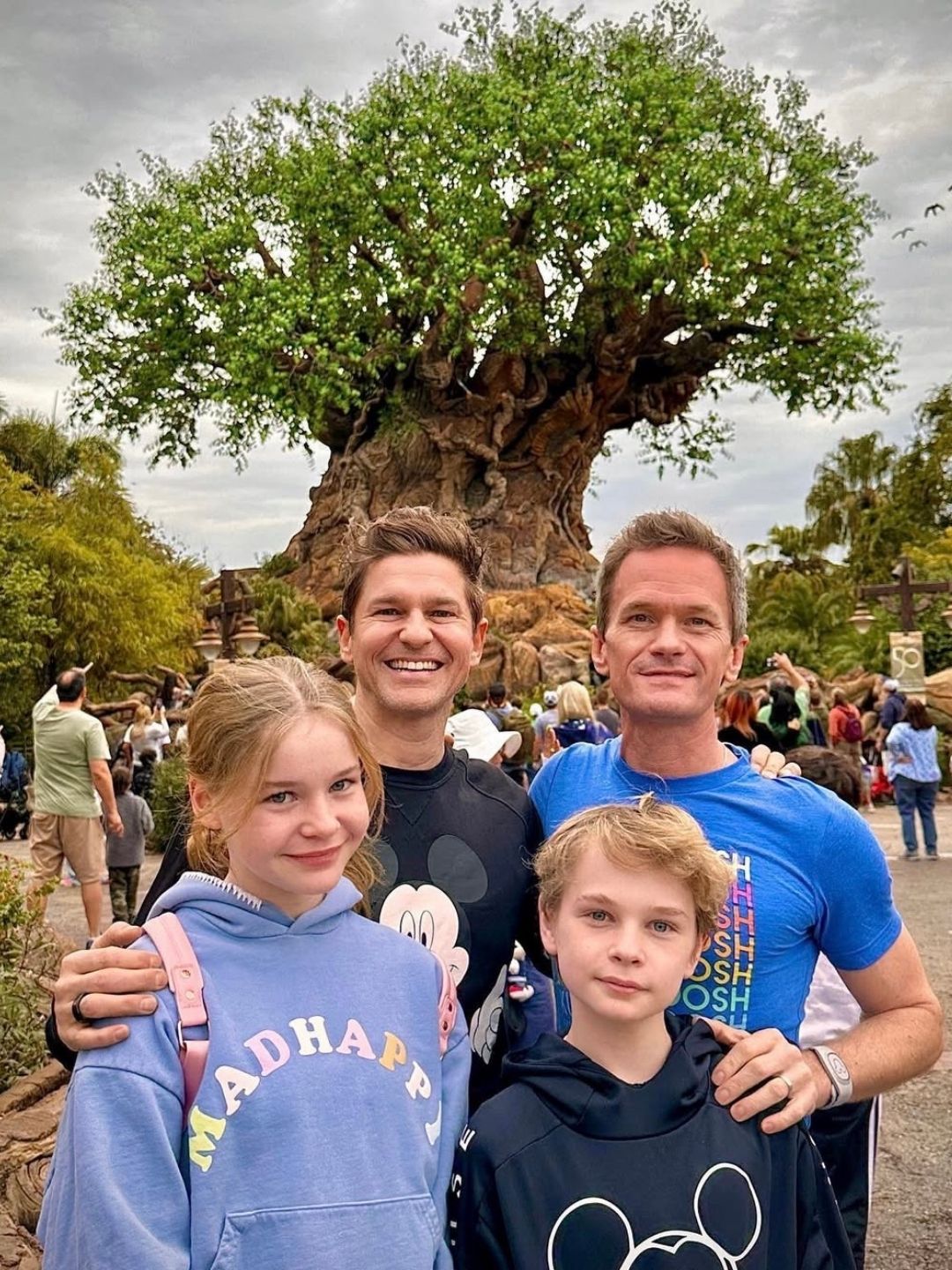
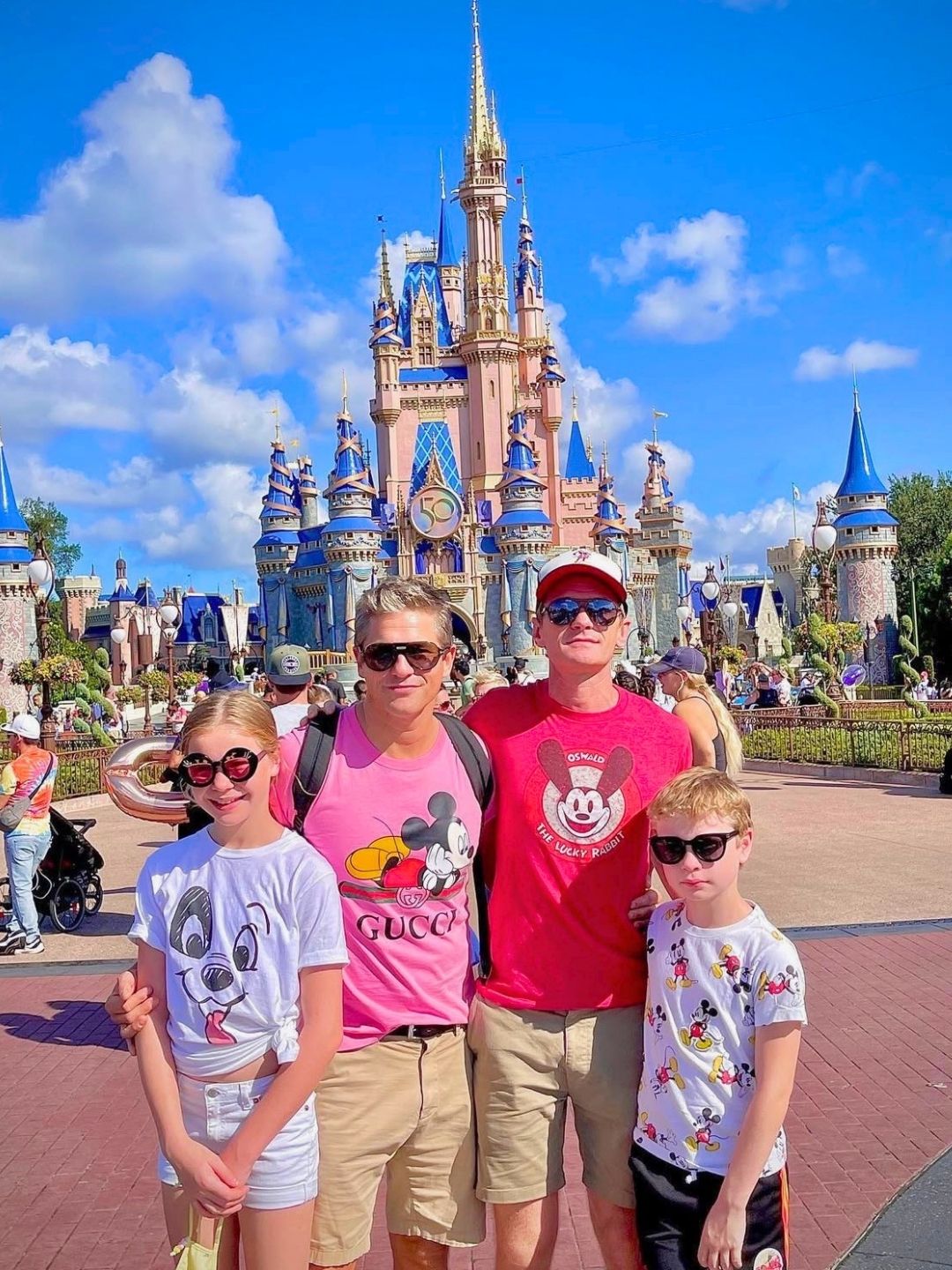
Harris and Burtka became parents to twins Gideon and Harper in 2010.

They married in 2014.

The couple have now been together for more than two decades.

Harris’ new recollection also serves as a reminder of how recently outing was treated as entertainment.

Celebrity blogger Perez Hilton was among the figures who publicly speculated about Harris’ sexuality during that period and encouraged readers to provide information about closeted celebrities.

Hilton has since said he regrets those tactics and has described his past efforts to out gay celebrities as cruel.

He has also said that he later apologized to Harris.

Harris did not center Hilton by name in his new interview.

Instead, he described the broader gossip culture that made him feel increasingly certain that someone else would tell his story if he did not tell it first.

That makes the phrase “forced to come out” slightly more complicated than it initially sounds.

No one physically compelled Harris to issue his statement.

But the possibility of retaining genuine control over whether his sexuality became public was rapidly disappearing.

He chose to speak before the decision was effectively made for him.

Today, Harris sees enormous progress.

He pointed to a culture in which LGBTQ+ actors and same-sex relationships are increasingly visible across mainstream entertainment.

There is still pressure surrounding coming out, particularly for young public figures.

But the consequences Harris feared in 2006 no longer feel inevitable in quite the same way.

And perhaps the funniest detail in his story is also the most hopeful.

Neil Patrick Harris spent days worrying that America might discover he was gay.

America’s response was essentially:

Yes, Neil.

We know.

📷 @nph

🎬 Prefer video? Subscribe to B-Gay on YouTube: https://youtube.com/@BGaycom
Igby Rigney On Playing Bret Easton Ellis’ Secret Gay Double Life In The Shards

0

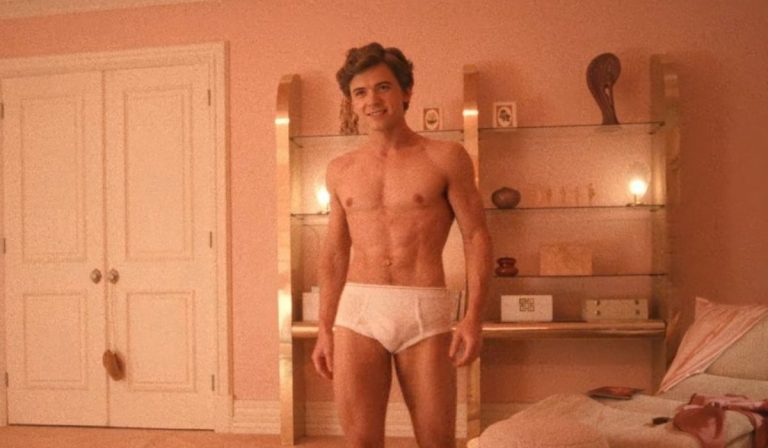
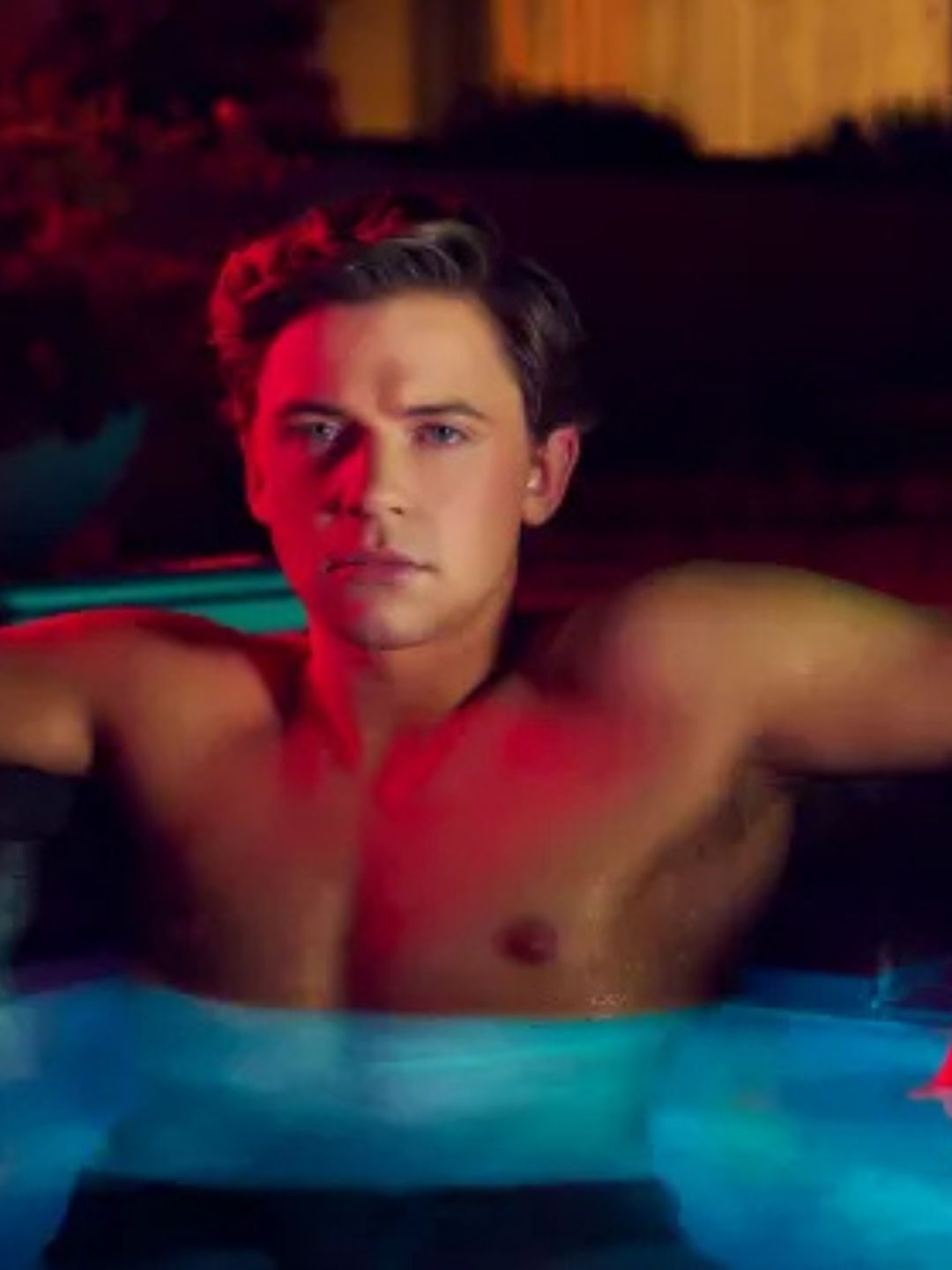
Four episodes into The Shards, Igby Rigney’s performance is becoming one of the most interesting parts of Ryan Murphy’s new psychological thriller.

Rigney plays a fictionalized 17-year-old version of author Bret Easton Ellis in Los Angeles in 1981.

Bret has a girlfriend, secretly has sex with boys and spends much of his life performing a version of heterosexuality for the people around him.

That tension between public and private identity is central to both Bret Easton Ellis’ original novel and the FX adaptation.

It also became central to the way Rigney physically plays the character.

The Guardian observed that Bret appears almost like two different people depending on whether he is interacting romantically with women or men.

With his girlfriend Debbie, Bret often appears stiff and guarded.

During his encounters with boys, his posture and physical energy shift noticeably.

Rigney joked that the difference did not require much explicit direction.

“That was all natural, baby,” he said.

The result is a surprisingly effective portrayal of closeting without requiring Bret to constantly explain what he is feeling.

The audience can see the effort involved in maintaining the straight version of himself.

Then it can see what happens when that effort temporarily disappears.

The show is set during Bret’s senior year at an elite Los Angeles private school.

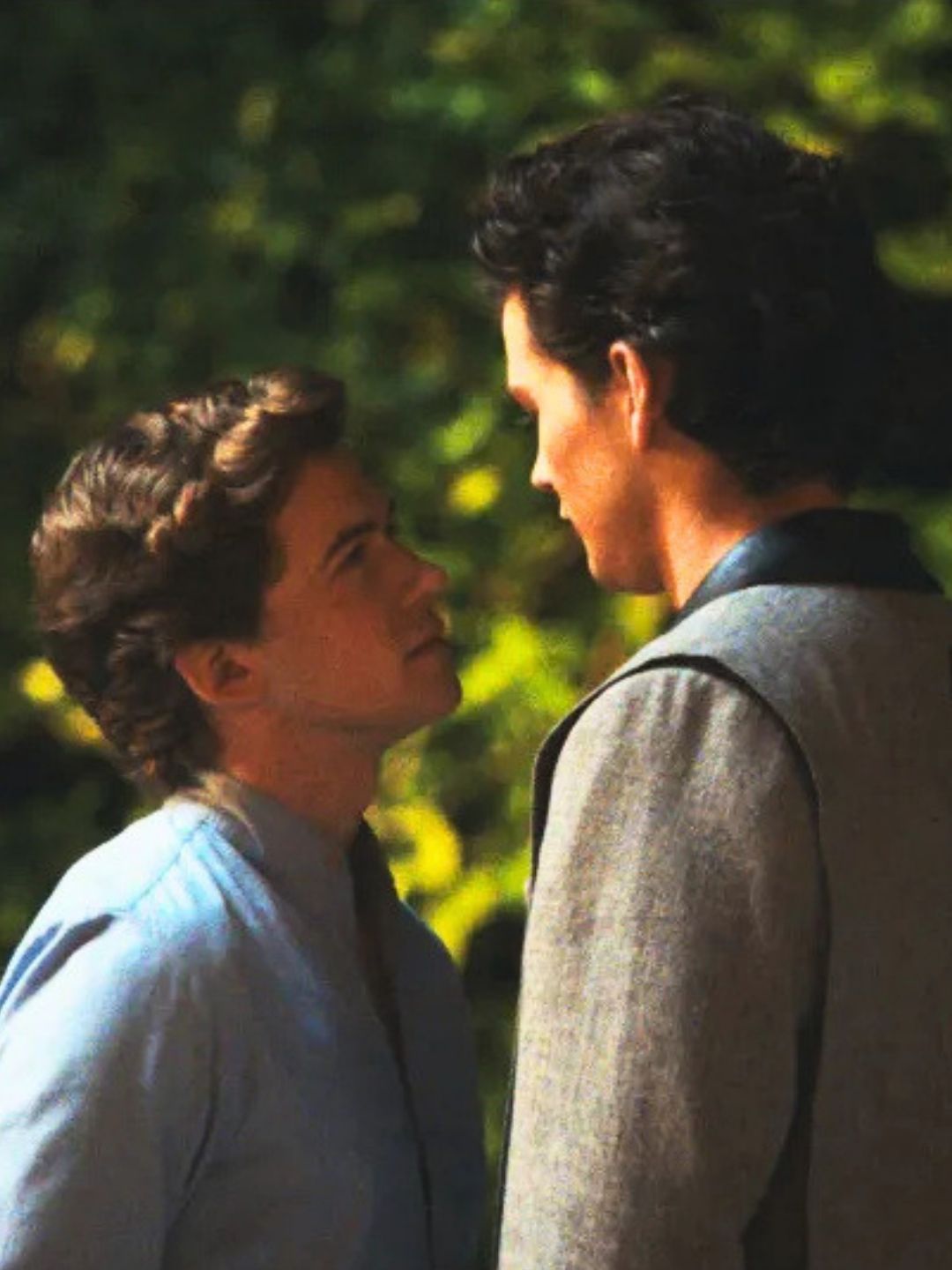
His comfortable but increasingly unstable world is disrupted by the arrival of Robert Mallory, a mysterious new student played by Homer Gere.

Bret becomes intensely suspicious of Robert at the same time that a serial killer known as the Trawler is targeting young people across the city.

Whether Bret’s obsession with Robert is driven by fear, attraction, jealousy or some combination of all three remains deliberately ambiguous.

Sexuality is therefore not simply an additional storyline attached to the thriller.

It shapes how Bret interprets almost everything happening around him.

His secret encounters with men coexist with his relationship with Debbie and with the carefully maintained social identity expected of a wealthy teenage boy in 1981.

Ryan Murphy has said the period carries particular emotional significance for him personally.

Murphy was a teenager in 1981 and has described it as a moment when sexual freedom suddenly became connected with fear as the first reports of AIDS began appearing.

He has even wondered publicly whether the Trawler can be interpreted partly as a metaphor for the threat that would soon transform gay life.

Ellis, characteristically, has declined to give a definitive answer.

Rigney faced another unusual challenge: playing a living and extremely recognizable writer without actually meeting him.

The actor has said he never met Bret Easton Ellis during production.

Instead, Ryan Murphy became one of his primary guides in developing the character.

Rigney also spent considerable time working on Bret’s voiceover.

Ellis originally narrated the audiobook version of The Shards himself, making his distinctive delivery particularly familiar to readers.

Rigney and Murphy worked extensively in post-production to find something that respected that voice without simply turning the performance into an imitation.

The intimate scenes presented a different kind of challenge.

Rigney has said the sex scenes were not the part of the role that worried him most.

He compared filming intimacy to performing a dance.

Once boundaries, movement and choreography have been established, the actors know what they are doing and can concentrate on the emotional purpose of the scene.

The more disturbing psychological material was harder.

That includes Bret’s increasingly paranoid state and scenes involving powerful adults who exploit the vulnerabilities of the teenagers around them.

The series has already begun diverging from Ellis’ novel in significant ways.

Murphy has expanded characters and events that existed only briefly in the book and has shown parts of the serial-killer storyline that the novel kept outside Bret’s immediate perspective.

Some sexual relationships have also been altered or expanded.

Yet the basic emotional engine remains recognizably queer.

Bret is simultaneously trying to solve the mystery surrounding Robert and trying to understand his own desire.

He is watching other people for evidence of secrets while concealing one of the biggest secrets in his own life.

That contradiction makes his status as an unreliable narrator particularly compelling.

If Bret cannot comfortably acknowledge the truth about himself, viewers have reason to question how accurately he understands anyone else.

Rigney brings that uncertainty into the performance through surprisingly small choices.

A change in posture can reveal more than dialogue.

A flirtation can suddenly expose a version of Bret that his friends rarely see.

A moment of attraction can collide immediately with fear.

For queer viewers, that physical code-switching may be one of the most recognizable elements of the entire show.

Many gay men who grew up closeted remember consciously or unconsciously changing the way they spoke, moved or reacted depending on who was around them.

The Shards places that experience inside a much larger world of wealth, violence, drugs and paranoia.

But beneath all the Ryan Murphy gloss and Bret Easton Ellis darkness is something comparatively simple.

A teenage boy is trying to understand who he is while making sure everyone around him sees something else.

Igby Rigney makes both versions visible.

📷 FX / @igby\.rigney

🎬 Prefer video? Subscribe to B-Gay on YouTube: https://youtube.com/@BGaycom
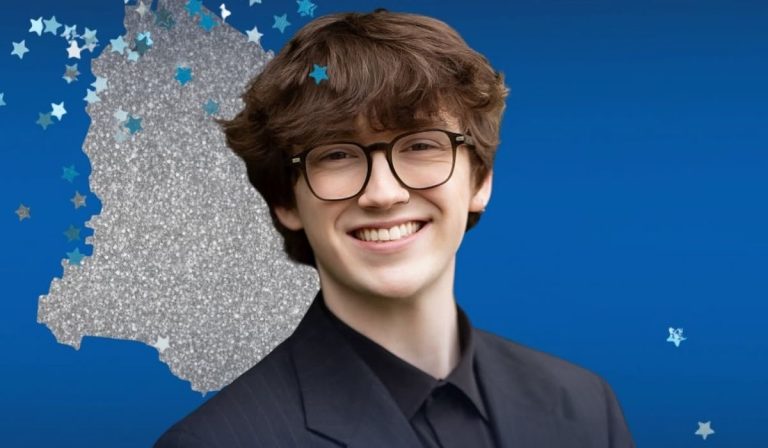
22-Year-Old Bagel Shop Worker Becomes Tennessee County’s First Openly Gay Elected Official

A 22-year-old who works at his family’s bagel shop has made political and LGBTQ+ history in Rutherford County, Tennessee.

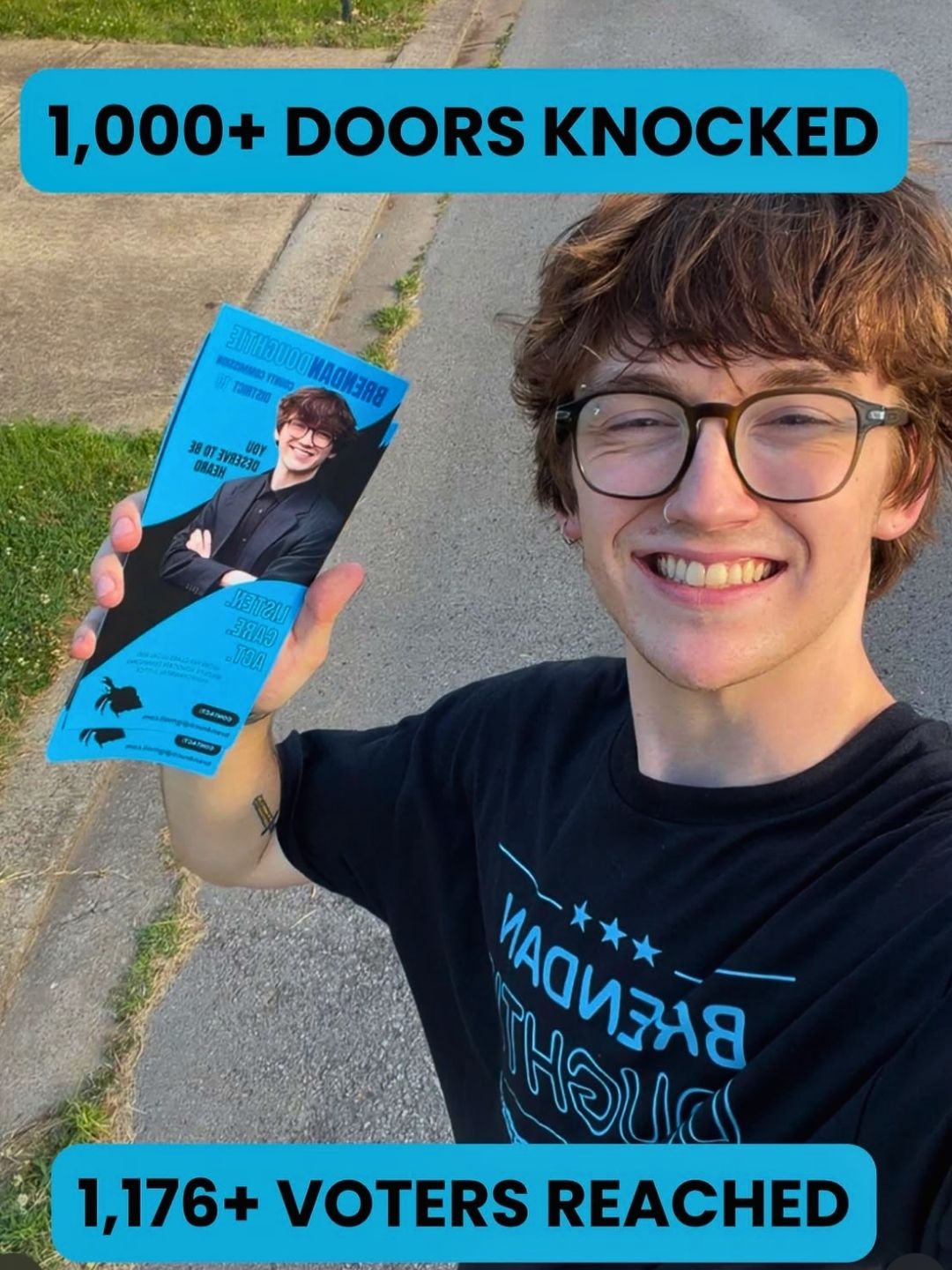
Brendan Doughtie won the District 13 seat on the Rutherford County Commission on August 6.

Doughtie received 890 votes, defeating Republican candidate Brian Stoll, who received 698.

The victory makes Doughtie the youngest person ever elected to the Rutherford County Commission.

It also makes him the first openly gay person ever elected to office in Rutherford County.

The milestone is particularly notable because Rutherford County sits in a deeply conservative part of Tennessee.

Doughtie’s victory came in an open Republican-held seat rather than against an incumbent.

His path into politics is also unusually memorable.

Doughtie works for his family’s business, Boro Bagel, in Murfreesboro.

Long before he ran for office, he became involved in animal welfare activism.

One particular issue caught his attention: pet stores selling hermit crabs in painted shells.

Doughtie started a petition calling for the practice to end.

He then contacted dozens of elected officials hoping someone would listen.

Many never responded.

Others sent automated messages.

That frustration helped shape his decision to run for office himself.

Doughtie later said the experience taught him how easily ordinary residents can feel ignored by government.

His campaign centered on a simple message: listen, care and act.

He also focused on local issues including housing costs, traffic, infrastructure, environmental concerns and the Middle Point Landfill.

Throughout the campaign, Doughtie emphasized that he did not see himself as a career politician.

He described himself instead as a working young resident facing many of the same financial pressures as his neighbors.

Doughtie knocked on approximately 1,500 doors while continuing to work full-time at Boro Bagel.

He also incorporated a small hermit crab into his campaign literature as a conversation starter and a reminder of what originally drew him into civic life.

The result was an upset victory in a seat previously held by a Republican.

But the LGBTQ+ significance extends beyond Doughtie’s own identity.

Rutherford County has recently become a national flashpoint in the fight over LGBTQ+-themed books.

In March, the Rutherford County Library Board fired system director Dr. Luanne James after she refused to carry out an order moving more than 100 LGBTQ+-themed children’s books from the children’s section into the adult section (Guardian).

James argued that complying with the order would violate the First Amendment and amount to viewpoint discrimination.

The controversy drew national attention and turned Rutherford County into one of the most visible examples of the expanding battle over LGBTQ+ books in public libraries.

Just months later, voters in the same county elected an openly gay man to local office for the first time.

That does not mean Rutherford County has suddenly become politically progressive.

Doughtie’s victory occurred in one commission district, and Tennessee remains one of the most Republican states in the country.

It does, however, represent a meaningful local change.

For the first time, an openly gay resident will have a direct voice in decisions made by the county government.

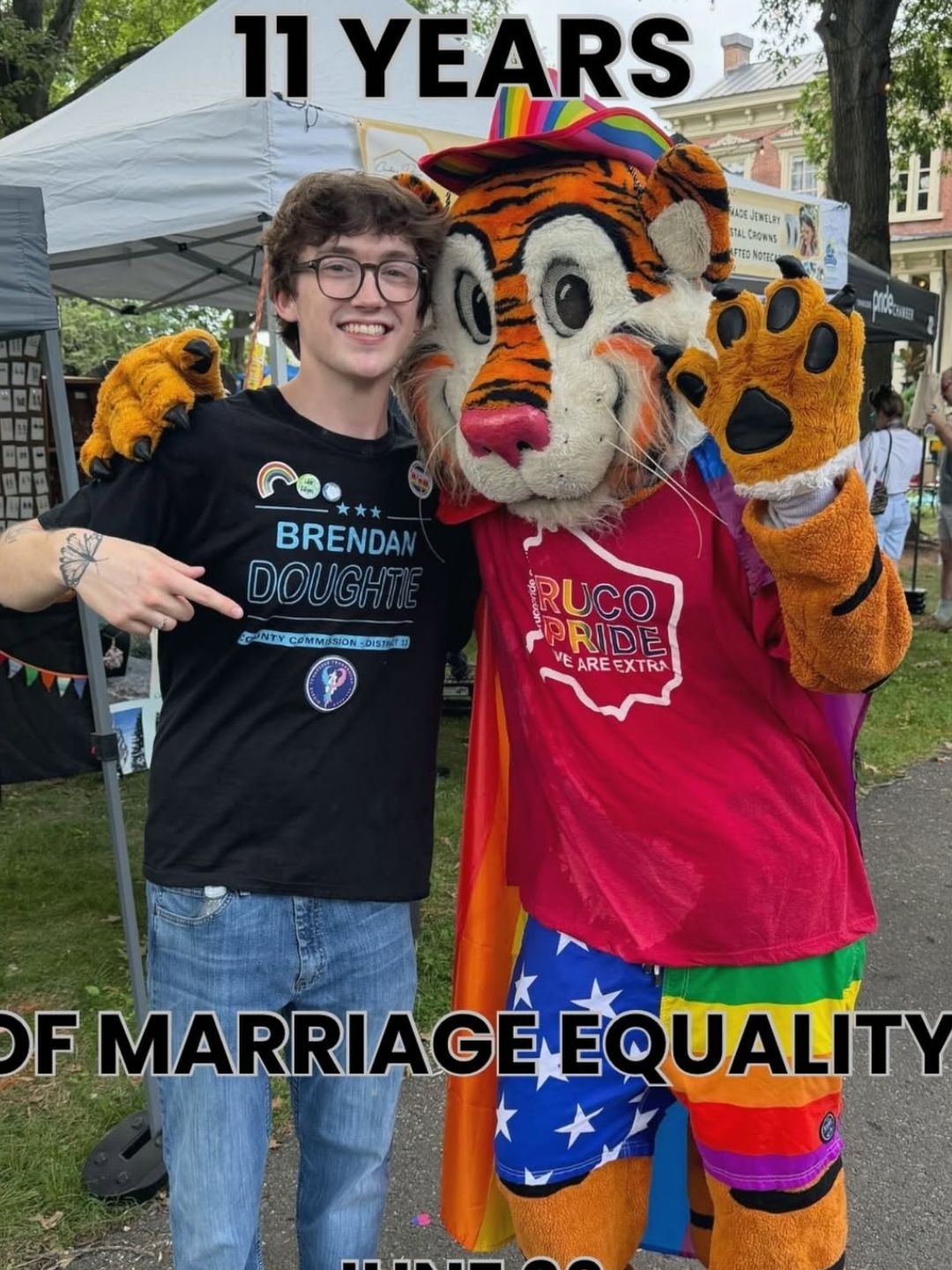
Doughtie has also been openly supportive of the LGBTQ+ community during his campaign.

In Pride Month posts, he has spoken about living authentically and refusing to allow political hostility to define queer people’s lives.

He has also publicly shared his relationship and thanked his boyfriend for supporting him and allowing him to be himself.

The contrast with the county’s recent LGBTQ+ controversies is difficult to ignore.

In March, the county was making national news over the removal of LGBTQ+-themed children’s books.

In August, voters were making history by electing the county’s first openly gay official.

Local politics rarely changes through one dramatic moment.

More often, it changes when someone decides to knock on one door, then another, then another.

Brendan Doughtie knocked on around 1,500 of them.

He did it while working in a bagel shop.

He did it with a tiny hermit crab printed on his campaign materials.

And at 22 years old, he is now the youngest county commissioner Rutherford County has ever elected.

📷 @bren4ruco

🎬 Prefer video? Subscribe to B-Gay on YouTube: https://youtube.com/@BGaycom
Olympic Hopeful Leo Dillier Comes Out As Gay And Wants To Be The Role Model He Never Had

0

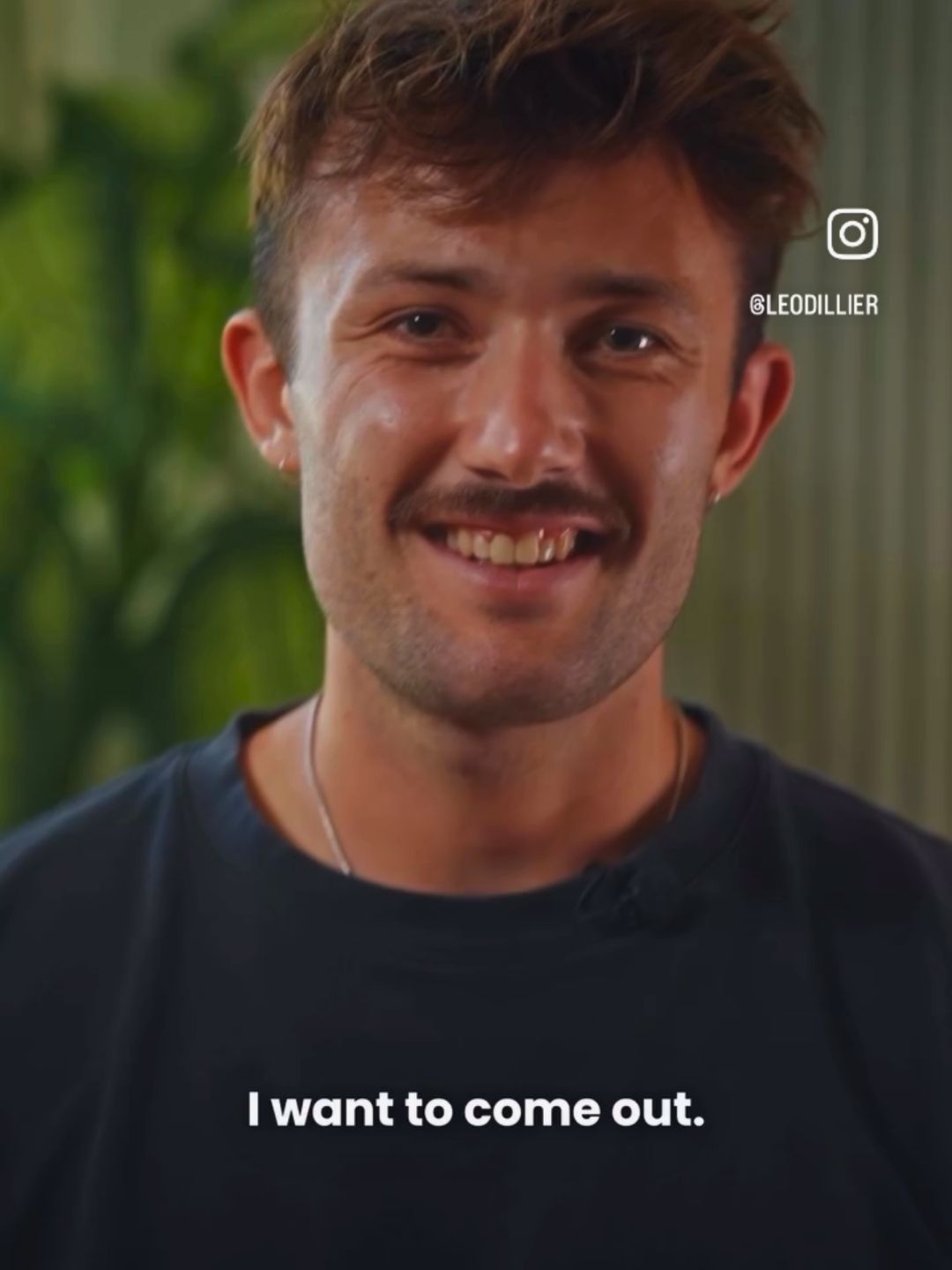
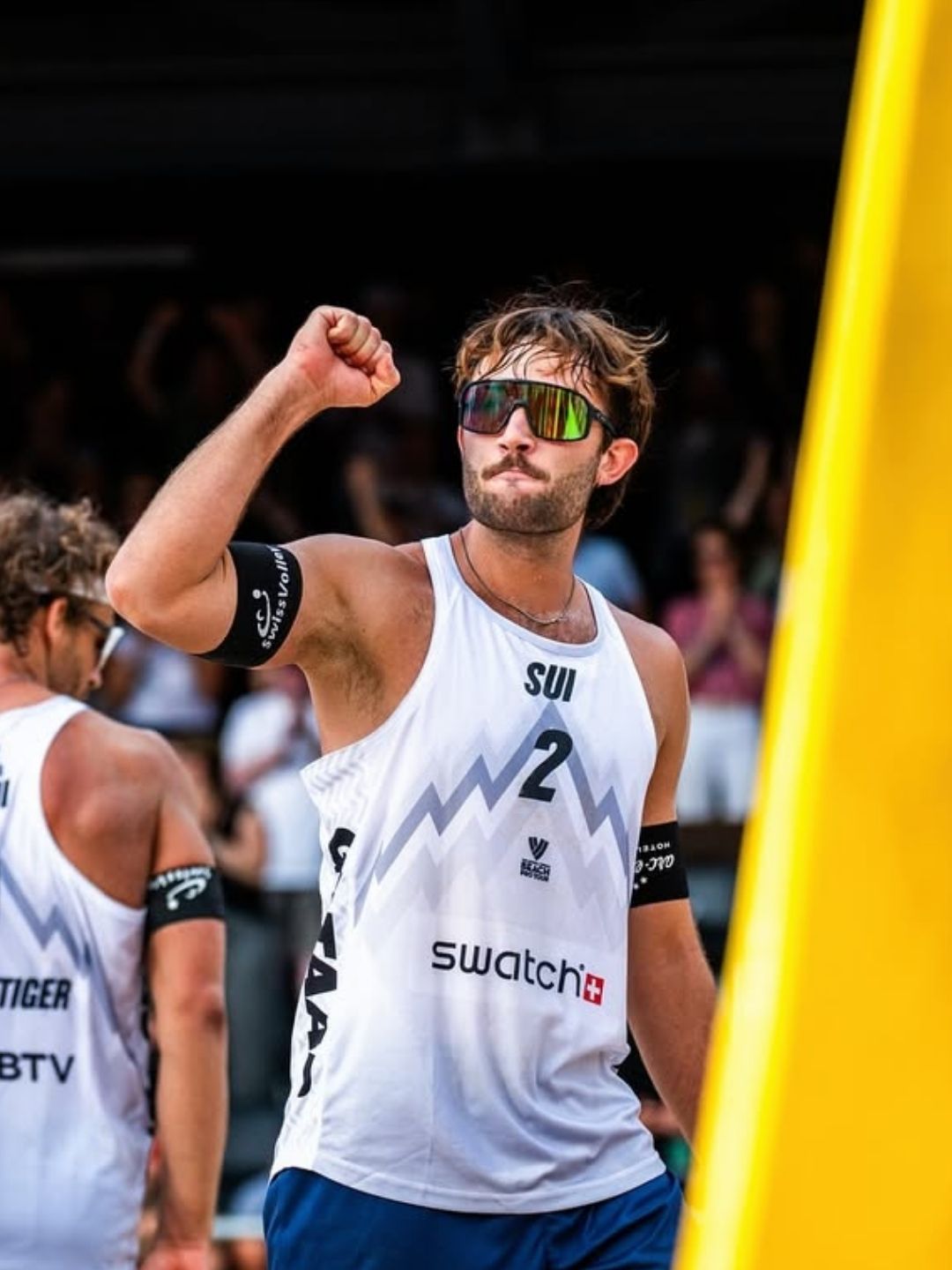
Swiss beach volleyball star Leo Dillier has publicly come out as gay while pursuing one of the biggest goals of his career: competing at the Olympic Games.

The 25-year-old announced his sexuality in a personal video and message shared on social media.

“Today, I want to share something personal: I’m gay,” Dillier wrote.

For Dillier, the announcement was about considerably more than simply telling the public something about his private life.

He wants to challenge assumptions about masculinity in elite men’s sport and become the kind of visible LGBTQ+ athlete he desperately wished he could have seen as a teenager.

Dillier said that accepting himself within the culture of high-level sport had not always been easy.

He described feeling as though he did not entirely fit the image of what an elite male athlete was supposed to be.

“In elite sports, there’s a certain stereotype: an athlete has to be a certain way to perform,” he explained.

That stereotype bothered him because he felt different.

Dillier said gay men can still encounter an assumption that homosexuality represents weakness, particularly within traditionally masculine sporting environments.

He also noted how few elite male athletes openly discuss being gay.

The absence of those voices affected him profoundly when he was younger.

Looking back approximately a decade, Dillier recalled struggling intensely at 15.

What he wanted then was an openly gay elite athlete he could identify with.

He could not find one.

“I hope that by sharing my story, I can be the role model I once needed myself,” he wrote.

The timing gives his coming-out story particular significance.

Dillier is not speaking publicly after leaving elite sport.

He is doing so while competing internationally at the highest level and working toward an Olympic appearance in Los Angeles in 2028.

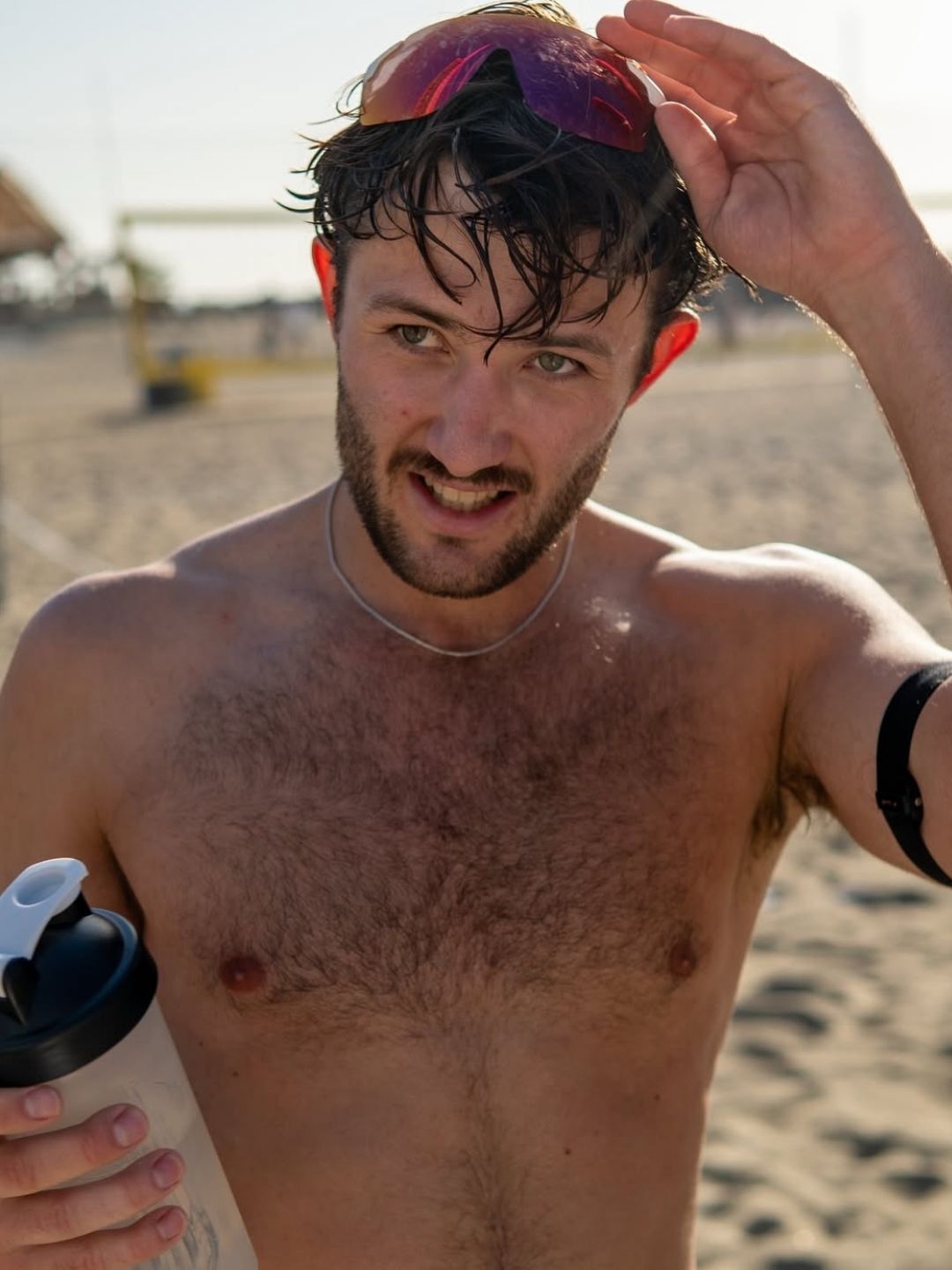
Dillier has already established himself as one of Switzerland’s leading beach volleyball players.

He began playing volleyball as a child and increasingly concentrated on the beach version of the sport as his career developed.

In 2022, he won the Swiss national championship alongside Adrian Heidrich.

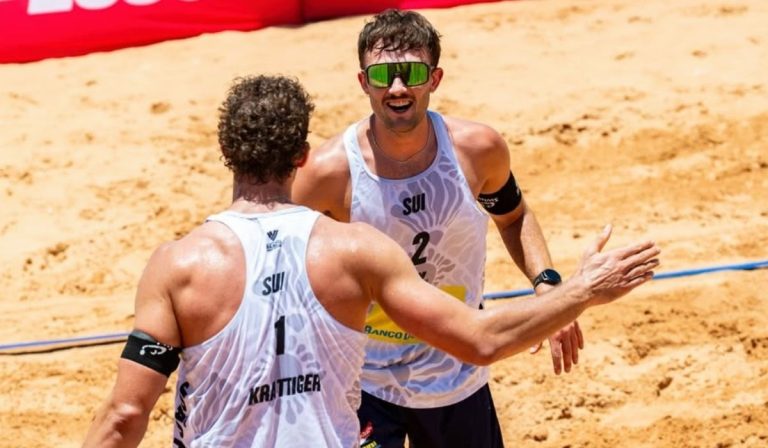
Dillier later formed a new partnership with experienced Swiss player Marco Krattiger.

The pairing produced a breakthrough international season in 2025.

They earned silver at the Xiamen Challenge and another silver at the Spiez Futures tournament before winning the Beach Pro Tour Challenge event in Stare Jabłonki, Poland.

That victory included a final against highly regarded Polish opponents Bartosz Łosiak and Michał Bryl.

The Swiss pair then carried their momentum into the World Championships in Adelaide.

Krattiger and Dillier produced one of the tournament’s biggest upsets when they eliminated second-seeded Dutch pair Stefan Boermans and Yorick de Groot.

They ultimately finished ninth at the World Championships.

The result helped establish the Swiss team among the leading partnerships on the international circuit.

Outsports reports that Dillier and Krattiger are currently ranked 23rd in the world.

Dillier’s official Swiss Volley profile makes his ambition clear.

He dreams of winning a medal at the Olympic Games.

Los Angeles 2028 is therefore not a distant fantasy attached to a coming-out announcement.

It is an active sporting objective.

Dillier recently competed at the European Beach Volleyball Championships alongside Luc Flückiger, with the pair narrowly missing the round of 16.

Shortly afterward, he decided the moment was right to tell the wider world he is gay.

He said the subject has occupied him throughout his life and acknowledged that coming out remains difficult within elite sport.

But something had changed.

Dillier now felt confident.

He could also see the wider dynamics surrounding LGBTQ+ athletes and decided that he wanted to help change them.

The response from his sporting community has been warmly supportive.

Krattiger responded publicly to the announcement with heart emojis.

Swiss Volley did the same.

Several other openly gay professional athletes also welcomed Dillier publicly.

They included Swiss tennis player Mika Brunold, who called him a star.

Dillier now joins a small but growing group of openly gay male athletes from Switzerland.

Basketball player Marco Lehmann, Swiss wrestler Curdin Orlik and volleyball player Dennis Del Valle have previously spoken publicly about their sexuality.

Beach volleyball itself has long had visible LGBTQ+ women at the highest levels of competition.

Openly gay elite men remain considerably less common.

That is exactly the gap Dillier hopes his visibility can help close.

There is an appealing simplicity to what he is trying to achieve.

At 15, Leo Dillier wanted proof that a gay boy could grow up and belong in elite sport.

Ten years later, he is one of the people capable of providing that proof.

He is already a national champion.

He has won on the international Beach Pro Tour.

He has reached the top 10 at a World Championship.

And he is trying to reach the Olympic Games.

Now he will pursue that dream without hiding that he is gay.

If Dillier reaches the sand in Los Angeles in 2028, there may be another 15-year-old watching who no longer has to wonder whether someone like him belongs there.

📷 @leodillier

🎬 Prefer video? Subscribe to B-Gay on YouTube: https://youtube.com/@BGaycom