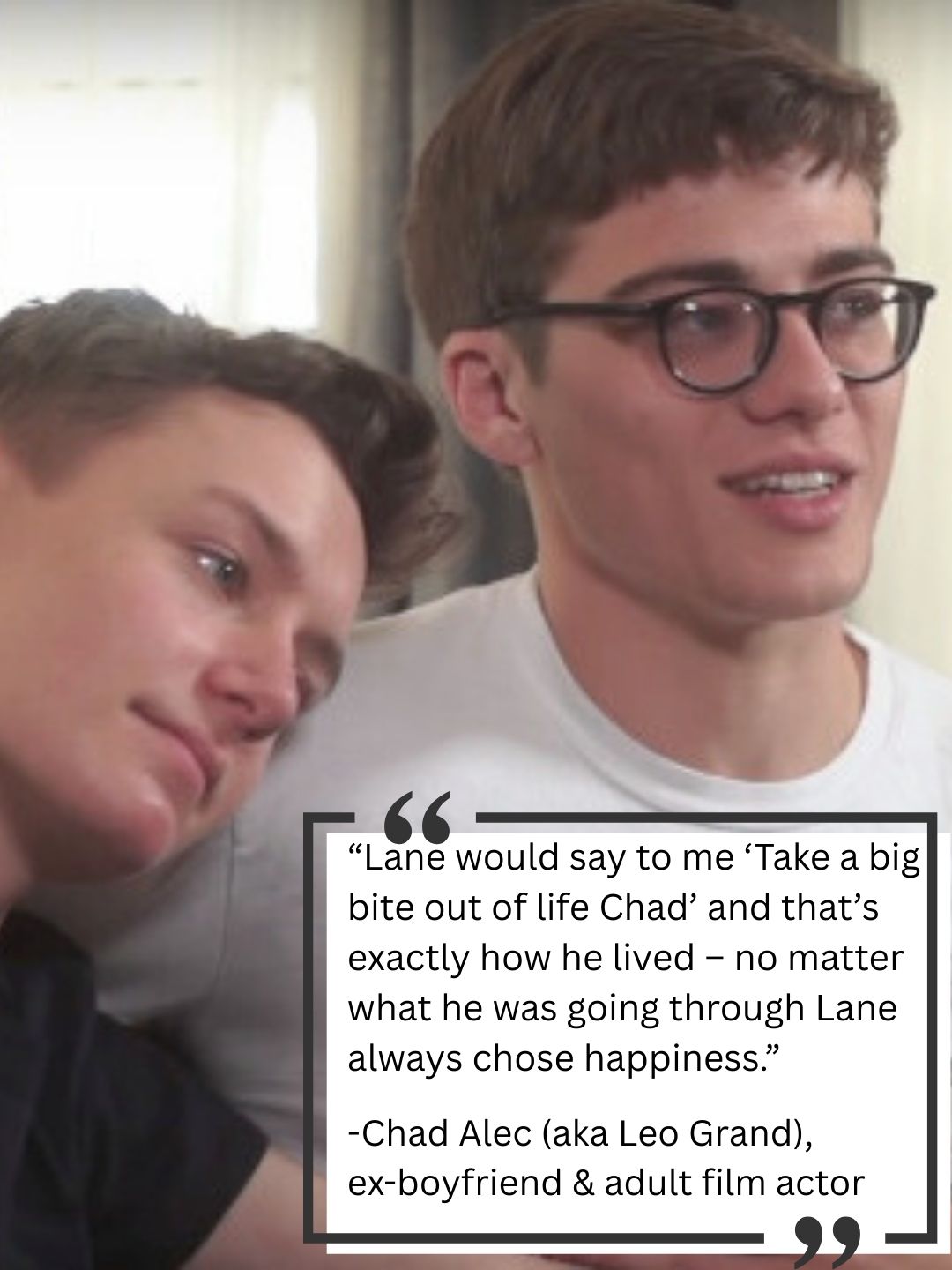
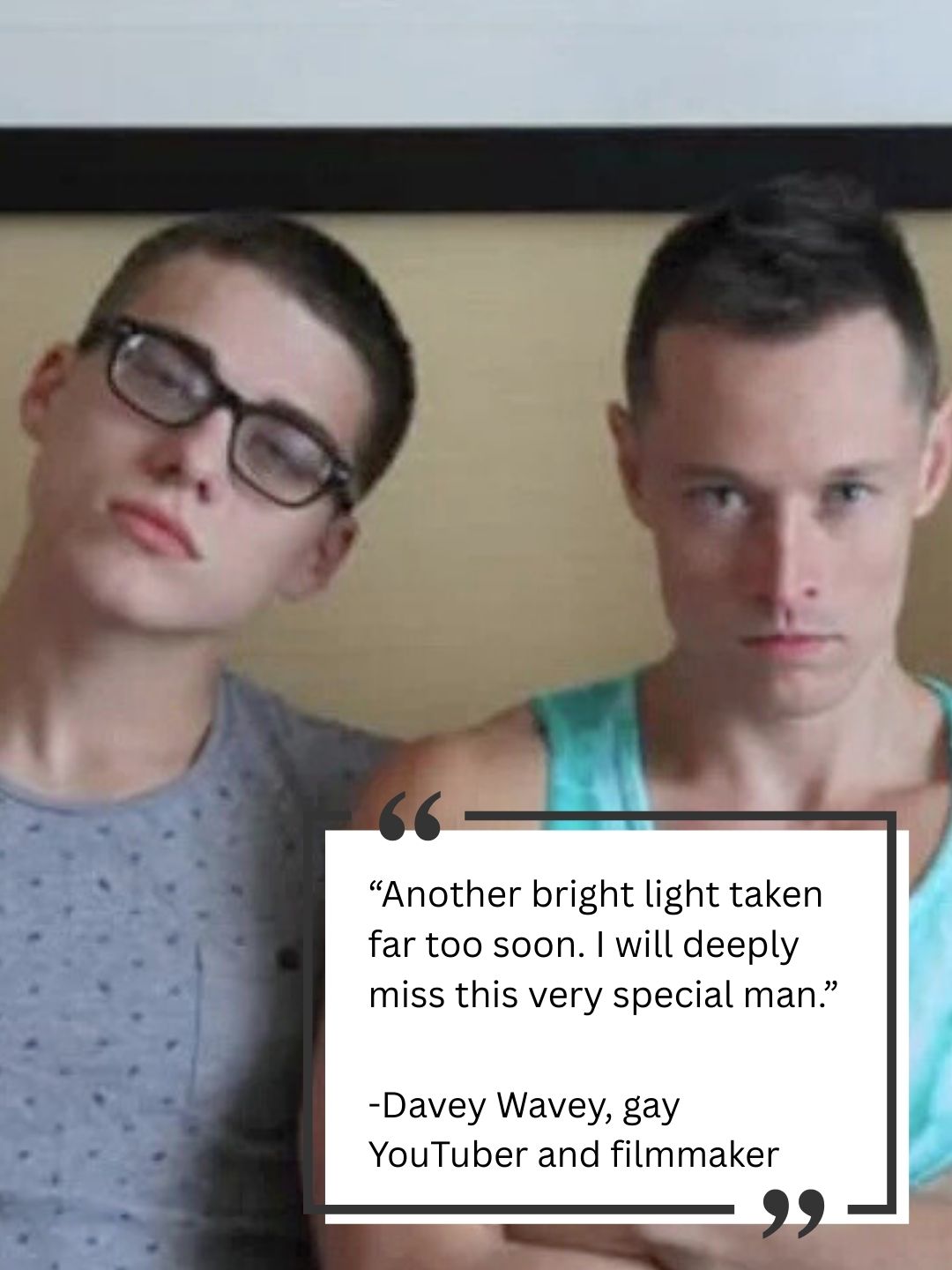
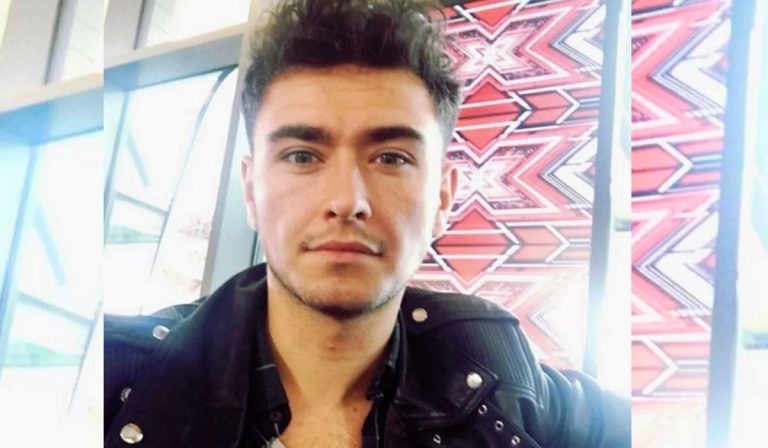
Friends remember Lane V. Rogers with love, laughter, and gratitude

In the days following the sudden loss of Lane V. Rogers, the queer creator community has been doing what it does best in moments of grief: holding space for memory, love, and shared humanity.

Friends, collaborators, and fellow creators have taken to social media to share stories that paint a fuller picture of who Lane was beyond the screen — not just a creator, but a deeply present friend, a generous listener, and someone who made people feel seen.

“He made people feel safe just being themselves”

Many of the tributes speak to Lane’s emotional openness and warmth.

Friends have described him as someone who carried kindness lightly, never performatively, and who showed up consistently for the people in his life. Whether it was a message of encouragement, a shared laugh, or simply being there, Lane’s presence mattered.

A creator who built connection, not just content

While Lane was known publicly for his work online, those closest to him say his real legacy lives in the connections he built off camera.

Tributes repeatedly mention how he uplifted others quietly — offering support, sharing opportunities, and reminding people of their worth without expecting anything in return. For many, he was a grounding force in a fast, often isolating digital world.

Grief, love, and remembrance

The outpouring of messages has been emotional, but also deeply affirming. Alongside the sadness is gratitude — gratitude for shared moments, inside jokes, late-night conversations, and the feeling of being understood.

In remembering Lane, friends aren’t just mourning what was lost — they’re honoring what was given: joy, care, laughter, and a sense of belonging.

Lane V. Rogers may be gone, but the impact he had on the people who loved him — and the community he touched — continues to ripple outward.

He is remembered.

Inside Heated Rivalry: Why the show’s gay intimacy became a creative battleground

0

The buzzy hockey romance *Heated Rivalry* has become one of the most talked-about queer TV dramas of 2025 — and not just because of its slow-burn enemies-to-lovers storyline. One of the most surprising parts of its journey from book to screen was the internal debate over how much intimacy to include, and how openly the show would depict gay sex.

The battle over tone and intimacy

The series, adapted from Rachel Reid’s bestselling *Game Changers* novels, follows rival pro hockey players Shane Hollander and Ilya Rozanov as their secret attraction grows into a complex, long-term romance.

In early development, creator and showrunner Jacob Tierney clearly saw that sex and intimacy were not merely decoration — they were integral to this story’s emotional truth. Tierney has said that in the books, the connection between Shane and Ilya *physically and emotionally* is inseparable from their romantic arc. That’s why, when he met with potential financiers and studios, he was warned that they might want to “fundamentally change the story, or fundamentally change the tone” — essentially asking whether it was really necessary to keep the sexual content so central. Tierney’s view was simple: the sex scenes *are character development*, not arbitrary additions.

How intimacy was handled on set

Once the series moved into production, the approach to intimacy was deliberate and precise. Tierney worked with an intimacy coordinator to make sure those scenes felt authentic and respectful, and that they served the narrative rather than titillation alone. On set, actors and coordinators treated these moments much like stuntwork — rehearsed, technical and carefully communicated — to protect the performers while achieving the emotional resonance the story required.

The public conversation it sparked

Since *Heated Rivalry* premiered, its portrayal of gay intimacy has sparked debate. Comedian Jordan Firstman publicly criticized the show’s sex scenes as not “gay” enough in one specific sense, suggesting they lacked the kind of explicitness some viewers might expect. Cast members — including François Arnaud and Hudson Williams — pushed back, saying there’s no *single authentic* way to depict queer intimacy and defending the series’ choices. Firstman has since softened his stance, acknowledging support for the show.

Why it matters for queer TV

That internal push-and-pull reflects a broader conversation in queer media: representation isn’t just about having gay characters on screen, it’s about how their bodies, desires and relationships are shown. For many viewers, the fact that a mainstream romance series was willing to embed intimacy deeply into its storytelling — and that the creator had to fight for that right — feels significant. It’s a reminder of how much progress has been made, and how much debate still exists about *who* gets to be seen, and in what way.

Lasting impact

With *Heated Rivalry* already renewed for a second season and building a global audience, its creative choices are influencing the conversation about queer storytelling beyond this series. By insisting that intimacy be treated as a narrative force and not just an afterthought, the show has helped expand what is possible for gay romance on screen — and why those possibilities matter.

📷 IG: @ cravecanada

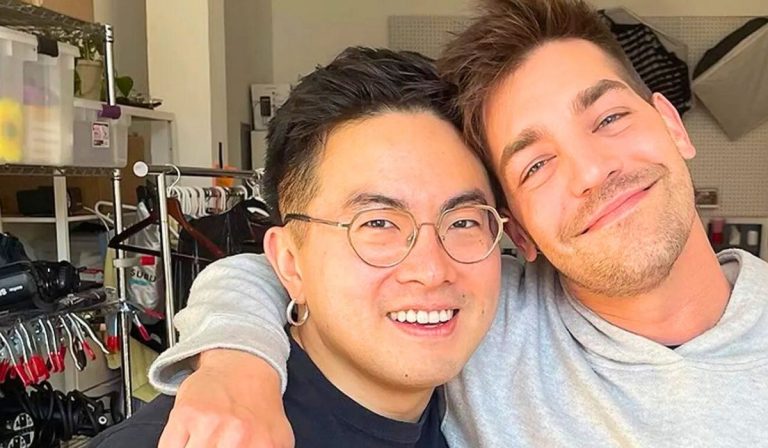
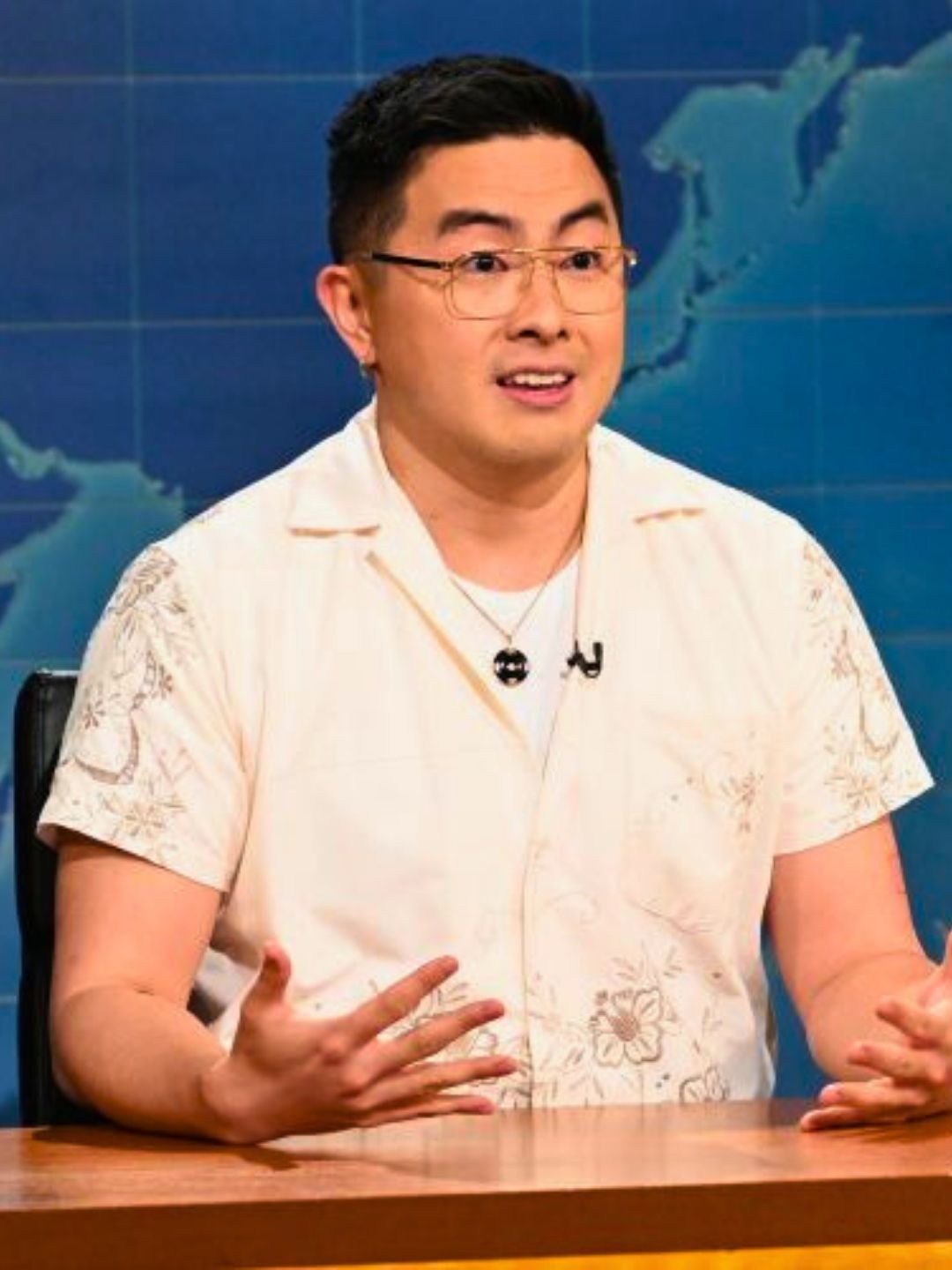
Bowen Yang is leaving Saturday Night Live — and his final episode is this weekend

It looks like we’re about to say goodbye to one of the funniest, most specific, and most instantly iconic cast members Saturday Night Live has had in years.

According to multiple outlets, Bowen Yang is expected to exit SNL, with his final appearance set for Saturday, December 20, 2025.

The timing is perfectly on-brand, because the episode is reportedly hosted by his Wicked co-star Ariana Grande, with Cher as musical guest.

Why this feels like the end of an era

Bowen didn’t just “do well” on SNL, he helped define a whole era of the show’s comedy.

He brought a very particular mix of sharpness, sweetness, chaos, and cultural specificity that made sketches feel modern without trying too hard.

He also became one of the show’s most visible LGBTQ+ performers, and one of the rare cast members whose presence felt like representation without the show needing to make a “moment” out of it every time.

From writer to breakout star

Yang first joined SNL behind the scenes as a writer in 2018 before moving on-camera the following year.

Once he hit the cast, he became a fast fan-favourite through a mix of original characters, perfectly weird energy, and those “how is he making this work?” performances that somehow always did.

Over the years, he also earned major industry recognition, including multiple Emmy nominations.

What’s next for Bowen

Part of what makes this exit feel inevitable is that Bowen’s career outside Studio 8H has been accelerating for a while.

He’s built a huge audience beyond SNL through projects like Fire Island, Bros, and his podcast Las Culturistas, while also stepping into bigger mainstream roles.

So even though it stings for fans, it also feels like the next chapter of someone who has clearly outgrown “just being a sketch guy,” in the best possible way.

A big moment for queer comedy fans

Queer people have always been funny on TV, but we haven’t always been allowed to be the kind of funny that becomes mainstream iconic.

Bowen made that space feel bigger, and he did it without sanding down his voice into something “more palatable.”

Now we just need SNL to keep the door open behind him.

So yes, we’re emotional

If this really is his last show, it’s going to be one of those episodes fans talk about for years.

And if Ariana and Cher are truly the send-off lineup, it’s basically the gayest possible blessing we could ask for.

Thank you for the characters, the chaos, and the cultural reset moments, Bowen.

📷 IG: @ nbc

Heated Rivalry episode 5 finally lets the gay story breathe — and it changes everything

0

⚠️ SPOILER ALERT: This article discusses major plot points from Heated Rivalry Episode 5, “I’ll Believe in Anything.” If you haven’t watched yet and want to go in unspoiled, bookmark this and come back later.

Episode 5 of Heated Rivalry marks a clear shift in the series — not just in tone, but in what the show is willing to say out loud about its central gay relationship.

After several episodes built on tension, denial and carefully controlled proximity, this is the moment where the emotional truth can no longer stay buried under rivalry or excuses.

The end of the “straight cover”

One of the most significant moments comes when Shane finally breaks up with Rose.

Up until now, Rose has functioned less as a villain and more as a shield — a socially acceptable relationship that allows Shane to keep avoiding the reality of what he feels for Ilya.

Ending that relationship isn’t framed as a triumphant coming-out moment, but as something far more realistic: uncomfortable, sad, and necessary.

For queer viewers, it’s a painfully familiar step — letting go of the version of yourself that felt safer to present to the world.

Ilya’s vulnerability takes center stage

While Shane is confronting his own denial, Ilya is dealing with something heavier.

The death of his father forces him to leave suddenly, grounding the episode in grief and reminding us that this story isn’t just about desire, but about loss, distance and emotional survival.

What makes this hit harder is how it pushes Ilya into honesty.

In a quiet but devastatingly intimate phone call, he finally says the words he’s been circling for episodes — that he’s in love with Shane.

That the confession happens in Russian matters.

It’s not just a language barrier, but an emotional one: this is the part of himself he can only access when he isn’t translating his feelings into something more palatable.

A rare break from the “sad ending” pattern

One of the things critics have pointed out is how this episode deliberately avoids a familiar trap in queer storytelling.

Despite grief, injury and separation, Episode 5 does not punish its characters for wanting each other.

Shane’s injury during the game is serious, but it doesn’t become a narrative reset button.

Instead, the hospital scene becomes one of quiet commitment, where Shane asks Ilya to come stay with him at the cottage over the summer.

It’s not a grand declaration — it’s an invitation.

And that subtlety is what makes it powerful.

Queer visibility beyond the main couple

Episode 5 also expands its gay storytelling beyond Shane and Ilya.

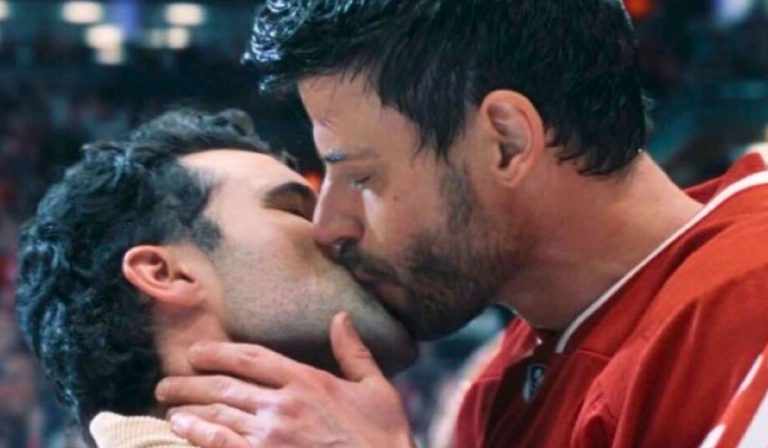
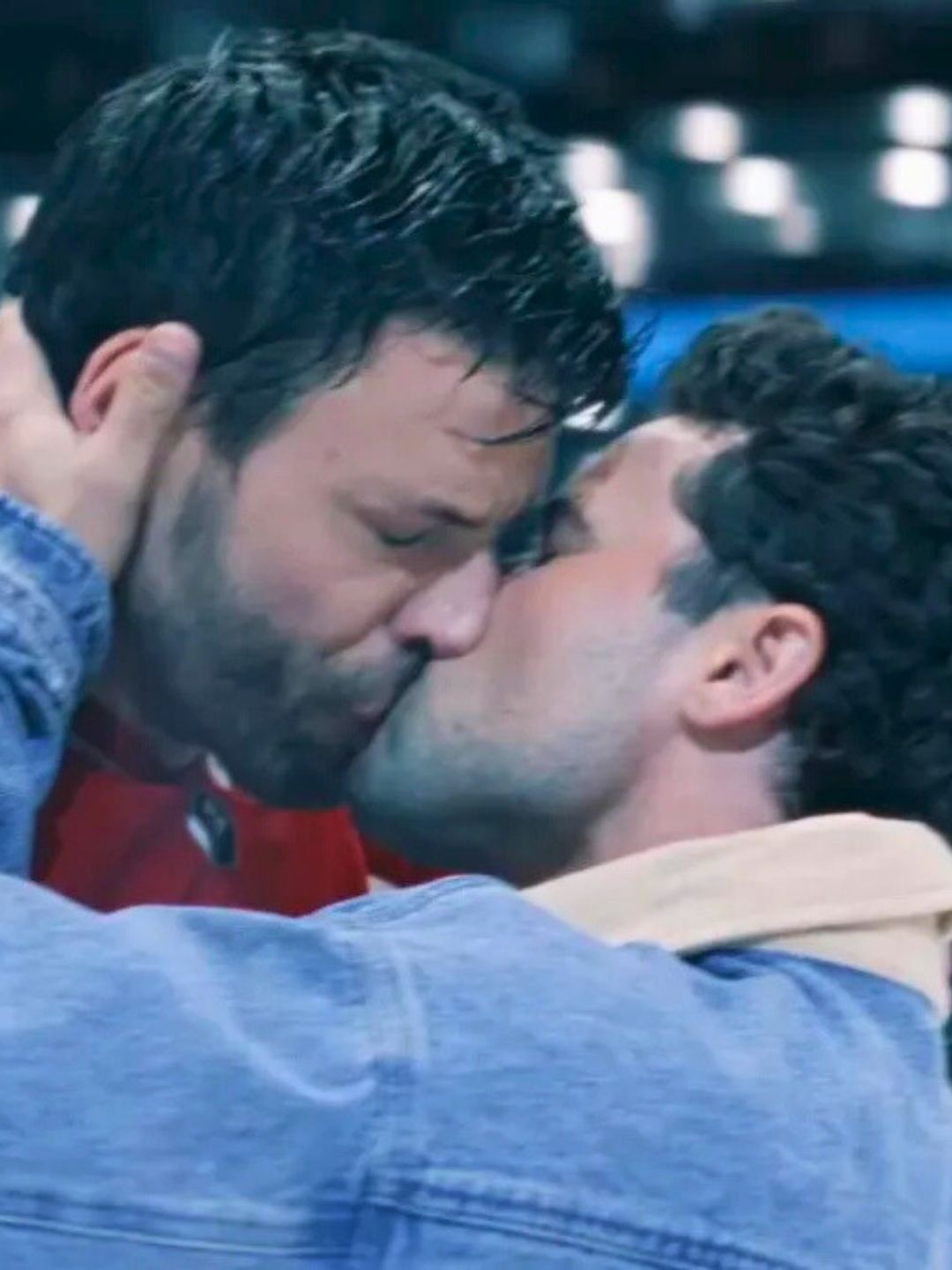
In a moment that feels deliberately placed, another player kisses his boyfriend on the ice after a major win, becoming the first openly gay player to do so in the league.

The show doesn’t linger on shock or outrage.

It lets the moment stand as history being made — imperfect, visible, and undeniable.

Why this episode hits differently for gay viewers

What makes “I’ll Believe in Anything” resonate so deeply is that it stops treating queerness as a tease.

This is no longer a story about whether these men want each other.

It’s about what it costs to admit it.

The episode understands that queer love in hostile or hyper-masculine spaces doesn’t unfold in clean arcs.

It’s messy.

It’s delayed.

And sometimes it arrives quietly, in hospital rooms and phone calls, rather than under spotlights.

The turning point

Episode 5 doesn’t resolve everything — and that’s exactly why it works.

Instead, it breaks the stalemate.

The characters stop running in circles and start moving forward, even if they don’t yet know where that path leads.

For queer audiences used to stories that either rush the payoff or punish the desire, this feels like something rare: patience without erasure.

Heated Rivalry finally trusts its gay story enough to let it be complicated — and that makes all the difference.

📷 IG: @ cravecanada / hbomax

Waterloo Road actor William Rush dies aged 31, remembered for his role as Josh Stevenson

0

William Rush, best known for playing Waterloo Road fan-favourite Josh Stevenson, has died at the age of 31.

The heartbreaking news was shared by his mother, actor Debbie Rush, who posted a tribute saying their family is completely broken.

Rush became a familiar face to UK TV audiences through Waterloo Road, where he played Josh from 2009 to 2013.

For many viewers, Josh wasn’t just another character in a school drama.

He was a coming-of-age figure who felt real, messy, and deeply human.

A role that mattered to LGBTQ+ viewers

Waterloo Road has always been the kind of show that goes there, and Josh’s storylines were part of why the series stuck with so many people.

For queer viewers especially, characters like Josh can be the first time you see a version of yourself on mainstream TV that isn’t a punchline.

It’s why the reaction online has been so emotional, even from people who haven’t watched the show in years.

Sometimes a character lives in your memory as a specific time in your life, and losing the actor behind it hits differently.

“Hope and life to other families”

In her tribute, Debbie Rush also shared that William was an organ donor.

She described it as him giving hope and life to other families, even in the middle of unimaginable grief.

It’s the kind of detail that stops you in your tracks, because it says something about the person he was, not just the roles he played.

Holding space for his family and everyone who loved him

At moments like this, it’s easy for the internet to turn grief into noise, but this deserves quiet respect.

William Rush was someone’s son, someone’s friend, someone’s co-worker, and to many people, a meaningful part of their TV adolescence.

Our thoughts are with his family, loved ones, and all the fans who are feeling this loss today.

Rest in peace, William. 🕯️

📷 IG: @ debbierush / bbc