

Attack at Sam Altman and His Husband’s Home Highlights How Personal the AI Debate Has Become

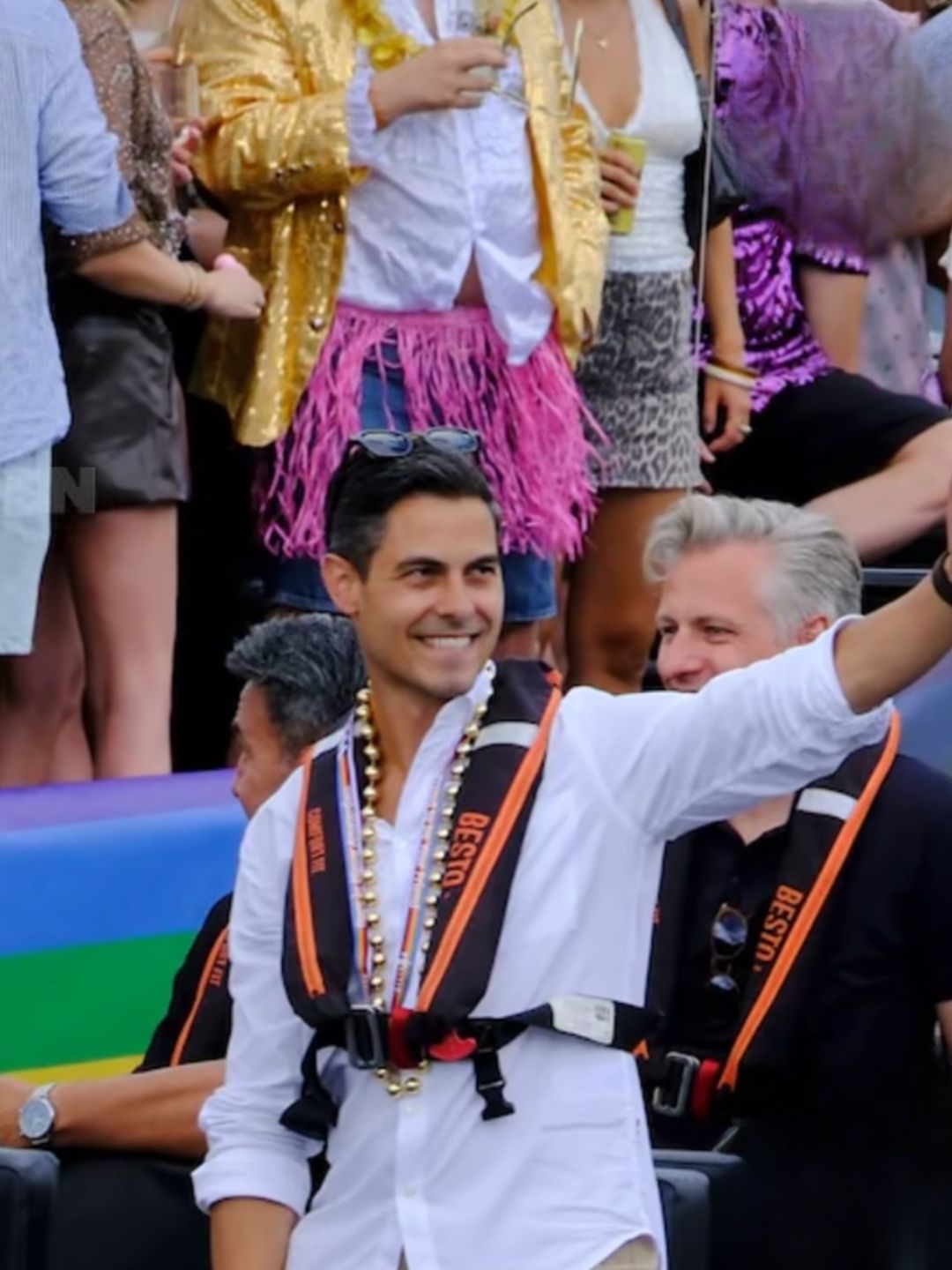
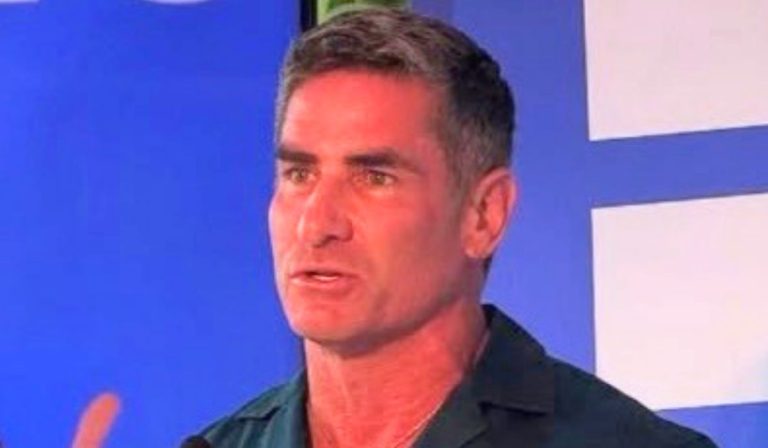
A man has been arrested after allegedly throwing a Molotov cocktail at the San Francisco home of Sam Altman, the OpenAI CEO and one of the most prominent openly gay figures in the global tech industry.

The incident took place in the early hours of the morning, when authorities say an incendiary device was thrown at the property, briefly igniting part of the home’s exterior gate.

Emergency responders quickly brought the situation under control, and no injuries were reported.

While the physical damage was limited, the symbolic weight of the moment feels much larger.

Altman lives at the property with his husband Oliver Mulherin and their two year old kid.

This was not just an attack on a high-profile executive, but one that happened at a private home shared with a family, turning what is often an abstract public debate into something far more personal.

According to police, the same suspect later appeared near OpenAI’s headquarters and made additional threats before being taken into custody.

Authorities have not yet confirmed a clear motive, and the investigation is ongoing.

The timing of the incident is notable, as discussions around artificial intelligence have become increasingly intense and, at times, deeply polarized.

Altman, who has played a central role in shaping the public conversation around AI, has frequently spoken about both the opportunities and the risks associated with rapidly advancing technology.

Following the incident, he called for a de-escalation in rhetoric, emphasizing that the way people talk about AI can have real-world consequences.

For many, the event serves as a reminder that debates about technology are no longer confined to policy discussions or industry conferences.

They are increasingly tied to broader societal concerns, including economic uncertainty, ethical questions, and the pace of change in everyday life.

At the same time, the incident also highlights a familiar reality for openly LGBTQ public figures.

Visibility can bring influence and representation, but it can also come with a heightened sense of exposure.

Even in spaces that are meant to feel private, like the home one shares with a partner, the line between public and personal can quickly blur.

OpenAI has confirmed that it is cooperating with law enforcement and expressed appreciation for the swift response from emergency services.

The company also reassured employees that there is no ongoing threat, although security measures have been reviewed.

Ultimately, the incident underscores how conversations about the future of technology are not just technical or theoretical.

They are deeply human, shaped by emotion, fear, and the realities of living openly in a world where visibility still carries risk.

Bradley Riches Shares First Wedding Photo After Emotional Week

Bradley Riches has shared the first official photo from his wedding, offering fans a glimpse into a moment that feels both joyful and deeply personal.

The Heartstopper star married his partner Scott Johnston this week after two years of engagement.

In the newly shared image, the couple are seen sharing a kiss outdoors, dressed in classic wedding attire, with soft natural light framing the moment.

The caption was simple.

“Mr & Mr Johnston-Riches.”

And that was enough.

The understated tone of the post reflects the feeling of the moment itself.

Not staged.

Not overproduced.

Just a quiet expression of something meaningful.

The timing adds another layer to the story.

Just days before the wedding, Riches shared that he had lost his grandmother, describing the experience as something he never expected to face in the same week as such a major life event.

That contrast between grief and celebration is something many people recognize.

Moments of joy do not exist in isolation.

They often carry everything that comes before them.

For Riches, this wedding represents both a new chapter and a continuation of the life he has been sharing with his audience.

He first rose to prominence through his role as James McEwan in Heartstopper, a series praised for its portrayal of LGBTQ+ relationships and identity.

Since then, he has built a following not only as an actor, but as someone open about his experiences as a gay and autistic man.

That openness is part of why moments like this resonate.

They feel genuine.

And they feel earned.

The wedding itself was attended by friends and fellow cast members from across Riches’ career, including colleagues from Heartstopper, Emmerdale, and Celebrity Big Brother.

But the image he chose to share keeps the focus where it belongs.

On the two of them.

A single moment.

And a simple message.

Mr & Mr Johnston-Riches.

📸 IG: @bradriches

A father sues his gay son for quitting conversion therapy

0

A courtroom case involving conversion therapy has captured widespread attention after a powerful response from Judge Eboni K. Williams.

The case centered on a father who sued his own son for thousands of dollars after paying for conversion therapy.

The son had attended the program under pressure, fearing rejection and consequences at home.

But he eventually left.

And that’s when the lawsuit began.

During the hearing, the father attempted to frame the situation as a broken agreement.

https://youtu.be/GuhL6XXInVU?is=ai3s_LNj1Iv93sMZ

But the judge saw something else entirely.

She identified fear.

Pressure.

And a deeply harmful dynamic between parent and child.

As the case unfolded, the son described his experience in the program, explaining that he was told he was “cursed” and needed to be fixed.

He left after just a month, eventually finding safety and support elsewhere.

Judge Williams did not hesitate in her response.

She dismissed the lawsuit entirely.

But what resonated most was what she said directly to the young man.

She told him he was not broken.

Not cursed.

And that he was worthy exactly as he is.

The moment has since gone viral, with many people pointing to it as an example of something rarely seen in these situations.

Clarity.

And compassion.

Conversion therapy has long been condemned by major medical and psychological organizations, which warn of its harmful and lasting effects.

Cases like this highlight not only those risks, but also the personal realities behind them.

For many LGBTQ+ people, experiences like these are not abstract.

They are deeply personal.

And often shaped by fear of rejection or loss of support.

That’s part of why this moment has resonated so widely.

It represents more than a legal ruling.

It represents someone in a position of authority clearly stating what should never have been in question.

That identity is not something to be fixed.

And that every person deserves to be treated with dignity.

In that sense, the case may be over.

But the message is continuing to spread.

And for many, that’s what matters most.

Pro soccer player Nacho Lago gets a surprise message from his cute boyfriend

A routine football interview is not usually where viral moments begin.

But for Argentine player Ignacio “Nacho” Lago, that’s exactly what happened.

During a television appearance, the 23-year-old forward was surprised with a series of pre-recorded messages from people close to him.

One of those messages came from his boyfriend.

In the short clip, his partner spoke warmly about Lago, praising both his character and his dedication to the sport, and ending with a simple but meaningful expression of love.

Lago’s reaction was immediate and genuine.

There was no sense of performance or hesitation.

Just a quiet, natural response to something clearly meaningful to him.

The clip has since spread widely across social media, drawing attention not only in Argentina but internationally.

For many viewers, the moment stood out precisely because of its simplicity.

There was no formal announcement.

No carefully framed statement.

Instead, it was a glimpse into an existing reality.

Lago has shared moments with his boyfriend on social media before, and those close to his career were already aware of the relationship.

Still, visibility in men’s professional football — particularly in South America — remains rare.

That context adds weight to even the most understated moments.

In interviews following the broadcast, Lago described his relationship as “an irrational love,” comparing it to the emotional intensity he feels for football itself.

It’s a description that captures something both personal and universal.

The idea that love, like sport, is something deeply felt rather than carefully explained.

Reactions to the video have been overwhelmingly positive, with fans and commentators highlighting the importance of seeing moments like this play out without controversy or backlash.

That response may be just as significant as the clip itself.

Because it reflects a shift.

Not necessarily a dramatic one.

But a gradual movement toward something more open, more visible, and more accepting.

In that sense, the moment is not about a single player or a single interview.

It’s about what it represents.

A version of football where authenticity does not have to be hidden.

And where something as simple as a message of love can be received for exactly what it is.

Nothing more.

And nothing less.

A Wave Of Anti-LGBTQ+ Bills — And A Different Ending Than We Feared

0

A surge of anti-LGBTQ+ legislation has been a defining feature of recent political debates across the United States.

In Georgia, that trend appeared to be continuing.

Lawmakers introduced a series of bills targeting LGBTQ+ people, including proposals that would restrict gender-affirming care, limit access to LGBTQ+ content, and affect how identity is expressed in public spaces.

Some of the measures went even further.

One proposal could have penalized librarians for providing LGBTQ+ materials to minors, while others aimed to limit healthcare access and participation in everyday activities such as sports.

It was, in many ways, a familiar pattern.

Across the US, hundreds of similar bills have been introduced in recent years, often focused on education, healthcare, and visibility.

The direction seemed clear.

Until it wasn’t.

As Georgia’s legislative session came to a close, none of the proposed anti-LGBTQ+ bills were passed into law.

Not one.

The outcome surprised many observers, particularly given the scale and scope of the proposals that had been under consideration.

Advocates say the result was not accidental.

Thousands of people contacted their representatives.

Hundreds showed up in person to make their voices heard.

Community pressure, combined with political dynamics inside the legislature, ultimately prevented the bills from moving forward.

While the broader national trend remains a source of concern, moments like this highlight another side of the story.

Resistance.

Engagement.

And the ability of public pressure to shape outcomes.

For many, the significance of this moment lies not just in what was proposed, but in what did not happen.

Because it shows that even in a climate where LGBTQ+ rights are frequently challenged, outcomes are not always predetermined.

They can be influenced.

They can shift.

And sometimes, they can change direction entirely.

📷 Georgia Equality