I’m 28 years old and recently started dating a wonderful man who is 47. We connect on so many levels, but I’m worried about the future.
What if our age gap becomes more apparent as we age? How can we make sure our relationship stays strong and we grow together despite the age difference?
Any advice for building a lasting bond in an age-gap relationship?
Firstly, it’s fantastic to hear that you’ve found a wonderful connection. Age-gap relationships come with their own set of challenges, but also unique strengths.
The key to longevity in any relationship, especially with an age difference, is open and honest communication. Discuss your future together, including your fears and expectations. It’s important to be on the same page about major life decisions like career paths, living arrangements, health, and even retirement planning.
Another vital aspect is mutual respect and understanding. Appreciate the wisdom and experiences that each of you brings to the relationship. Your different perspectives can actually enrich your bond, as long as you both remain open-minded and willing to learn from each other.
Also, don’t forget to nurture your relationship. Shared interests, hobbies, and activities can strengthen your bond. It’s equally important to support each other’s individual interests and personal growth. This helps maintain a healthy balance and mutual respect.
Lastly, be prepared to face external opinions. Age-gap relationships can sometimes attract unsolicited advice or judgment. Stand strong together and remember that the only opinions that truly matter are yours and your partner’s.
Remember, age-gap or not, every relationship requires effort, compromise, and a lot of love. Focus on what brought you together and the unique strengths of your partnership. You’re building a journey together, one step at a time.
This post may contain affiliate links. We may receive a commission if you make a purchase after clicking on one of these links.
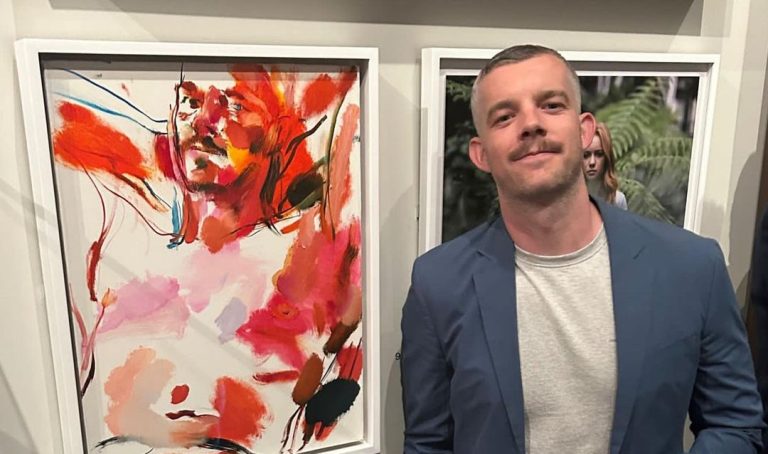
Russell Tovey, the talented English actor, has made quite a name for himself, both on and off the screen. Born on November 14, 1981, in Billericay, Essex, Tovey has been a captivating presence in the acting world.
He is perhaps best known for his roles in “Being Human,” where he played the lovable werewolf George Sands, and in “The History Boys,” both the stage and film versions. His other notable appearances include “Years and Years” and “Looking,” where he beautifully portrayed characters that resonated deeply with the LGBTQ+ community.
Tovey’s acting prowess is just one facet of his brilliance. He’s also a passionate advocate for the arts, especially queer art. His latest endeavor, a documentary about David Robilliard, exemplifies this passion. David Robilliard was a prominent figure in the queer art scene of the 1980s. Born in 1952 in Guernsey, Robilliard moved to London in the 1970s, where he became deeply involved in the city’s burgeoning gay scene and quickly made a name for himself as an artist and poet.
Robilliard’s work was unapologetically queer, full of wit, humor, and poignant observations about love, life, and the challenges faced by the LGBTQ+ community during the AIDS crisis. His art was marked by a distinctive style – combining text and image in a way that was both visually striking and emotionally resonant. Sadly, his life and burgeoning career were cut short when he died of AIDS-related complications in 1988, at the age of 36.
In his documentary, Tovey aims to celebrate and shed light on Robilliard’s life and work, exploring his impact on the queer community and the art world. This project aligns seamlessly with Tovey’s longstanding commitment to advocating for queer history and representation in the arts. By highlighting Robilliard’s legacy, Tovey not only honors the artist’s memory but also provides valuable context for understanding the struggles and triumphs of the queer community during a particularly turbulent time in history.
Through this documentary, Tovey offers an intimate look at a figure who embodied the spirit of queer resistance and creativity. It’s a testament to Tovey’s dedication to ensuring that the voices and stories of the LGBTQ+ community are heard, remembered, and celebrated.
Tovey has said that his career didn’t really take off until he started taking on gay roles: “It wasn’t a conscious decision. And it was only the other day that I realised it had been important somehow. For so long, as a young actor, I had this anxiety about making sure I could get straight roles, and now I know that’s not necessary.
“The gay roles are the best for me. Being gay has made my career.”
“The best thing I ever did was come out and it seems my career has blossomed off the back of it, everything I do is a lot of characters that are testing the water, they aren’t gay for gay’s sake,” Russell told Star Observer.
“They are dynamic incredibly inspiring roles that are very LGBTI and this definitely all comes from me identifying as gay myself, and I think it has not in any way held me back.”
Russell Tovey was born in Essex, England on 11/14/1981. He is currently living in New York City, USA.
What is he famous for?
Russell George Tovey is an actor, author and screenwriter. He is best known for his role as Kevin Matheson in the HBO drama ‘Looking,’ which is about a group of gay male friends living in San Francisco.
He played the werewolf George Sands in BBC’s supernatural drama ‘Being Human’ and Rudge in ‘The History Boys’. He currently stars as Harry Doyle on ABC’s ‘Quantico’.
Is Russell Tovey gay?
Russell Tovey came out as gay to his family around 1999, and to the world about ten years later. His sexuality caused friction within his family.
Russel and his father had a falling out and his father even suggested that he would have asked Russel to undergo medical treatment to “fix the problem” if he had known about his son’s sexuality earlier.
A few years later, the family managed to mend their relationship.
Post may include affiliate links and we may earn a commission if you purchase through them.
Barcelona, the cosmopolitan capital of Spain’s Catalonia region, is not just a city but an experience, especially for the gay traveler. With its vibrant culture, stunning architecture, and a bustling gay scene, Barcelona stands out as a beacon of inclusivity and celebration in Europe. This article offers a comprehensive guide to exploring the best of what Barcelona has to offer to the LGBTQ+ community.
The Heartbeat of Gay Barcelona: Eixample District
Affectionately known as ‘Gaixample,’ this area is the epicenter of gay life in Barcelona. The streets here are lined with rainbow flags, and the energy is palpable. It’s home to a plethora of gay bars, clubs, and cafes, each offering a unique experience.
Must-Visit Spots in Gaixample
Nightlife: Arena Madre is one of the largest gay clubs, known for its lively atmosphere and themed nights. For a more relaxed vibe, Punto BCN is a great bar to start the night.
Cafes and restaurants: Try the brunch at Plata Bar, or enjoy a cocktail at Sky Bar, located on the rooftop of Axel Hotel, which is renowned for being hetero-friendly and offers stunning views of the city.
Cultural Immersion: Art and History
Barcelona’s rich history and art are displayed through its stunning architecture and museums.
Gaudí’s Architectural Marvels
Sagrada Família: This iconic basilica is a masterpiece of Antoni Gaudí, a must-visit for its breathtaking design.
Park Güell: Another of Gaudí’s creations, this park combines nature and design in a unique way.
Museums
Museu Picasso: Showcases the early works of Pablo Picasso and is a treat for art enthusiasts.
Fundació Joan Miró: A museum dedicated to the work of the Catalan artist Joan Miró, nestled on the hill of Montjuïc.
Beaches: Sun, Sea, and Sand
Barcelona’s beaches are a highlight, with a welcoming atmosphere for everyone.
Popular Beaches
Mar Bella Beach: Known for being gay-friendly, it has a nudist area and is a popular spot for both locals and travelers.
Sitges: A short train ride away, Sitges is a charming coastal town with beautiful beaches and a vibrant gay scene.
Barcelona’s culinary scene is a fusion of traditional Catalan dishes and modern gastronomy.
Dining Recommendations
Can Eusebio: Famous for its tapas and lively atmosphere.
Els Quatre Gats: A historic café that was once a gathering place for artists like Picasso.
Accommodation
Barcelona offers a range of accommodation options that cater to the diverse needs of the LGBTQ+ community. Whether you’re looking for luxury, comfort, or budget-friendly options, this guide will help you find the perfect place to stay in this vibrant city. (Note: Contains sponsored links)
Luxury Stays
Axel Hotel Barcelona: Located in the heart of the Gaixample district, Axel Hotel is widely recognized as a staple in the LGBTQ+ community. This hotel is not only gay-friendly but actively markets itself as hetero-friendly, ensuring a welcoming environment for all. The rooftop terrace, with its pool and stunning city views, is a highlight.
TWO Hotel Barcelona by Axel: This is another offering from the Axel chain, known for its sleek design and modern amenities. It’s a great choice for travelers seeking a luxurious experience with an inclusive atmosphere.
Hotel Cram: Situated in Eixample, Hotel Cram is housed in a building dating back to 1892 but offers a thoroughly modern and stylish interior. Its terrace pool and Michelin-starred restaurant add a touch of luxury to your stay.
Mid-Range Options
Casa Camper Barcelona: A trendy and eco-friendly option, Casa Camper is located in the Raval neighborhood, close to many LGBTQ+ bars and clubs. It offers a unique “home away from home” feel with its comfortable and stylish rooms.
Room Mate Pau: This is located just a stone’s throw from Plaça de Catalunya. Room Mate Pau offers modern, chic accommodation with a friendly vibe that resonates well with LGBTQ+ travelers.
Hotel Rec Barcelona: Located in the El Born district, this hotel is perfect for those who want to explore Barcelona’s cultural side. It’s close to the Picasso Museum and within walking distance of the Gothic Quarter.
Budget-Friendly
Generator Barcelona: This is a hostel-hotel hybrid located in the Gràcia district, offering both shared dorms and private rooms. It’s a great option for younger travelers or those on a tight budget, with a lively social scene.
Hostal Mare Nostrum: Situated on La Rambla, near the Liceu Metro Station, this hostel offers comfort and convenience at an affordable price, perfect for budget-conscious travelers.
Praktik Garden: This hotel offers a unique experience with its beautiful garden, where guests can relax. Located in Eixample, it’s close to major attractions and gay nightlife.
Gay-Exclusive Options
The5Rooms: This is a small boutique guesthouse offering a more intimate and personalized experience. It’s beautifully decorated and located centrally, making it an ideal choice for those seeking an exclusively gay environment.
Gay Hostel: Catering specifically to gay travelers, this hostel provides a safe and inclusive environment. It’s a great place to meet fellow travelers and is located close to various gay bars and clubs.
Tips for Accommodation
Book in advance: Barcelona is a popular destination, especially during the summer and major events like Pride. Booking in advance ensures better rates and availability.
Location matters: Staying in or near the Gaixample district keeps you close to the gay nightlife and community.
Check reviews: Look for accommodations with positive reviews from LGBTQ+ travelers for a more assured and comfortable experience.
Practical Advice for Gay Travelers
Safety: Barcelona is generally safe for LGBTQ+ travelers, but like any major city, it’s wise to stay aware of your surroundings. Look out for pickpockets!
Transport: The city has an excellent public transport system. A T-10 ticket is cost-effective and can be used on buses, trams, and metro.
Final Thoughts
Barcelona is a city that embraces diversity, making it an ideal destination for gay travelers. From its dynamic gay scene in Gaixample to its stunning architecture and beautiful beaches, Barcelona promises an unforgettable experience. As you explore this vibrant city, immerse yourself in its culture, indulge in its culinary delights, and celebrate the freedom and joy that make Barcelona a beloved destination in the LGBTQ+ community.
This post may contain affiliate links. We may receive a commission if you make a purchase after clicking on one of these links.
David Archuleta’s journey from a shy, talented teenager to an openly gay man and an advocate for love and acceptance is as compelling as his vocal range. Known for his angelic voice and charming personality, Archuleta first captured America’s heart as the runner-up on “American Idol” in 2008. His rise to fame was meteoric, marked by hit singles, enthusiastic fans, and a growing public persona. Yet, beneath the surface, Archuleta was grappling with a personal struggle that would take years to reconcile – his sexuality.
Born in Miami and raised in Utah, Archuleta grew up in a conservative family. His musical talents were evident from a young age, singing at events and participating in junior singing competitions. His participation in “American Idol” was his leap into stardom, but it also marked the beginning of a deeply personal journey.
Post-Idol, Archuleta’s career flourished. He released multiple albums, singles, and even tried his hand at acting. Despite his professional success, his personal life was fraught with internal conflict and pain. Living in the public eye, he felt compelled to hide his true self, fearing rejection from his family, fans, and the conservative community he came from.
The pressure of conforming to societal norms took a toll on Archuleta. He spoke about the immense effort it took to appear happy while battling suicidal thoughts and self-hatred. His attraction to men conflicted with the teachings of his church, leading him to believe there was something inherently wrong with him.
In 2021, Archuleta reached a turning point. In an emotional Instagram post, he came out as a member of the LGBTQ+ community. This revelation was more than a public announcement; it was a declaration of self-acceptance and love. The response was overwhelmingly positive, with fans and fellow artists offering support and admiration for his courage.
Archuleta’s coming out was not just a moment of personal liberation but also an opportunity to speak up for others facing similar struggles. He became an outspoken advocate for queer people dealing with the conflicting messages from their religious communities. His message was clear: love and acceptance are paramount, and everyone deserves to live authentically.
His recent response to a comment suggesting he lost the “literal light of Christ” in his eyes after coming out was a powerful testament to his journey. He openly discussed the darkness he experienced in the closet and how embracing his true identity brought genuine happiness and light into his life. This response resonated with many who have faced similar challenges.
Today, David Archuleta’s story is one of triumph over adversity, a narrative that extends beyond his musical achievements. It’s a story about finding love – love for oneself, love in relationships, and love from a supportive community. As he continues to navigate his career and personal life, Archuleta remains a beacon of hope and inspiration, showing that true joy comes from embracing who you are and loving without fear or reservation.
This post may contain affiliate links. We may receive a commission if you make a purchase after clicking on one of these links.
Dear Max,
I’ve always felt a bit like an outsider in the mainstream gay scene. It seems centered around certain bars, clubs, and aesthetics that don’t really resonate with me.
I’m more introverted and my interests are a bit different – I’m into things like indie music, nature, and quieter social settings. I often feel like I don’t quite fit the ‘typical’ gay stereotype and it’s been hard to find my place.
Are there alternative LGBTQ+ communities or spaces where I might feel more at home? How can I connect with people who share my interests and sensibilities?
First off, it’s completely okay to feel out of step with the mainstream gay scene. Remember, the LGBTQ+ community is wonderfully diverse, and there’s no one-size-fits-all way to be gay. Your uniqueness is something to celebrate!
Now, to find your tribe, you might need to look beyond the usual hotspots. Many cities have LGBTQ+ groups focused on specific interests like hiking, book clubs, or music. Check out social media platforms, community bulletin boards, or LGBTQ+ resource centers for information about such groups.
If you’re into indie music, see if there are any LGBTQ+ friendly indie music venues or clubs in your area. These spaces often host events where you could meet like-minded individuals. For nature lovers, look for LGBTQ+ hiking or outdoor adventure groups. Not only do these groups offer a chance to enjoy your passion for nature, but they also provide a more relaxed setting for socializing.
Don’t underestimate online communities either. There are numerous forums and social media groups dedicated to specific interests within the LGBTQ+ community. This can be a great way to connect with others who share your hobbies and build friendships, even if they’re not in your immediate geographic area.
Lastly, consider starting your own group if you can’t find one that fits. You’d be surprised how many others might share your feelings of not fitting into the mainstream scene.
Remember, your identity and interests are unique to you, and there are others out there who will share and celebrate them with you. It might take a bit of searching, but the community you’re looking for is out there.